The Lewa Wildlife Conservancy, a UNESCO World Heritage Site, is a model for community-based rhino conservation in northern Kenya.
Lewa Safari Camp occupies a central position within this 62,000-acre conservancy. It has an advantageous location with expansive views across the plains and towards the Marania River, a location that naturally attracts the region's wildlife.
Camp Design and Atmosphere
Lewa Safari Camp is a permanent luxury tented camp, which provides an 'under canvas' experience with a high degree of material comfort. The camp's architecture combines traditional safari aesthetics with solid, permanent infrastructure.
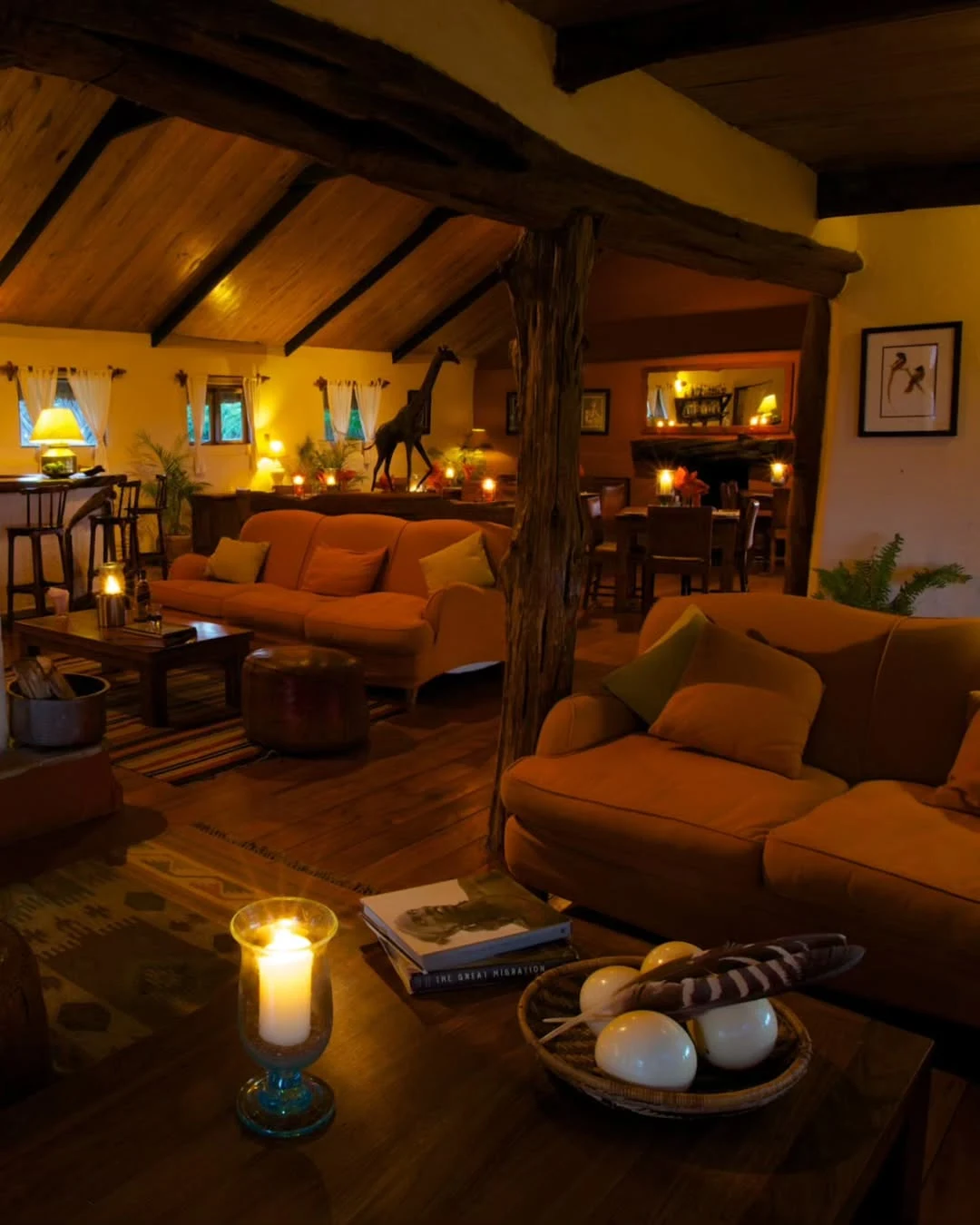
Local stone and sustainably sourced wood form the central lodge area, which has a high-pitched thatched roof to maintain a cool and well-ventilated environment. This main building contains the dining room, a lounge with an open fireplace, and a bar. These areas open onto a terrace that overlooks a frequently visited waterhole.
The atmosphere is relaxed and well-ordered, and the camp is managed to be both immersive and secure.
Accommodation Analysis of the Camp
Tented Suites
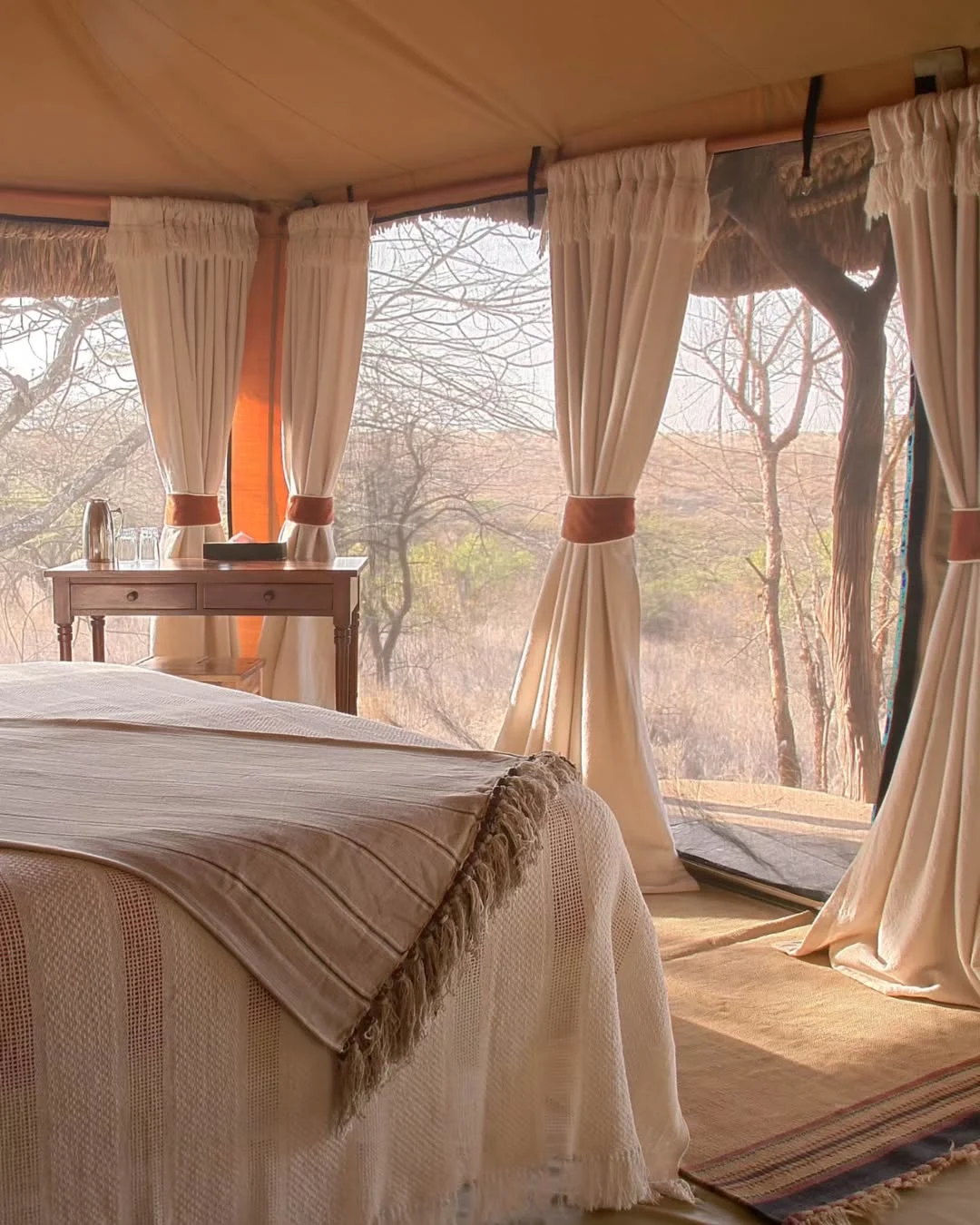
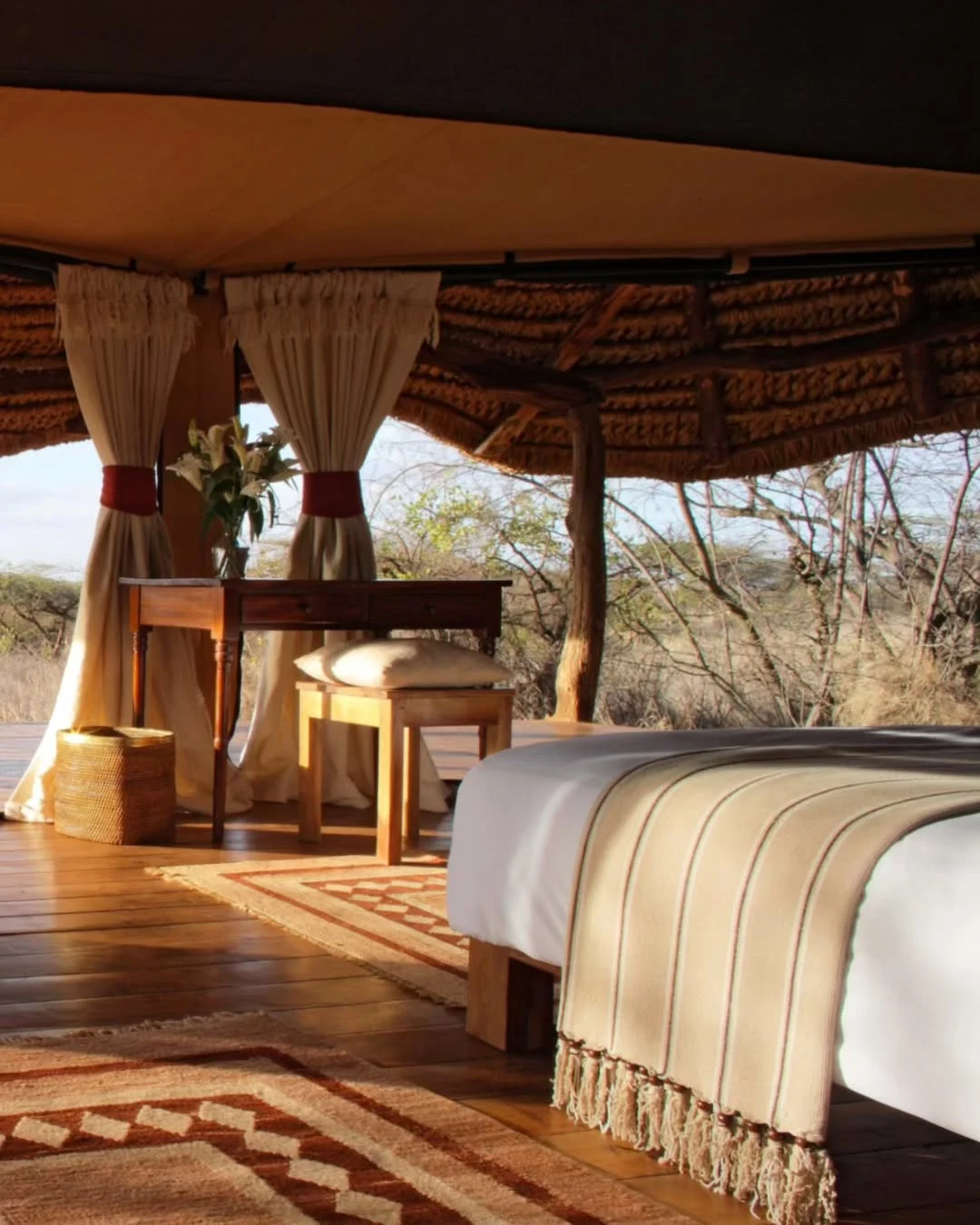
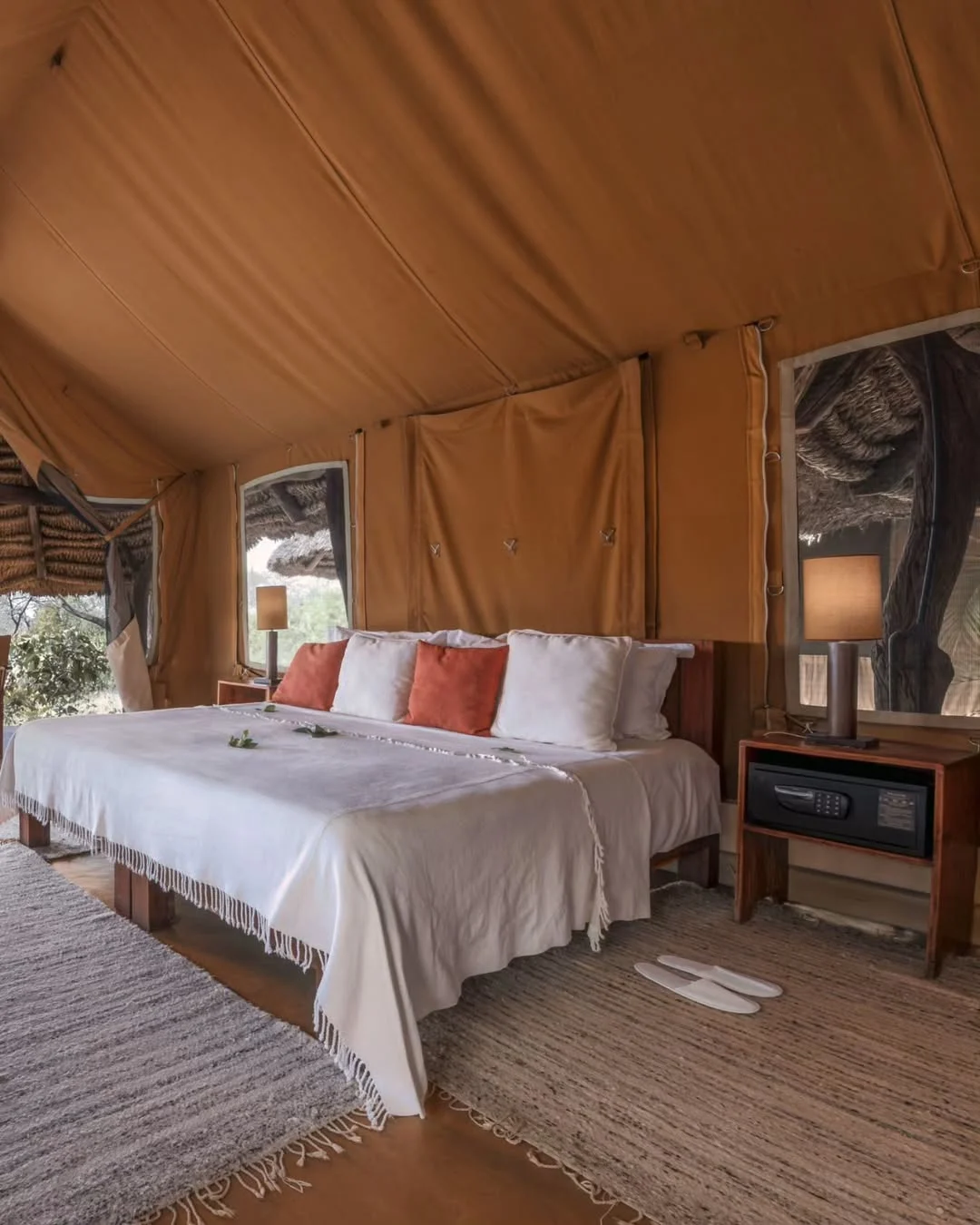
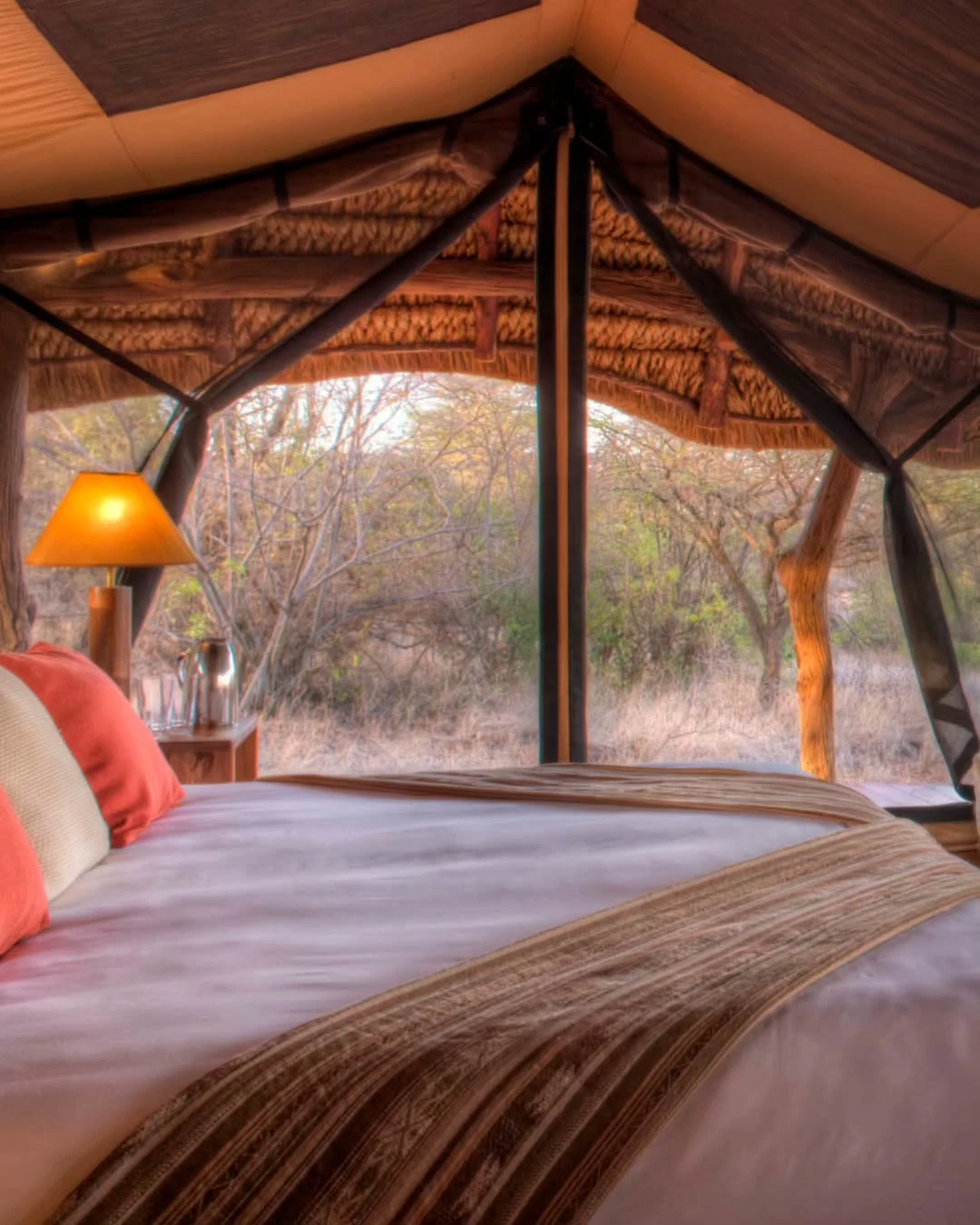
The accommodation includes eleven spacious guest tents, each set upon a raised wooden and stone plinth under a pitched, insulated roof. This design ensures protection from the elements while maintaining the classic safari tent profile.
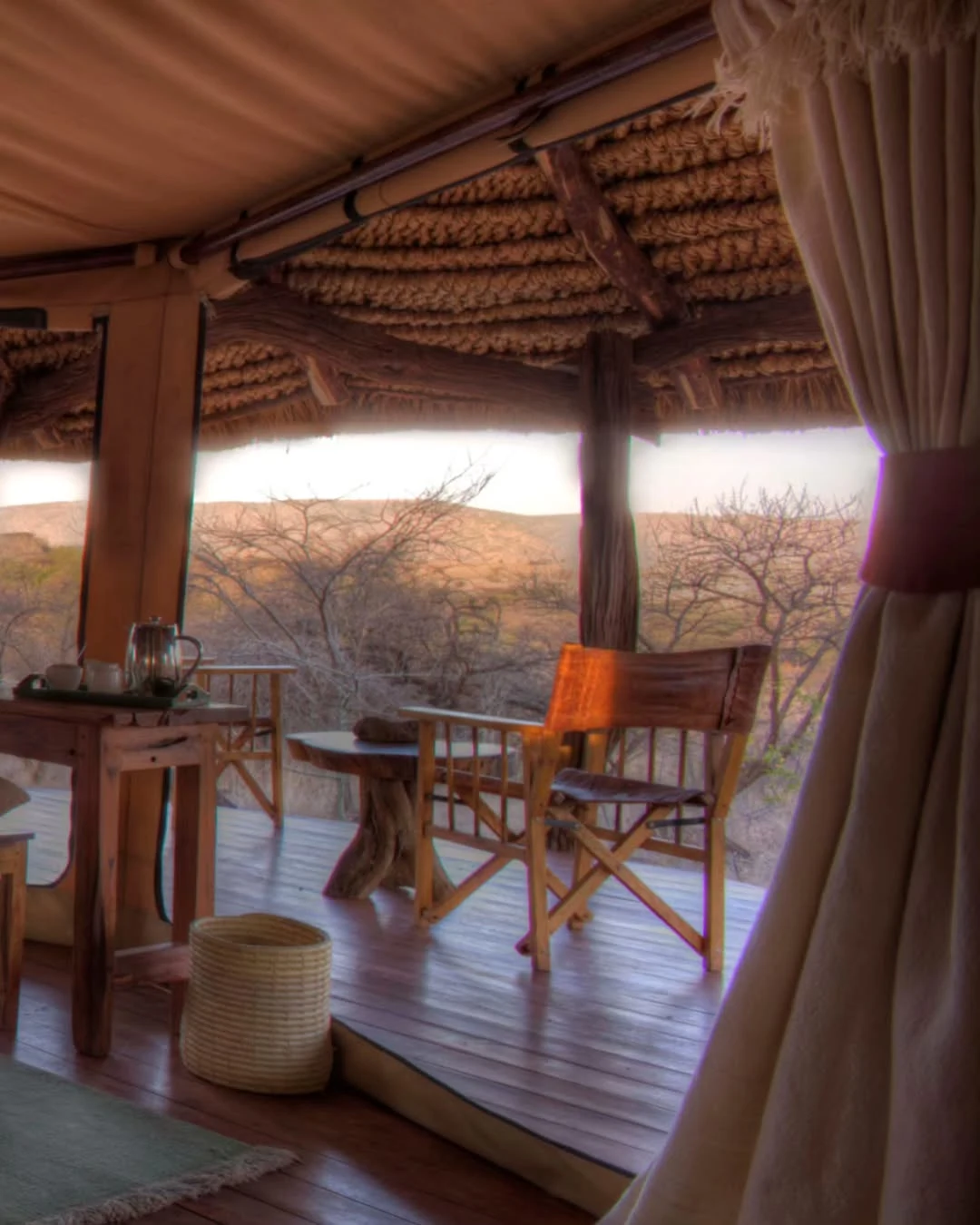
Each unit has a large, private verandah furnished for wildlife observation. The interior is configured with either twin or double beds, bedside lighting, and sufficient storage space. This design meets guest requirements for comfort and convenience.
A key feature is the permanent, en-suite bathroom constructed at the rear of each tent. This is a fixed structure with solid walls for privacy and security. These facilities are a significant upgrade from a mobile camp, providing hot and cold running water on demand and a conventional flushing toilet.
This construction provides hotel-grade amenities, which contrasts with the more basic facilities of a mobile camp.
- Private furnished verandah
- En-suite bathroom with flushing toilet and shower
- 24-hour solar-powered electricity with a backup generator
- In-tent charging points for devices
- Complimentary daily laundry service
Communal Areas and Facilities
Main Lodge and Dining
The main lodge serves as the social hub of the camp. Its open-plan design encourages interaction while offering numerous quiet corners for relaxation.
Dining is typically a communal affair in the thatch-roofed dining room, although private meals and bush dinners can be arranged. The food is of a high standard, prepared with fresh ingredients often sourced from the camp's own organic garden.
Pool and Leisure
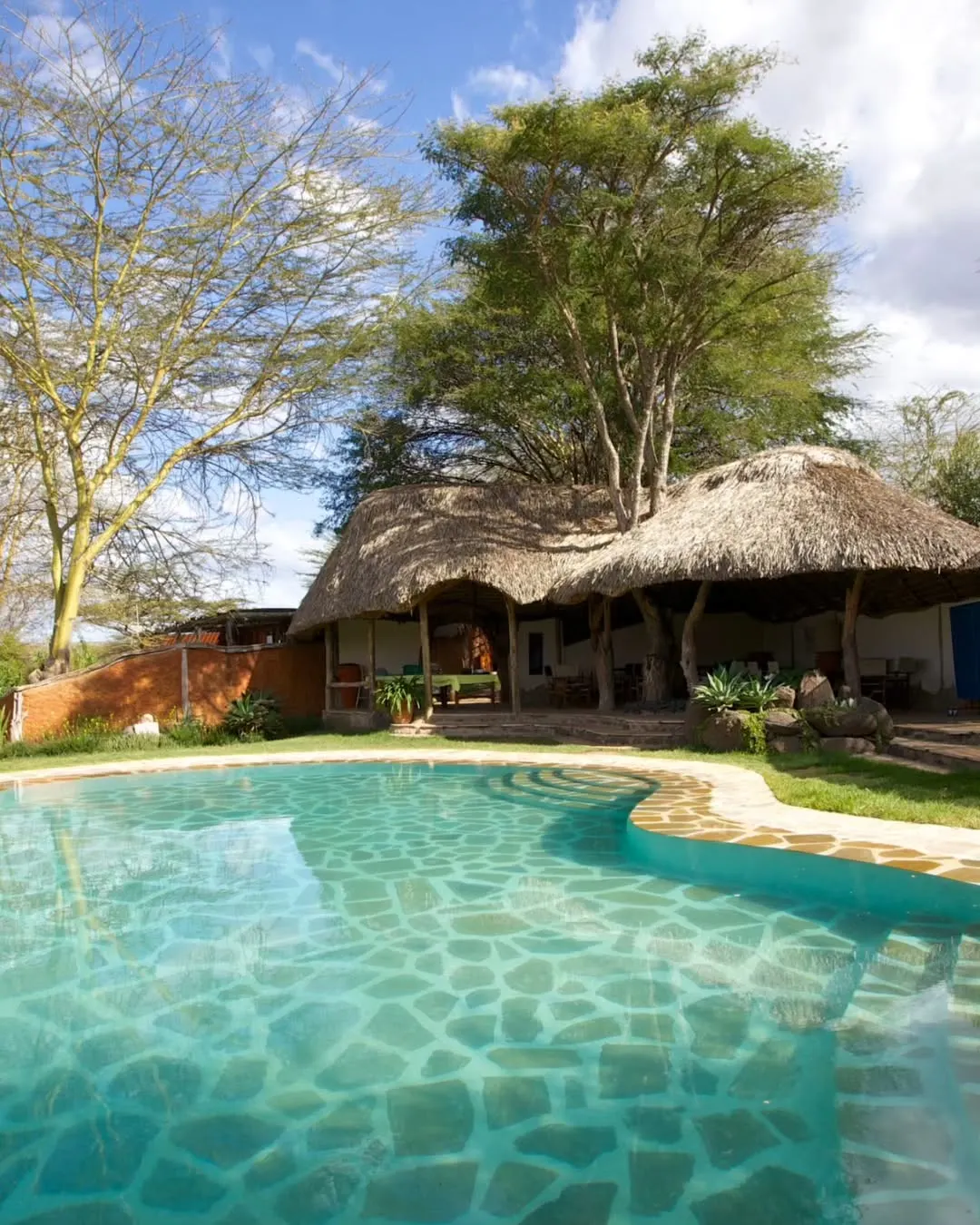
A swimming pool is located a short walk from the main lodge, providing a retreat during warmer parts of the day. The pool area has a shaded deck with sun loungers and offers excellent views over the conservancy, allowing for wildlife observation. This facility is a useful asset, particularly for families or guests staying for multiple nights.
Wildlife Experience and Guiding
Conservancy and Key Species
The camp's location inside the conservancy ensures low vehicle density and exclusive game viewing. Lewa is critical to the conservation of the endangered Grevy's zebra, protecting the largest single population of the species, numbering over 400 individuals.
The conservancy is also known for its successful rhino conservation programme. Together with the adjoining Borana Conservancy, the ecosystem is a sanctuary for more than 200 black and white rhinos, making sightings highly reliable.
Game drives often produce encounters with lion, leopard, cheetah, elephant, and reticulated giraffe. The conservancy is unfenced, allowing for natural animal movement.
Guiding Standards
The guiding team consists of highly trained professionals with deep knowledge of the local ecosystem. Many guides are from local communities and hold certification from the Kenya Professional Safari Guides Association (KPSGA).
Their expertise covers wildlife behaviour, botany, and the operational details of the conservancy, providing guests with an informative experience.
Activity Portfolio
Game Drives and Bush Walks
The camp offers a wider range of activities than is permitted in Kenya's national parks. Standard activities include morning and afternoon game drives in open-sided 4x4 vehicles. The camp also arranges guided bush walks, which offer a different perspective on the ecosystem by focusing on animal tracks, botany, and insects.
Equestrian and Cultural Activities
For an alternative approach to game viewing, horse riding and camel trekking are available. These activities, typically for intermediate and experienced riders, allow guests to get close to plains animals.
The camp can also arrange visits to local community projects and the Lewa Wildlife Conservancy headquarters to provide information on conservation and community development programmes.
Logistical Considerations
The camp operates on a combination of solar power and a backup generator, ensuring reliable 24-hour electricity in all tents for lighting and charging devices. The main lodge provides Wi-Fi. The connection is generally sufficient for email and basic browsing but may not support high-bandwidth use. The camp is unfenced to allow for wildlife movement. As a standard safety protocol, trained askaris (guards) escort guests to and from their tents after dark.
Camp at a Glance
| Feature | Detail |
|---|---|
| Location | Lewa Wildlife Conservancy, Kenya |
| Accommodation | 11 Luxury Tented Suites |
| Power Supply | 24/7 Solar with Generator Backup |
| Internet Access | Wi-Fi in Main Lodge Area |
| Child Policy | Children of all ages welcome |
| Key Wildlife | Black & White Rhino, Grevy's Zebra |
Suitability Verdict for Accommodation at Lewa Safari Camp
Lewa Safari Camp is suitable for conservation-conscious travellers and first-time safari-goers who require a comfortable introduction to the African bush. A key feature is the direct financial link between a guest's stay and the funding of the conservancy's conservation efforts.
The high-quality permanent tents and varied activity portfolio make the camp a good fit for families and active couples who want more than vehicle-based game viewing. The low tourist density and reliable rhino sightings make it a strong option for wildlife enthusiasts.