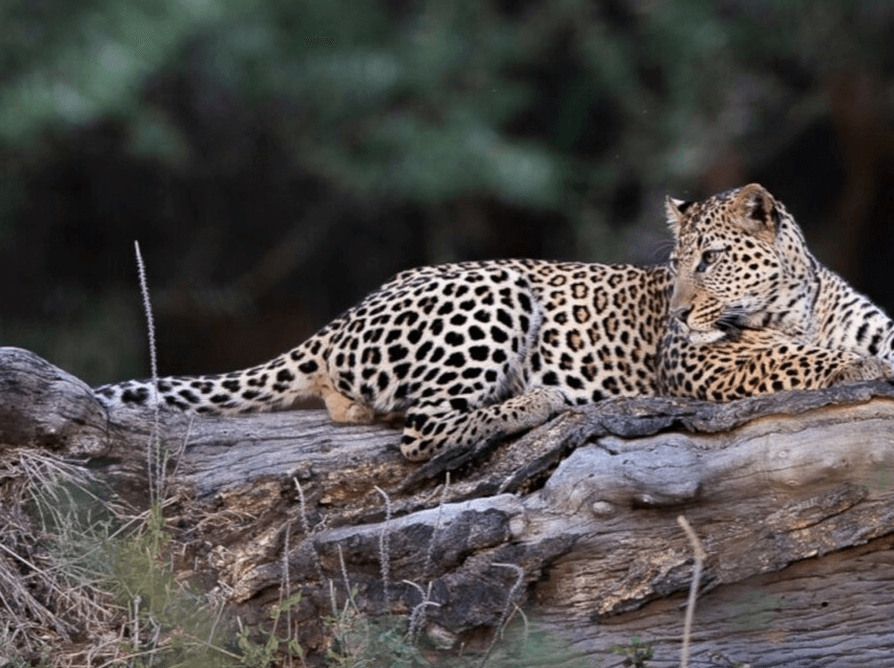
Lewa Wildlife Conservancy is a conservancy in northern Kenya, spanning Meru and Isiolo counties. The conservancy offers exceptional wildlife viewing, including the Big Five. It also serves as an important sanctuary for the endangered black rhino and the Grevy's zebra.
Overview
Name
Lewa Wildlife Conservancy
Type
Conservancy
Town
Isiolo
County
Meru
Country
Kenya
Key Facts about Lewa Wildlife Conservancy
Attribute Category
Specific Detail
Location Coordinates
Approximately 0.19° N, 37.42° E
Governance/Management
Managed by the Lewa Wildlife Conservancy, a non-profit organisation, in partnership with the Kenya Wildlife Service (KWS).
Total Area
62,000 acres (250 square kilometres)
Entry Fees (Non-Resident)
Conservation fees are approximately USD 123 per adult per 24 hours (rates subject to change).
Primary Attraction
Conservation of endangered species, including significant populations of black rhinos and Grevy's zebras; The Big Five.
Best Time to Visit
The dry seasons from June to October and December to March offer best wildlife viewing conditions.
Wildlife at Lewa Conservancy
Lewa Wildlife Conservancy serves as an important biological corridor. It connects Mount Kenya to the northern conservation landscapes. Unlike the isolated ecosystems of enclosed parks, Lewa facilitates genetic flow for large mammals. UNESCO inscribed the conservancy as a World Heritage Site extension of Mount Kenya National Park in 2013. This recognition highlights its key role in protecting important habitats.
Rhino Conservation Efforts
Lewa's main distinction is its role as a dedicated rhino sanctuary. The conservancy manages a population exceeding 250 individuals, representing approximately 14% of Kenya’s total rhino population. This density allows for frequent sightings, a clear advantage over the expansive Tsavo Conservation Area where population density is lower.
The sanctuary protects two distinct species:
Eastern Black Rhinoceros (Diceros bicornis michaeli): A browser species adapted to the acacia thickets. Lewa serves as a stronghold for this critically endangered sub-species.
Southern White Rhinoceros (Ceratotherium simum simum): A grazer species found on the open plains.
Grevy's Zebra Conservation
The Plains Zebra is common across East Africa. However, Lewa is the main location for the endangered Grevy's Zebra (Equus grevyi). The conservancy hosts the largest single population of Grevy's zebras in the world. Grevy's zebras are distinct from Plains Zebras; they feature narrower stripes, a white belly, and large, rounded ears. Habitat management at Lewa specifically targets the grazing requirements of this species. This reduces competition from livestock, which threatens their survival in unprotected community lands further north.
Elephant Population Management
The conservancy serves as an important corridor for the African Savanna Elephant (Loxodonta africana).
Elephants migrate between the Mount Kenya forest and the Samburu lowlands. Lewa built an elephant corridor under the A2 highway. This was done to manage human-wildlife conflict and reduce habitat degradation caused by high elephant densities. This infrastructure allows safe passage for herds, reducing fence breakage and crop raiding in surrounding agricultural zones.
Other Notable Species and Habitats
The conservancy's biodiversity extends beyond the main large animals. The Lewa Swamp offers a rare habitat for the semi-aquatic Sitatunga antelope, a species seldom seen in the drier rangelands of Laikipia.
The conservancy is also an excellent location for spotting species belonging to the "Northern Five," which are adapted to arid environments.
Key species include:
Reticulated Giraffe (Giraffa camelopardalis reticulata): Distinguished by a liver-coloured coat with clearly defined white lines, differing from the Masai Giraffe found in the Mara ecosystem.
Beisa Oryx: A straight-horned antelope adapted to semi-desert conditions.
Somali Ostrich: Identified by the grey-blue neck and legs of the male, contrasting with the pink-necked Masai Ostrich.
Gunther’s Dik-dik: A small antelope with an elongated snout, distinct from the Kirk's Dik-dik found in southern reserves.
African Wild Dog (Lycaon pictus): Transient packs frequently den within the conservancy due to the abundance of prey and predator-proof fencing that reduces conflict with pastoralists.
Activities and Experiences at the Conservancy
Lewa operates on a low-density tourism model. Access is restricted to guests staying within the conservancy, which prevents vehicle congestion typical of locations like the Masai Mara National Reserve or Nairobi National Park. This exclusivity allows activities strictly prohibited in Kenya’s gazetted National Parks.
Specialised Conservation Experiences
Visitors can engage directly with conservation logistics. This gives insight into the operational side of wildlife management. Unlike standard photographic safaris, Lewa offers participation in:
Tracker Dog Unit Visits: Demonstrations of bloodhound tracking capabilities used for anti-poaching and security operations.
Conservation Education Centre Tours: Interactions with the administrative side of community-centric conservation.
Horseback Safaris: Riding alongside plains game (zebra, giraffe, eland) allows for a closer, unobtrusive approach compared to motor vehicles.
Camel Walking Safaris: Guided treks led by local Samburu handlers, focusing on smaller ecosystem details often missed during game drives.
Game Viewing and Night Drives
Standard game drives use 4x4 vehicles with open sides for best viewing. A key difference for Lewa is the permission for Night Game Drives. National Parks in Kenya generally require visitors to return to camp by 6:30 PM. Lewa allows guided nocturnal drives, allowing observation of nocturnal species such as:
Aardvark
Bushbaby (Galago)
Leopard (active hunting periods)
Verreaux's Eagle-Owl
Bat-eared Fox
Places to Sleep when at Lewa Conservancy
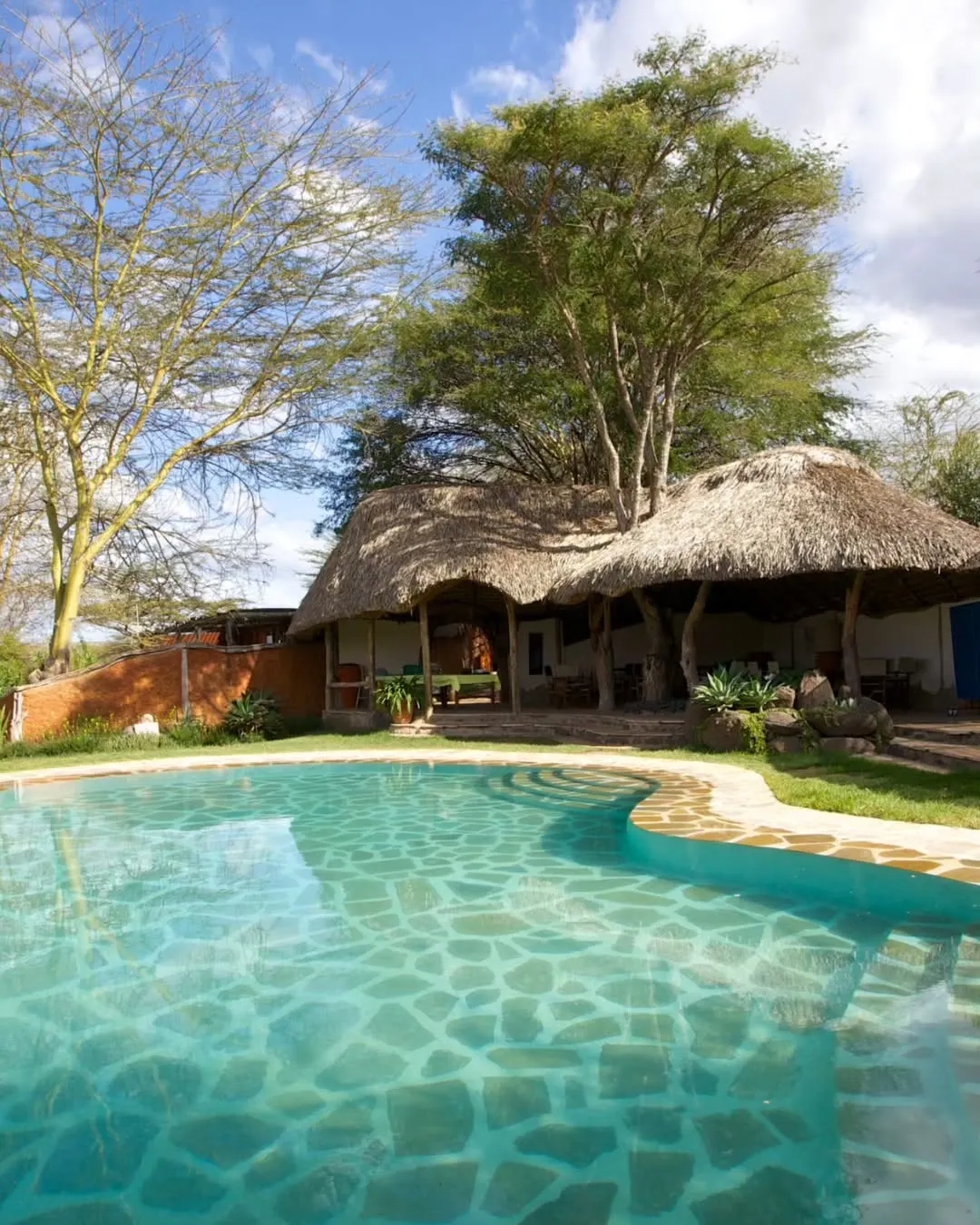
Accommodation within the conservancy is categorised by exclusivity and management type. Several properties are owned by the conservancy; profits from these directly fund conservation operations (CORE). Other properties are privately owned partners that pay conservation fees.
Premium Lodges and Camps
Lewa Safari Camp (Elewana Collection): This is the main facility within the conservancy, offering luxury tented accommodation. It serves as the main base for many standard game drives.
Kifaru House: Owned by Lewa, this property offers a more private experience with limited cottages. Revenue from this property goes directly to conservation overheads.
Sirikoi Lodge: A private, family-run lodge located on the conservancy grounds. It is known for exclusivity and direct access to wildlife viewing from the lodge decks.
Lewa House: Located on the crest of a hill, offering panoramic views of Mount Kenya and the Mathews Range, catering specifically to families and private groups.
Lewa Wilderness: One of the oldest establishments, offering unique activities such as biplane flights over the conservation area.
Competitor Comparison
Lewa maintains a lower bed-night density compared to Ol Pejeta Conservancy, resulting in fewer vehicles at sightings. Ol Pejeta offers a Chimpanzee Sanctuary, which Lewa does not have. However, Lewa provides a more wilderness-focused experience with its specialised Grevy's Zebra focus. Unlike Samburu National Reserve, where off-road driving is strictly banned, Lewa guides have more flexibility to track predators off-road (within ecological sensitivity guidelines). This greatly increases the chance of close-range predator sightings.
Entry Fees and Conservancy Costs
Understanding the fee structure for Lewa Wildlife Conservancy is important for planning your trip. The costs directly support the conservancy's important conservation work and community development projects. Fees are typically charged per person for each 24-hour period.
Daily Conservancy Fee Structure
Lewa operates on a tiered pricing system. This system is standard for parks and conservancies across Kenya. It distinguishes between international visitors, residents of East African countries, and Kenyan citizens.
Non-Resident (International Visitors): This is the standard international tourist rate. It breaks down further into adult and child (typically 3-15 years) rates.
East African Resident: This applies to residents of Kenya, Uganda, Tanzania, Rwanda, Burundi, and South Sudan. Proof of residency (e.g., a work permit or alien card) is required at the gate. This category also splits into adult and child rates.
Kenyan Citizen: A preferential rate for Kenyan citizens. A valid National ID or passport is required for verification. Adult and child rates apply.
Important Notes on Fees:
Pricing Fluctuation: Conservancy fees are subject to change, often annually. It is important to check the official Lewa Wildlife Conservancy website for the most current fee schedule before your visit.
Package Inclusions: If you stay at one of the lodges within Lewa, the daily conservancy fees are usually included in your nightly accommodation rate. Always confirm this when booking your stay.
Vehicle Fees: A separate fee per vehicle per day may also apply, depending on the size and type of the vehicle.
Transport Options to Lewa
Lewa is located in northern Kenya, with the majestic Mount Kenya as its backdrop. It is approximately 250 kilometres (155 miles) north of Nairobi and is accessible by air, road, and rail.
By Air (Most Recommended)
Flying is the quickest and most convenient way to reach Lewa, offering spectacular aerial views of the landscape.
Departure Airport: Scheduled flights depart daily from Wilson Airport (WIL) in Nairobi, which is the main hub for domestic safari flights.
Airlines: Local airlines such as Safarilink and AirKenya Express operate daily services.
Destination Airstrip: Flights land at the Lewa Downs Airstrip (LEWA), located within the conservancy. Your lodge will arrange a vehicle to collect you from the airstrip.
Flight Time: The journey is approximately 50-60 minutes.
By Road
Driving to Lewa from Nairobi offers an interesting journey through Kenya's central highlands. This option offers more flexibility but requires careful planning.
Route: The main route follows the A2 Highway north from Nairobi towards Thika, continuing past Karatina and Nanyuki towards Isiolo. The main entrance to Lewa is signposted off this road.
Distance & Time: The drive is roughly 250 km and takes approximately 4-5 hours. Traffic when exiting Nairobi can significantly affect this time.
Vehicle Type: A 4x4 vehicle is recommended. The A2 is a tarmac road, but the access roads leading into the conservancy and its internal tracks are unpaved. These can be challenging, especially after rain.
By Scheduled Train
For a more scenic travel option, you can take the newly refurbished train from Nairobi to Nanyuki.
Service: The Nairobi-Nanyuki Train offers a slow, scenic journey through rural landscapes.
Logistics: From Nanyuki train station, you need to arrange a pre-booked road transfer to Lewa. This is approximately a 1.5-hour drive away. This option suits travellers with flexible schedules better than those on tight itineraries.
Accommodation Planning to Lewa
Choosing accommodation is an important part of the Lewa experience. The main decision is whether to stay inside the conservancy for complete immersion, or outside for more flexibility and budget options.
1. Lodges Inside the Conservancy
Staying within Lewa offers an exclusive safari experience. These properties contribute directly to the conservancy's operational costs through bed-night fees.
The Experience: Excellent access to wildlife, often with game drives starting right from your doorstep. The atmosphere is intimate, exclusive, and deeply immersed in the wilderness.
Inclusions: Most lodges operate on an all-inclusive basis, covering accommodation, all meals, drinks, and safari activities like game drives, guided walks, and sundowners. Conservancy fees are typically included.
Best For: Travellers seeking a high-end, hassle-free, and deeply immersive safari.
Notable Examples:
Lewa Safari Camp
Sirikoi Lodge
Lewa House
Kifaru House
Elewana Lewa Wilderness
2. Stays Outside the Conservancy (Nanyuki & Surrounds)
The nearby town of Nanyuki serves as the main hub for the Laikipia region and offers a range of accommodation. From here, visitors can visit Lewa on a day trip.
The Experience: This option offers more flexible budget options and a chance to experience the local culture and dining scene in Nanyuki. Visitors have the freedom to explore other nearby attractions as well.
Logistics: Visitors need to arrange their own transport to and from the conservancy gates and pay the daily entry fees separately.
Best For: Budget-conscious travellers, independent travellers, or those looking to use Nanyuki as a base to explore the wider Laikipia and Mount Kenya region.
Accommodation Types:
Boutique hotels and larger resorts in Nanyuki town.
Charming guesthouses and private ranches in the surrounding areas.
For an optimal safari experience in Lewa Wildlife Conservancy, the dry seasons from January to February and June to September offer minimal rainfall, lower humidity, and excellent visibility for wildlife viewing, though mornings and evenings remain cool, necessitating warm layers.