The primary difference between the Masai Mara National Reserve and private conservancies lies in land access and management regulations.
The National Reserve is government-owned public land open to all vehicles, often resulting in higher density sightings. Private conservancies are community-owned lands that restrict access strictly to guests staying within their borders, allowing for exclusive activities such as night drives, off-road driving, and walking safaris.
Management and Land Ownership Structures
The operational framework of each area dictates the guest experience. The Masai Mara National Reserve is public land managed by the Narok County Government. Surrounding conservancies are private entities formed through partnerships between safari operators and the Maasai communities who own the land.
This core difference in ownership creates fundamentally different safari environments.
The National Reserve operates as a national park where the government collects all revenue. Conservancies function on a land lease model. Safari camps pay fixed fees to Maasai landowners for the exclusive right to use their land for tourism. This model provides a consistent income stream to thousands of local families.
Guest Exclusivity and Vehicle Density Levels
Conservancies restrict access to limit vehicle density. Only guests staying at lodges within a specific conservancy's boundaries may conduct game drives there. This model naturally limits the number of vehicles in the area.
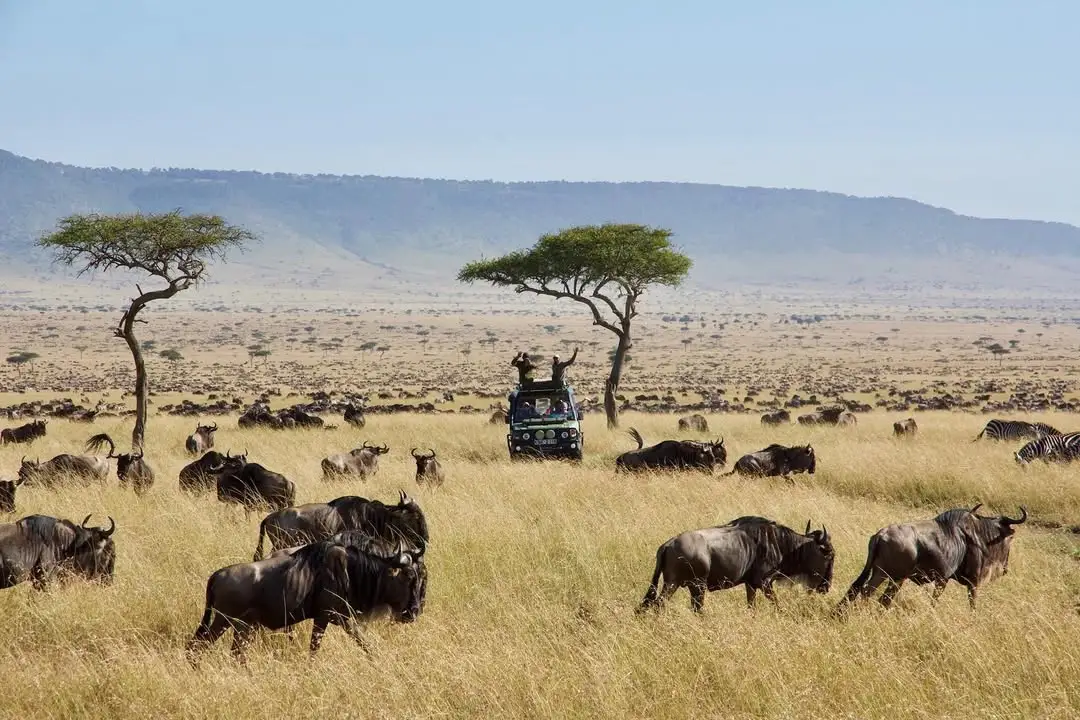
The Masai Mara National Reserve permits access to any vehicle that has paid the daily entry fee. This open-access policy includes guests from lodges inside the Reserve, conservancies, and budget camps outside the gates.
Such policies often lead to high vehicle concentrations, particularly at river crossing points during the Great Migration.
Off Road Driving Regulations and Wildlife Access
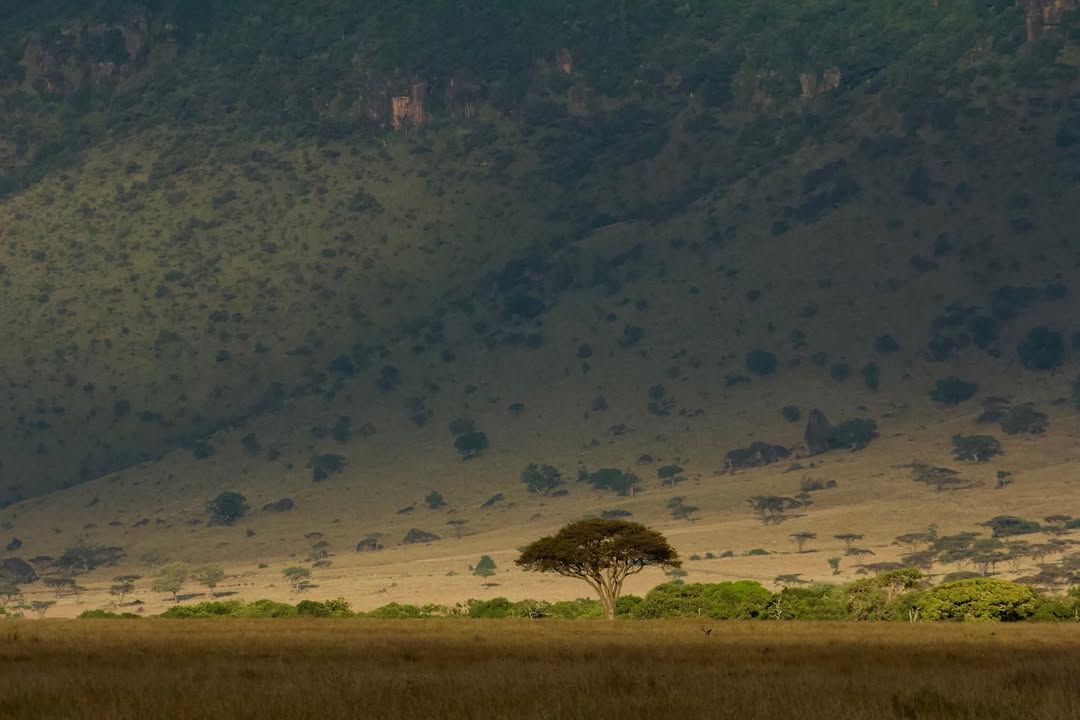
Off-road driving is permitted within conservancies to secure better wildlife views. This rule stands as a significant practical difference between the two areas.
A guide in a private conservancy has the authority to leave the designated track to approach a predator or follow a hunt. This flexibility allows for closer wildlife encounters. Inside the National Reserve, all vehicles must remain on the established road network.
This regulation protects the grasslands but forces visitors to view wildlife from a distance, dictated by the road's position.
Comparison of Safari Activities and Restrictions within a National Reserve vs. Conservancy
Private conservancies offer a wider range of activities due to their flexible management structures. The National Reserve adheres to strict national park regulations which limit activity types.
Night Game Drive Availability
Night drives are exclusive to guests staying within private conservancies. These drives provide opportunities to view nocturnal species such as aardvarks, porcupines, genets, and leopards.
The Masai Mara National Reserve closes all gates at sunset. Authorities require all vehicles to return to their lodges by this time, prohibiting any exploration of the ecosystem after dark.
Guided Bush Walks and Walking Safaris
Guided bush walks remain largely exclusive to private conservancies. An armed ranger and a Maasai guide lead these walks, offering a ground-level perspective of the ecosystem.
The focus shifts to smaller details including animal tracks, medicinal plants, and birdlife. Such activities are banned in the main vehicle-traffic areas of the National Reserve.
Vehicle Limits at Specific Wildlife Sightings
Private conservancies enforce a strict limit on vehicles at any single wildlife sighting. Most conservancies adhere to a "5 vehicle rule," allowing a maximum of five safari vehicles at a sighting at one time. Additional vehicles must wait at a distance until one departs. This managed approach prevents overcrowding.
The National Reserve has no such regulation. Popular sightings, such as a lion pride, often attract an unrestricted number of vehicles, leading to competition for viewing positions.
Community Impact and Conservation Fees

Choosing a conservancy supports the local Maasai community through a transparent economic model. Fees paid by safari camps are distributed as lease payments to the Maasai families who collectively own the land.
This financial arrangement creates a direct incentive for conservation. Revenue from the National Reserve is managed by the central government. Although the Reserve creates local employment, the conservancy model provides a more direct and recurring financial benefit to the landowners.
Summary of Key Differences between National Reserve and Conservancy in Mara, Kenya
The decision between the National Reserve and a private conservancy depends on priorities regarding crowds, flexibility, and budget.
The higher cost of a conservancy funds a more exclusive safari with strict vehicle limits. The National Reserve provides access to the iconic landscape at a lower price point but comes with more restrictions.
| Feature | Masai Mara National Reserve | Private Conservancies |
|---|---|---|
| Management | Government (Public) | Private/Community Partnership |
| Guest Access | Open to all paying visitors | Exclusive to resident guests |
| Crowd Density | High; no vehicle limits | Low; strict limits at sightings |
| Off-Road Driving | Prohibited | Permitted for sightings |
| Night Drives | Not allowed | Regularly offered |
| Guided Walks | Not allowed | Regularly offered |
| Community Benefit | Indirect government revenue | Direct land lease payments |
| Cost | Lower entry fees | Higher package rates |