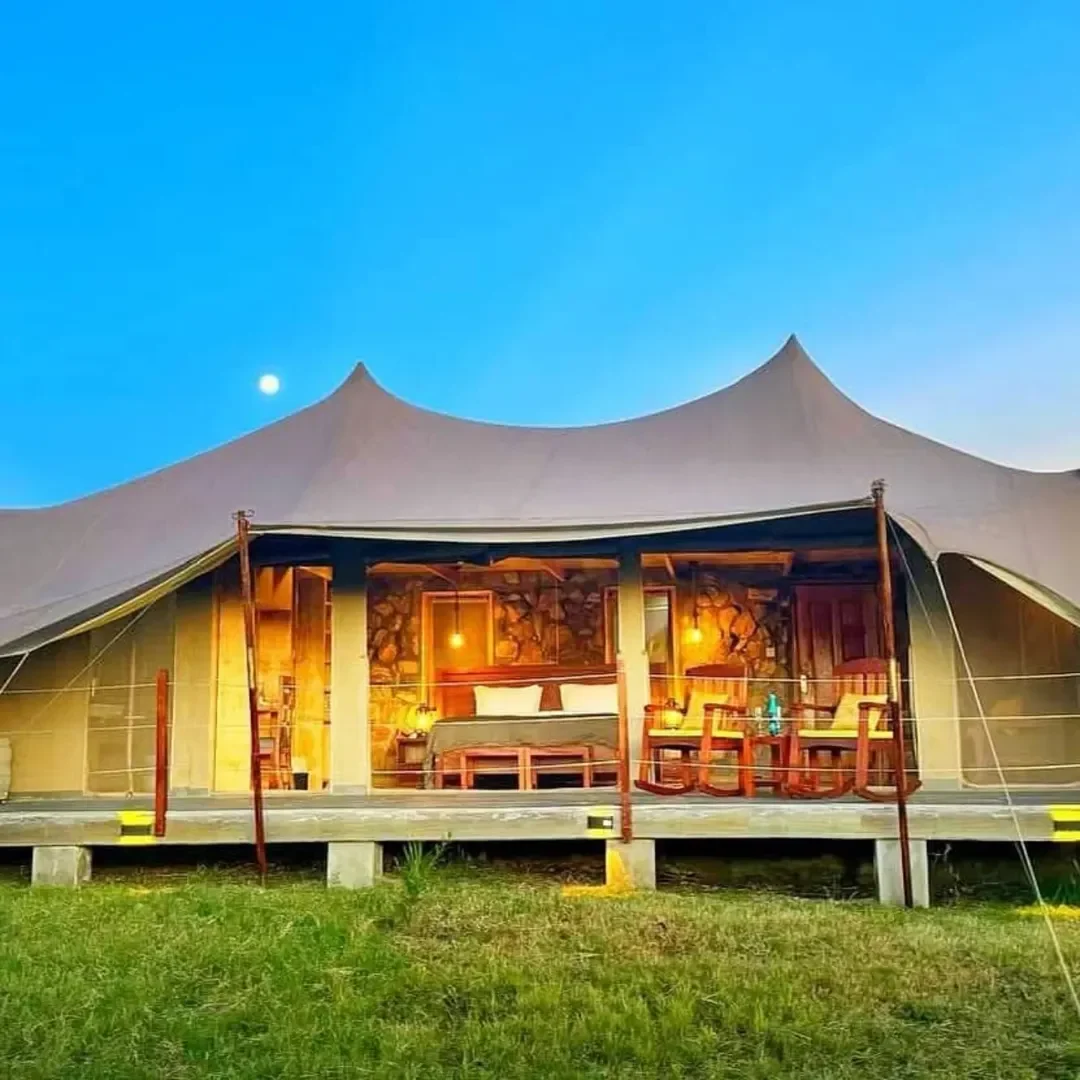
The Masai Mara National Reserve connects directly to the Serengeti ecosystem in Tanzania. It covers 1,510 square kilometers of savannah and riverine forest in southwestern Kenya. This region supports the Great Wildebeest Migration between July and October.
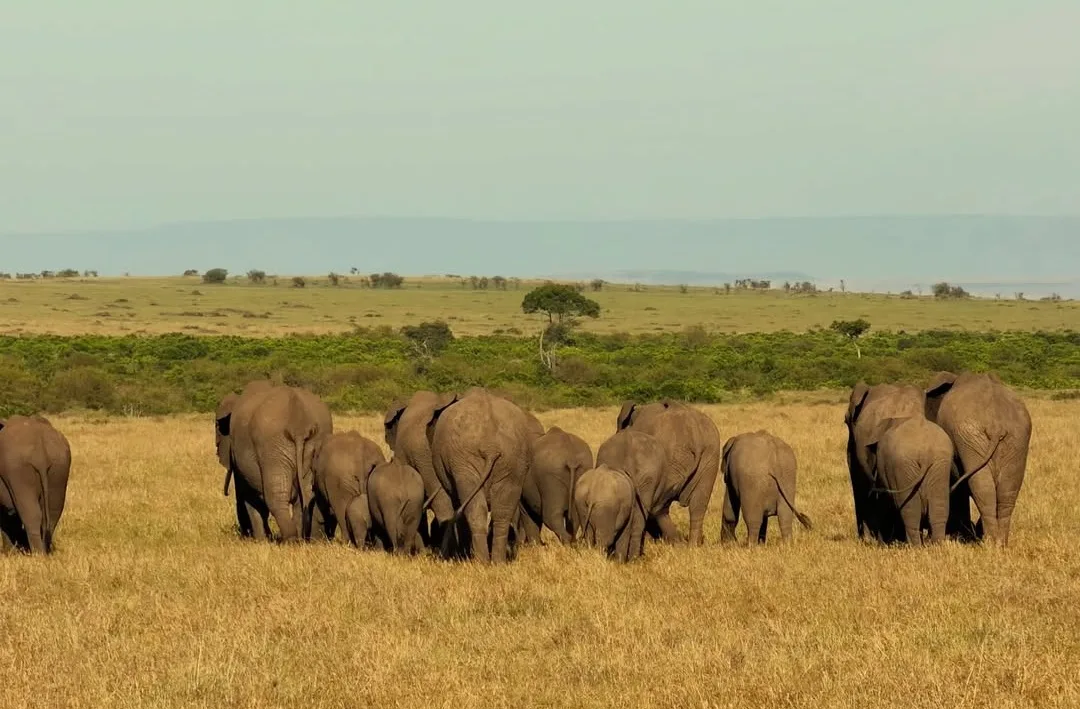
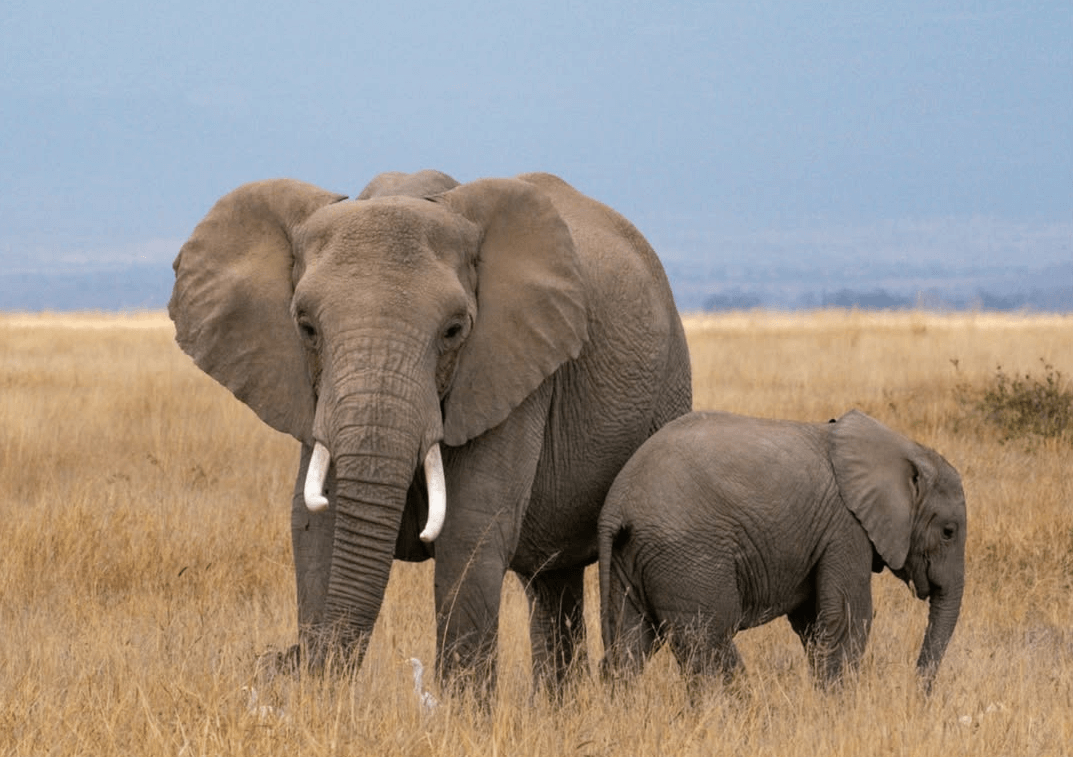
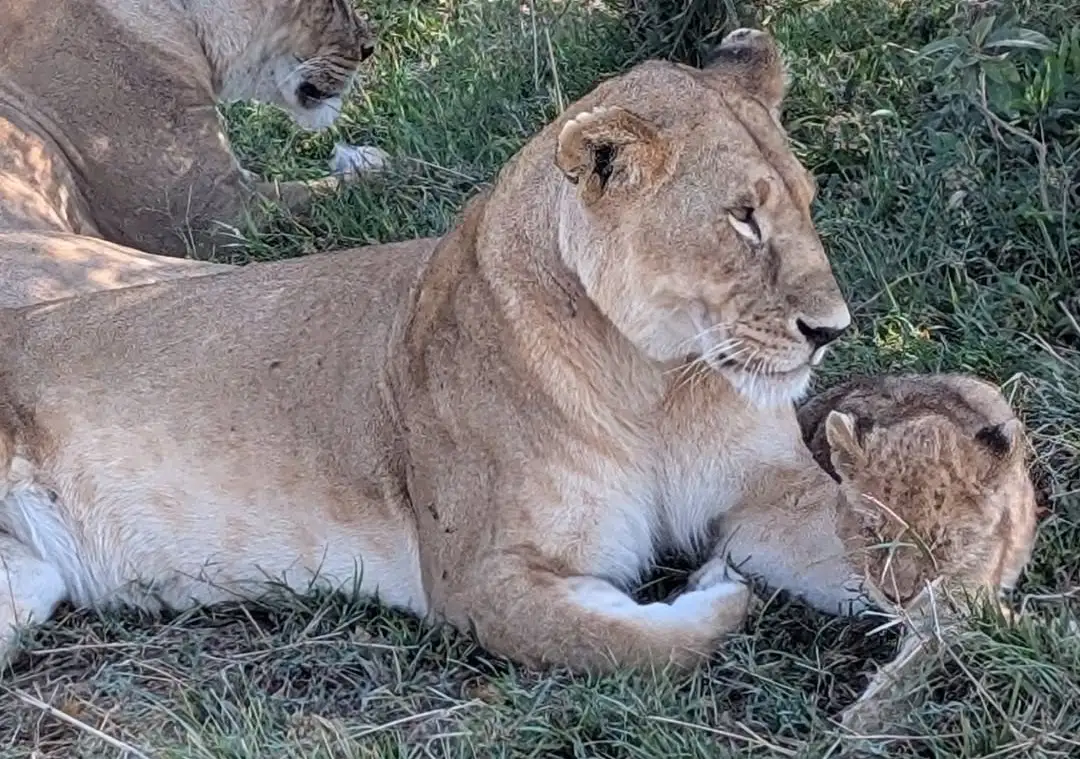
Resident wildlife populations remain high throughout the year. Visitors regularly see the "Big Five" (lion, leopard, elephant, buffalo, and rhino) along with cheetahs and hyenas. Over 450 bird species inhabit the area.
Travellers should understand the difference between the National Reserve and the Greater Mara Conservancies. The National Reserve belongs to the public and allows access to the main river crossings.
The Conservancies are private lands that border the reserve. These areas restrict vehicle numbers and permit activities like night drives and walking safaris, which the main reserve prohibits.
Overview
Name
Masai Mara National Reserve
Type
National Park
Town
Talek
County
Narok
Country
Kenya
Location of Masai Mara in Kenya
The reserve sits within the Great Rift Valley, approximately 224 kilometers (140 miles) west of Nairobi. It borders Tanzania to the south and the Oloololo Escarpment to the west.
Getting There from the UK
Most UK travelers arrive at Jomo Kenyatta International Airport (NBO) in Nairobi. Two main transport options connect Nairobi to the Mara:
By Air (Recommended)
Light aircraft flights depart from Wilson Airport (WIL) in Nairobi. This is the standard method for most safaris.
Duration: Flights take 45 to 60 minutes.
Airstrips: Planes land at specific strips like Keekorok, Ol Kiombo, or Musiara, depending on the lodge location.
Baggage Limits: Airlines strictly enforce a 15kg (33lb) limit for bags. Soft-sided luggage is required to fit in the cargo hold.
By Road
Driving reduces costs but significantly increases travel time.
Duration: The drive takes 5 to 6 hours.
Route Conditions: The highway from Nairobi to Narok Town is paved. The road from Narok to the reserve gates (Sekenani or Talek) consists of rough terrain. We use 4x4 Land Cruisers to manage these conditions.
Activities center on wildlife viewing. Access to specific activities depends on whether you stay in the National Reserve or the private Conservancies.
Game Drives
Guides lead morning and afternoon drives in 4x4 vehicles to track predators and herds. The National Reserve prohibits off-road driving to protect the grass. Private conservancies allow guides to drive off-road for major sightings.
Hot Air Balloon Safaris
Flights launch at sunrise and last approximately one hour. Guests float over the plains to view the landscape and herds from above. A bush breakfast usually follows the landing.
Walking Safaris
Armed guides and Maasai trackers lead groups on foot to examine tracks, plants, and smaller wildlife. The main National Reserve prohibits walking safaris. This activity is exclusive to the private Conservancies.
Maasai Cultural Visits
Guests can visit a traditional Maasai village (Manyatta). These tours explain local customs, housing construction, and cattle management. We arrange these visits through camp guides to ensure the interactions benefit the community.
Best Time to Visit Masai Mara from the UK
The reserve stays open year-round. Travelers should select dates based on migration movements, crowd tolerance, or budget.
The Great Wildebeest Migration (July – October)
Huge herds of wildebeest and zebra arrive from the Serengeti to find fresh grass. River crossings at the Mara River typically happen in August and September. Lodges charge peak rates during these months, and booking early is necessary.
The Green Season (November – March)
Rains turn the landscape green. Many antelopes give birth in January and February, which attracts predators. Visibility remains clear, making this a strong option for photography and winter sun.
The Long Rains (April – May)
Rain makes some dirt roads difficult to navigate. Grass grows tall, which can obscure smaller animals. Lodges lower their rates during this low season, and vehicle traffic drops significantly.
Comparison of Masai Mara vs. Serengeti
UK travelers often compare Kenya's Masai Mara with Tanzania's Serengeti. Both protect the same ecosystem, but logistical differences exist.
Feature
Masai Mara (Kenya)
Serengeti (Tanzania)
Size
Smaller (1,510 sq km). Wildlife density is high and easier to reach.
Massive (14,750 sq km). Animals spread out over vast distances.
Accessibility
Simple access from Nairobi (5-hour drive or 45-min flight).
Requires a long drive from Arusha or an expensive internal flight.
Cost
Lower transport and park fees reduce overall costs.
Higher costs due to distances and concession fees.
Migration Timing
July to October (Dry Season).
November to July (Herds spend most of the year here).
Choosing your Stay Between National Reserve vs. Conservancies
Accommodation in the Masai Mara falls into two distinct categories: lodges located inside the main National Reserve and camps situated in the private neighboring Conservancies.
This decision dictates your daily schedule, crowd levels, and viewing opportunities.
National Reserve Accommodation
Lodges within the reserve boundaries sit centrally, often near the Mara and Talek rivers. This location significantly reduces travel time to the main migration crossing points during the peak season.
Pros: Immediate access to the main river crossings; often lower rates than private conservancies.
Cons: High vehicle density means you will share major sightings (like lions or crossings) with many other vehicles. Park rules strictly prohibit night drives and walking safaris.
Conservancy Accommodation
Private conservancies such as Mara North, Naboisho, and Olare Motorogi border the main reserve. These areas lease land from Maasai landowners and restrict access strictly to guests staying at camps within their boundaries.
Pros: Very low vehicle density ensures private sightings. Guides can drive off-road to track predators. Activities include night game drives and guided bush walks, which offer a different perspective of the ecosystem.
Cons: Prices are generally higher to cover conservation fees. You must drive into the main reserve if you wish to see a river crossing, which can take 45 to 60 minutes.
Practical Information for UK Travellers
British citizens must meet specific logistical and health requirements before travelling to Kenya. We assist with itinerary documents, but the final application lies with the traveller.
Entry Requirements (eTA)
Kenya replaced the traditional visa with the Electronic Travel Authorisation (eTA). British passport holders do not need a visa but must have an approved eTA before boarding their flight.
You apply online through the official Kenyan government portal. Processing typically takes up to 72 hours. We recommend applying at least two weeks before departure. The system requires your flight itinerary and hotel confirmation, which we provide upon booking.
Health and Malaria
The Masai Mara lies within a malaria zone. Most UK travel clinics prescribe Malarone or Doxycycline as prophylaxis. Consult your GP at least 8 weeks before travel.
Tsetse flies inhabit the wooded areas of the reserve (not the open plains). They are attracted to dark blue and black clothing. We recommend wearing neutral colours like khaki, beige, or green to avoid attracting them.
A Yellow Fever certificate is generally not required for entry from the UK unless you transit through a high-risk country for more than 12 hours.
Currency and Spending
The official currency is the Kenyan Shilling (KES). However, the safari industry operates primarily in US Dollars (USD).
Cash: Bring USD notes printed after 2013. Older notes are not accepted by local banks or lodges due to counterfeiting concerns.
Tipping: Tipping is customary but voluntary. Most camps provide a communal tip box at reception for general staff. You typically tip your driver-guide directly at the end of the safari.
Cards: Major lodges accept Visa and Mastercard for bar bills and souvenirs. We recommend carrying some cash for small purchases in local markets where card machines are unavailable.
Comparison: Masai Mara vs. Kruger National Park
South Africa's Kruger National Park is the other primary option for UK travellers planning their first African safari. While both offer Big Five viewing, the experience differs significantly in terms of landscape, accessibility, and management style.
Feature
Masai Mara (Kenya)
Kruger National Park (South Africa)
Landscape & Visibility
Open savannah plains. High visibility makes spotting predators easier, even from a distance.
Dense bushveld and scrub. Wildlife is harder to spot and often requires tracking by experienced guides.
Safari Style
Guided 4x4 safaris are standard. Roads can be rough and confusing for visitors.
Self-drive friendly. Many roads are tarred, and signage is clear for independent travellers.
Fencing
Unfenced ecosystem. Animals migrate freely between the Mara and Serengeti.
Fenced boundaries. The park is a managed environment, though vast.
Malaria Risk
Moderate to High risk. Prophylaxis is standard.
Low to Moderate risk (Southern Kruger). Malaria-free options exist elsewhere in SA (e.g., Madikwe).
A Typical Day on Safari in the Mara
Safari schedules revolve around animal activity. Predators are most active during the cool hours of dawn and dusk, while they rest during the midday heat. A standard itinerary follows this pattern:
05:30 – Wake Up
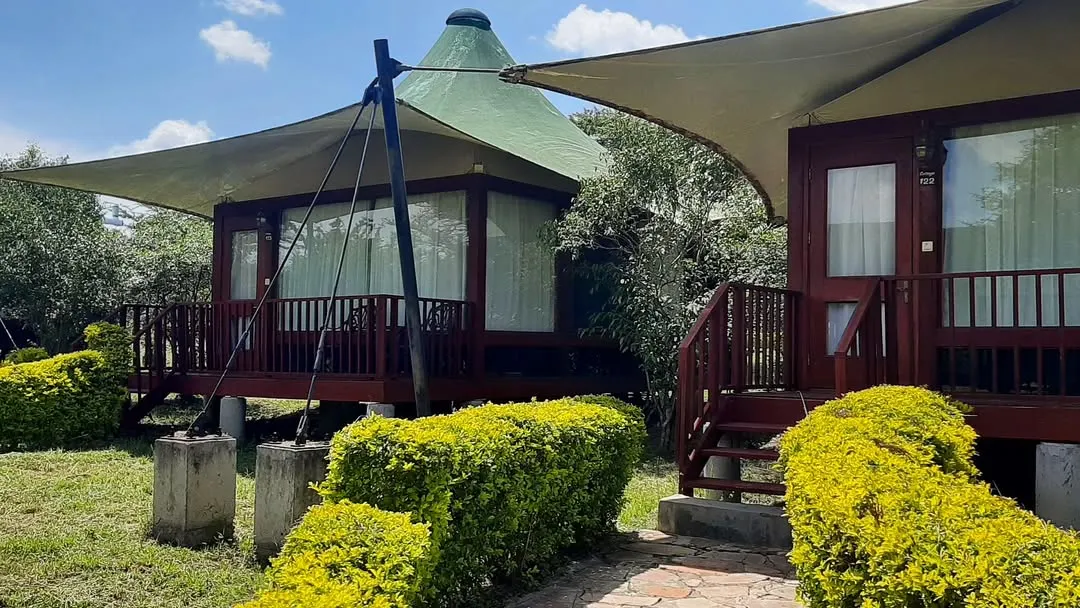
Camps provide a wake-up call, often accompanied by coffee or tea brought to your tent. It is cold at this hour, so warm layers are necessary.
06:30 – Morning Game Drive
Vehicles depart just as the sun rises. This is the prime time to see big cats hunting or returning from a night patrol. The lighting is also optimal for photography.
09:30 – Breakfast
You either return to the lodge for a full breakfast or the guide sets up a "bush breakfast" out on the plains, allowing you to stay out longer.
13:00 – Lunch and Siesta
During the heat of the day (12:00 to 15:00), animals hide in the shade. Guests return to the camp for lunch and downtime. Many travellers use this time to review photos, sleep, or use the camp swimming pool.
16:00 – Afternoon Game Drive
As temperatures drop, animals become active again. The afternoon drive focuses on different areas or specific sightings reported by other guides.
18:30 – Sundowners and Return
Safaris often conclude with "sundowners"—drinks served at a scenic viewpoint while watching the sunset. You return to camp before dark (unless staying in a Conservancy that permits night drives).
Essential Packing List for UK Travellers When Visiting Masai Mara
Packing for the Masai Mara requires balancing strict weight limits (15kg for flights) with variable weather conditions.
Clothing
Layers: Mornings are surprisingly cold (10°C - 15°C). Bring a fleece or light down jacket. By midday, temperatures rise to 25°C - 30°C.
Colours: Stick to khaki, beige, and greens. Avoid bright whites (which get dirty immediately) and dark blues/blacks (which attract tsetse flies).
Footwear: Comfortable trainers or walking shoes are sufficient for game drives. Heavy hiking boots are only necessary if you plan on walking safaris.
Electronics and Gadgets
UK Plugs (Type G): Kenya uses the standard British 3-pin rectangular plug (Type G) operating at 240V. You generally do not need an adapter for your UK devices.
Binoculars: Do not rely solely on the guide's binoculars. We recommend a pair of 8x42 or 10x42 binoculars for every two people in your group.
Dust Protection: The Mara is dusty. Bring a scarf or "buff" to cover your nose and mouth. Keep cameras in dust-proof bags when not in use.
For optimal game viewing in Masai Mara, the dry seasons of January to February and July to September are highly recommended. During these periods, vegetation is sparse, and wildlife gathers around diminishing water sources, making sightings easier and more predictable.