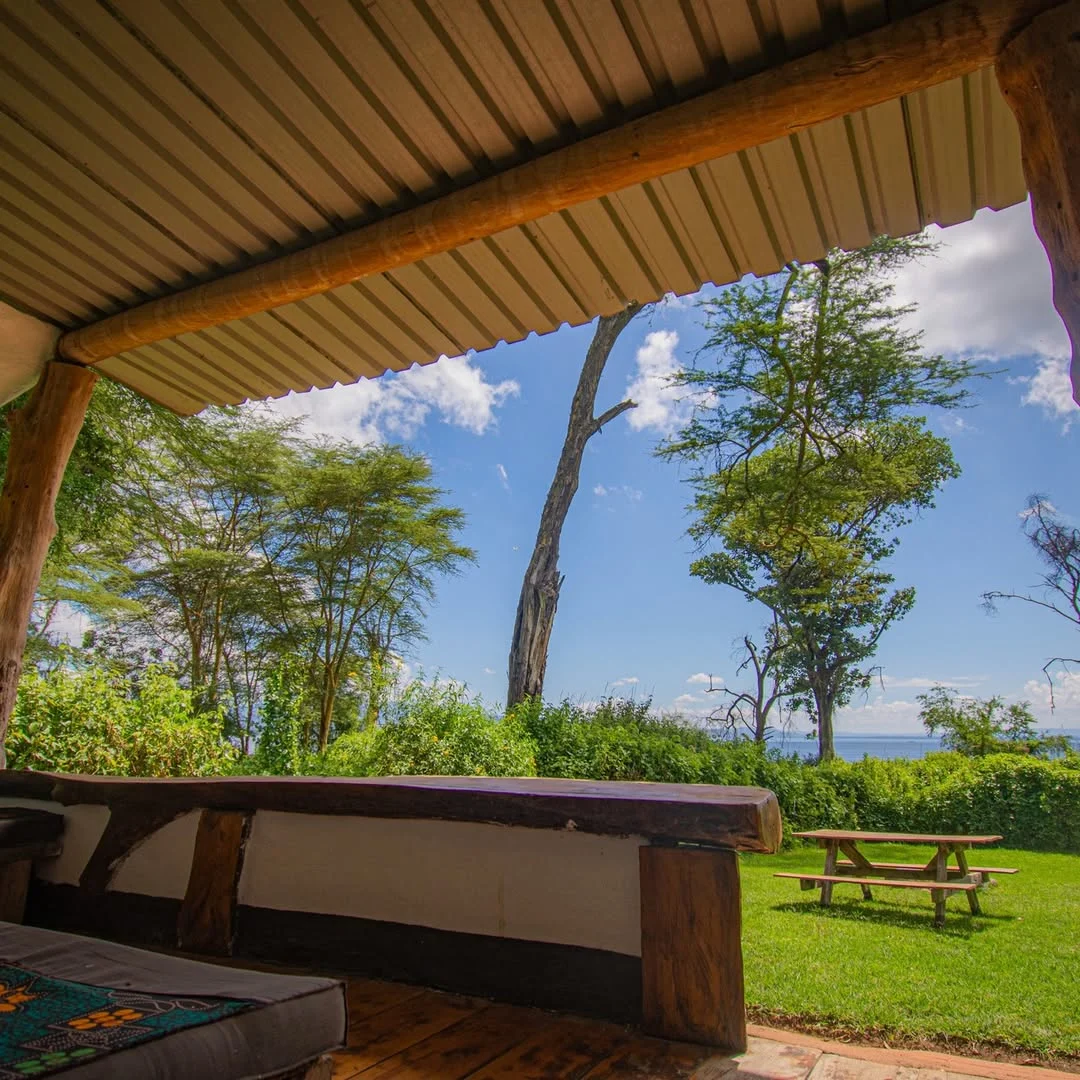


Camp Carnelley's occupies a prime position on the southern shoreline of Lake Naivasha, a critical freshwater ecosystem within Kenya's Great Rift Valley. The location offers guests immediate access to the water's edge and provides a convenient base for visiting the geothermally active Hell's Gate National Park, renowned for its significant birdlife.
Access and Location Logistics for Camp Carnelley's
Camp Carnelley's is situated off Moi South Lake Road, the main arterial route servicing the southern shore of Lake Naivasha. Travellers from Nairobi, approximately 90 kilometres away, can reach the camp in around two hours. The most common route involves a public service vehicle (matatu) to Naivasha town, followed by a local taxi or motorcycle taxi (boda-boda) for the final 19-kilometre journey to the camp's entrance. The final approach uses a graded murram road that can become challenging during heavy rains.
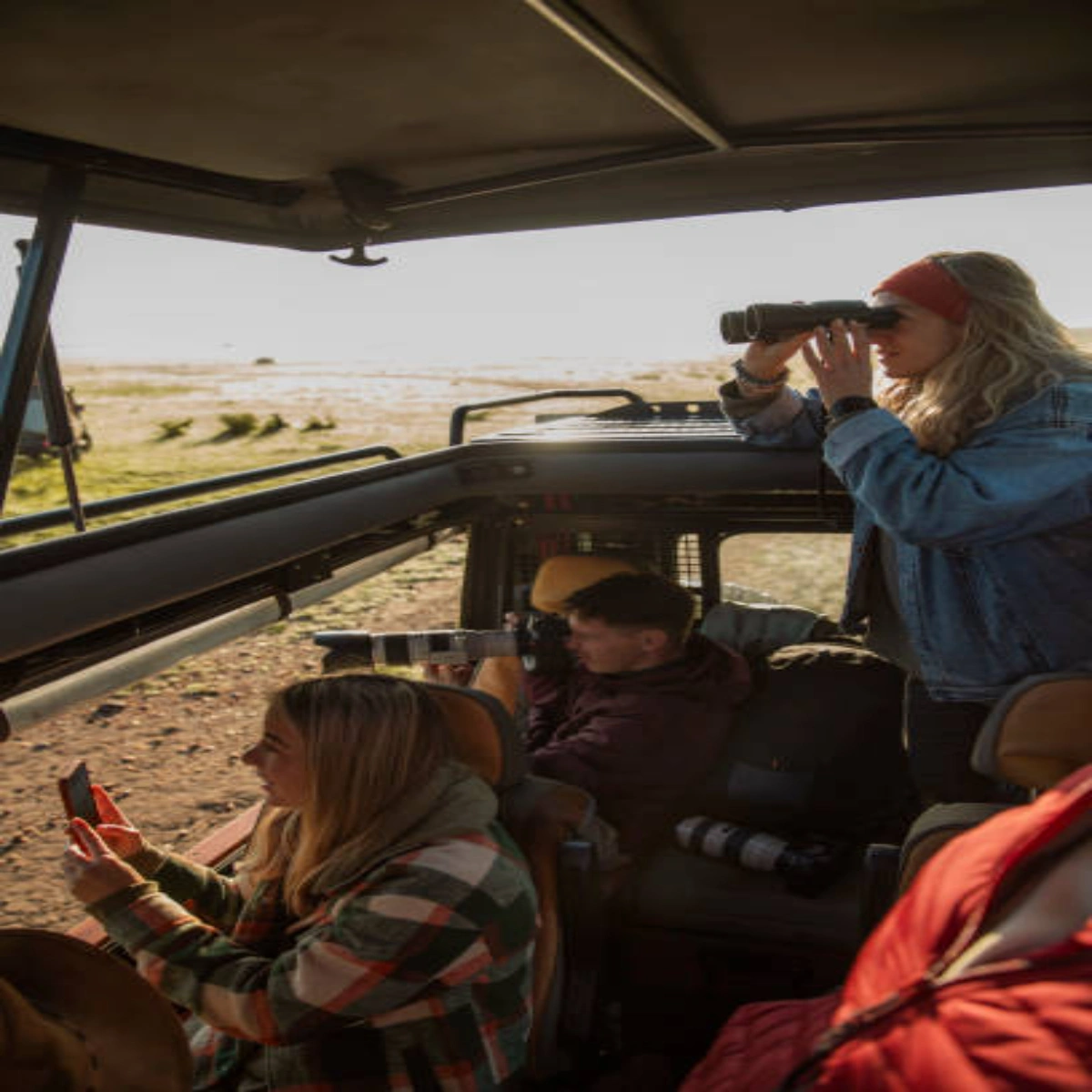
The camp's location is a primary logistical advantage for accessing Hell's Gate National Park, with the Elsa Gate being a short drive away. The camp administration can assist in organising local taxi services for park excursions. Guests with their own high-clearance vehicles will find navigation most efficient. Transport for boat safaris is arranged directly from the camp's lakefront.
Guest Tents Bandas and Cottages at Camp Carnelley's
Camp Carnelley's offers three primary types of accommodation, unified by a rustic and functional aesthetic that prioritises practicality over luxury. The options are designed to cater to a spectrum of travellers, from self-sufficient campers and overlanders to small groups or families seeking a self-contained unit. All lodging reflects the camp's close-to-nature ethos.
Pitch Your Own Tent or Hire On Site
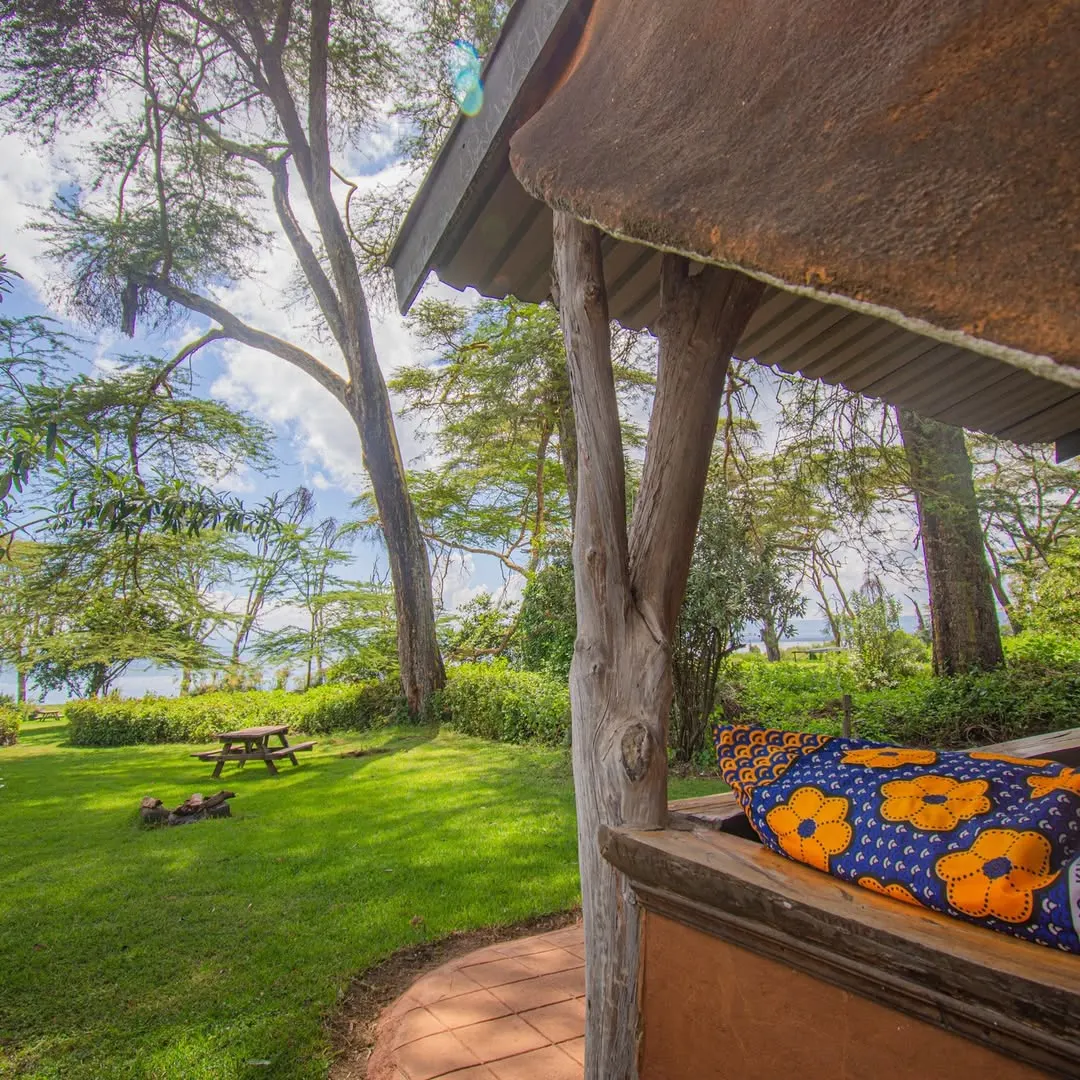
The main campsite occupies a large, grassy expanse under a canopy of mature yellow fever acacia trees. Campers can pitch their own tents or hire equipment on site. The ground is level but can become saturated after prolonged rainfall. Ablution blocks are communal and constructed of basic stone and timber. Hot water is supplied by solar heaters, which leads to variable temperature and pressure. A key feature for budget travellers is the communal camp kitchen, which provides basic facilities for self-catering.
- Gas hobs
- Washing-up sinks
- Basic cookware for hire
- Secure food storage lockers
Stone and Canvas Bandas
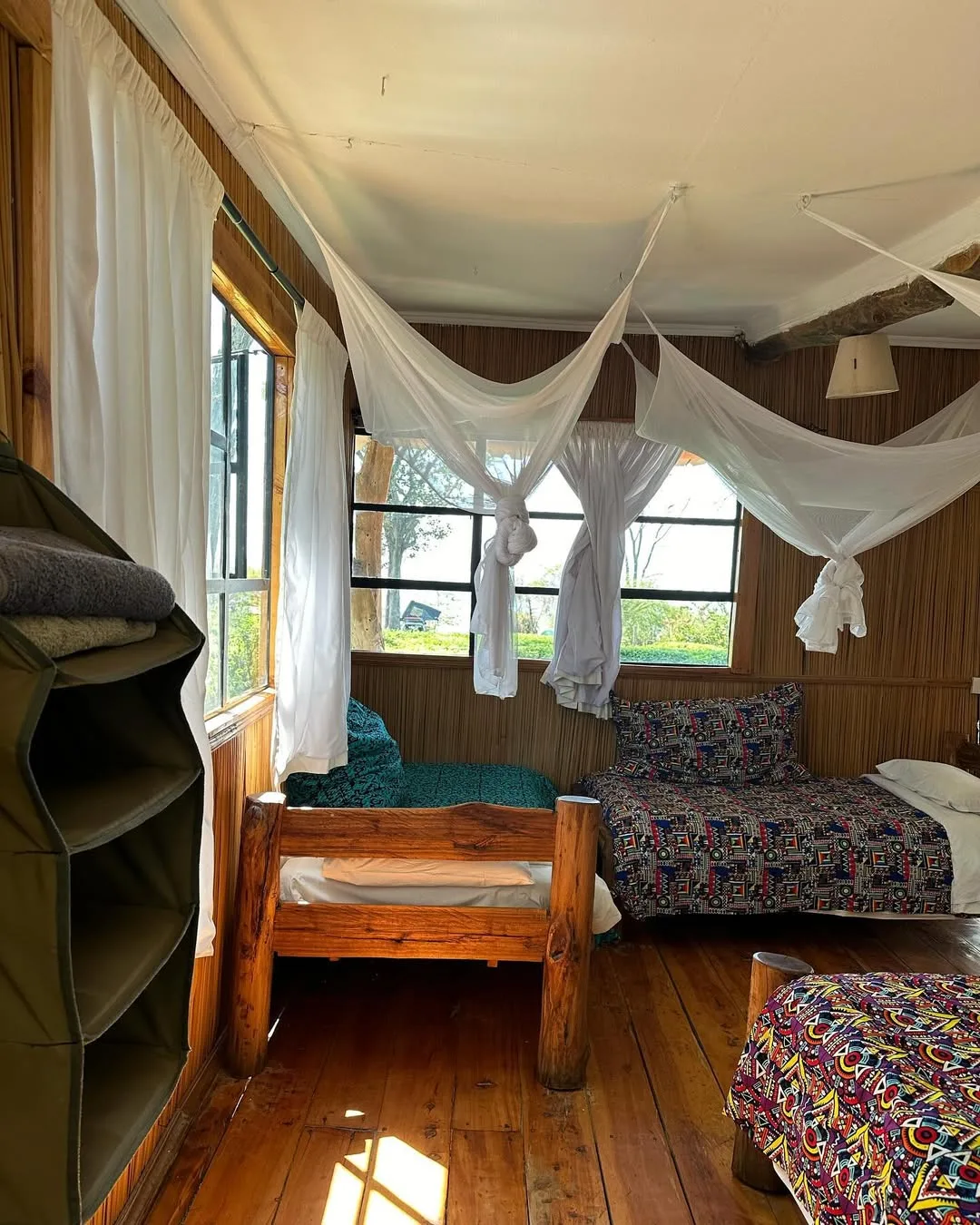
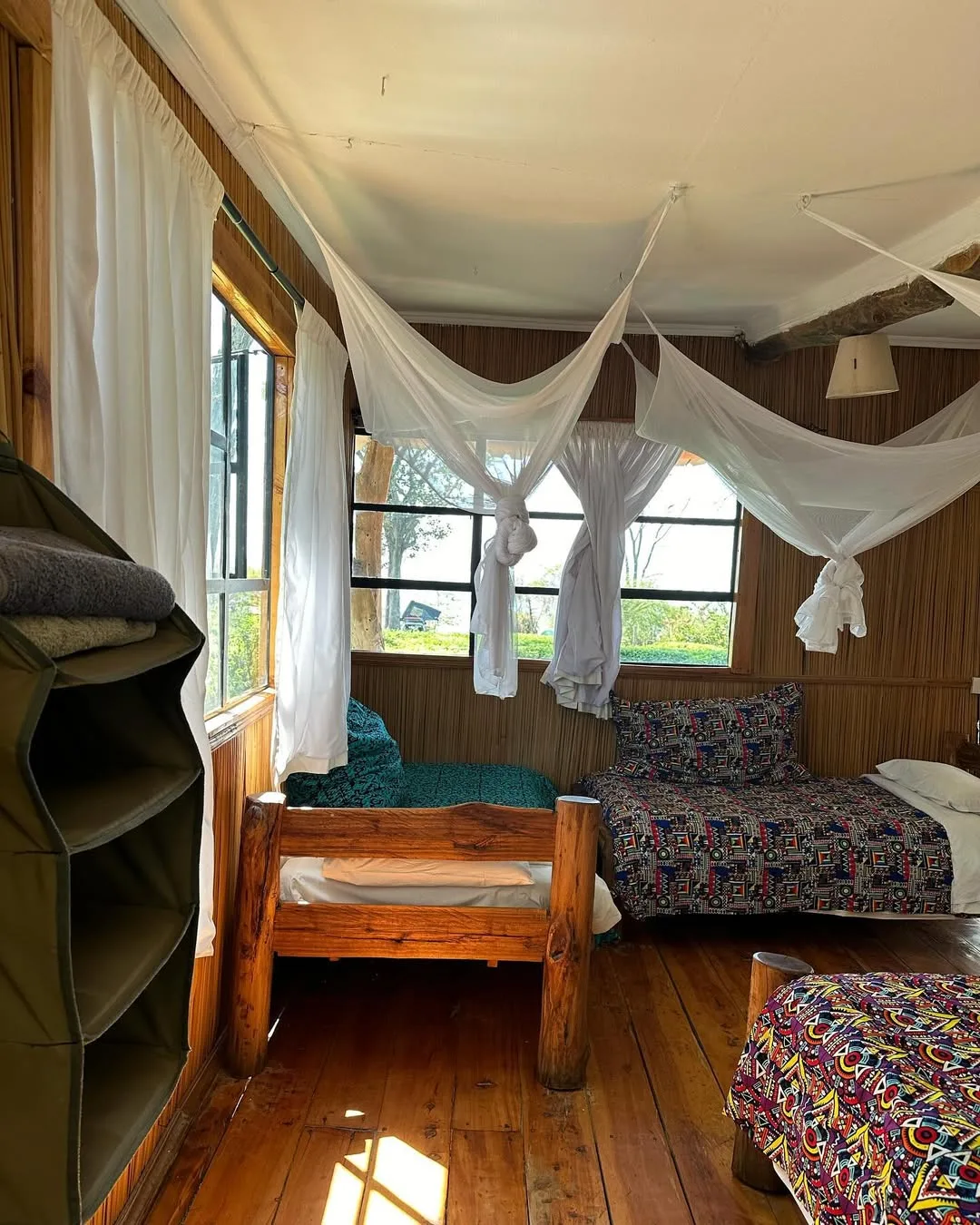
The bandas are simple, circular rooms constructed with stone bases and canvas or thatch roofs, offering a more permanent structure than a tent. Each unit features basic beds with provided linen and an en-suite bathroom comprising a toilet, basin, and a shower. These units offer a functional upgrade from camping, providing privacy and security without significant additional expense.
Self Contained Family Cottages
The largest accommodation units are the self-contained cottages, suitable for families or small groups. These are constructed from timber and stone and feature multiple bedrooms, a private bathroom, a functional kitchenette, and a small lounge area. The cottages provide the highest level of autonomy within the camp, allowing for complete self-catering and more private living arrangements.
Lazybones Restaurant and Camp Utilities
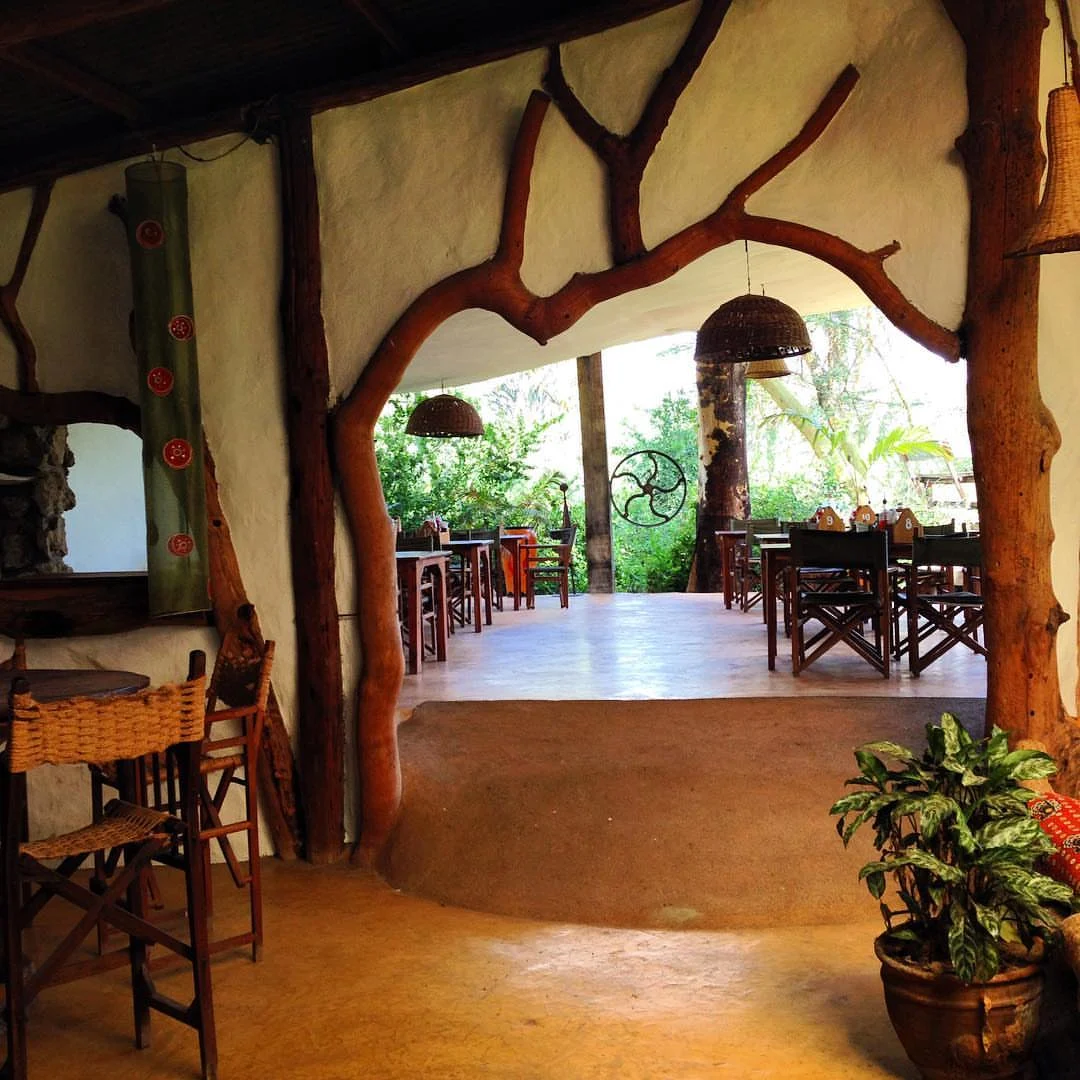
The central hub of the camp is the 'Lazybones' bar and restaurant, a large, open-sided structure constructed from timber and thatch. This area serves as the primary social space, restaurant, and reception. The menu is straightforward, focusing on international fare such as wood-fired pizzas, burgers, and classic Kenyan dishes. The atmosphere is consistently informal.
Power infrastructure is a hybrid of mains electricity and a solar backup system. Supply can be intermittent, particularly in the evenings or during periods of high occupancy. Guests should anticipate potential power outages and limited supply at night. Wi-Fi connectivity is available but is restricted exclusively to the immediate vicinity of the main bar and restaurant area and is not accessible from the accommodation areas.
Navigating Wildlife Risks and Security at Camp Carnelley's
The camp's perimeter is partially fenced along the road-facing and side boundaries. Crucially, the entire lakefront boundary remains unfenced to allow resident wildlife access to the water. This design has direct implications for guest safety.
After dusk, hippopotami regularly exit Lake Naivasha to graze on the camp's lawns, often passing in close proximity to bandas and tents. Hippos are highly territorial and unpredictable, and this activity presents a significant risk to guests. Movement around the camp on foot is strictly prohibited after dark. The camp employs night watchmen (askaris) who must be summoned to escort guests between their accommodation and the central restaurant area. This mandatory safety protocol must be adhered to without exception.
| Feature | Detail |
|---|---|
| Power Supply | Solar/Mains Hybrid (Intermittent) |
| Wi-Fi | Main Bar/Restaurant Area Only |
| Water Source | Borehole (Non-potable) |
| Security | Partially Fenced, Night Askari Escorts |
| Payment Methods | Cash (KES/USD), M-Pesa |
Who Should Stay at Camp Carnelley's
Camp Carnelley's is best suited for independent, budget-conscious travellers, overlanders, and backpackers seeking a functional base for visiting the Naivasha region's attractions. The camp's extensive camping and self-catering facilities, combined with its direct, unfenced lakefront, define its character. The property is not recommended for guests seeking high levels of comfort, uninterrupted power, or a resort environment isolated from potentially hazardous wildlife. The requirement for escorted movement at night is a non-negotiable logistical factor for all visitors.