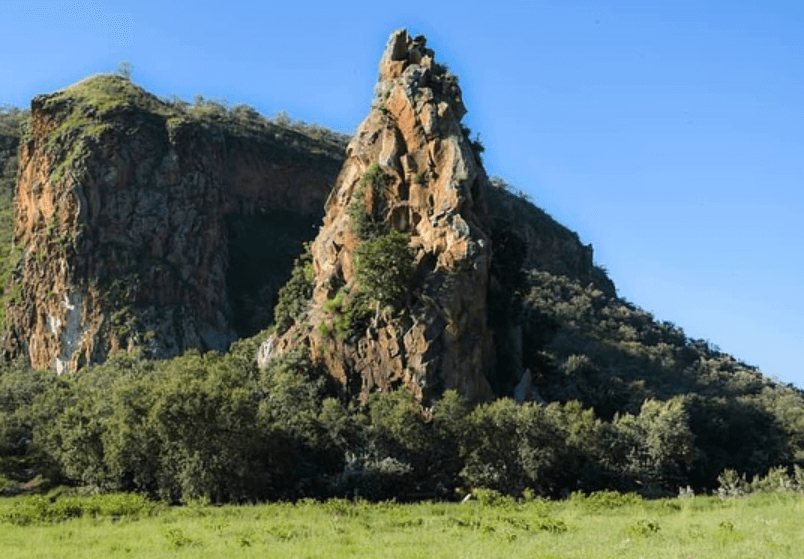
Hell's Gate National Park is a National Park in the Great Rift Valley, Nakuru County, Kenya. The park is famed for its dramatic scenery.
Hells Gate NP offers a unique experience where visitors can enjoy walking or cycling safaris amidst towering cliffs, water-gouged gorges like the Ol Njorowa Gorge, and distinctive rock formations such as Fischer's Tower and the Central Tower.
Overview
Name
Hell's Gate National Park
Type
National Park
Town
Naivasha
County
Nakuru
Country
Kenya
Key Facts about Hell's Gate
Attribute Category
Specific Detail
Location Coordinates
Approximately 0.893° S, 36.315° E
Governance/Management
Kenya Wildlife Service (KWS)
Total Area
68.25 square kilometres
Entry Fees
Managed by KWS. Fees vary for citizens, residents, and non-residents. Check the official KWS website for current tariffs.
Primary Attraction
Spectacular scenery including gorges and cliffs, geothermal activity, rock climbing, walking and cycling safaris.
Best Time to Visit
During the dry seasons: June to October and January to February.
Unlike the predator-dense plains of the Masai Mara, Hell's Gate National Park offers a distinct ecological niche, safe for non-motorised transit. The park serves primarily as a sanctuary for large herbivores and cliff-dwelling raptors. The absence of a large resident lion population permits walking and cycling safaris, a rare feature in Kenyan conservation areas.
The park supports significant populations of ungulates that thrive in the Great Rift Valley's scrubland. Visitors encounter:
Maasai Giraffe (Giraffa camelopardalis tippelskirchi): Distinguished by jagged, leaf-like spots extending to the hooves.
Coke's Hartebeest (Kongoni): Frequently sighted grazing near the main circuit tracks.
African Buffalo (Syncerus caffer): Solitary bulls and breeding herds are common. Caution is required as these animals remain dangerous despite walking being permitted within the park.
Chandler's Mountain Reedbuck: Often observed navigating the rocky scree slopes near Fischer's Tower.
Klipspringer: Small antelopes adapted to the basalt cliffs, identified by their tip-toe stance.
The ornithological profile of Hell's Gate is a Critical Bird Area (CBA). The high vertical cliffs provide nesting grounds for over 100 bird species. Rare sightings include the Lammergeier (Bearded Vulture), which drops bones from heights to access marrow, and the Verreaux's Eagle, which preys on the park's rock hyrax population.
Geothermal Activity and Geological Formations
Hell's Gate illustrates active continental rifting. The landscape features volcanic plugs and ongoing geothermal activity, which distinguishes it from the sedimentary basins of other parks. The area lies within the Olkaria Volcanic Complex.
Prominent geological features include:
Fischer's Tower: A volcanic plug composed of semi-columnar rhyolite, standing approximately 25 metres high near the Elsa Gate. It was formed by semi-molten rock forced into a vent, which then cooled and solidified before the surrounding softer rock eroded away.
The Central Tower: A larger volcanic plug located further south, often serving as a nesting site for raptors.
Ol Njorowa Gorge: A 24-kilometre ravine lined with water-eroded sandstone and basalt. This feature includes hot water springs that feed small streams running through the gorge floor.
Obsidian Caves: Formations rich in black volcanic glass, resulting from the rapid cooling of silica-rich lava.
The presence of the Olkaria Geothermal Power Station within the greater ecosystem highlights the region's high subsurface temperatures. Visitors frequently encounter natural steam vents and sulphur springs emerging directly from fissures in the ground.
Hiking and Rock Climbing Opportunities at Hells Gate N.P
Hell's Gate is the primary destination in East Africa for technical rock climbing within a wildlife reserve. The climbing differs significantly from the granite faces of Mount Kenya. It offers distinct challenges on volcanic rock.
Fischer's Tower serves as the focal point for technical ascents. Local guides provide ropes and belaying services for the standard routes, which range from Grade IV to Grade VI (UIAA scale). The rock texture is abrasive rhyolite, requiring durable footwear.
Hiking trails focus on two main areas:
The Gorge Walk: A descent into the Ol Njorowa Gorge. This route traverses slippery rock faces and passes "The Devil's Bedroom" (a cavernous section of the gorge). Note: Access is strictly regulated and frequently suspended during the rainy season due to lethal flash flood risks.
Buffalo Circuit: A 14-kilometre loop offering elevation gains that provide vantage points over the Rift Valley floor and Lake Naivasha.
Cycling and Horseback Riding Adventures at the National Park
The topography of Hell's Gate, with its flat valley floors flanked by sheer cliffs, creates an ideal environment for cycling safaris. This activity addresses a specific need in the Kenyan tourism market, where vehicle-based safaris are standard.
Rental facilities are situated at the Elsa Gate junction. The standard equipment consists of hardtail mountain bikes designed for the gravel and dust tracks. The route covers approximately 7 to 10 kilometres from the main gate to the Gorge entrance (Ranger's Post).
Cycling Experience: Riders share the track with Eland, Zebra, and Warthogs. The lack of engine noise allows for closer proximity to wildlife without triggering flight responses.
Horseback Riding: Operated largely by private concessions on the park's periphery (such as the Sanctuary Farm), these excursions allow access to rougher terrain inaccessible to bicycles.
Wildlife Viewing and Photography Tips
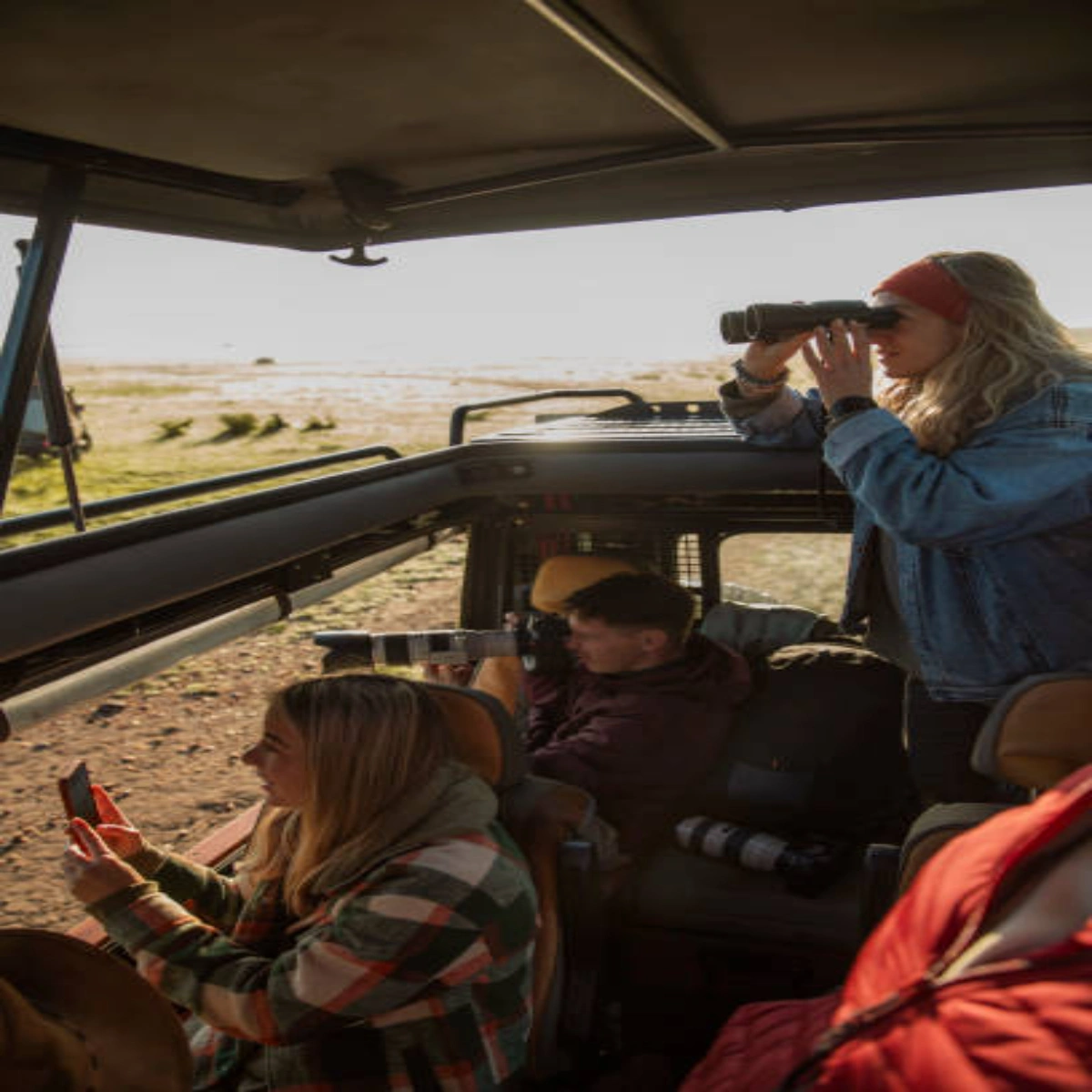
Photography in Hell's Gate requires a different technical approach compared to vehicle-based safaris. The ability to shoot from ground level, rather than from a roof hatch, alters the perspective and background compression.
Lens Selection: While a 400mm telephoto is standard for wildlife, the landscape here demands a wide-angle lens (16-35mm) to capture the scale of the basalt cliffs alongside the wildlife.
Timing: The "Golden Hour" (06:30–07:30) is important for illuminating the red hues of the cliffs. Midday sun creates harsh shadows in the gorge, making exposure difficult.
Subject Isolation: Use the dark basalt walls as a background for lighter subjects like the Zebra or the Tawny Eagle to create high-contrast images.
Safety: Maintain a distance of at least 30 metres from Buffalo and Giraffe. Although they are habituated to cyclists, they remain wild animals with unpredictable defensive mechanisms.
Cultural Significance and Historical Context of Hell's Gate
The landscape of Hell's Gate is significant in both local Maasai narratives and global pop culture. The name stems from 19th-century explorers, Fisher and Thomson, who described a narrow break in the cliffs that once fed a prehistoric lake.
Maasai Heritage: The Enashipai cultural centre and local communities use the land for grazing during drought periods. The red ochre soils found here are historically significant for Maasai ceremonial use.
Cinematic History: The park provided the visual inspiration for the "Pride Rock" landscapes in Disney's original The Lion King (1994). The Ol Njorowa Gorge also served as a filming location for Lara Croft: Tomb Raider – The Cradle of Life, specifically the "Shadow Guardians" sequence.
Hell's Gate National Park Entry Fees and Costs
Planning your budget is an important first step. Park fees are managed by the Kenya Wildlife Service (KWS) and are structured based on your residency status and age. These fees are subject to change, so always check the official KWS tariff sheet before your visit.
The pricing is valid for a 24-hour period. Payments at the gate are typically cashless, so be prepared with M-Pesa, a credit card, or a debit card.
Park Entry Fees (per person)
Visitor Category
Adult Fee
Child/Student Fee*
Non-Residents (International)
USD $26
USD $17
East African Residents**
KES 860
KES 215
Kenyan Citizens
KES 300
KES 215
*Child rates apply to persons aged 3 to 17. Students must present a valid student ID. **Residents of Kenya, Uganda, Tanzania, Rwanda, Burundi, and South Sudan. Proof of residency is required.
Additional Costs to Consider
Vehicle Entry Fee: A separate fee is charged for vehicles entering the park, depending on the size (e.g., less than 6 seats, 6-12 seats).
Activity Fees: Activities such as cycling, rock climbing, and using the Olkaria Geothermal Spa will have separate charges. Bicycle hire is available outside the main gate.
Guide Fees: Hiring a local guide is highly recommended for navigating the gorges and for rock climbing, though it is not mandatory for all areas. This represents an additional, direct cost.
Getting to Hell's Gate
Hell's Gate National Park is one of Kenya's most accessible parks, located approximately 90 kilometres (about 56 miles) northwest of Nairobi. The journey itself offers spectacular views as you descend into the Great Rift Valley.
By Road (Self-Drive or Taxi)
This is the most common and flexible way to reach the park.
Route: From Nairobi, take the A104 Highway towards Naivasha. The drive is straightforward and the road is tarmacked and in good condition for most of the way.
Journey Time: The drive takes between 2 to 3 hours, depending on traffic conditions when leaving Nairobi.
Directions: Follow the A104 past the scenic viewpoints of the Great Rift Valley. After descending into the valley, you will see a well-signposted turn-off for Lake Naivasha South Lake Road. Hell's Gate main gate (Elsa Gate) is located along this road.
By Public Transport
For the more budget-conscious or adventurous traveller, using Kenya's public transport system is a viable option.
Nairobi to Naivasha: Take a matatu (public minibus) from one of the central Nairobi stages (e.g., near River Road). These are frequent and affordable.
Naivasha Town to Park Gate: From Naivasha town, you will need to hire a local taxi or a boda-boda (motorcycle taxi) for the final 20-kilometre journey to the park's Elsa Gate.
Other Transport Options
By Rail: The SGR (Standard Gauge Railway) train runs from Nairobi to a station near Naivasha (Mai Mahiu). From this station, a pre-arranged taxi is still required for the onward journey to the park.
By Air: Charter flights or scheduled services from airlines like Safarilink can fly into the Loldia airstrip near Lake Naivasha, followed by a vehicle transfer, suitable for luxury itineraries.
Accommodation Options when Visiting Hell's Gate
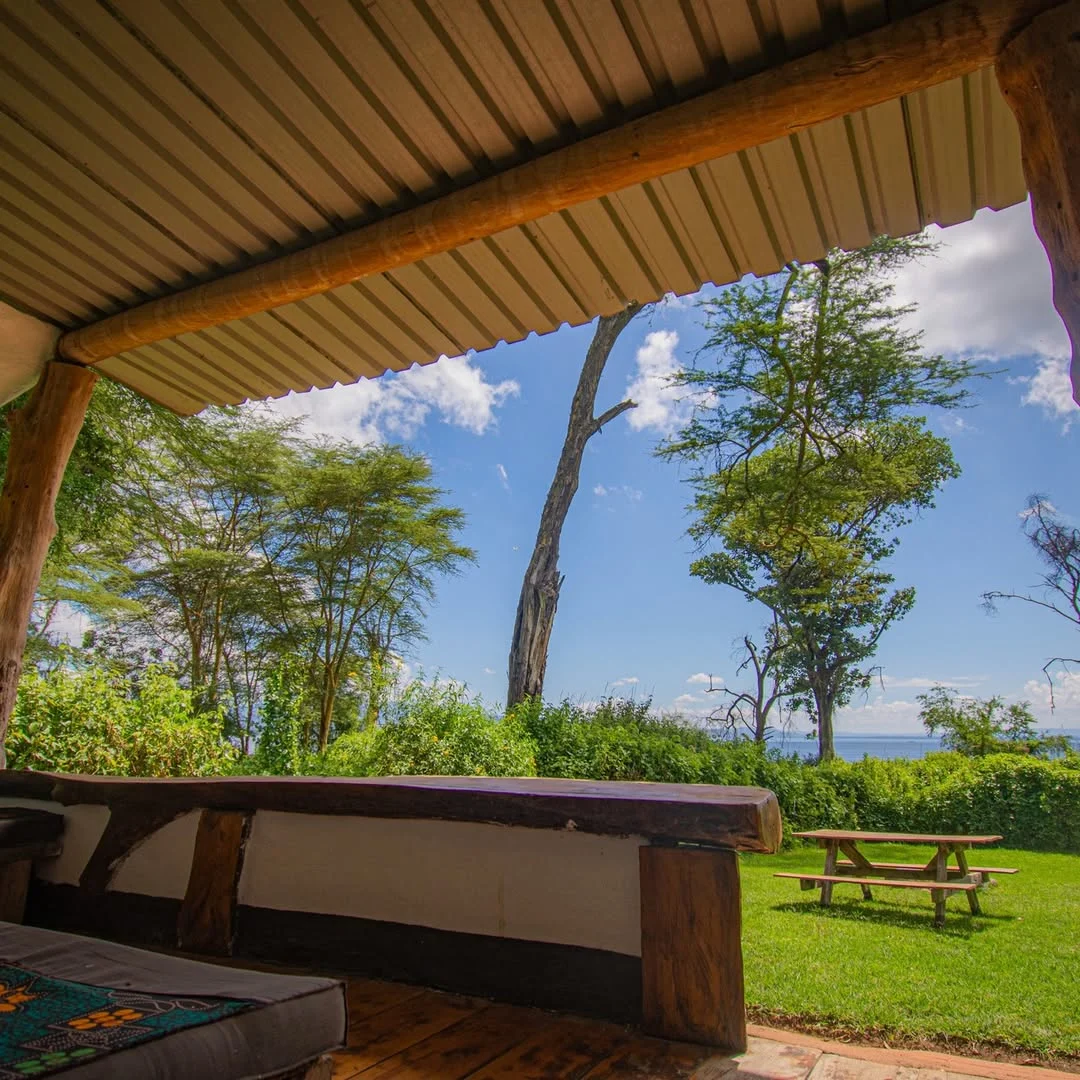
Your choice of accommodation will shape your experience. Options range from basic camping under the stars inside the park to luxurious lodges on the shores of Lake Naivasha.
Staying Inside the Park: Camping
For an immersive wilderness experience, camping inside Hell's Gate offers a unique opportunity. This option is ideal for adventurers and those on a strict budget.
Campsites: KWS operates several public campsites within the park, including Ol Dubai and Naiburta.
Facilities: These are basic "bush" campsites. Expect minimal facilities – typically just a long-drop toilet and perhaps a water source. You must be entirely self-sufficient, bringing your own tent, sleeping gear, food, and cooking equipment.
The Experience: Campers will experience incredible stargazing, the sounds of nocturnal wildlife, and the unique atmosphere of being within the landscape. Booking is done via KWS.
Staying Near the Park: Naivasha Area
The town of Naivasha and the area around the lake offer a wide spectrum of accommodation, all within a short 20 to 40-minute drive of the park gate.
Luxury Lodges & Tented Camps: Situated along the shores of Lake Naivasha, these establishments offer premium comfort, fine dining, swimming pools, and often include guided activities such as boat safaris and bird watching. They provide a relaxing base after a day of hiking or cycling.
Mid-Range Hotels & Guesthouses: Found in Naivasha town and along the Moi South Lake Road, these options provide comfortable rooms, restaurants, and reliable amenities at a more accessible price point. They suit families and couples seeking a balance of comfort and value.
Budget & Backpacker Hostels: Concentrated in and around Naivasha town, numerous budget guesthouses and backpacker hostels offer simple, clean, and affordable lodging. They are a social hub for travellers and a great base for exploring the wider region on a budget.
For optimal adventure in Hell's Gate National Park, including cycling, gorge walks, and rock climbing, the long dry season from June to October is ideal, offering cooler, pleasant temperatures (averaging 17-18°C) and minimal rainfall for clear paths and safe gorge access.