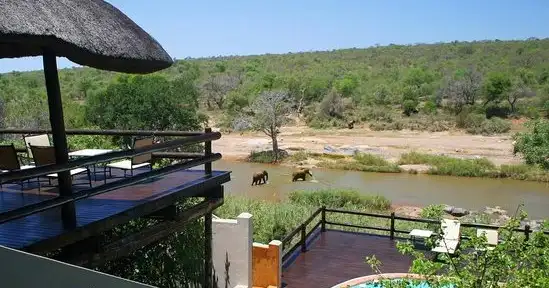
Amboseli National Park’s arid plains transition into expansive marshlands, an ecosystem designated as a UNESCO Man and the Biosphere Reserve which supports Africa's largest free-ranging elephant populations. Nyati Safari Camp sits inside the park boundaries, providing a functional base with direct access to game drive circuits and clear, weather-dependent views of Mount Kilimanjaro.
Location of Nyati Safari Camp within Amboseli
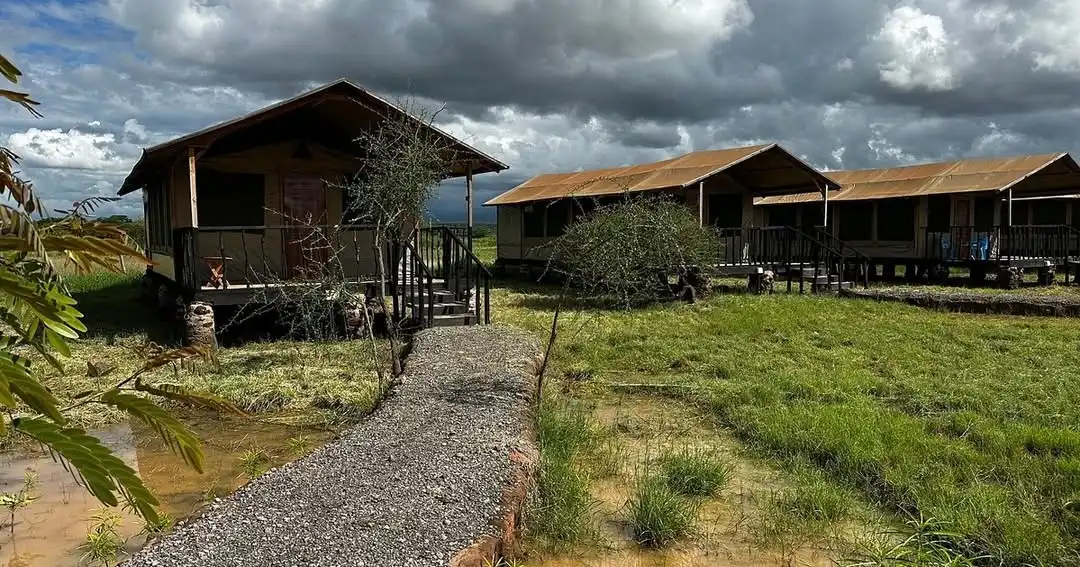
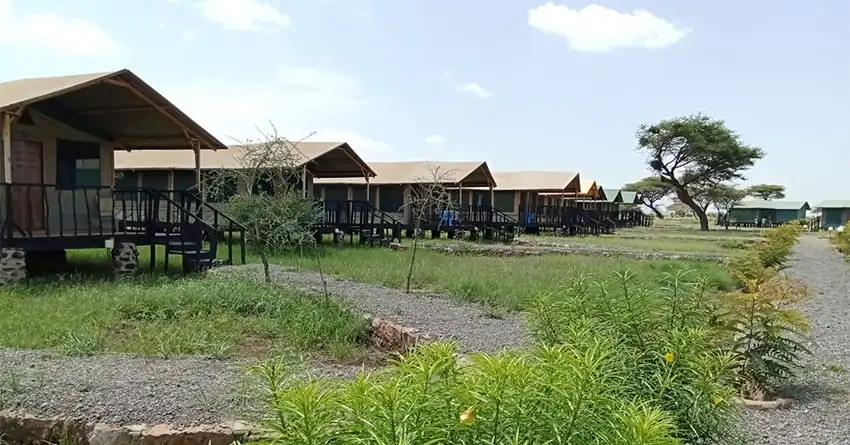
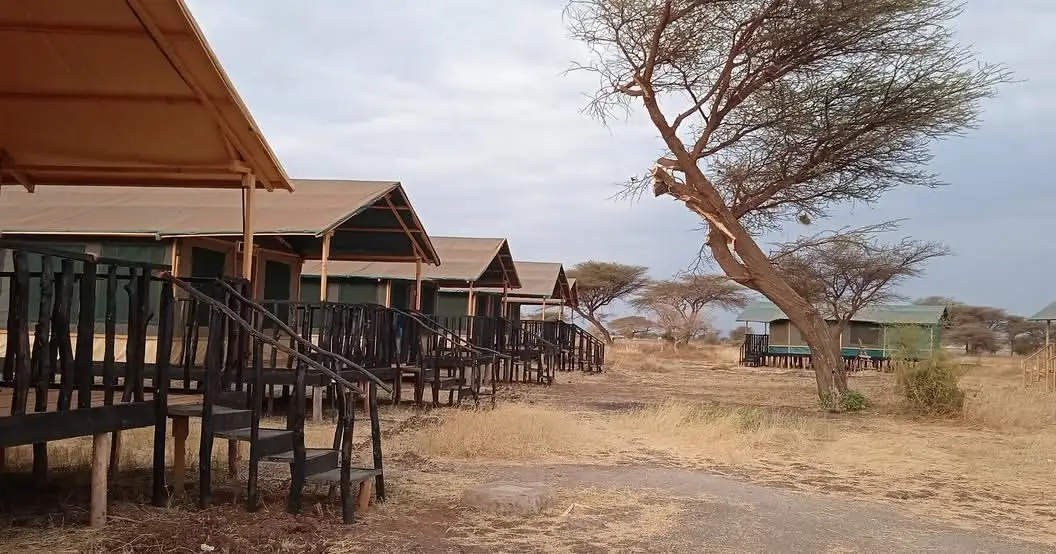
The camp’s location inside the national park minimises travel time to prime wildlife viewing areas. Situated approximately 240 kilometres south-east of Nairobi, access typically involves a four to five-hour road transfer. The camp occupies a flat plot dotted with acacia trees. Nyati Safari Camp is entirely unfenced. Wildlife, including elephants and hyenas, moves freely through the grounds. The unfenced environment creates an immersive bush experience, and for safety, camp staff must escort guests to and from their tents after sundown.
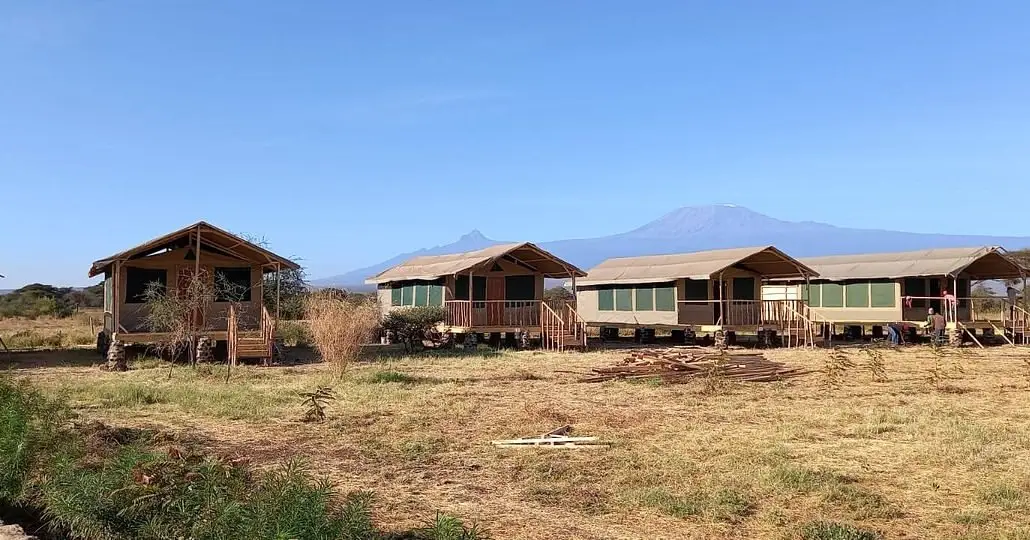
Accommodation Tents at Nyati Safari Camp
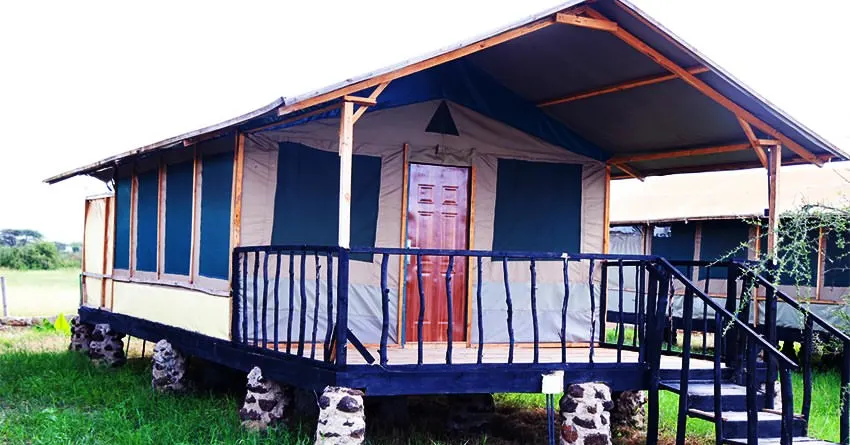
The camp's intimate scale, with fewer than 20 tents in total, ensures a personal atmosphere. The accommodation consists of permanent canvas tents built upon solid concrete bases. Each tent features a small, covered verandah furnished with camp chairs, offering a private space to observe the surroundings. The canvas walls allow the sounds of the Amboseli ecosystem, from nocturnal animal calls to early morning birdsong, to become a constant feature of the stay.
Tent Interiors and In-Room Amenities
Inside, each tent is functional, equipped with the essential comforts required for a safari. Zipped mesh panels on the windows and main door provide the primary defence against insects, allowing for good ventilation while keeping the tent sealed. Furnishings are simple and prioritise utility over elaborate design. The tents are not air-conditioned, relying on natural airflow through the mesh panels for cooling.
- Double or twin beds protected by mosquito netting
- A small writing desk and chair
- A dedicated luggage rack
- Bedside tables with solar-powered lanterns
- Electrical charging points (active during generator hours)
En-Suite Bathroom Facilities
A partitioned area at the back of the tent serves as the en-suite bathroom. This space includes a standard flush toilet, a washbasin with cold running water, and a separate shower cubicle. A solar heating system, supplemented by the generator, provides hot water for the shower, ensuring it is generally available during the scheduled power hours each morning and evening.
Communal Facilities and Power at Nyati Safari Camp
The shared spaces at Nyati Safari Camp are designed to be practical and social, focusing on the core safari experience of dining and relaxing between game drives. All power and connectivity are managed centrally from this main area.
Dining and Lounge Centre
A large, open-sided canvas marquee serves as the central guest area, containing both the dining room and a small lounge. The flooring is simple poured concrete, and the furniture consists of functional wooden tables and chairs. Meals are served in this communal hub, which is also the only location in camp with Wi-Fi access.
Electricity and Connectivity
Nyati Safari Camp operates on a timed generator. Electricity is usually available from approximately 05:00 to 10:00 and again from 18:00 to 22:00. These times are scheduled to coincide with guest routines, facilitating the charging of cameras, phones, and other electronics before and after game drives. Guests should confirm the exact generator schedule upon arrival, as timings can vary.
Nyati Safari Camp at a Glance
| Attribute | Specification |
|---|---|
| Entity Class | Permanent Tented Camp |
| Security | Unfenced Property |
| Power Supply | Timed Generator |
| Wi-Fi | Communal Area Only |
| Key View | Mount Kilimanjaro |
Who Should Stay at Nyati Safari Camp
With its unfenced perimeter, timed power supply, and simple amenities, Nyati Safari Camp appeals to the budget-conscious and adventurous traveller. The camp's primary appeal is its authentic and direct access to the Amboseli ecosystem and its prolific elephant herds. It serves as a practical base for visitors who prioritise wildlife encounters above in-camp luxury and constant connectivity.