.webp)
.webp)
.webp)
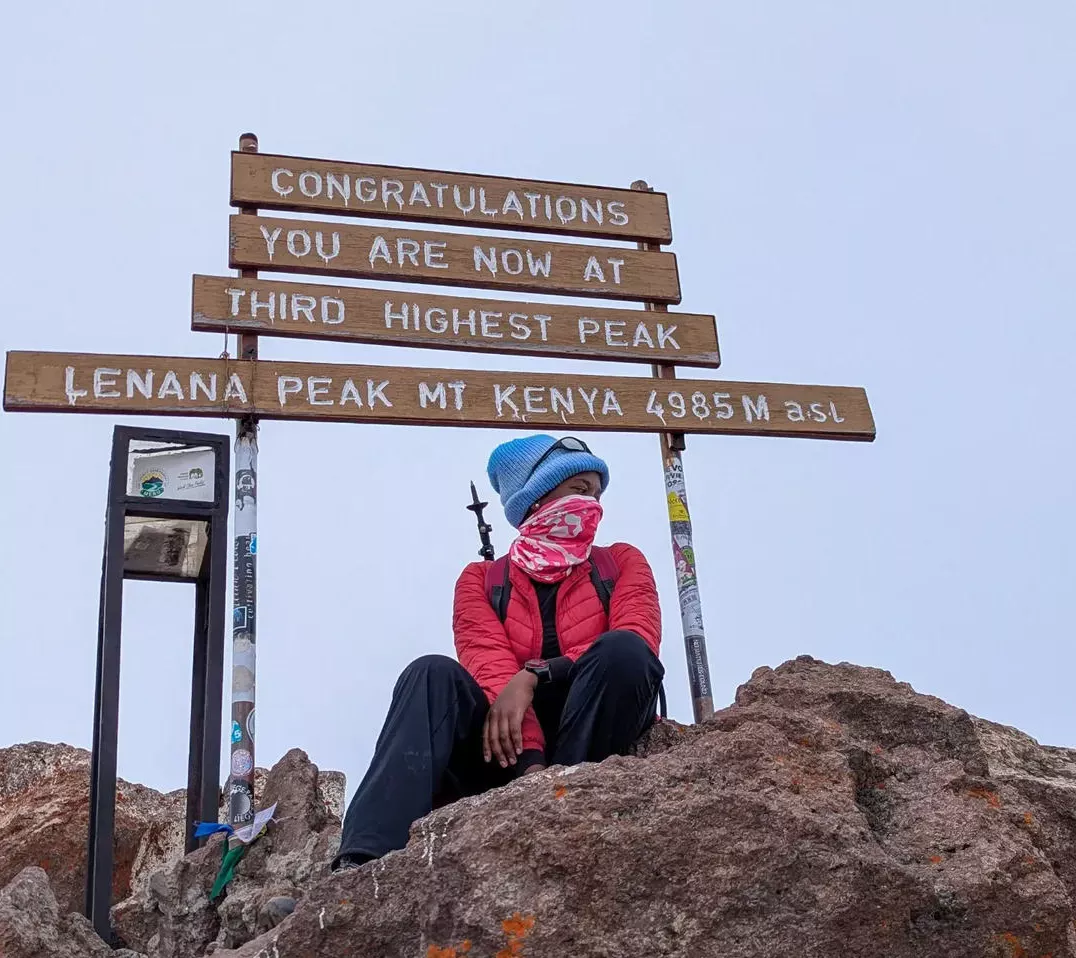
Mount Kenya National Park protects a diverse, high-altitude Afro-alpine environment, a designated UNESCO World Heritage site.
Met Station Camp sits at a crucial elevation of 3,050 metres within the park, serving as the primary first-night acclimatisation base for climbers on the popular Sirimon Route. The camp's purpose is to help mountaineers adjust to the altitude safely before proceeding higher towards Point Lenana.
Strategic Location of Met Station Camp on the Sirimon Route
The camp occupies a logistical position marking the transition from the dense montane forest to the distinctive heathland zone. Most visitors arrive from the town of Nanyuki, driving approximately one hour to the Sirimon Gate.
From the gate, a 9-kilometre park vehicle track leads directly to the camp, from which trekking groups begin their ascent on foot the following morning. Arrival at the camp brings a noticeable change in air temperature, reduced oxygen levels, and the distinct scent of cedar and high-altitude flora.
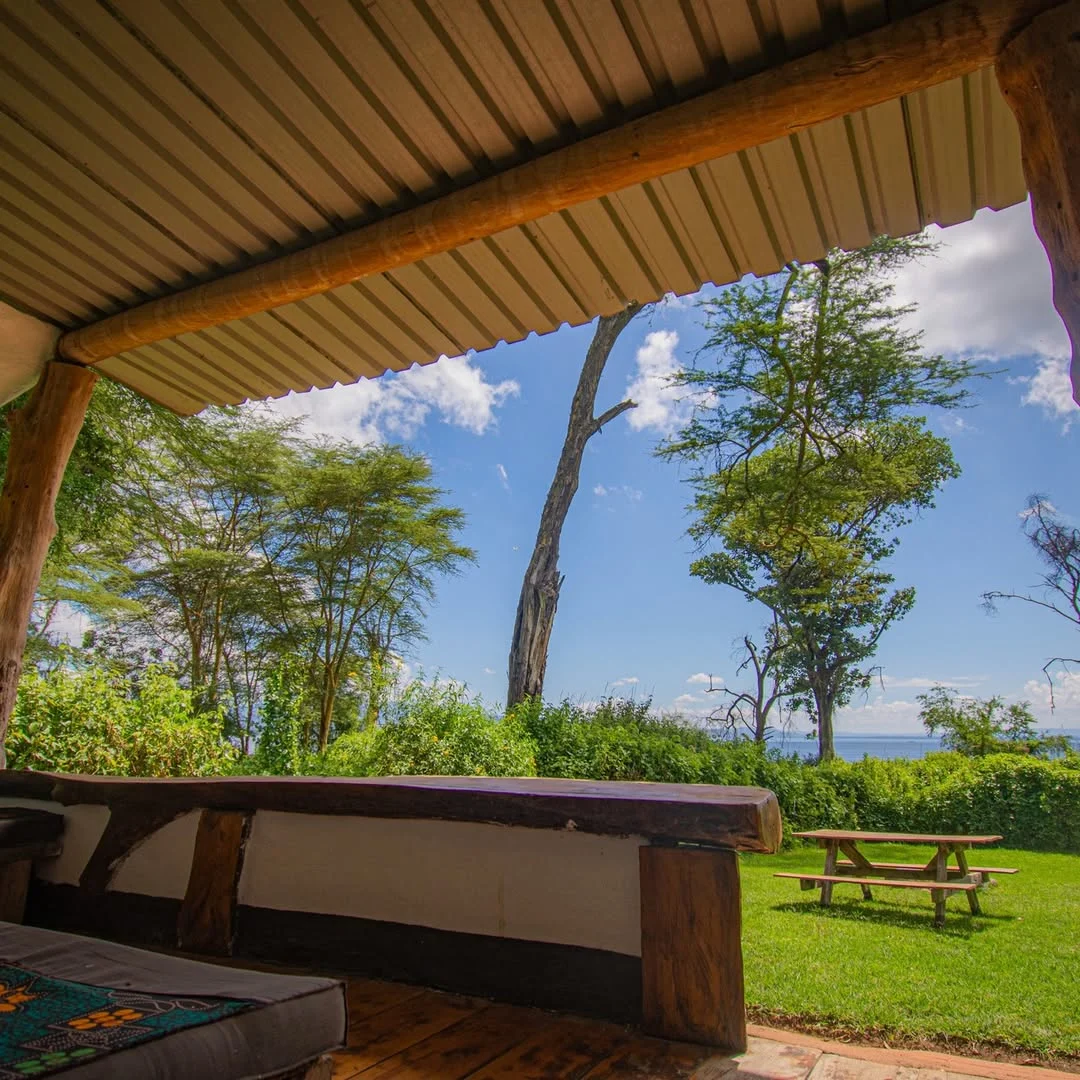
The camp provides direct, panoramic views across the Teleki Valley towards the mountain's distant peaks, acting as a visual and physiological staging point for the trek ahead.
Accommodation and Facilities at Met Station Camp
The infrastructure at Met Station Camp is functional, oriented entirely towards the needs of high-altitude trekking. Practicality and safety take precedence over comfort in this exposed mountain environment.
The camp is a collection of essential structures, including several bunkhouses, a communal dining hall, and separate ablution blocks, all designed to provide basic shelter and support for climbers.
Wooden Bunkhouse Shelters
Accommodation consists of a series of timber bunkhouses, not tents. These structures provide essential shelter from the elements, which can include heavy rain, strong winds, and sub-zero night-time temperatures. The interior of each bunkhouse is spartan, containing tiered wooden bunks fitted with basic mattresses.
Guests must provide their own high-grade, four-season sleeping bags and pillows for adequate warmth. The simple timber construction means the sound of wind is a common feature of the overnight experience.
- Multi-person bunkhouse configuration
- Wooden bunk beds with mattresses provided
- No internal heating or electrical sockets
- Guests must supply all personal bedding
Communal Ablutions and Mountain Water Supply
Ablution facilities are communal and housed in a block detached from the sleeping quarters. The camp provides shared long-drop toilets, which are maintained to a basic standard of cleanliness.
The water supply is cold, sourced directly from the mountain. While some trek operators may heat a limited supply of water for washing, this is a private arrangement and not a standard provision of the camp. Conventional shower facilities are not available.
Central Dining Hall and Briefing Area
A large, central hall built from stone and timber serves as the camp's communal dining and briefing area. This building offers a vital, sheltered space for evening meals and socialising among different trekking groups.
Its large fireplace is a focal point, providing essential warmth against the evening chill. The hall contains long wooden tables and benches where porters and cooks serve hot meals to their climbing parties.
Power and Connectivity Limitations at Met Station Camp
Met Station Camp runs on limited power from a generator or a basic solar installation. Electricity is typically available for only a few hours each evening, usually between 18:00 and 21:00.
This period provides minimal lighting in the communal dining hall and supports a single, high-demand central point for charging essential devices like cameras, head-torches, and phones. The individual bunkhouses have no charging facilities. The camp has no WiFi, and mobile network coverage is completely absent.
Wildlife and Safety Protocols at Met Station Camp
Met Station Camp is entirely unfenced and situated within a wild, protected ecosystem. This open design allows for the potential movement of large game through or near the camp grounds. Encounters with species such as Cape buffalo and elephant are possible, particularly at night.
All guests receive an explicit advisory not to wander from the main camp buildings after dark. Climbers should always be accompanied by a guide or ranger when moving between the bunkhouses and the ablution blocks at night.
| Feature | Specification |
|---|---|
| Altitude | Approx. 3,050 metres (10,000 feet) |
| Power Availability | Generator/Solar (approx. 18:00-21:00) |
| Water Supply | Cold mountain water |
| Toilet Facilities | Communal long-drop toilets |
| Connectivity | No WiFi or mobile signal |
Ideal Trekkers for Met Station Camp
Best for: Acclimatising Trekkers and Mountaineers.
Met Station Camp is a logistical asset, not a leisure destination. Its value is derived directly from its strategic altitude and location on the Sirimon Route, making it an indispensable component of safe acclimatisation.
The basic, utilitarian nature of its facilities provides the necessary shelter and sustenance for climbers to rest before continuing to higher elevations. This camp is suited only for serious trekkers who understand and have prepared for the rigours of a high-altitude mountain environment.