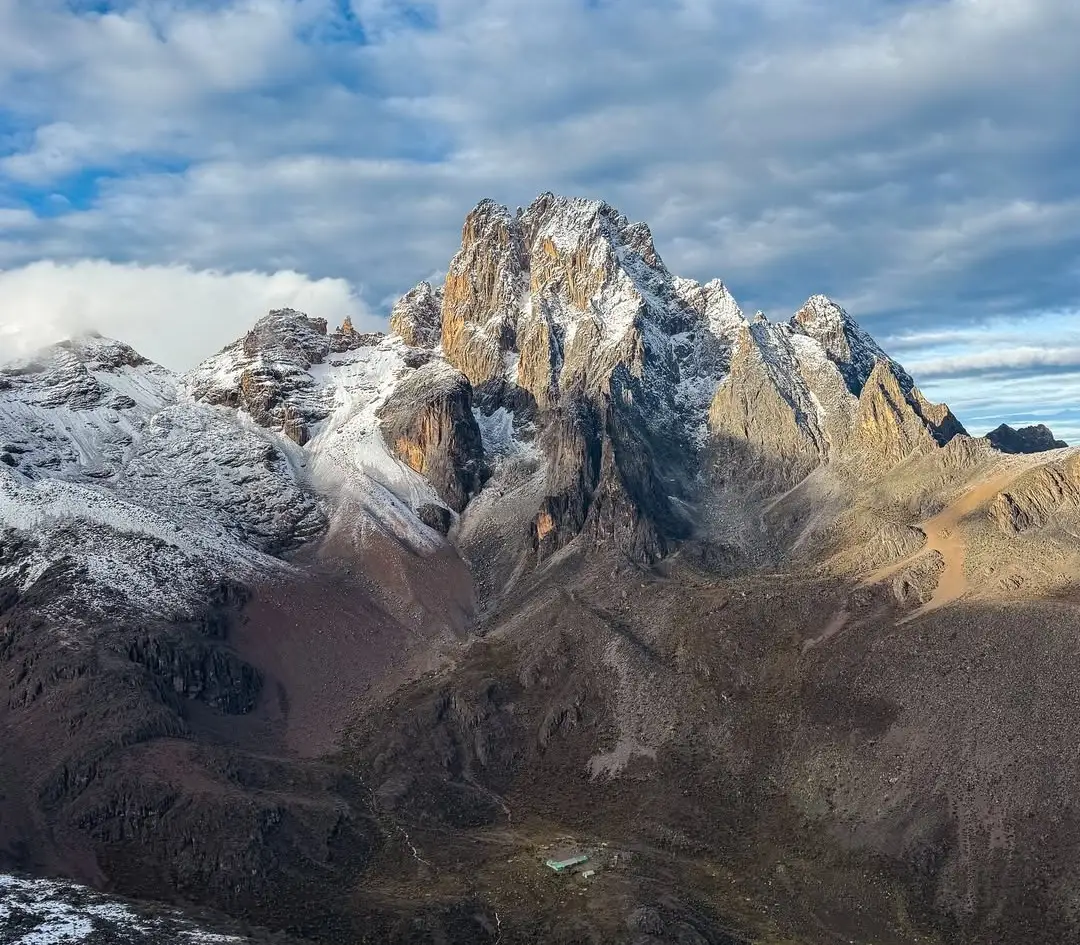
Mount Kenya National Park protects the slopes and peaks of the country's highest mountain. Standing at 5,199 metres, it is the second-highest peak in Africa after Mount Kilimanjaro.
The park is a UNESCO World Heritage Site recognized for its diverse ecological zones ranging from thick rainforests to glaciers.
Most visitors travel here for trekking. You must understand the difference between the three main peaks to plan your trip correctly. Batian (5,199m) and Nelion (5,188m) are technical peaks.
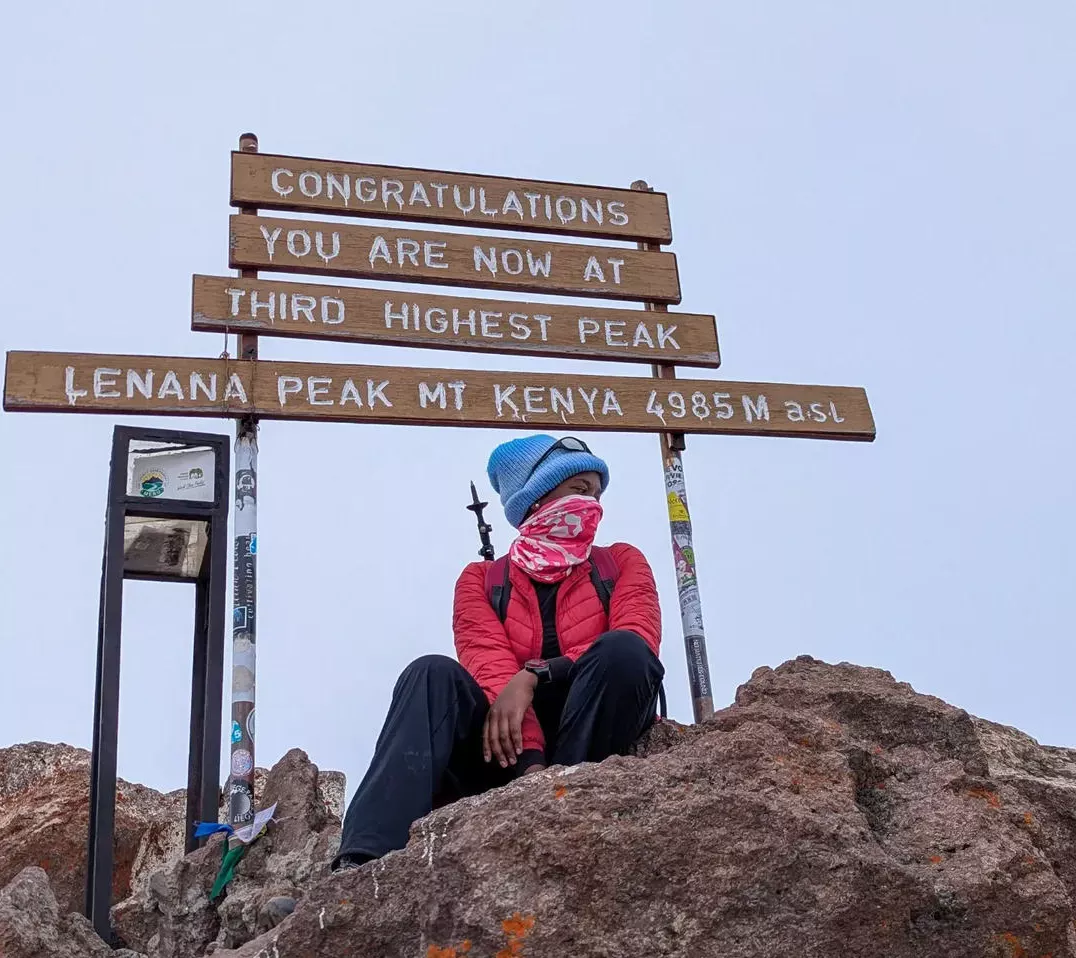
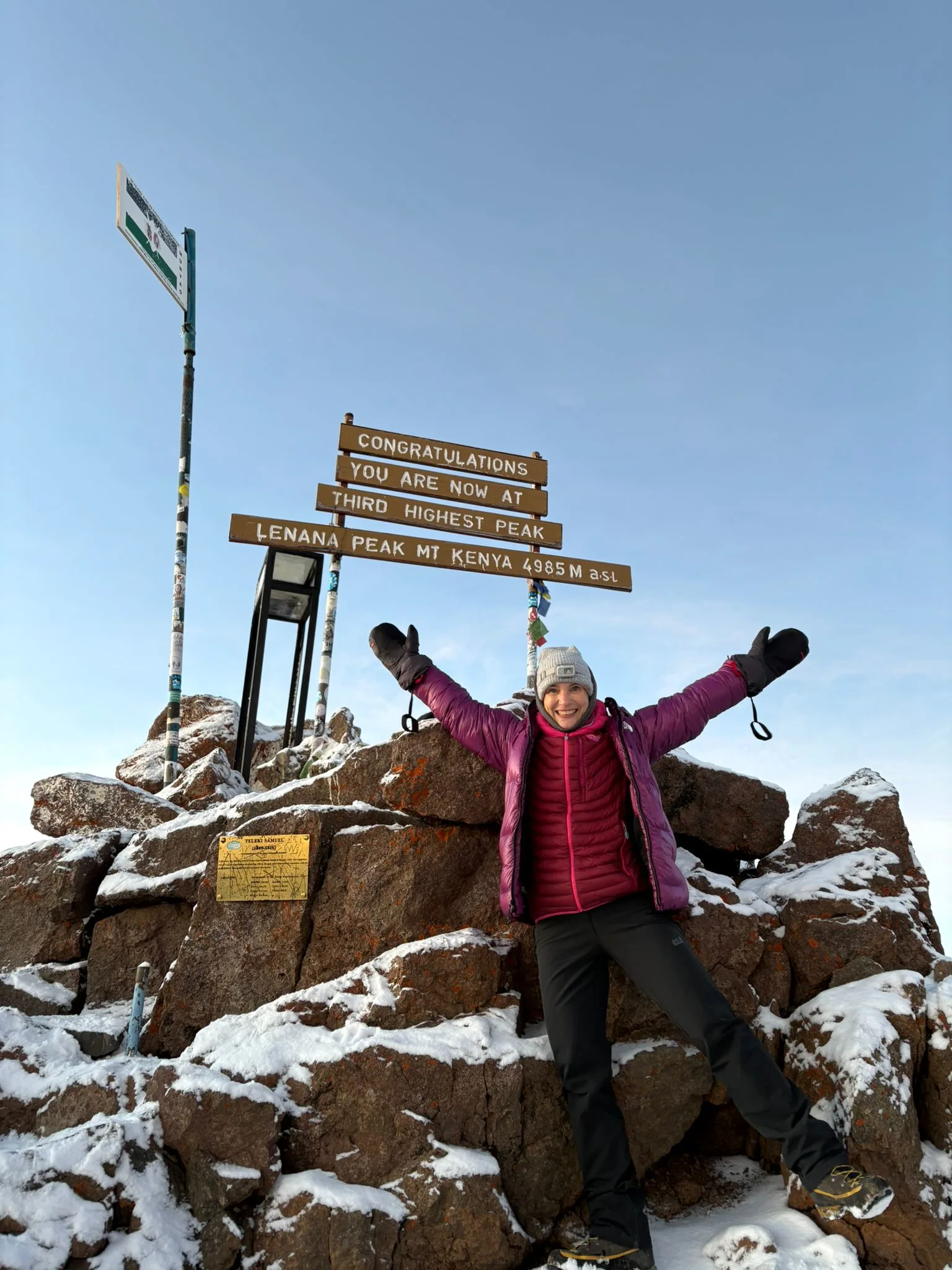
Reaching these summits requires rock climbing skills, ropes, and technical gear. Point Lenana (4,985m) is the trekking peak. Fit hikers can reach Point Lenana on foot without technical equipment. Our expeditions focus on reaching Point Lenana.
Overview
Name
Mount Kenya National Park
Type
Mountain
Town
Naro Moru
County
Nyeri
Country
Kenya
Location and Logistics
The mountain sits directly on the Equator approximately 175 kilometres north of Nairobi. It dominates the landscape of the Central Highlands.
Getting There from Nairobi
Access to the mountain is primarily by road. We provide private transfers from Jomo Kenyatta International Airport or your hotel in Nairobi to the specific park gates.
Western/Northern Access (Naro Moru & Sirimon): The drive from Nairobi to the towns of Naro Moru or Nanyuki takes between 3 and 4 hours on paved roads. These towns serve as the starting points for the Naro Moru and Sirimon routes.
Eastern Access (Chogoria): Reaching the Chogoria gate takes longer. The drive is approximately 4 to 5 hours from Nairobi via Embu. The final section up to the park gate involves a rough forest track that requires a 4x4 vehicle.
Climate Zones
Trekking Mount Kenya involves moving through distinct vegetation bands. You start in the humid rainforest and bamboo zone which is often wet and muddy. As you gain altitude, the landscape changes to heath and open moorland featuring unique plants like giant lobelias.
The summit area is an afro-alpine desert consisting of bare rock, ice, and glaciers.
Selecting the right route determines your success rate and overall experience on the mountain. There are three main established routes for reaching Point Lenana.
We typically recommend combining different routes for the ascent and descent to maximize scenery and acclimatisation.
Sirimon Route (Northwest)
The Sirimon route offers the most gradual ascent profile. It passes through dry forests and opens onto vast moorlands. This steady incline helps the body adjust to altitude more effectively than steeper options.
We use Sirimon primarily for the ascent phase of our treks.
Pros: Excellent success rate due to gradual acclimatisation. The huts (Old Moses and Shipton's) are well-maintained.
Cons: It is less scenic in the lower forest zone compared to Chogoria.
Chogoria Route (East)
Many hikers consider Chogoria the most visually striking route. It features dramatic gorges, sheer cliffs, and high-altitude lakes such as Lake Michaelson. We often use this route for the descent.
Walking down Chogoria allows you to enjoy the views without the physical strain of climbing the steep gradients.
Pros: Spectacular views of the Gorges Valley and waterfalls.
Cons: The route is longer and physically demanding. Accommodation relies mostly on camping rather than huts.
Naro Moru Route (West)
This is the fastest route to the summit. The trail is steep and direct. It features the notorious "Vertical Bog," a section of waterlogged ground that becomes difficult to navigate during rains. We generally avoid this route for ascent as the rapid altitude gain increases the risk of altitude sickness.
Pros: Shortest distance to the peaks.
Cons: High risk of altitude sickness due to the steep profile. The trail can be extremely muddy and unpleasant.
Best Time to Climb Mount Kenya
You can climb Mount Kenya throughout the year. However, the weather patterns dictate the safety and comfort of the trek. We strongly advise scheduling your expedition during one of the two dry windows.
January to February (Warm Dry Season)
This period offers the best conditions for climbing. Mornings are generally clear and sunny. Temperatures near the summit are milder compared to other months. This window is popular for hikers who want the highest chance of clear views at Point Lenana.
August to September (Cool Dry Season)
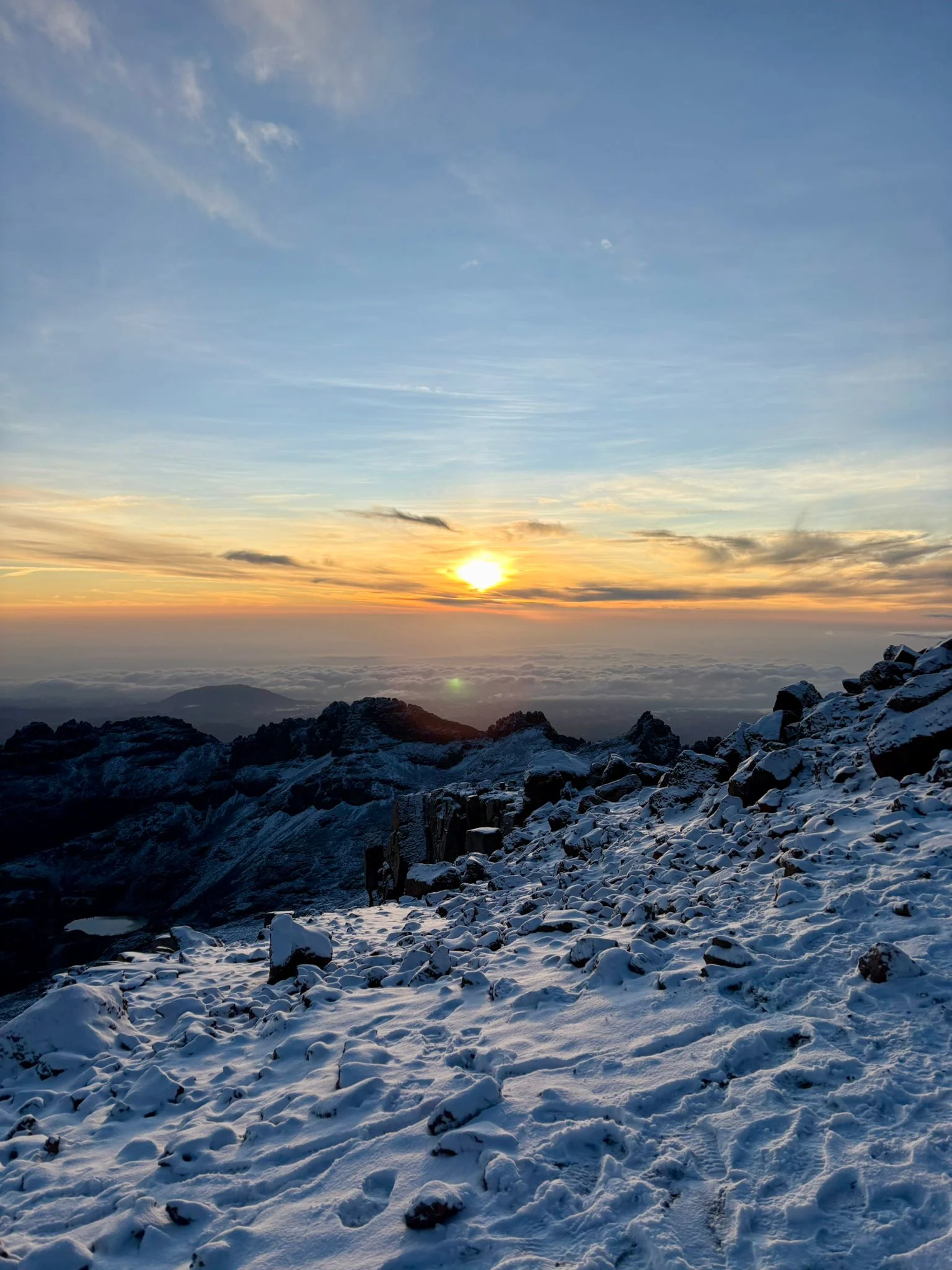
This is the second dry window. It aligns well with the UK summer holidays. The weather is dry, but temperatures are lower than in January. You might encounter ice and snow on the summit approach. The trails remain firm and accessible.
The Wet Seasons (April–May and November)
We advise against climbing during the long rains (April to May) and the short rains (November). The trails become muddy and slippery. Visibility is poor due to constant cloud cover and mist. Wet gear does not dry easily at altitude, which increases the risk of hypothermia.
Difficulty and Acclimatisation
Reaching Point Lenana requires a high level of physical fitness but no technical climbing skills. You should prepare with regular cardiovascular exercise like running, cycling, or hill walking in the months leading up to your trip. The primary challenge on this trek is not the terrain but the altitude.
Altitude Sickness (AMS)
Altitude Mountain Sickness affects climbers regardless of their fitness level. The air at 4,000 metres contains significantly less oxygen than at sea level. We manage this risk by adhering to the "Pole Pole" (slowly, slowly) philosophy. Our itineraries include "climb high, sleep low" days where you hike to a higher elevation during the day and return to a lower camp to sleep. This process forces your body to adapt.
Technical Requirements
Most of our UK clients target Point Lenana. This is a trekking peak. You walk all the way to the summit, although you may need to use your hands for balance on rocky sections near the top. The twin peaks of Batian and Nelion are strictly for experienced rock climbers. Attempts on these peaks require ropes, harnesses, and technical proficiency in multi-pitch climbing.
Mount Kenya vs. Mount Kilimanjaro
Travellers often debate choosing between Kenya's highest peak and Tanzania's Kilimanjaro. Both offer world-class trekking, but the experience differs in terms of cost, crowds, and scenery.
Feature
Mount Kenya (Point Lenana)
Mount Kilimanjaro (Uhuru Peak)
Cost
Significantly more affordable. Park fees and crew wages are generally lower.
Expensive. Park fees alone can exceed $1,000 USD per person.
Crowds
Quiet trails. You often have the huts and viewpoints to yourself.
Busy. The popular routes (Machame/Marangu) can feel crowded with hundreds of trekkers.
Scenery
Dramatic alpine spires, jagged peaks, and mountain lakes. visually diverse.
A massive freestanding volcano. The summit is a crater rim rather than a sharp peak.
Success Rate
Higher. The summit altitude (4,985m) is more manageable for most fit hikers.
Lower. The extreme altitude (5,895m) stops many trekkers from reaching the top.
Accommodation on the Mountain
Your choice of route determines the type of accommodation available. The western and northern routes utilize established huts, but the eastern routes require camping.
Mountain Huts
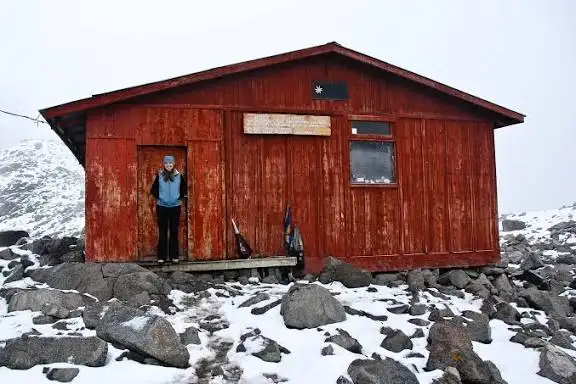
The Sirimon and Naro Moru routes feature bunkhouse-style wooden huts. Old Moses Camp (3,300m) and Shipton's Camp (4,200m) provide mattresses and basic shelter from the elements.
These huts are unheated and can be very cold at night. You must bring a sleeping bag suitable for freezing temperatures. Staying in huts reduces the weight porters need to carry since tents are not required.
Camping
The Chogoria route relies on camping. This allows you to sleep in spectacular locations like the shores of Lake Michaelson.
We provide 4-season mountain tents and sleeping mats. A mess tent is set up for meals. Camping offers a more private and immersive experience compared to the communal dormitories of the huts.
Your Support Crew
Regulations require all trekkers to be accompanied by a registered guide. Our expeditions include a full support team. The lead guide manages the itinerary and safety.
A cook prepares hot meals (breakfast, lunch, and dinner) to keep your energy levels high. Porters carry the food, equipment, and your main rucksack. You only carry a small daypack with water and a jacket. Tipping the crew at the end of the trek is customary and highly appreciated.
Essential Gear List for UK Travellers
Many hikers underestimate the cold on Mount Kenya because it sits on the Equator. Temperatures at the high camps frequently drop to -10°C (14°F) at night. Proper gear is critical for safety.
Footwear
Your hiking boots are the most important item. They must be waterproof and provide good ankle support. Do not attempt this trek in trainers or brand-new boots that you have not worn in. Blisters can end a summit attempt early.
Clothing Layers
Adopt a layering system to manage body temperature.
Base Layer: Thermal top and bottoms (synthetic or merino wool). Avoid cotton as it holds moisture and makes you cold.
Mid Layer: Fleece jacket or wool jumper for insulation.
Outer Layer: A waterproof and windproof hard shell jacket and trousers (Gore-Tex or similar).
Summit Gear: A down jacket, warm gloves, and a woolly hat are essential for the final ascent to Point Lenana.
Sleeping Bag
You need a sleeping bag with a comfort rating of at least -10°C. If you do not own one, we offer high-quality sleeping bags for hire in Nairobi. This saves you valuable luggage space on your flight from the UK.
Hydration
Dehydration worsens altitude sickness. Bring a refillable water bottle or a hydration bladder (e.g., CamelBak) with a capacity of at least 3 litres. The water on the mountain is clean, but we treat or boil all drinking water provided to you.
Safety and Travel Insurance
Mountain trekking involves inherent risks. We prioritize your safety by employing experienced guides trained in first aid and mountain rescue procedures. However, you must have the correct insurance coverage before you start the climb.
Helicopter Evacuation
We register all our climbers with AMREF Flying Doctors for the duration of the trek. This coverage provides for air evacuation in case of a serious medical emergency. If you suffer from severe altitude sickness or an injury that prevents you from walking down, a helicopter will transport you to a hospital in Nairobi. This service is a rescue benefit, not a medical insurance policy.
Insurance Requirements
You must purchase comprehensive travel insurance that explicitly covers trekking up to 5,000 metres. Many standard policies only cover hiking up to 2,500 or 3,000 metres. Read the policy wording carefully.
If your insurance does not cover the specific altitude of Point Lenana (4,985m), your policy will be void in the event of a claim. We may ask to see proof of this coverage at the pre-climb briefing.
Book Your Mount Kenya Expedition
Climbing Mount Kenya offers a quieter and more scenic alternative to Kilimanjaro. It requires preparation, respect for the altitude, and a reliable support team. We organize private treks and small group expeditions throughout the dry seasons.
Our packages include all park fees, food, accommodation, and crew wages. We do not hide costs. By booking directly with our local team, you ensure that your money goes directly to the guides and porters who make the summit possible.
Contact us today to discuss the best route for your fitness level or to check availability for our next departure.
Mount Kenya National Park offers optimal conditions for trekking and high-altitude activities during its two distinct dry seasons: January to February and July to October. These months typically provide clearer skies, reduced rainfall, and more stable weather, essential for summit attempts and photography.