Amboseli National Park ranks as Kenya's second most popular wildlife destination after the Masai Mara. It sits at the base of Mount Kilimanjaro near the Tanzanian border.
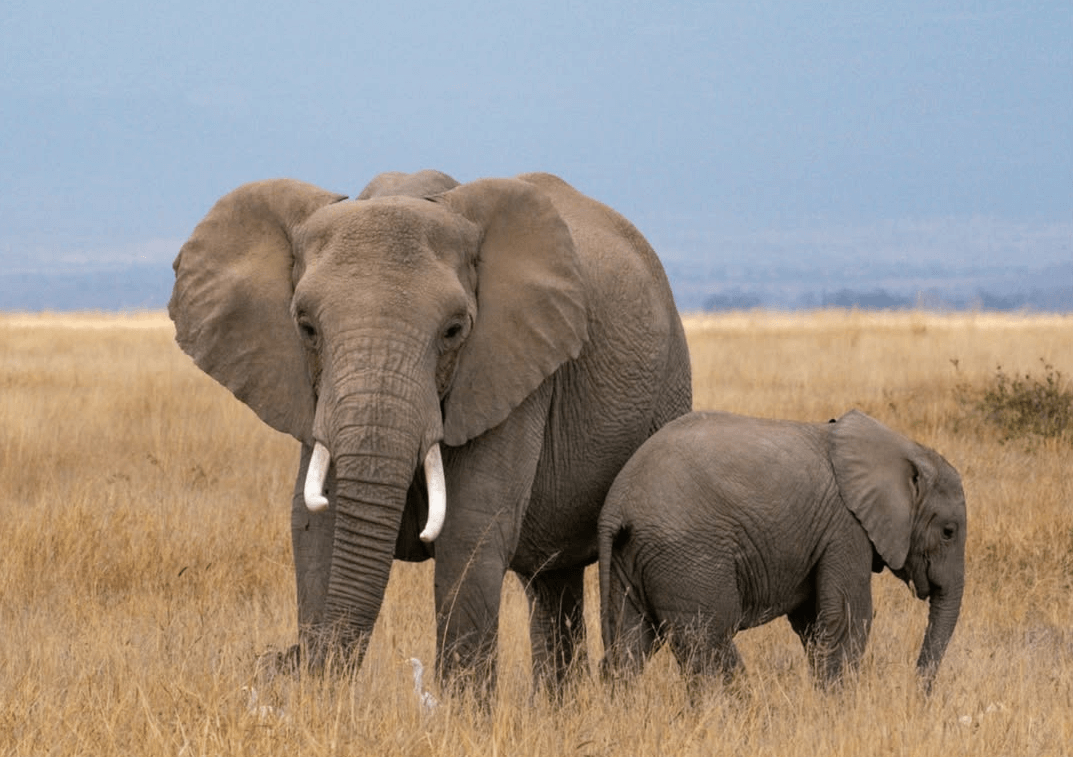
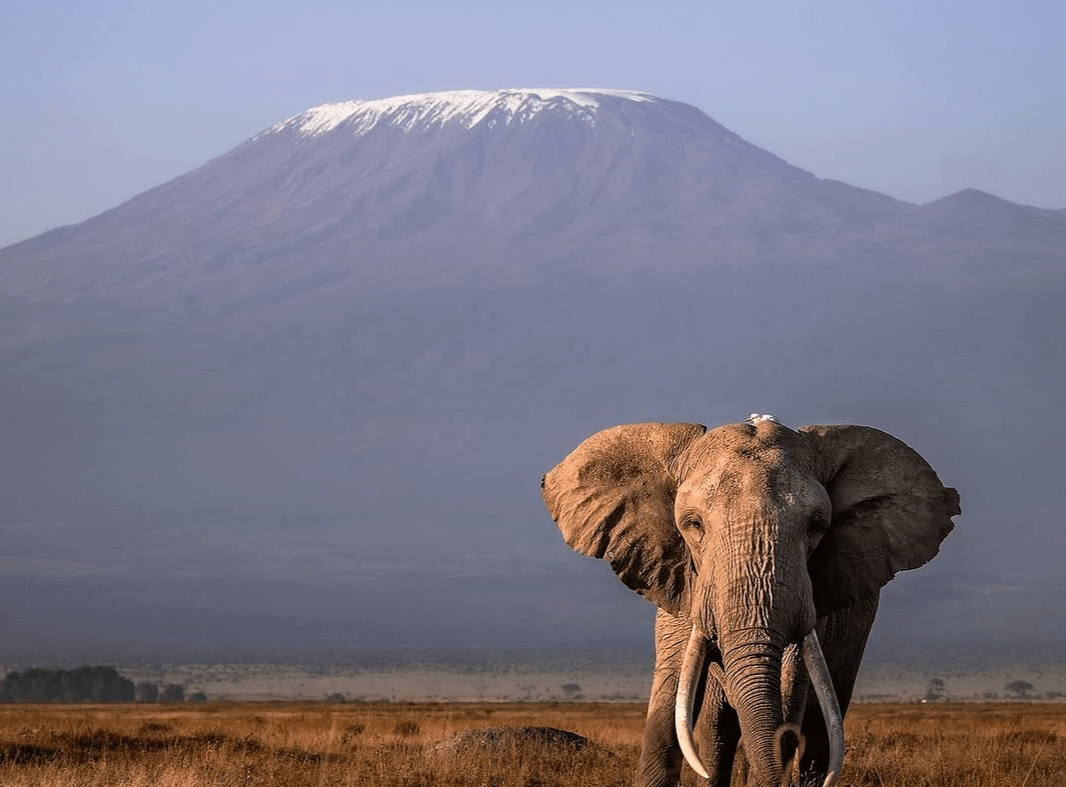
The park is famous for its high density of free-ranging elephants and the scenic backdrop of Africa's highest peak.
The ecosystem revolves around a Pleistocene lake basin which is seasonally dry. Underground water from Mount Kilimanjaro feeds permanent swamps like Enkongo Narok in the center of the park.
This contrast between the dry, dusty lakebed and the lush swamps creates concentrated wildlife viewing areas. Animals must travel to these water sources daily to drink and bathe, making them easy to track.
The park covers 392 square kilometers and forms the core of a much larger 8,000 square kilometer ecosystem that straddles the Kenya-Tanzania border. While the mountain itself is in Tanzania, Amboseli offers the best ground-level views of the snow-capped summit.
Overview
Name
Amboseli National Park
Type
National Park
Town
Kimana
County
Kajiado
Country
Kenya
Location of Amboseli in Kenya
The park is located approximately 240 kilometers (150 miles) southeast of Nairobi in Kajiado County. It is a key stop on the Southern Safari Circuit, often combined with Tsavo West National Park.
Getting There from Nairobi
Travelers can reach Amboseli by air, road, or rail. Your choice depends on your budget and tolerance for travel time.
By Air (Recommended)
Daily scheduled flights depart from Wilson Airport (WIL) in Nairobi to the Amboseli Airstrip.
Duration: Flights take approximately 35 minutes.
Benefits: This option avoids the heavy traffic often found on the main Mombasa highway. It also provides aerial views of the mountain and the park's swamps before landing.
By Road
Driving from Nairobi allows you to see the Kenyan countryside. We use 4x4 Land Cruisers for these transfers to ensure comfort on the final stretch of rough road leading to the park gates.
Duration: The drive takes 4 to 5 hours.
Route: The standard route follows the Nairobi-Mombasa Highway (A109) to Emali, then turns south on a tarmac road towards Kimana. The traffic on the main highway can be heavy with trucks, which may impact arrival times.
By Train (Madaraka Express)
The Standard Gauge Railway (SGR) connects Nairobi to Mombasa. Visitors can take the morning train from Nairobi Terminus to Emali Station.
Duration: The train ride is roughly 90 minutes.
Transfer: Our driver meets you at Emali Station for the remaining 1.5-hour transfer by road to the park. This creates a smoother journey than driving the entire distance.
Amboseli is one of the few places remaining in Africa where visitors can see "Super Tuskers." These are male elephants with tusks weighing over 100 pounds (45kg) each. The tusks are so long that they often scrape the ground when the elephant walks.
The park owes this population to decades of protection and the presence of the Amboseli Elephant Research Project, the longest-running study of wild elephants in the world.
Unlike other reserves that lost their large males to poaching in the 1970s and 80s, Amboseli's gene pool remained relatively intact. This allows you to observe elephants of all ages, from newborns to matriarchs over 60 years old.
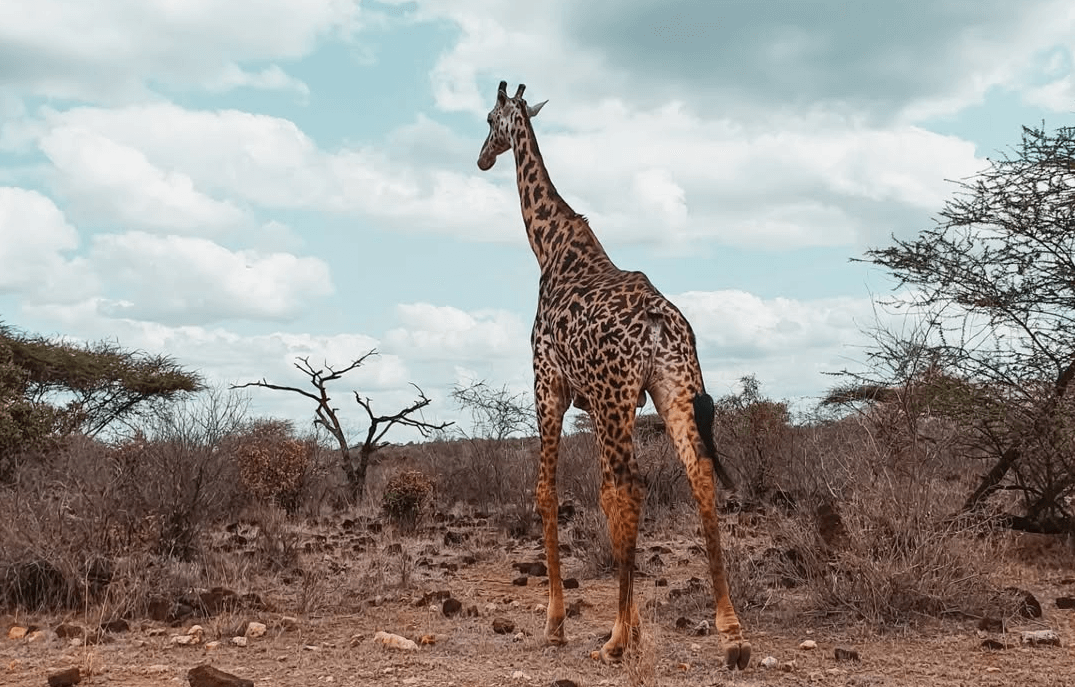
Wildlife viewing concentrates around the permanent swamps, particularly Enkongo Narok and Ol Tukai. During the dry season, these water sources attract high densities of buffalo, wildebeest, zebra, and gazelle.
Predators, including lions, cheetahs, and hyenas, patrol the swamp edges. While leopards are present, they remain elusive in the acacia woodlands and are harder to spot here than in the Masai Mara.
Mount Kilimanjaro Visibility
While Amboseli offers the iconic view of elephants in front of Mount Kilimanjaro, cloud cover frequently obscures the summit. Managing expectations regarding visibility is important for photography enthusiasts.
The mountain generates its own weather system. As the ground heats up during the day, moisture rises and forms cloud layers that hide the peak. Clear views are most likely during two specific windows:
Dawn (06:00 – 09:00): The sky is usually clearest at sunrise. This is the optimal time for photography, as the mountain is often visible before the clouds form.
Dusk (17:00 – 18:30): Clouds often dissipate as the temperature drops in the evening, revealing the summit again before sunset.
Midday views of the peak are rare. We recommend planning your game drives to be in position at the southern edge of the park during these early morning and late afternoon windows to maximize your chances of getting the shot.
Top Things to Do in Amboseli
Activities in Amboseli focus on observation and photography. The park rules restrict vehicle movement to protect the ecosystem, but specific areas allow for foot access.
Observation Hill (Noomotio)
This volcanic cone is the only location within the main park where visitors can exit their vehicles and walk. A staircase leads to the summit which offers a 360-degree view of the entire ecosystem.
You can see the swamps, the dust plains, and Mount Kilimanjaro from the top. It serves as a designated picnic site where safaris often stop for lunch to watch elephants and hippos in the swamps below.
Game Drives
Standard safaris explore two distinct terrains. The dry lakebed provides open driving with high visibility which is ideal for spotting cheetahs.
The swamp edges (Longinye and Enkongo Narok) require sticking to causeways but offer the highest density of large mammals. Off-road driving is strictly prohibited everywhere in Amboseli National Park to prevent damage to the volcanic soil.
Conservancy Activities
Private conservancies like Selenkay and Kitirua border the national park.
Staying in these areas provides access to activities not permitted inside the main park boundaries. These include night game drives to spot nocturnal species like bat-eared foxes and aardwolves. Guests can also join guided nature walks with Maasai trackers.
Best Time to Visit Amboseli
Amboseli is accessible year-round. The experience changes significantly between the dry and wet seasons. Your choice depends on if you prioritize wildlife density or photography conditions.
The Dry Season (June to October)
This period offers the most reliable wildlife viewing. As the surrounding bush dries out, animals migrate inward to the permanent swamps to drink.
You will see large concentrations of elephants and buffalo. The park becomes extremely dusty during these months. The fine volcanic soil creates a haze that can obscure long-distance views, although it often creates dramatic lighting for sunsets.
The Green Season (November to May)
The rains arrive in two waves. The short rains occur in November and December, while the long rains fall in April and May. The park transforms into a green grassland.
This is the best time for landscape photography as the rain clears the dust and offers sharp views of Mount Kilimanjaro.
Birdwatching peaks during these months as migratory species arrive from Europe. Heavy rains can make the clay tracks across the lakebed slippery and difficult to navigate.
Comparison of Amboseli vs. Tsavo West
Amboseli and Tsavo West are neighbours on the Southern Safari Circuit. We often combine them into a single itinerary, but they offer distinct experiences regarding terrain and wildlife viewing difficulty.
Flat, open plains and swamps. High visibility makes it easy to spot animals from a distance.
Volcanic hills, lava flows, and dense scrub. The bush is thick which requires active tracking.
Wildlife Highlights
High density of elephants and buffalo. Reliable sightings of plains game.
"Red" elephants (dusted in volcanic soil) and Black Rhinos at the Ngulia Sanctuary.
Photography
Iconic shots of elephants with Mount Kilimanjaro in the background.
Dramatic scenery including the Mzima Springs and Shetani Lava Flow.
Vehicle Density
Can be busy around major sightings and swamp edges.
Generally quieter with fewer vehicles at sightings.
Where to Stay: Inside the Park vs. Conservancies
Accommodation options divide into lodges located within the park boundaries and camps situated in the surrounding private conservancies. Your location impacts your daily schedule and access to specific activities.
Inside the National Park
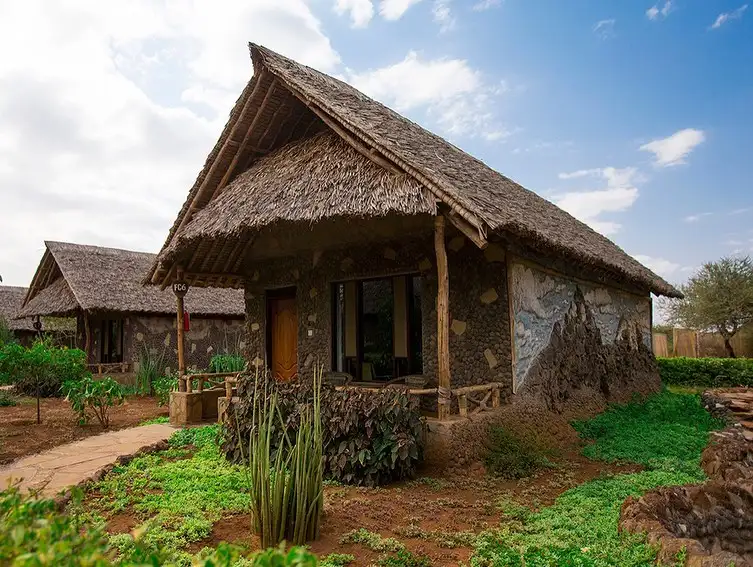
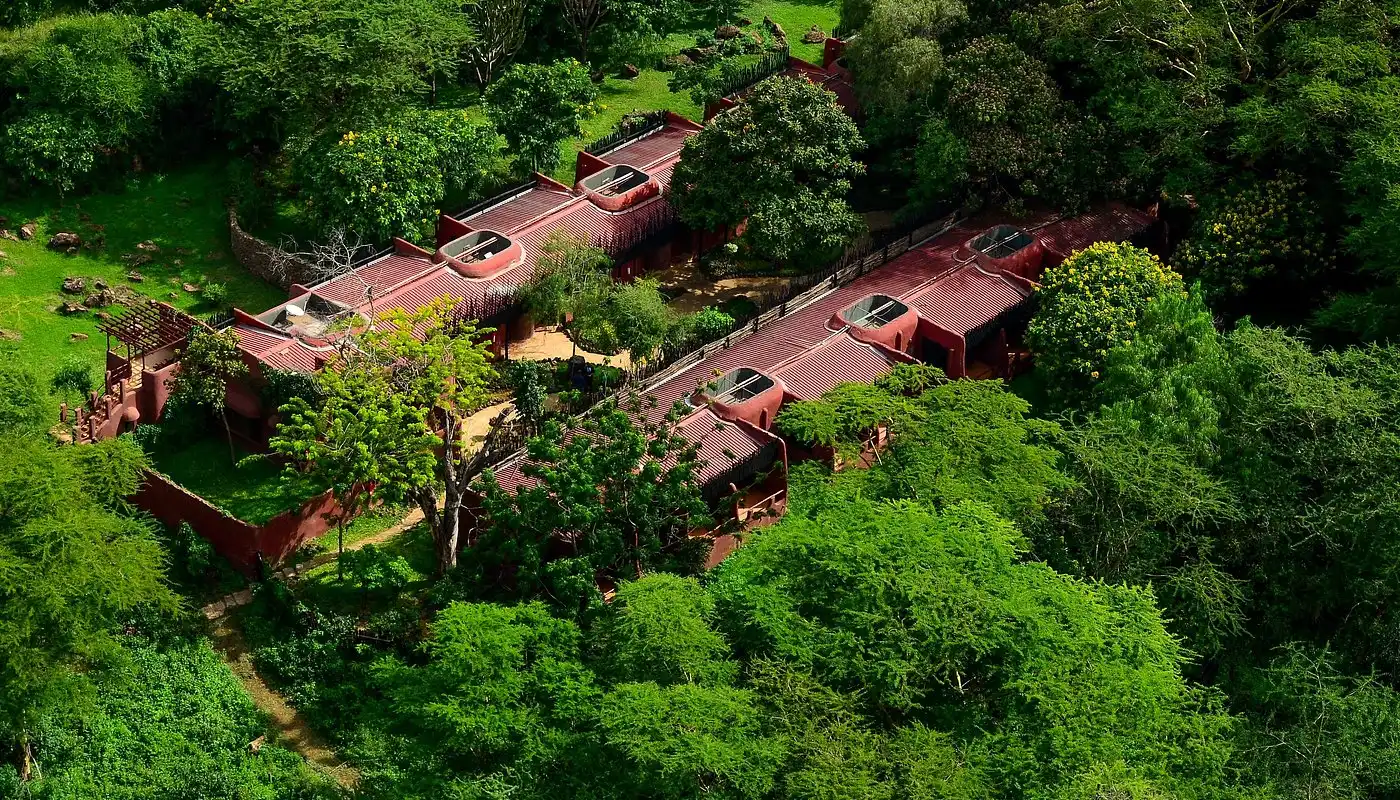
Lodges such as Ol Tukai and Amboseli Serena sit centrally within the park. These properties appeal to photographers who prioritize early starts.
Benefit: You are already inside the park when the sun rises. You avoid the queues at the main gates and can reach the swamps for the best lighting conditions immediately.
Trade-off: Park regulations apply strictly here. You must stay on marked roads, and you cannot conduct night drives.
Private Conservancies
Camps located in conservancies like Kitirua or Selenkay offer a more exclusive experience. These properties usually consist of luxury tented camps rather than large lodges.
Benefit: You escape the crowds. Conservancies allow off-road driving for sightings, walking safaris, and night drives.
Trade-off: You must travel to enter the main National Park. This transfer can take 20 to 45 minutes depending on the camp location.
Practical Information for UK Travellers
Planning a trip to Amboseli requires attention to park fees, health precautions, and entry requirements. We handle the logistical bookings, but travellers must manage their personal documentation.
Park Fees and Entry
The Kenya Wildlife Service (KWS) manages Amboseli. Park fees are mandatory for every 24-hour period spent inside the reserve. We include these costs in your safari quote. If you stay outside the park in a conservancy, you will pay daily conservation fees to the conservancy management plus KWS fees for days you enter the national park.
Health and Malaria
Amboseli is a malaria zone. The presence of permanent swamps creates breeding grounds for mosquitoes. We strongly advise visiting your GP or travel clinic to prescribe prophylaxis like Malarone. Long sleeves and insect repellent are necessary in the evenings. Unlike the Mara, tsetse flies are less common in the open plains of Amboseli but can be present in the acacia woodlands.
Climate and Temperature
The park is generally hot and dry. Daytime temperatures range from 28°C to 32°C. However, early mornings can be chilly (around 12°C - 15°C) due to the proximity to Mount Kilimanjaro. As soon as the sun sets, temperatures drop rapidly.
A Typical Day on Safari in Amboseli
The daily schedule in Amboseli revolves around the weather patterns of Mount Kilimanjaro and animal behavior. The mountain is most visible at dawn, so early starts are essential.
06:00 – Morning Game Drive
We depart camp at first light. This is the critical window to photograph elephants with the mountain clear of clouds in the background. Predators like lions and hyenas are often active at this time before the heat sets in.
09:00 – Bush Breakfast or Return to Lodge
Many guests choose a picnic breakfast at Observation Hill to maximize their time in the park. Alternatively, you return to the lodge for a full breakfast.
12:30 – Lunch and Rest
The midday heat in Amboseli is intense. Animals retreat to the deep shade of the acacia tortilis trees or submerge themselves in the swamps. We return to camp for lunch and a rest. The dust settles during this time, often revealing the mountain peak again if the clouds lift.
16:00 – Afternoon Game Drive
We head back out as the day cools. Large herds of elephants begin their daily migration away from the swamps back to the dry woodlands for the night. This procession offers excellent photography opportunities against the sunset.
Essential Packing List for Amboseli
Packing for Amboseli differs slightly from other parks due to the fine volcanic soil.
Dust Protection
The "Amboseli dust" is pervasive during the dry season. It is fine and powdery. Bring a scarf or bandana to cover your nose and mouth while driving. Photographers should bring a cleaning kit and a bag to seal cameras when not in use.
Clothing
Light Layers: A windbreaker or fleece is necessary for the morning drive. Underneath, wear light, breathable fabrics for the midday heat.
Hat and Sunglasses: The white lakebed reflects sunlight intensely. A wide-brimmed hat and polarized sunglasses reduce glare and prevent headaches.
Swimwear: Most lodges in Amboseli have swimming pools. A midday swim is the best way to handle the heat between game drives.
For optimal safari conditions in Amboseli National Park during 2026, the dry seasons (January-February and June-October) are generally preferred. These periods offer excellent wildlife viewing as animals congregate around permanent water sources, easier road travel due to less mud, and significantly higher chances of clear, iconic Mount Kilimanjaro views, particularly at dawn and dusk.