Beach safari packing list for December Kenya holidays requires neutral-coloured clothing, warm layers for the bush, and light linens for the coast. All luggage must be in soft-sided duffel bags, with a total weight limit of 15 kg per person for domestic flights connecting the safari parks and coastal areas. This strict weight limit includes both checked and hand luggage.
What Are the Baggage Restrictions on Kenya's Domestic Flights?
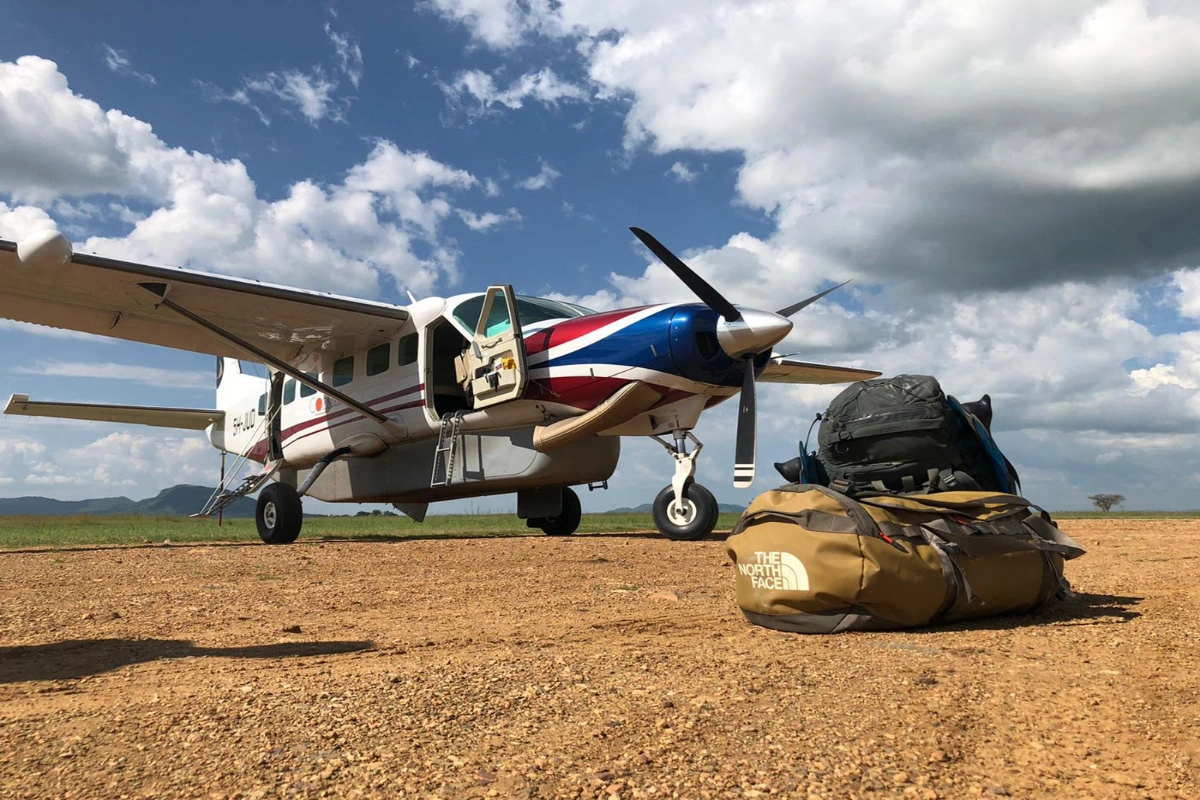
A strict 15 kg (33 lbs) baggage allowance on internal light aircraft is the most critical packing constraint for a multi-destination Kenya itinerary. These flights connect safari parks like the Masai Mara to coastal airstrips such as Ukunda and operate with a firm, non-negotiable weight limit. The total weight allowance applies to all your bags combined.
Luggage must be in soft-sided bags, like a duffel bag or a frameless rucksack. Hard-shell suitcases are prohibited because their rigid structure prevents them from being stowed in the small, irregular luggage holds of aircraft like the Cessna Caravan. This rule necessitates selective packing and prioritises multi-functional items.
How December Weather Affects Beach Safari Packing List in Kenya
Kenya's December weather includes two distinct climate profiles that directly influence your wardrobe choices for a combined bush and beach trip. High-altitude safari destinations experience significant temperature changes between the morning and afternoon.
Early morning game drives in parks like the Masai Mara or Amboseli begin in cool conditions, with temperatures around 14°C that demand warm layers. As the day progresses, temperatures rise significantly, requiring you to shed outer layers for comfort. This daily fluctuation is a key factor in safari clothing selection.
The Kenyan coast at Diani Beach has a consistently warm and humid climate in December, with daytime temperatures in the high 20s to low 30s Celsius. This tropical weather calls for lightweight, breathable fabrics. December is also part of the 'short rains' season, meaning brief afternoon showers can occur, making a packable rain jacket a useful item for both destinations.
What Essential Clothing Should You Pack for a Kenya Bush Safari?

A safari wardrobe must prioritise function, comfort, and subtlety to suit game drives and camp life. Neutral, earthy tones like khaki, olive, and beige blend with the environment and are less likely to distract wildlife.
Bright colours are not recommended for safari. Dark blue and black clothing can attract tsetse flies in certain regions and should be avoided. The following layered clothing provides the most comfort and protection:
- A warm fleece jacket or gilet for cool mornings and evenings.
- Several long-sleeved shirts made from cotton or technical fabrics for sun and insect protection.
- A few T-shirts or polo shirts for warmer afternoons.
- Two pairs of comfortable safari trousers, including convertible styles that zip off into shorts.
- Comfortable, closed-toe walking shoes or sturdy trainers, which are sufficient for game drives and camp activities.
What Specific Items Are Needed for a Kenya Beach Holiday?

Packing for the coastal part of your holiday in Diani focuses on managing heat, humidity, and sun exposure. The dress code is relaxed, but items should offer both comfort and sun protection. Lightweight and quick-drying fabrics are best for the coastal climate.
Key items for your beach packing list include:
- Swimwear for the hotel pool and the Indian Ocean.
- A sarong or kaftan to wear as a beach cover-up.
- Lightweight shorts, skirts, and T-shirts or vests for daytime.
- Linen trousers or a light dress for evenings.
- Sandals or flip-flops for the beach and resort areas.
- A broad-brimmed hat and high-SPF, reef-safe sunscreen to protect your skin and the marine environment.
What Specialised Gear Enhances a Kenya Safari and Beach Trip?
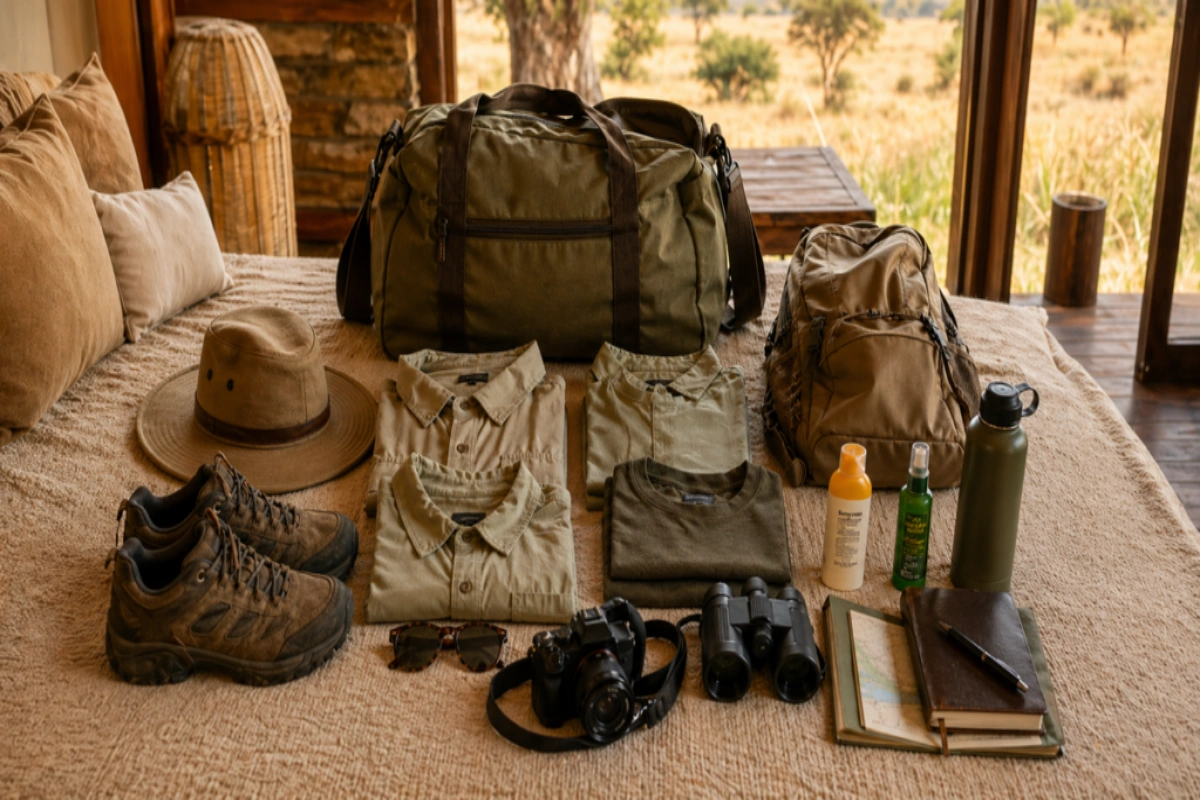
Specific equipment beyond clothing significantly enhances a Kenya safari experience. A quality pair of 8x42 or 10x42 binoculars is the most important piece of gear after your camera, allowing for detailed views of distant wildlife.
A daypack for game drives should hold sunscreen, insect repellent with DEET or Icaridin, and personal medications. For photography, extra memory cards and a spare battery are important, as charging facilities can be limited in some bush camps.
Kenya uses Type G sockets, so a universal travel adapter is necessary for UK travellers. A portable power bank is also highly recommended for charging devices during the day. A small torch or headlamp is useful for walking around camps after dark.
Why Should You Pack a Reusable Water Filter Bottle for Kenya?
Packing a reusable water bottle supports Kenya's nationwide ban on single-use plastics and minimises your environmental footprint. Most safari lodges and camps provide safe water refilling stations. A personal filter bottle provides an extra layer of security and convenience.
A filter bottle allows you to drink water safely from various sources, reducing reliance on plastic bottles. This single item helps support sustainable tourism practices and ensures you remain hydrated in both the savannah heat and coastal humidity.
How Do Travel Logistics Impact Your Kenya Packing List?
Travel logistics between the Kenyan bush and its beaches reinforce the need for strategic packing. The 15 kg soft-sided baggage limit is a direct result of the operational needs of the scheduled bush flights that connect safari airstrips to the coast. These flights save a full day of travel compared to driving via Nairobi.
A 4x4 Land Cruiser used for game drives has space for daypacks and camera gear, but your main luggage is typically stored at the camp. Group-joining safari vehicles reduce costs by splitting transport and guide expenses, which can lower vehicle-related costs by up to 60%. This shared model requires compact packing to respect the limited space.
What Are the Cost and Crowd Differences Between Early and Late December Safaris?
The timing of a December trip significantly impacts both cost and crowds. The first half of the month, from 1 to 19 December, is a shoulder season with rates 20-30% lower than the peak festive period. Strategically planning your travel between these dates can secure better value and avoid holiday surcharges.
From 20 December to early January, prices increase sharply as all lodges and hotels apply mandatory holiday surcharges. These fees can range from $50 to over $250 per person per night. Availability during this peak festive period is very limited, requiring bookings to be made at least nine to twelve months in advance. [Contact Kenya Safari Trails to book your trip]
What Documents and Health Preparations Do UK Travellers Need for Kenya?
Correct paperwork and health precautions are fundamental for UK travellers visiting Kenya. UK travellers must have a passport valid for at least six months from their date of entry into Kenya, with at least two blank pages. You must apply for an Electronic Travel Authorisation (eTA) online before you travel, as visas on arrival are not available.
You should consult your GP or a travel clinic at least eight weeks before your departure date to discuss vaccinations and health advice. Recommended immunisations may include Yellow Fever, Tetanus, Diphtheria, Polio, Hepatitis A, and Typhoid. Malaria risk exists in the Masai Mara and on the coast, so anti-malarial prophylaxis is strongly recommended. Comprehensive travel insurance with medical evacuation cover is a mandatory condition for booking.
Key Kenya Safari and Beach Travel Facts
| Requirement | Detail | Notes for UK Travellers |
|---|---|---|
| Luggage Limit | 15 kg total (soft-sided bag) | Applies to internal flights; non-negotiable. |
| Entry Permit | Electronic Travel Authorisation (eTA) | Apply online before departure. |
| Passport Validity | 6 months from entry | Must have at least two blank pages. |
| Power Adapter | Type G (UK Plug) | Same as the UK; no adapter is needed. |
| Health | Anti-malarials recommended | Consult a travel clinic 8 weeks prior. |
Final Packing Checklist for a Kenya Bush and Beach Holiday
This consolidated list helps ensure you pack all necessary items while adhering to the 15 kg soft-sided baggage limit.
- Luggage: 1 x Soft-sided duffel bag (max 15 kg), 1 x Small daypack.
- Safari Clothing: 2 x Safari trousers, 3 x Long-sleeved shirts (neutral colours), 3 x T-shirts, 1 x Warm fleece jacket, 1 x Lightweight waterproof jacket.
- Beachwear: 2 x Swimwear, 1 x Beach cover-up/sarong, Lightweight shorts and tops, 1 x Light dress or linen trousers for evenings.
- Footwear: 1 x Closed-toe walking shoes, 1 x Sandals or flip-flops.
- Health & Hygiene: Personal medications, Prescription glasses/lenses, Insect repellent (with DEET/Icaridin), High-SPF reef-safe sunscreen, Basic first aid kit.
- Electronics: Camera with extra battery/memory card, Binoculars, Smartphone, Power bank, UK-to-Kenya (Type G) travel adapter, Headlamp or torch.
- Documents: Passport, eTA printout, Flight tickets, Travel insurance details, Digital copies of all documents.
- Sustainable Items: Reusable water filter bottle.
Before your departure, confirm that all devices are fully charged and that you have notified your bank of your travel dates. You should also share your final itinerary with a contact person in the UK.