What To Expect on Masai Mara Safari From UK is a highly structured on wildlife experience planned around animal behaviour. A typical day's schedule requires early starts for game drives at dawn, long midday breaks to avoid the equatorial sun, and reliance on expert guides for navigating off-road terrain. This structured itinerary directly increases the chances of high-quality wildlife encounters.
Typical Daily Schedule on a Masai Mara Safari
A safari day in the Masai Mara is organised around the periods when wildlife is most active, which are dawn and dusk. The schedule prioritises game viewing over late mornings. This operational rhythm is a strategic plan based on decades of wildlife observation, mirroring the natural activity cycles of the animals.
A typical morning starts with a 5:30 AM wake-up call, followed by coffee before departing in a safari vehicle by 6:00 AM. This early departure uses the cool morning air and soft light, when predators are often concluding their nocturnal hunts. Morning game drives usually last three to four hours.
You will return to your camp or lodge around 9:00 or 10:00 AM for a full breakfast. The middle of the day is a scheduled rest period, protecting guests from the intense sun when most animals are inactive. The afternoon game drive typically begins around 4:00 PM and continues until sunset, after which you return for dinner.
Are Big Five Sightings Guaranteed in the Masai Mara?
Wildlife sightings in the Masai Mara are never guaranteed because the ecosystem remains a genuinely wild environment. The reserve supports healthy populations of the 'Big Five' which are the lion, leopard, rhinoceros, elephant, and Cape buffalo. Finding these animals requires guide expertise and guest patience.
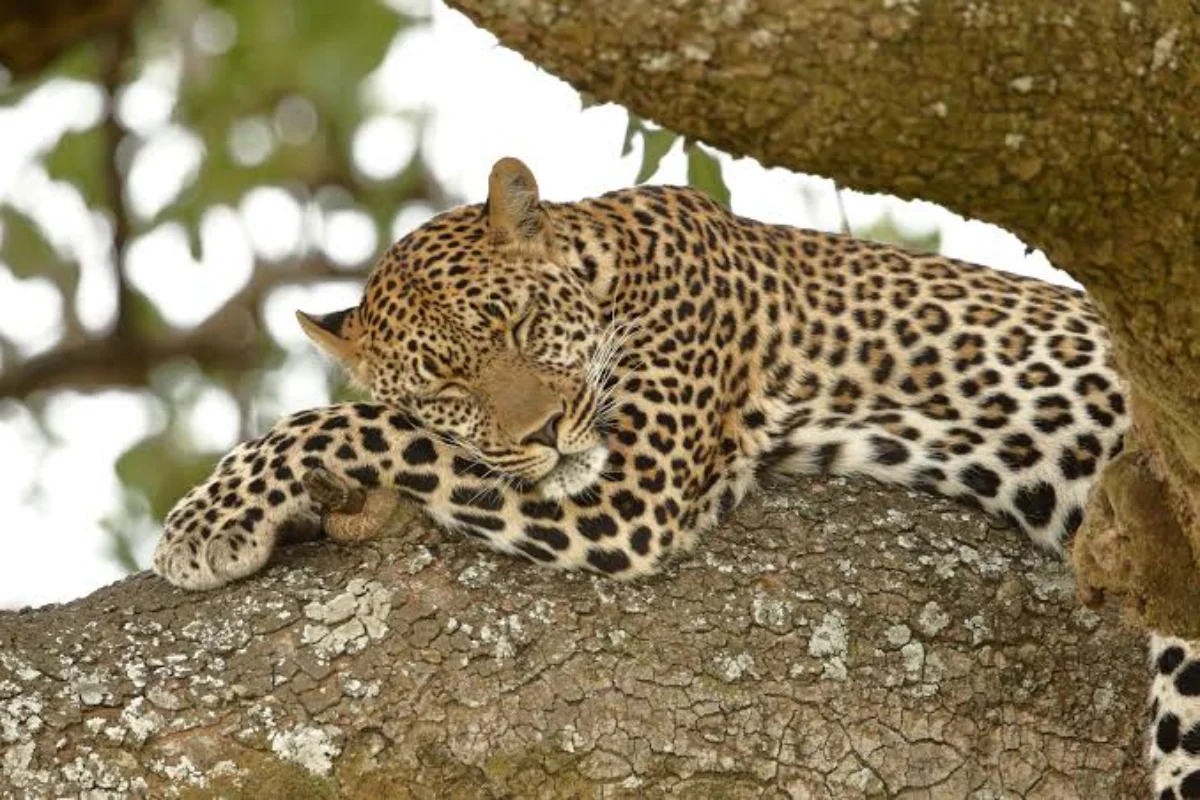
Tracking a leopard, for example, can take hours of methodical searching. A guide interprets tracks, listens for the alarm calls of monkeys or birds, and scans the sausage trees where leopards often rest. The safari experience focuses on the search and the privilege of a sighting, not simply ticking off a species checklist.
A successful Masai Mara safari is measured by the quality of the animal encounters, not the quantity. This approach to wildlife viewing applies to all species, from common plains game to rare predators.
Types of Accommodation Available in the Masai Mara
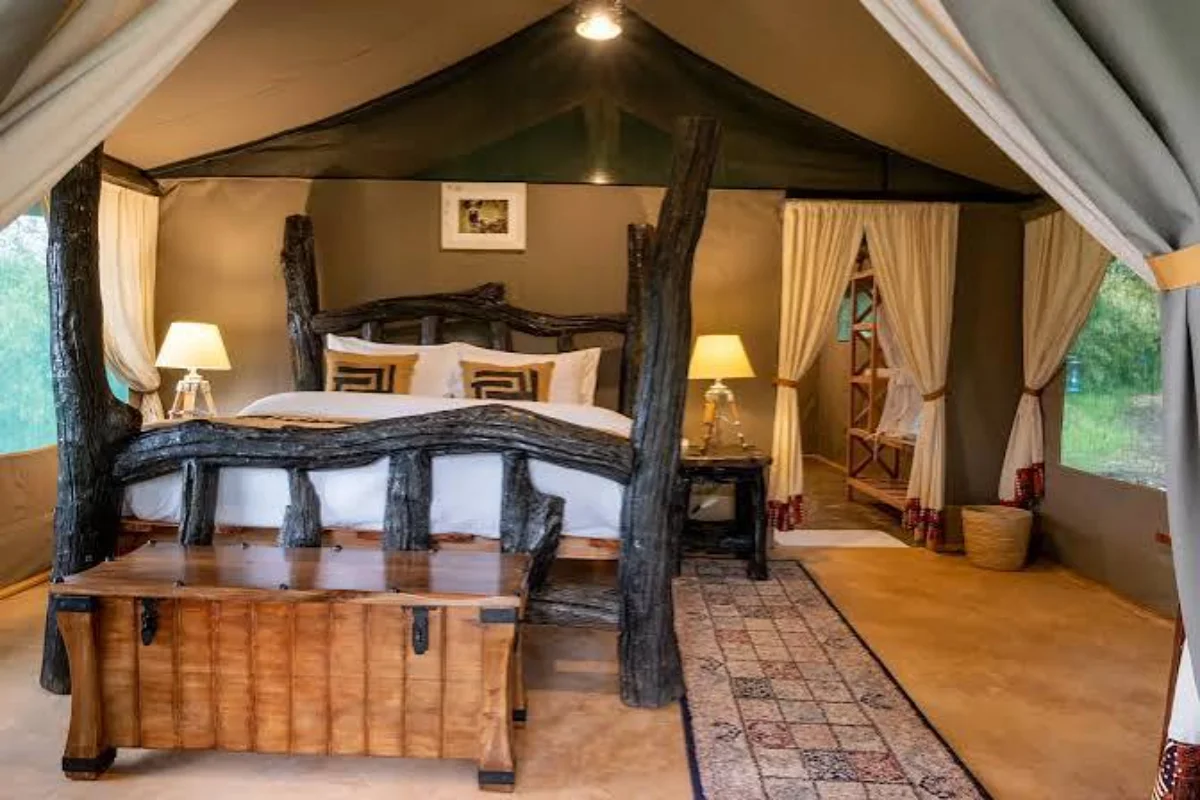
Accommodation in the Masai Mara includes two main types: permanent lodges and classic canvas safari camps. Lodges are larger, hotel-style buildings with solid walls, whereas camps provide accommodation in tents. These tents range from comfortable Meru-style units with en-suite bathrooms to large, luxurious tented suites.
Many of the most authentic camps are unfenced, which means no physical barrier separates the camp from the surrounding wilderness. This design allows animals like zebra, hyena, and occasionally elephants to move through the camp grounds, offering a deeply immersive connection to nature.
Strict safety protocols are enforced at all unfenced camps. After dark, guests are not permitted to walk unescorted. A Maasai guard, known as an 'Askari', will accompany you between your tent and the main camp areas at all times, ensuring guest security.
How Do Safari Lodges and Tented Camps Differ?
The choice between a lodge or a camp affects both comfort and the overall safari experience. Lodges are permanent structures offering a more hotel-like environment. Tented camps provide a more intimate connection to the bush, with the sounds of the wilderness clearly audible at night.
The quality of accommodation varies widely, from mid-range options to exclusive luxury properties. Premier camps are often situated in private conservancies that border the main Masai Mara National Reserve. These locations allow for activities not permitted inside the national reserve, such as night game drives and guided bush walks.
Driving Conditions on Masai Mara Safaris
Game drives in the Masai Mara involve significant off-road travel across bumpy and uneven terrain. While some maintained tracks exist, your guide will frequently drive over open plains to secure better wildlife viewing positions. The ride can be jarring, a factor for travellers with pre-existing back conditions to consider.
The safari vehicles are purpose-built 4x4s, typically modified Land Cruisers or Land Rovers, designed to handle these challenging conditions. The physical demands on guests are generally low. Most time is spent seated during observation, making the activity accessible for a wide range of ages and fitness levels.
Best Time for Masai Mara Safaris From UK For Best Experience
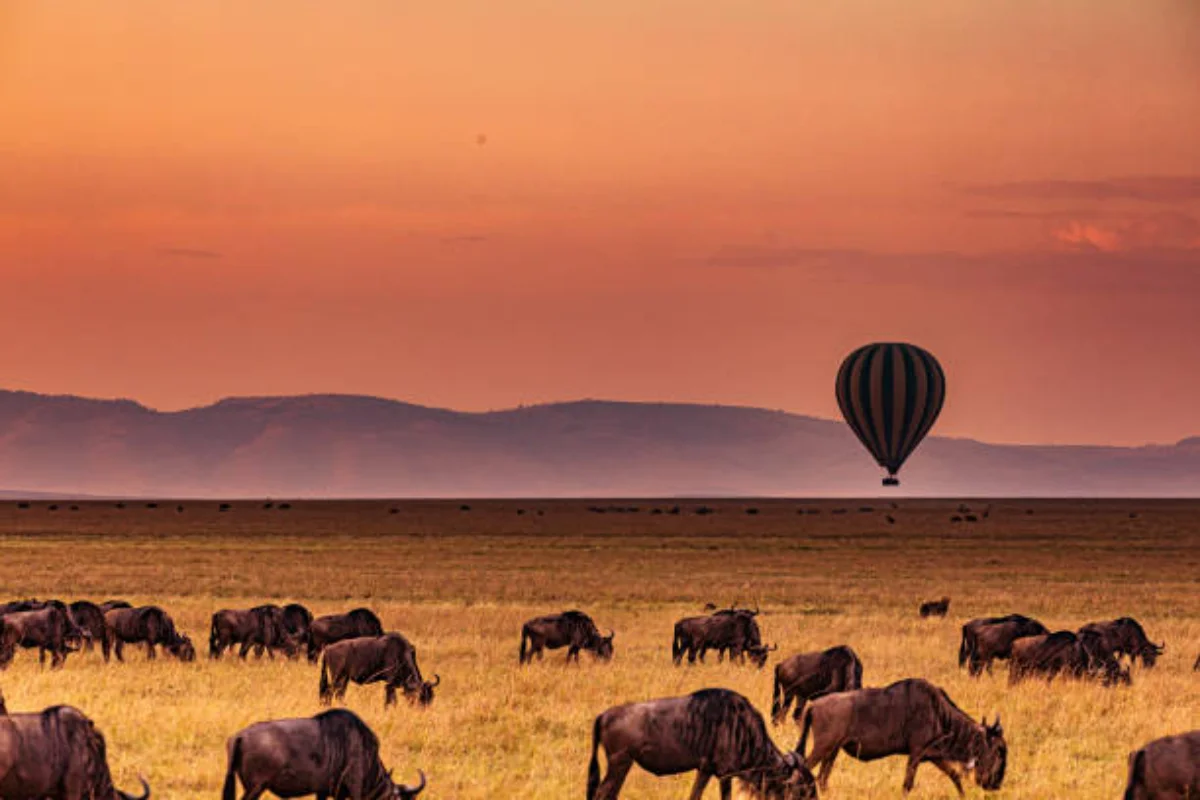
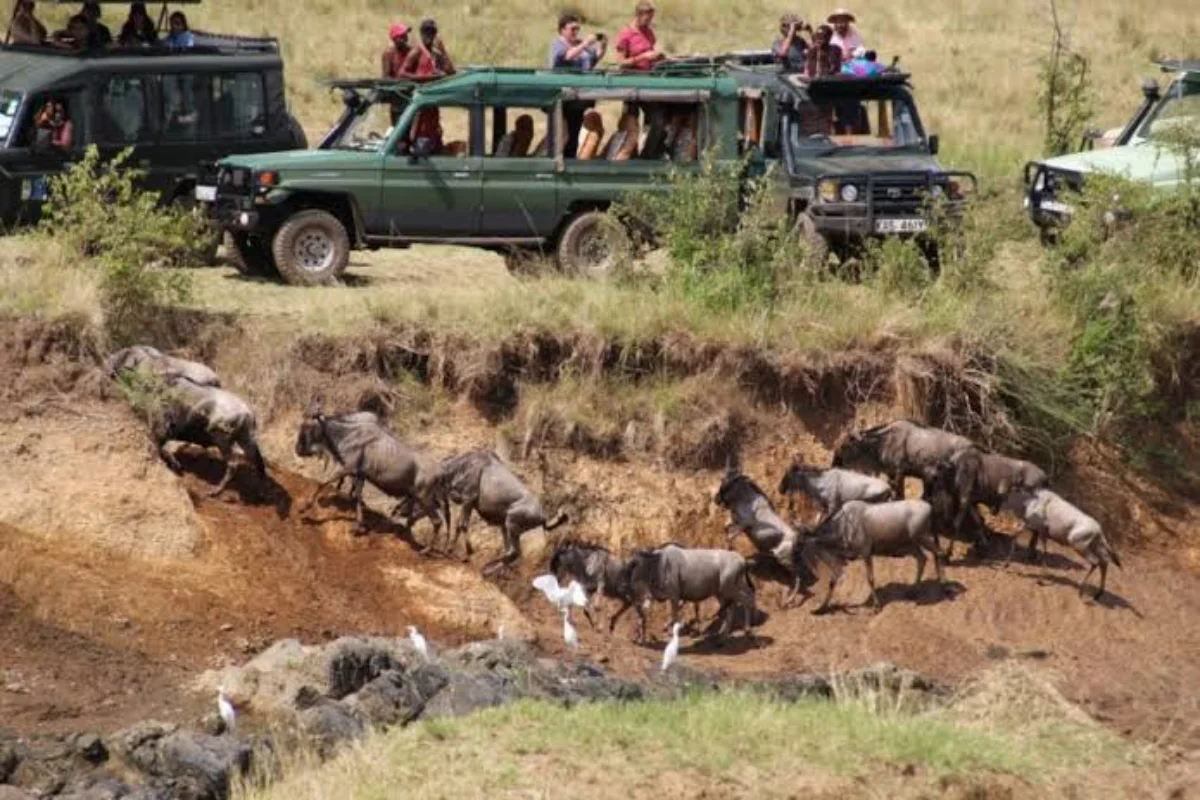
The best time to visit the Masai Mara depends on your travel priorities. The dry season, from late June to October, is the traditional peak season. Shorter grass makes wildlife easier to see, and animals gather around the few remaining water sources. This period also coincides with the Great Wildebeest Migration crossing into the Mara from Tanzania.
UK travellers planning a trip for 2026 should know that climate change is impacting historical weather patterns. The timing of the rains and the subsequent arrival of the Great Migration can vary. Consulting a Kenya travel specialist for current advice is recommended.
The 'green season', from November to May, offers distinct advantages. This period sees fewer visitors, lower pricing, and verdant scenery, and is an excellent time for birdwatching and observing newborn animals.
Role of Maasai Guides and Staff at Safari Camps
Maasai guards (Askaris) at safari camps serve as both security personnel and cultural ambassadors from the local community. The Maasai people are the ancestral landowners of the ecosystem, and their culture is an integral part of the safari experience. These guards possess a deep, innate knowledge of the local environment and its wildlife.
An escorted walk to your tent after dark is an opportunity to learn. An Askari can identify constellations in the clear night sky or explain the meaning of a distant hyena's call. Many safaris also offer respectful visits to a local Maasai village, but it is important to confirm these tours are operated ethically and provide direct financial benefits to the community.
What Should UK Travellers Pack for a Masai Mara Safari?
Efficient packing for a Masai Mara safari is necessary because of strict luggage weight and size restrictions on the small internal flights. Packing should focus on layers and neutral-coloured clothing.
- Clothing: Pack lightweight clothes in khaki, green, or brown. Include long-sleeved shirts and trousers for sun and insect protection. A warm fleece or jacket is required for cold early morning game drives.
- Sun Protection: A wide-brimmed hat, high-SPF sun cream, and quality sunglasses are necessary to protect against the strong equatorial sun.
- Footwear: Comfortable, closed-toe walking shoes or trainers are sufficient for most safari activities. Heavy hiking boots are not usually required.
- Health & Safety: You should consult your GP or a travel clinic in the UK about malaria prophylaxis and other recommended vaccinations for Kenya well before your departure date. A personal first-aid kit and insect repellent are also advised.
- Equipment: Binoculars significantly enhance wildlife observation. A camera with a telephoto or zoom lens will help you capture high-quality images of distant animals.
Masai Mara Safari Key Facts
| Feature | Expectation | Practical Tip |
|---|---|---|
| Daily Schedule | Very early starts (5:30 AM) and long midday breaks. | Rest during the day to fully enjoy the dawn and dusk drives. |
| Wildlife Sightings | Not guaranteed; requires patience and guide skill. | Focus on the quality of encounters, not a checklist. |
| Driving Conditions | Frequently bumpy and off-road. | Inform your tour operator of any back problems in advance. |
| Camp Safety | Unfenced camps require escorts after dark. | Always wait for an Askari before walking at night. |
| Best Season | June-Oct for Migration; Nov-May for fewer crowds. | Consult a specialist for timing, as climate change affects patterns. |
How Many Days Are Needed for a Masai Mara Safari?
A stay of three to four nights is recommended for a comprehensive Masai Mara safari. This duration provides enough time for multiple game drives, allowing you to experience the reserve's different habitats and wildlife without feeling rushed. A multi-day stay allows sufficient time to track different species and appreciate the environment.
A Masai Mara safari often forms the core of a longer Kenya holiday. The safari can be combined with visits to other national parks, such as Amboseli for its views of Mount Kilimanjaro or Samburu for its unique northern wildlife. Many UK travellers conclude their trip with a stay on the Kenyan coast at Diani Beach.
Factors that Determine the Cost of a Masai Mara Safari
The total cost of a 2026 Masai Mara safari is determined by the standard of accommodation, the season of travel, and mandatory park or conservancy fees. These fees are charged per person, per day, and contribute directly to conservation efforts. The highest costs occur during the peak season of the Great Migration.
Safari packages typically include internal flights from Nairobi, the exclusive use of a 4x4 vehicle with a professional guide, all meals, and often most drinks. This bundled pricing structure covers the main operational elements of the safari. [View Kenya safari packages]
Additional costs to budget for include international flights from the UK to Kenya, tips for your guide and camp staff, and any optional activities. Popular optional activities that incur extra charges are hot-air balloon flights and guided visits to a local Maasai village.