The best time to visit Amboseli for a clear Kilimanjaro view is during the dry seasons of January to February and June to October. These months offer the highest probability of cloud-free skies.

The period immediately following the "short rains" in November and December also provides excellent viewing conditions due to reduced atmospheric dust.
Best Time to Visit Amboseli for Kilimanjaro View
Kilimanjaro's visibility from Amboseli National Park is a function of weather, not proximity. The mountain creates its own microclimate, which means cloud cover can appear quickly.
Choosing the right season and time of day substantially increases the chances of a clear view.
Short Rains Clarity: November/December
The short rains of November and early December offer a unique viewing window. The precipitation washes dust and haze from the atmosphere. This process results in exceptionally clear, crisp air after a storm passes.
The landscape is also greener, providing a high-contrast foreground for the snow-capped peak. These months often have less ambient dust than the long dry season of June to October.
Reduced Dust & Haze
Atmospheric dust is a primary inhibitor of clear mountain views. The short rains physically remove these particles from the air.
Following a rain shower, the air quality improves, allowing for unobscured sightlines to Kilimanjaro's summit. This effect is most pronounced in the hours immediately after the rain stops, particularly during the early morning.
Early Morning Kilimanjaro Views (6:30-9:00 AM)
The period between 6:30 AM and 9:00 AM is the most reliable time for viewing Mount Kilimanjaro. Overnight cooling often dissipates the daytime cloud cover that builds around the mountain.
The air is typically calm and clear at dawn. The rising sun illuminates the eastern face of the peak, creating a classic photographic opportunity known as alpenglow.
Late Evening Kilimanjaro Views (5:00-6:30 PM)

A secondary viewing window occurs in the late afternoon, from approximately 5:00 PM to 6:30 PM. As temperatures cool towards sunset, clouds that formed during the day may recede.
This can reveal the mountain's peak for a short period before nightfall. The lighting at this time is softer, casting different hues on the mountain's glaciers compared to the morning light.
April/May: Greenery Contrast Enhancement
The long rains in April and May transform Amboseli's landscape. The plains become a vibrant green. While cloud cover is more frequent and can obscure Kilimanjaro for days, moments of clarity present a unique scene.
The lush foreground creates a stark, beautiful contrast against the white ice fields of the mountain. This specific botanical state is absent during the dusty dry seasons.
Dry Season (June-October): Clear Skies
The long dry season from June to October is traditionally considered the best time for a Kilimanjaro view. This period has the lowest average rainfall and the highest number of sunny days.
The clear, blue skies provide an uninterrupted background for the mountain. Wildlife also congregates around remaining water sources, making game drives more predictable.
Dusty Conditions
The lack of rain from June to October leads to dry, dusty conditions. Volcanic ash from the Amboseli basin is fine and easily disturbed by wind and vehicle traffic.
This airborne dust can create a persistent haze, particularly as the dry season progresses into September and October. The haze can soften the view of Kilimanjaro, reducing its sharpness and clarity even on a cloudless day.
Kilimanjaro View Obstruction Potential
Haze from dust can obscure the lower slopes of the mountain. This obstruction makes the peak appear to float disconnected from the ground.
The ground-level haze can diminish the overall quality of the view even if the sky above is clear. The effect is most pronounced in the middle of the day when thermal activity and wind are at their peak.
Best Months for Overall Visibility
January and February offer the best combination of clear skies and low dust levels. These months fall after the short rains but before the long rains, providing a balance of settled dust and minimal cloud cover.
| Period | Pros | Cons |
|---|---|---|
| January - February | Clear skies, low dust, green landscapes | Peak season pricing |
| June - October | Highest chance of cloud-free days, excellent wildlife viewing | Increasing dust and haze, especially later in the season |
| November - December | Exceptional clarity after rain, vibrant green scenery | Unpredictable rain showers can cause temporary obstruction |
Worst Months for Viewing Kilimanjaro
The worst months for viewing Kilimanjaro from Amboseli are March, April, and May. These months constitute the long rainy season.
Heavy cloud cover is persistent and often completely hides the mountain for extended periods.
Impact of Long Rains (March-May)
The long rains bring near-daily precipitation and thick, low-hanging clouds. This weather system envelops the mountain, making a clear view extremely rare.
Some camps and lodges in the area may also close during this low season due to impassable roads.
Why September can be Hazy
September marks the peak of the long dry season. After months without significant rainfall, the landscape is parched. The accumulation of dust in the atmosphere is at its highest point.
Winds can create widespread haze that reduces visibility, even without any clouds present.
Factors Affecting Kilimanjaro Visibility
Several environmental factors control whether Kilimanjaro is visible from Amboseli on any given day.
- Cloud Cover: The most significant factor. Kilimanjaro's height generates its own weather, leading to rapid cloud formation.
- Atmospheric Haze: Dust from the dry lakebed and surrounding plains can scatter light and reduce clarity.
- Time of Day: Heat during the day causes moist air to rise and condense into clouds around the peak. Cooler mornings and evenings have less convective activity.
Air Pollution & Atmospheric Conditions
Trans-boundary air pollution from agricultural burning can also contribute to regional haze. These particulates, combined with natural dust and humidity, create layers in the atmosphere that obstruct long-distance views. Clearer viewing days often correspond with shifts in wind patterns that bring in cleaner air from less populated areas.
What Other Guides Miss: Time of Day Specificity
Many travel guides provide seasonal recommendations but fail to specify the critical importance of time. A visitor in Amboseli during a prime month may miss the view entirely by looking only at midday.
The mountain is frequently obscured by clouds from 10:00 AM to 4:00 PM. Planning game drives to be in a location with an open view during the early morning (6:30-9:00 AM) and late evening (5:00-6:30 PM) windows is the most practical strategy for securing a sighting.
Checking Daily Weather Reports
While in Amboseli, checking daily weather forecasts for the Kilimanjaro region can be helpful. Satellite imagery and specialized mountain forecasts can provide short-term predictions on cloud cover.
Your lodge or guide will have the best local knowledge and can advise on the daily outlook.
Amboseli Microclimates & View Differences
Your location within the Amboseli ecosystem affects the view. Areas to the east, such as near Kimana Sanctuary, can sometimes offer clearer perspectives when western parts of the park are hazy.
Observation Hill provides an elevated vantage point that can sometimes put you above low-lying ground haze, offering a clearer shot of the mountain.
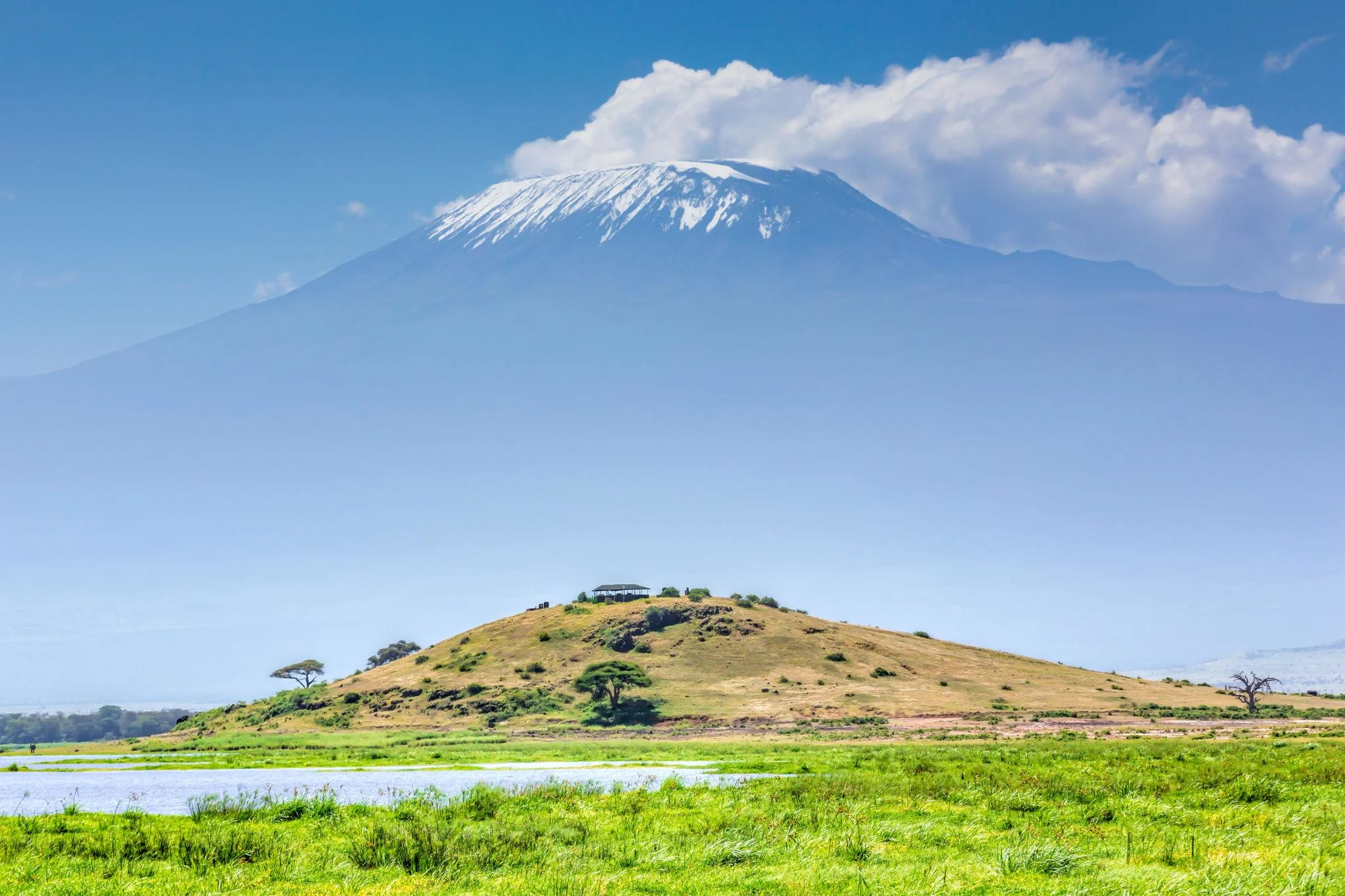
Planning Your Trip Around Visibility Forecasts
To plan a trip specifically for Kilimanjaro views, schedule at least three to four days in Amboseli. This increases the probability of getting at least one clear morning or evening.
Prioritize booking accommodations with known, unobstructed views of the mountain. Communicate your primary goal of seeing Kilimanjaro to your safari guide so they can structure your daily drives to maximize opportunities during the optimal viewing times.