Best places to visit in Kenya for first-timer UK travellers is the classic 7-day 'Rift Valley to Mara' circuit. This route starts in Nairobi for one night, proceeds to Lake Naivasha for one night, and finishes with three nights in the Masai Mara for Big 5 tracking.
This safari plan balances driving distances and introduces distinct ecosystem changes every 48 hours. The itinerary structure concludes with the highest wildlife density, providing a strong introduction to Kenya's diverse environments.
What is the Recommended Daily Breakdown for the 7-Day Rift Valley to Mara Itinerary?
The 7-day safari plan presents a practical, day-by-day journey for UK travellers. Its structure offers a logical progression of experiences from urban arrival to savannah landscapes, managing transfers and wildlife viewing time effectively.
Each destination in the itinerary provides a unique habitat and set of activities. The journey concludes in the Masai Mara, the main wildlife highlight of the tour.
Day 1: Arrival and Acclimatisation in Nairobi
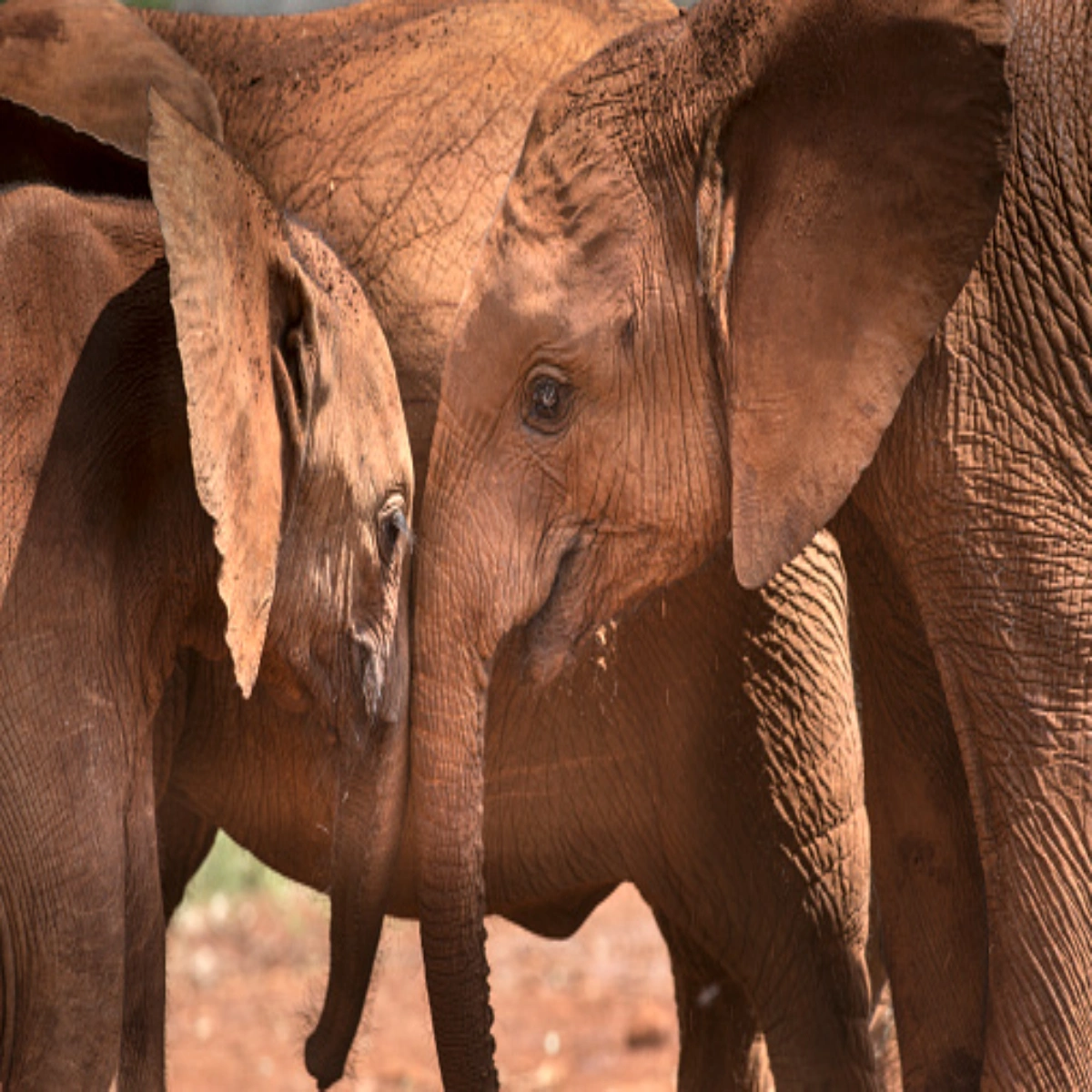
The itinerary begins upon landing at Nairobi’s Jomo Kenyatta International Airport (JKIA), the arrival hub for UK flights. The first day focuses on a smooth transition into the safari schedule.
A driver transfers you to a city hotel or a guesthouse in a suburb like Karen. This first night in Nairobi allows you to rest after a long flight and acclimatise to the local time zone.
Optional activities for early arrivals include visits to the Giraffe Centre or the Sheldrick Wildlife Trust Elephant Orphanage. These activities must be pre-arranged.
Day 2: Lake Naivasha's Waters and Wildlife
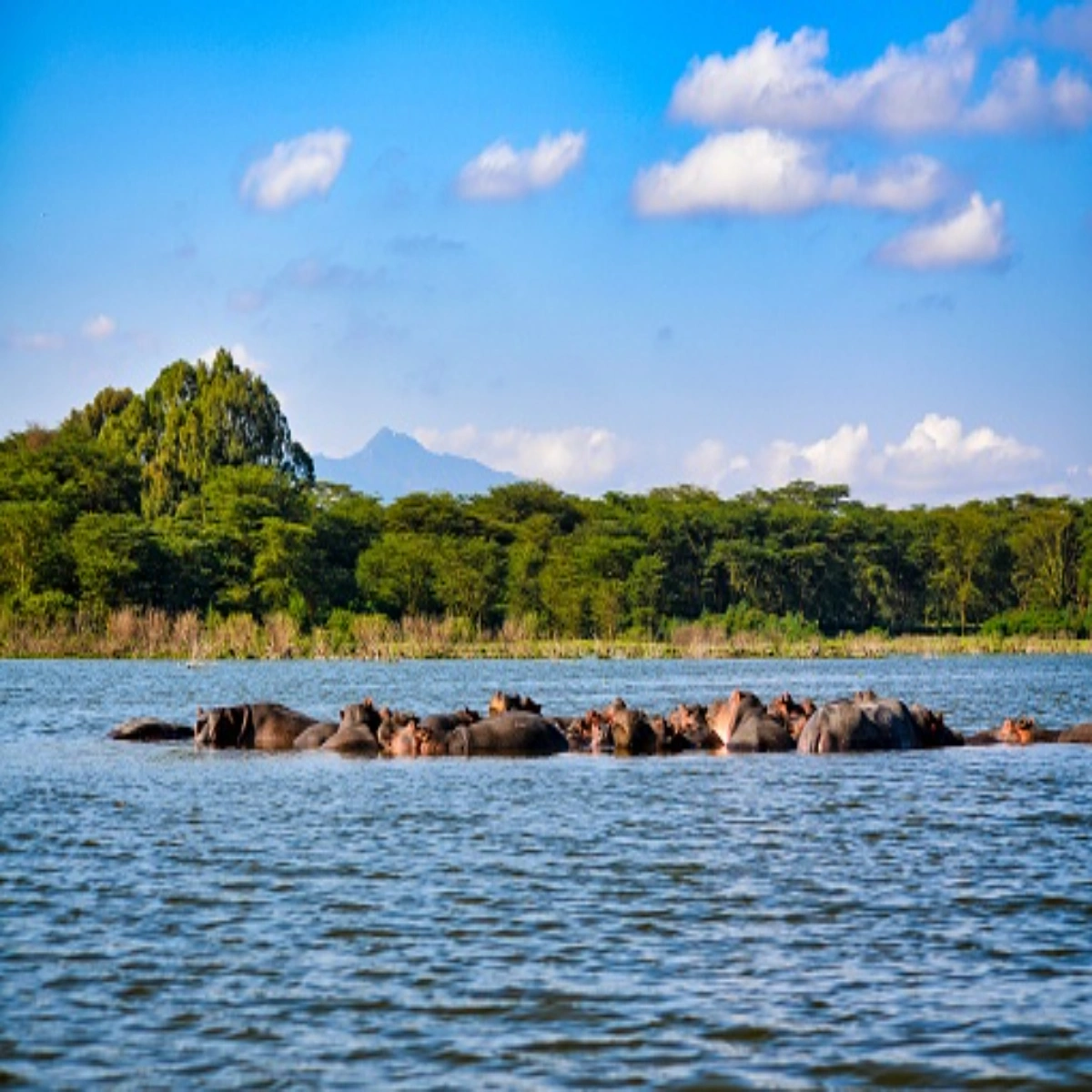
Your guide drives you from Nairobi into the Great Rift Valley, a journey of approximately two to three hours. The destination is Lake Naivasha, a large freshwater lake with a distinct ecosystem.
The afternoon's main activity is a boat safari across the lake. This water-based tour provides close encounters with hippo pods and birdlife such as fish eagles and cormorants.
A popular addition is a guided walking safari on Crescent Island. This sanctuary has no major predators, allowing you to walk near giraffe, zebra, and wildebeest.
Days 3-5: Game Viewing in the Masai Mara

Transfer from Lake Naivasha to the Masai Mara National Reserve occurs by road or a combination of road and air. UK travellers often use a short road transfer to connect with a domestic flight from Wilson Airport to a Mara airstrip.
This flight option reduces travel time and increases time spent on safari. Your accommodation for the next three nights will be a safari lodge or tented camp.
Daily game drives in the reserve focus on tracking the Big 5: lion, leopard, elephant, rhino, and buffalo. The Masai Mara’s high wildlife density makes it the focal point of the itinerary.
The Great Migration, a large-scale movement of wildebeest and zebra, can be witnessed in the Masai Mara between July and October. This event is a primary attraction for safaris during these months.
Day 6: Final Safari and Departure Logistics
The day includes one final early morning game drive in the Masai Mara to see predators when they are most active. Following breakfast, you begin your transfer back to Nairobi.
The return journey to Nairobi is by road or a flight from a local airstrip to Wilson Airport. A subsequent transfer takes you to JKIA for your evening flight to the UK.
Day 7: Journey Home or Coastal Extension
The standard 7-day itinerary concludes with your overnight flight arriving back in the UK on day seven. Travellers with longer trips can connect to a pre-arranged coastal extension on this day.
Short flights from Nairobi connect to beach destinations like Diani or Watamu. This extension provides a few days of relaxation after the safari concludes.
How Does This Kenya Itinerary Balance Travel and Experiences for UK First-Timers?
The 'Rift Valley to Mara' circuit is sequenced to manage the pace of a first safari. The journey from Nairobi to the Mara is broken by an overnight stop in Lake Naivasha, which avoids a single long travel day.
This itinerary structure introduces a new ecosystem every 48 hours. Travellers move from Nairobi's urban environment to Lake Naivasha's freshwater habitat and then to the Masai Mara's open savannahs.
The schedule saves the highest-density wildlife viewing for the end of the trip in the Masai Mara. This structure provides a powerful conclusion to the safari experience.
Domestic flights from Nairobi's Wilson Airport to Mara airstrips make the itinerary more efficient. The flights reduce road travel and increase comfort for UK travellers.
What is the Typical Cost Range for a 7-Day Safari in Kenya for UK Travellers?
The cost for a 7-day 'Rift Valley to Mara' itinerary depends on the travel season and accommodation level. For UK travellers budgeting, per-person costs, excluding international flights, fit into three main tiers.
- Budget/Value: A range of £1,500 - £2,200 per person. This tier includes accommodation in simpler lodges, travel in a shared safari minivan, and set meal plans.
- Mid-Range: Prices are between £2,300 - £3,500 per person. This tier provides accommodation in smaller tented camps, travel in a 4x4 Land Cruiser, and a higher guide-to-guest ratio.
- Luxury: Costs begin from £3,600 per person. This level includes stays at premium camps, private 4x4 vehicles, and internal flights to reduce road travel time.
These price ranges typically cover accommodation, park fees, all meals on 7-day safari, game drives, and ground transfers. UK travellers should also budget for international flights, the Kenyan ETA, travel insurance, drinks, and guide gratuities.
[Contact Kenya Safari Trails for a bespoke safari quote]When is the Best Time of Year for UK Travellers to Undertake This Rift Valley to Mara Safari?
Kenya's two dry seasons offer the best conditions for wildlife viewing. The primary dry season from June to October is the peak travel period. The weather is clear, and animals gather around water sources, making them easier to locate.
This period also aligns with the Great Migration in the Masai Mara. The large herds of wildebeest and zebra typically arrive from Tanzania between July and October.
A shorter dry season from December to March is another excellent period for a safari. The conditions provide good game viewing and allow UK travellers to travel during the British winter.
The rainy seasons from April to May and in November are the low or 'green' seasons. These months offer lower prices and fewer visitors, but wildlife can be harder to spot in the dense vegetation.
What Packing and Health Preparations Are Needed for a Safari in Kenya from the UK?
Careful preparation ensures a comfortable and safe safari experience. UK travellers should focus on practical packing and health precautions before departure.
- Safari Clothing: Pack lightweight layers in neutral colours like khaki, beige, or olive. Include long-sleeved shirts, trousers, a warm fleece for morning drives, and comfortable walking shoes.
- Gear: A pair of binoculars is highly recommended for wildlife viewing. Also pack a camera with a zoom lens, a sun hat, sunglasses, and high-SPF sun cream.
- Health Preparations: Consult a GP or travel clinic 6-8 weeks before your trip for advice on vaccinations and malaria prophylaxis. The Masai Mara is a malarial zone. Pack a personal first-aid kit and an insect repellent containing DEET.
What Are the Recommended Pre and Post-Safari Extensions for UK Travellers?

Many UK travellers extend the 7-day safari to experience more of Kenya. An extra day in Nairobi is a popular pre-safari option to visit the Sheldrick Wildlife Trust and the Giraffe Centre.
The most frequent post-safari extension is a trip to the Kenyan coast. A short flight connects Nairobi to Diani Beach or Watamu for a 'bush and beach' holiday.
A two-night add-on to Amboseli National Park is another strong option for wildlife viewing. The park is known for its large elephant herds and views of Mount Kilimanjaro.
What Practical Steps Are Needed for UK Citizens Planning a Safari in Kenya?
UK citizens should complete several practical steps before travelling to Kenya.
- Visa Requirements: UK passport holders need an Electronic Travel Authorisation (ETA) for Kenya, which requires an online application before travel. Your passport must have at least six months of validity and two blank pages.
- Booking Flights: Direct flights to Nairobi (JKIA) depart from London Heathrow. Other UK airports offer one-stop connections. Booking flights in advance is advisable for peak season travel.
- Travel Insurance: Comprehensive travel insurance is mandatory. The policy must cover medical emergencies, cancellation, and medical evacuation from remote safari locations.
- FCDO Advice: Always check the latest travel advice for Kenya from the UK's Foreign, Commonwealth & Development Office (FCDO) before booking and departure. The FCDO provides current information on safety and entry requirements.
| Itinerary Aspect | Details for UK Travellers | Considerations |
|---|---|---|
| Standard Itinerary | 7-Day Rift Valley to Mara Circuit | Nairobi (1N), L. Naivasha (1N), Masai Mara (3N) |
| Peak Season | June - October & December - March | Coincides with the Great Migration (Jul-Oct) |
| Mid-Range Cost | £2,300 - £3,500 per person | Excludes international flights from the UK |
| Entry Requirement | Electronic Travel Authorisation (ETA) | Apply online before departure |
| Health Priority | Malaria Prophylaxis | Consult a GP 6-8 weeks before travel |