This four-day safari itinerary combines Amboseli National Park and Tsavo West National Park. The plan covers two distinct Kenyan ecosystems, moving from Amboseli's open plains to the volcanic terrain of Tsavo West.
It focuses on flagship wildlife viewing opportunities and unique geological features connecting the two parks.
Amboseli's Open Plains vs Tsavo's Volcanic Bush Terrain
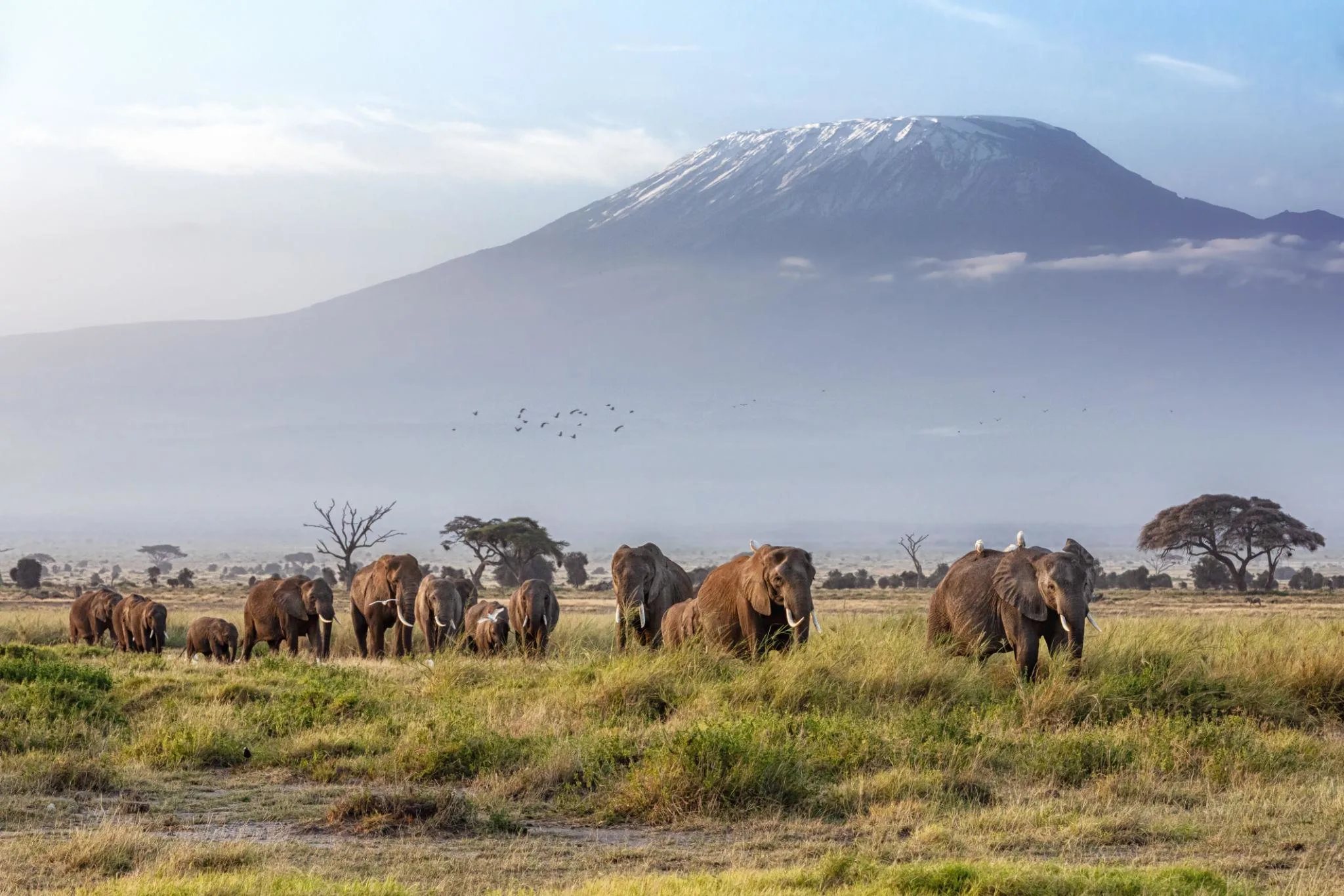
The primary difference between Amboseli and Tsavo West is the terrain, which directly influences wildlife viewing. Amboseli National Park is characterized by vast, open, and dusty plains fed by underground springs from Mount Kilimanjaro.
This environment creates large swamps that attract congregations of elephants and other herbivores, making them easy to spot from a distance. Tsavo West National Park presents a contrasting landscape of dense acacia woodland, volcanic hills, and rugged lava flows.
Wildlife in Tsavo West is often more challenging to locate due to the thick vegetation, requiring a different and more patient safari approach.
Shetani Lava Flow Connector Drive
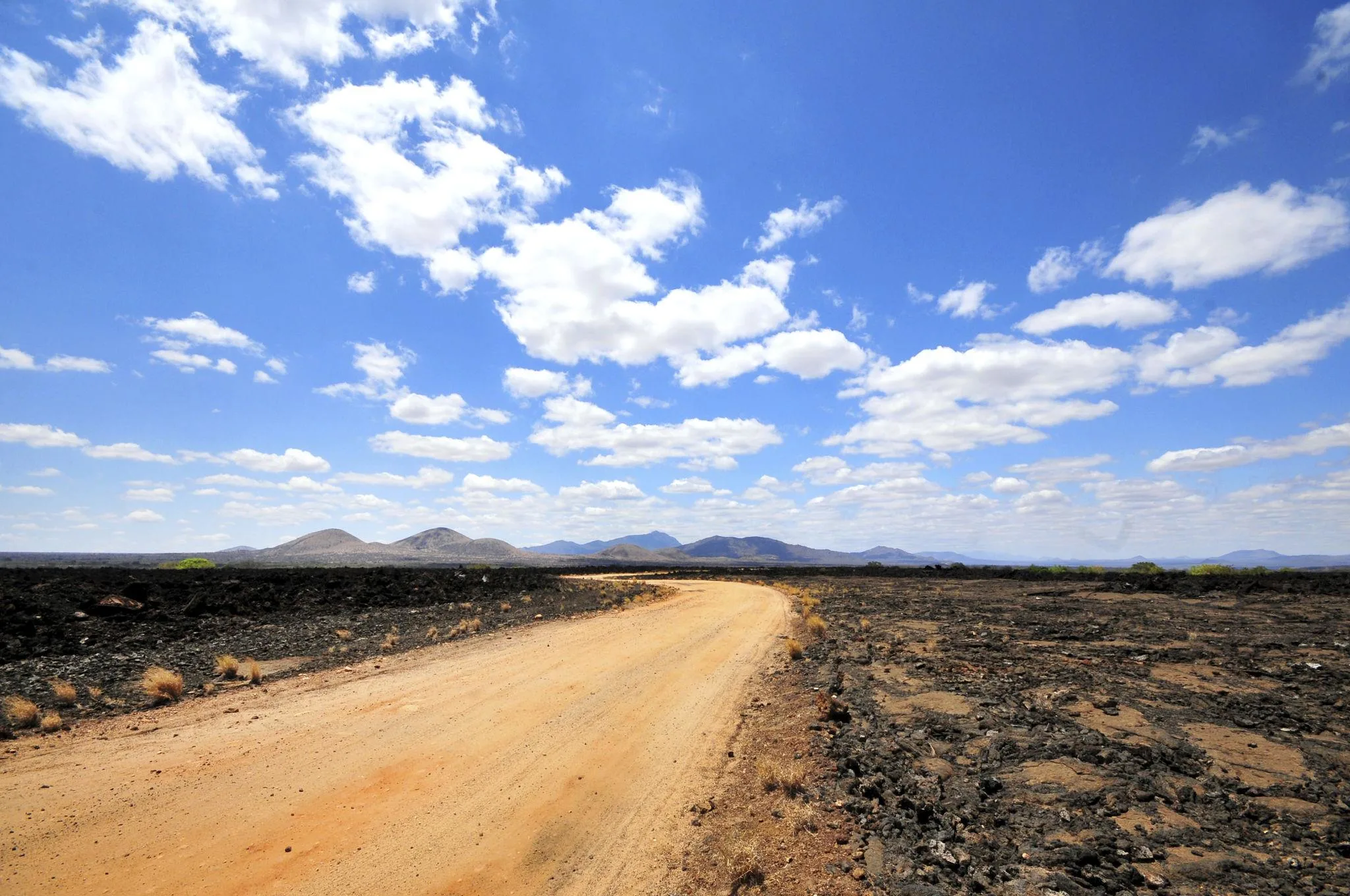
The drive between Amboseli and Tsavo West is a key geological component of this itinerary. The route passes directly through the Shetani Lava Flow. This massive expanse of folded, black volcanic rock formed from a recent eruption a few hundred years ago.
The name "Shetani" means "devil" in Swahili, as local communities believed the eruption was an act of supernatural forces. Driving through this area provides a clear visual transition from Amboseli's ecosystem to the volcanic geology that defines Tsavo West.
Day 1: Amboseli Arrival and Elephant Spotting
Your safari begins with a morning drive from Nairobi to Amboseli National Park, a journey of approximately four to five hours. After arriving and checking into your chosen lodge or camp, you will have lunch and a brief rest.
Afternoon Game Drive
The first game drive focuses on acclimatizing to the park's environment. The primary objective is locating the large herds of elephants for which Amboseli is famous.
The open terrain and sparse vegetation make this an achievable goal. With clear weather, Mount Kilimanjaro provides a dramatic backdrop for photography. The drive typically lasts until sunset before you return to your accommodation for the evening.
Day 2: Amboseli Game Drives: Big Tuskers
This day is dedicated to a full exploration of Amboseli National Park, targeting wildlife when it is most active. The schedule is split into two main game drives.
Morning Game Drive
An early start allows you to search for predators like lions, cheetahs, and hyenas returning from their nocturnal hunts.
The cool morning air also brings out numerous plains animals, including zebra, wildebeest, and various gazelle species. This drive often includes a visit to the swamps where elephants, hippos, and water birds congregate.
Observation Hill
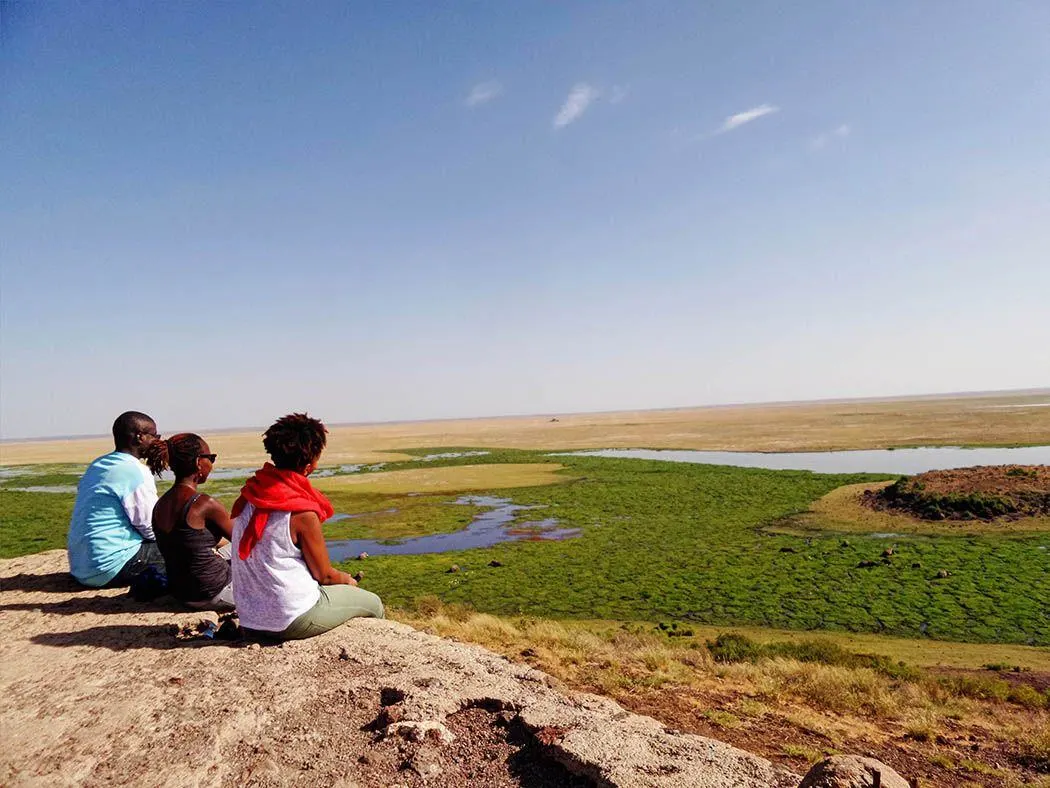
In the afternoon, after lunch, the game drive can include a stop at Observation Hill. This is one of the few places in the park where you can safely leave your vehicle.
A short walk to the summit offers a panoramic view of the entire park, including the swamps and surrounding plains, providing a useful perspective on the scale of the ecosystem.
Day 3: Tsavo West: Mzima Springs Underwater Hide
Day three involves a transfer from Amboseli to Tsavo West, a journey that includes significant sightseeing. The drive itself is part of the safari experience, crossing the Shetani Lava Flow.
Journey to Tsavo West
After a final, brief morning game drive in Amboseli, you will depart for Tsavo West. The drive takes you east, with the landscape gradually changing from open plains to the scrub and volcanic hills of the Tsavo conservation area.
You will enter Tsavo West through the Chyulu Gate. Upon arrival, you will proceed to your lodge for check-in and lunch before the afternoon's main activity.
Mzima Springs Underwater Hide
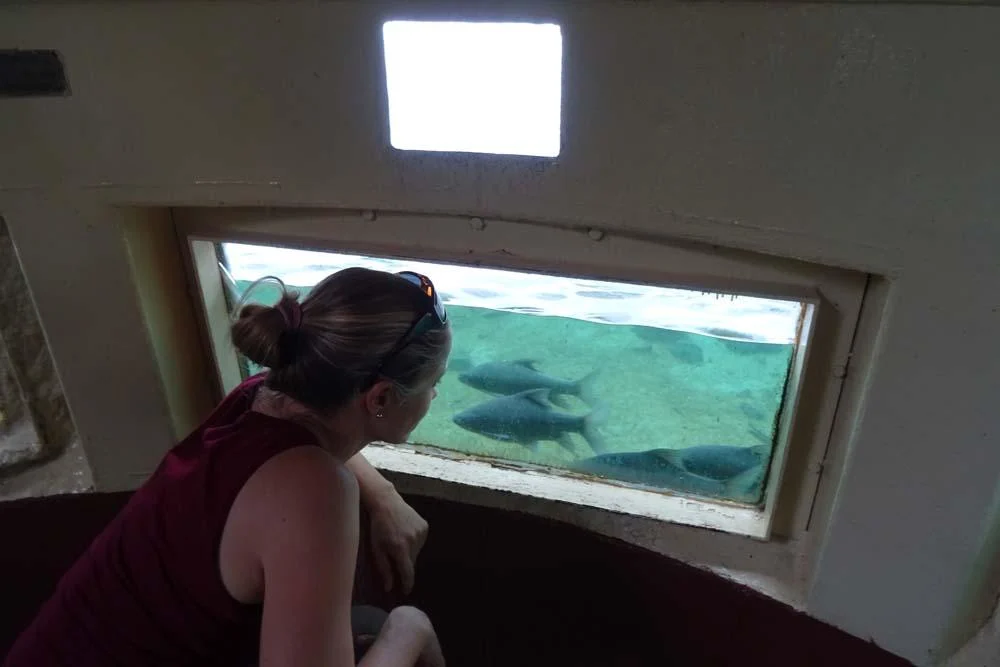
The afternoon excursion is to Mzima Springs. This series of four natural springs creates clear pools of water filtered through the volcanic rock of the Chyulu Hills. The site features a unique underwater viewing hide.
Visitors can descend into a glassed chamber to observe hippos and crocodiles in their natural aquatic environment, along with numerous species of fish.
Rhino Sanctuary Visit
Following Mzima Springs, you will proceed to the Ngulia Rhino Sanctuary. This fenced conservation area within Tsavo West provides a protected habitat for the critically endangered black rhino.
A game drive inside the sanctuary offers a high probability of sighting these animals, which are otherwise extremely elusive in the dense park vegetation.
Day 4: Tsavo West Exploration & Departure
The final day provides one last opportunity for a game drive in a different section of Tsavo West National Park. This drive can focus on areas not previously visited, such as the rocky kopjes where klipspringer are often seen or the open grasslands that may harbor cheetahs.
After the morning game drive, you will return to your lodge for breakfast before beginning the drive back to Nairobi or proceeding to the coast.
Wildlife to Expect: Elephants, Lions, Cheetahs, Rhinos, Birds
The two parks offer sightings of different animals due to their distinct habitats. Below is a comparison of common wildlife and their viewing probability in each location.
| Animal | Amboseli National Park | Tsavo West National Park |
|---|---|---|
| Elephant | Very High | High (but harder to spot in bush) |
| Lion | Moderate | Moderate |
| Cheetah | Moderate | Low |
| Leopard | Low | Low (very elusive) |
| Black Rhino | Absent | High (within sanctuary) |
| Hippo | High (in swamps) | Very High (at Mzima Springs) |
| Giraffe | High | High |
| Zebra / Wildebeest | Very High | High |
| Birdlife | High (esp. water birds) | High (diverse species) |
Best Time to Visit: Dry Season Advantages
The best time to visit both Amboseli and Tsavo West is during the long dry season from June to October. The reduced rainfall during these months leads to thinner vegetation, which improves visibility, especially in the dense bush of Tsavo West.
Animals also tend to congregate around permanent water sources like the Amboseli swamps and Mzima Springs, making them easier to locate. The short dry season from January to February is another good period.
The wet seasons (March-May and November-December) can bring heavy rains that make some roads impassable.
Accommodation Options: Lodges and Campsites
Both parks offer a range of accommodation. Options exist inside the park for immediate access to wildlife areas and outside for more budget-conscious travelers.
Inside the Parks
- Amboseli: Options include Ol Tukai Lodge, Amboseli Serena Safari Lodge, and Tortilis Camp. These are located centrally, offering excellent views and quick access to game drive circuits.
- Tsavo West: Kilaguni Serena Safari Lodge (overlooks a waterhole), Finch Hattons Luxury Tented Camp, and Severin Safari Camp are popular choices inside the park.
Outside the Parks
- Near Amboseli, lodges like Kibo Safari Camp are situated just outside the park gates.
- For Tsavo West, there are fewer options immediately outside the main gates, with most accommodation located within the park boundaries or in the nearby Taita Hills Sanctuary.
Budgeting for Your Safari: Estimated Costs
The cost of a 4-day safari to Amboseli and Tsavo West varies based on accommodation level, group size, and season. The primary costs are park fees, vehicle/guide rental, and lodging.
| Expense Category | Estimated Cost (per person per day) |
|---|---|
| Park Entry Fees (Non-Resident Adult) | $60 (Amboseli) + $52 (Tsavo West) |
| Accommodation (Mid-Range) | $150 - $350 |
| 4x4 Safari Vehicle with Guide (Shared) | $200 - $300 (per vehicle per day) |
| Food and Water | Included with most lodge packages |
A mid-range budget for this 4-day itinerary typically falls between $1,500 and $2,500 per person, all-inclusive from Nairobi.
Getting Around: Safari Vehicle Recommendations
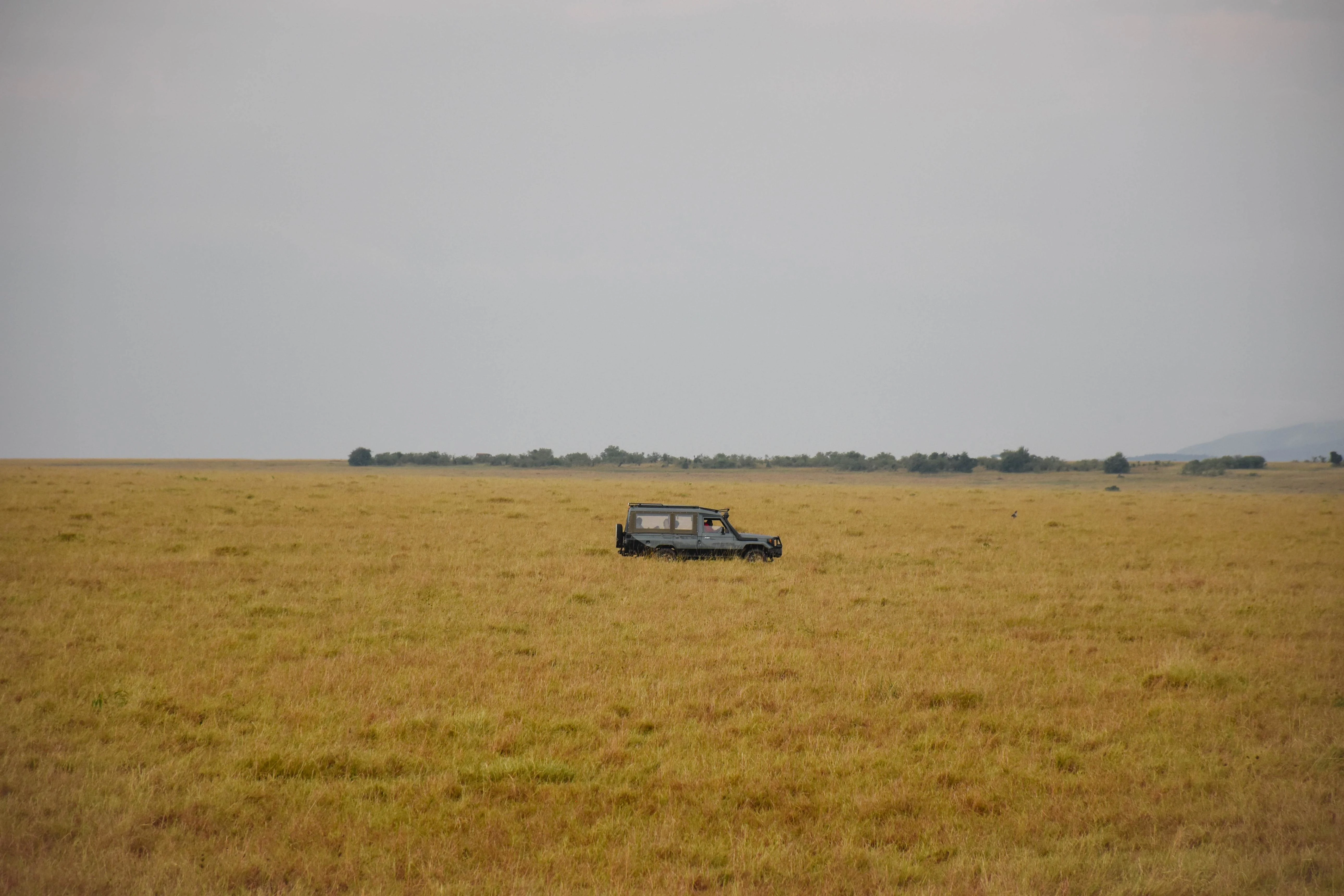
A 4x4 vehicle is required for this itinerary. The roads within both parks can be rough, with dirt tracks and occasional rocky sections.
A high-clearance vehicle like a Toyota Land Cruiser or a safari-converted minivan provides the necessary capability and improved viewing height.
A professional safari guide is also recommended for their expertise in navigation, wildlife spotting, and park regulations.
Safety Considerations: Park Regulations and Guidelines
Travel to Amboseli and Tsavo West is safe when following park regulations and guide instructions. Safety protocols are in place to protect both visitors and wildlife.
Wildlife Safety
- Always maintain a safe distance from animals.
- Never exit the vehicle except in designated areas like picnic sites or viewpoints.
- Do not feed any wildlife.
- Keep noise to a minimum to avoid disturbing animals.
General Guidelines
- Adhere to the park speed limit, which is typically 40 km/h.
- All driving must be completed between 6:00 AM and 6:00 PM. No night driving is permitted.
- Follow your guide's instructions at all times. They are trained in animal behavior and safety procedures.
Beyond Game Drives: Cultural Experiences
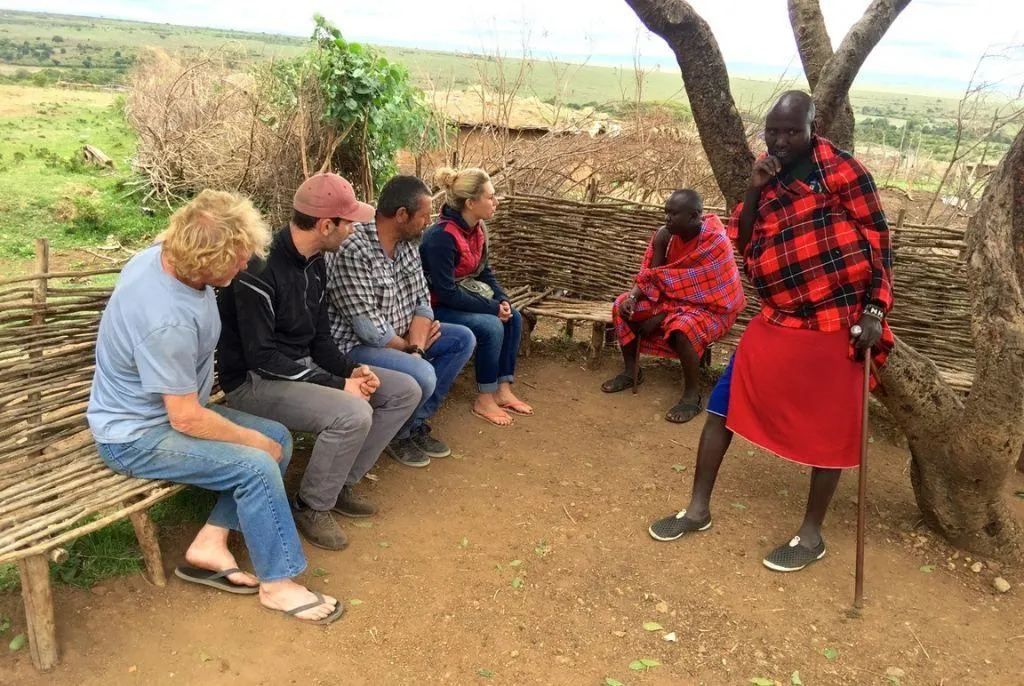
This itinerary can include activities beyond standard game drives. Near Amboseli, it is possible to arrange a visit to a local Maasai community.
These visits typically offer a guided tour of a traditional village (manyatta), an explanation of Maasai culture and customs, and a display of traditional song and dance.
This provides context on the people who have coexisted with the region's wildlife for centuries. These experiences must be arranged through your tour operator or lodge.
What Other Itineraries Miss: Detailed Geological Context
Many itineraries treat the drive between Amboseli and Tsavo West as a simple transfer. This misses the geological significance of the journey. The stark contrast between the two parks is not accidental.
Amboseli's ecosystem is a direct result of the hydrology of Mount Kilimanjaro, whose meltwater flows underground for miles to emerge in the park's swamps. Tsavo West's environment is entirely shaped by recent volcanic activity from the Chyulu Hills.
Features like the Shetani Lava Flow and the crystal-clear Mzima Springs, whose water is filtered through volcanic rock, are direct products of this geology. Understanding this context elevates the trip from a simple wildlife viewing tour to a study of two interconnected yet fundamentally different natural systems.