Kenya's key safari policies for families state that standard game drives have no age limits, while walking safaris require children to be 12 years or older.
Parents must also weigh the security differences between fenced and unfenced camps and arrange pediatric malaria prophylaxis before travel. This guidance details the specific safety attributes and rules for planning a secure family safari holiday.
Age Restrictions for Game Drives and Walking Safaris in Kenya

Standard vehicle-based game drives in Kenya do not have minimum age limits. This policy allows families with young children to view wildlife from the safety of a 4x4 vehicle.
Walking safaris have strict age restrictions, with a typical minimum age of 12 years. Certain safari operators may set this minimum age as high as 16 years.
These age limits are a safety measure. A walking safari means encountering wildlife without the protection of a vehicle. The activity requires maturity, physical stamina, and the ability to follow a guide's instructions without hesitation. The age restriction protects the group and reduces the risk of a child's unpredictable reaction startling a dangerous animal.
Many family-focused lodges in private conservancies provide guided 'bush walks' for younger children. These walks occur in designated safe areas and focus on tracking, insects, and plant life, offering a safe and educational alternative to a full walking safari.
How Do Fenced Versus Unfenced Safari Camps Affect Child Safety?
The choice between a fenced and an unfenced safari camp is a significant safety decision for parents. Fenced camps feature a physical barrier, like an electric or post-and-wire fence, enclosing the property. This barrier prevents large wildlife from entering the grounds.
The fence allows children more freedom to move between a family tent, dining area, and swimming pool without a constant, immediate escort. This feature provides a more relaxed environment for families with toddlers or very young children.
Unfenced camps deliver a more immersive wilderness experience, as animals roam freely through the property. This freedom necessitates stringent safety rules. Adults must supervise children at all times in unfenced camps. After dark, an escort, typically an askari (guard), must accompany all guests moving around the camp.
An unfenced camp can provide a thrilling connection to the bush for families with older, responsible children, provided everyone follows the camp's safety protocols.
Malaria Prevention Recommended for Children on a Kenya Safari
Effective malaria prevention for children in Kenya Safari requires a combination of doctor-prescribed medication and diligent bite-avoidance tactics. Parents must consult a UK GP or a specialist travel clinic well before departure. A medical professional will provide current advice based on a child’s age, weight, and medical history.
Prescribed Anti-Malarial Medication
Several anti-malarial medications are safe for children. Malarone (atovaquone/proguanil) is often prescribed for children over 5kg because it has a relatively mild side-effect profile.
Lariam (mefloquine) and Doxycycline are other options, but these are typically for older children and have more specific guidelines. A GP will prescribe the correct medication and dosage for your child.
Practical Bite-Prevention Methods
Pharmaceuticals should be combined with physical bite-prevention methods.
- Apply an effective insect repellent containing DEET or Picaridin, following the product instructions for use on children.
- Dress children in long-sleeved shirts and long trousers, particularly in the evening and early morning.
- Ensure your accommodation provides and correctly uses mosquito nets over all beds.
- Keep tent flaps or room doors and windows closed to stop mosquitoes from entering.
Core Safety Rules for a Kenya Safari with Children
Core safety on a Kenya safari with children depends on following the guide’s instructions, disciplined camp conduct, and protection from the sun and heat. A safari guide is a trained professional responsible for your family's safety. Reinforcing the guide's authority with your children is a primary parental duty.
Parents should establish these fundamental safety rules with their children:
- In the Safari Vehicle: Children must remain seated when the vehicle is moving. All limbs must be kept inside the vehicle at all times. Voices must be kept low to avoid disturbing wildlife.
- At the Safari Camp: Children must never wander off alone. In an unfenced camp, an adult must accompany children at all times outside the tent. Report any wildlife seen in camp to a staff member immediately and quietly.
- During Wildlife Sightings: Do not shout, wave, or make sudden movements. Never feed any animal. The guide will direct a safe and respectful viewing distance.
- Sun and Hydration Safety: The Kenyan sun is powerful. Children should wear wide-brimmed hats and high-SPF sunscreen. They must drink water regularly throughout the day to stay hydrated.
Specific Safari Activities Available for Different Age Groups
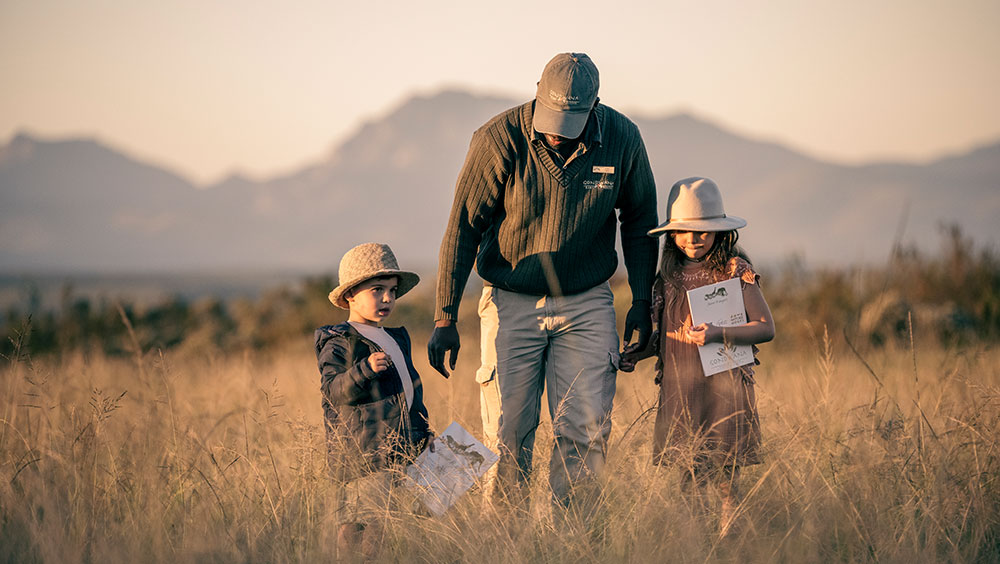
Yes, many Kenyan camps and lodges offer tailored activities for different age groups to keep children engaged and safe. These programmes extend beyond standard game drives.
For toddlers and younger children (ages 2-6), activities are shorter and more contained. These can include 1-2 hour game drives near the camp, time at the swimming pool, or supervised craft sessions.
Primary school-aged children (ages 7-12) are ideal for structured educational activities. Many camps offer 'Junior Ranger' programmes, where a guide teaches animal tracking, spoor identification, and basic bush skills. Guided nature walks within the camp's perimeter and visits to local Maasai villages are also very popular.
Teenagers (13+) can participate in the full range of safari activities, including longer game drives and walking safaris if they meet the age requirement. Activities that appeal to teenagers include photography tuition, learning about conservation projects, or horse riding and quad biking in specific private conservancies.
Kenya Destinations and Camps Suit Families with Young Children
The Maasai Mara is a superb choice for families because its high wildlife density means shorter game drives are very productive, which suits children's attention spans. Amboseli National Park, with its large elephant herds and views of Kilimanjaro, is another family-friendly destination.
Private conservancies like Ol Pejeta and those in the Laikipia region are exceptionally well-suited to families. These areas have fewer visitor restrictions than national parks and offer dedicated family programmes.
When selecting accommodation, look for specific family-friendly features:
- Family Tents or Interconnecting Rooms: These layouts keep parents and children close and secure at night.
- Swimming Pools: A pool provides an outlet for children's energy during the midday heat.
- Kids' Clubs and Babysitting: Some properties offer dedicated clubs or can arrange babysitting services.
- Flexible Dining: Lodges with children's menus and flexible meal times simplify the daily routine.
How Private Conservancies Accommodate Younger Children
Kenya’s private conservancies offer more flexibility for families than national parks. These large land tracts are managed for conservation and border the main parks. Conservancies operate with fewer vehicles, providing a more exclusive safari with rules that can be adapted for family needs.
In conservancies like Lewa or Ol Pejeta, the strict 12+ age limit for walking safaris can be modified. A family with a 9-year-old, for instance, might take a short, guided 'poo safari' near the lodge to identify animal tracks and droppings. These controlled activities are safe, educational, and give younger children an on-foot bush experience.
Conservancies also permit activities not allowed in national parks, such as night drives, which are exciting for older children. They are also home to Kenya's leading family-focused camps that build their programmes around 'junior ranger' activities.
Health Preparations Needed for Children on a Kenya Safari
Health preparations for children travelling to Kenya include a consultation with a UK paediatrician for vaccinations, a comprehensive first-aid kit, and robust travel insurance. Parents should schedule a medical appointment well before travel to update routine immunisations and receive advice on travel-specific vaccinations like Hepatitis A, Typhoid, and potentially Yellow Fever.
A paediatric first-aid kit should contain the child’s prescription medications and child-formulated remedies for pain, fever, insect bites, upset stomachs, and allergies. The kit must also include antiseptic wipes, plasters, and rehydration salts.
Family travel insurance is a mandatory requirement. The policy must provide full medical cover for every family member and include emergency medical evacuation. This coverage ensures access to high-quality medical facilities in the event of a serious illness or injury in a remote location.
Structuring a Family Safari Itinerary in Kenya
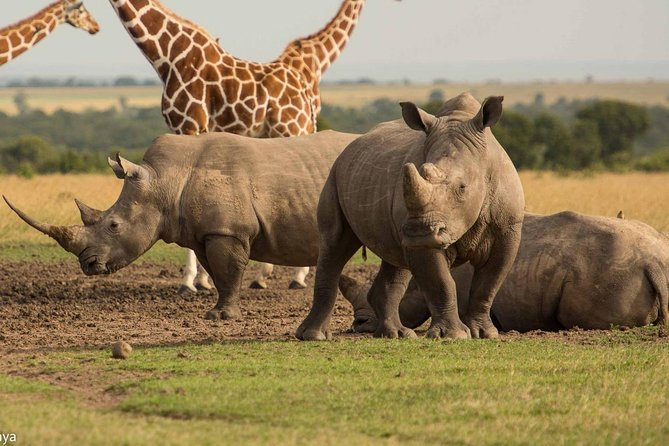
An ideal family safari itinerary in Kenya should have a slower pace with planned downtime. The schedule should mix game drives with other activities and use short flights instead of long road transfers. Successful family trips balance activity with time to relax at the camp pool or rest.
Varying the experiences maintains children's interest. An itinerary could alternate a morning game drive with an afternoon cultural visit to a local village. This variety prevents 'game drive fatigue' and broadens a child's understanding of Kenya.
Short internal flights between reserves are preferable to long road transfers. Flights save time and reduce travel-related stress for families.
The itinerary must be flexible. A great family itinerary allows for spontaneous naps or an early end to a game drive if a child is tired. Working with a specialist family safari operator helps design a practical, age-appropriate plan with this flexibility built in.
Questions You Should Ask a Safari Operator About Family Travel
Before booking, parents should vet a tour operator to confirm their expertise in planning family holidays. A specialist understands the details of travelling with children and will select suitable accommodation and guides. Ask specific questions to confirm their suitability for your family.
Your checklist should include:
- What is your experience organising safaris for families with children our age?
- Do the proposed camps have family rooms, child-friendly menus, and pool fences?
- Are the safari guides experienced with children and skilled at engaging them?
- What are the child discount policies for accommodation and park fees?
- Can the daily itinerary be flexible to accommodate a child's energy levels?
- What are your emergency procedures and communication systems in remote areas?
Kenya Safari with Children Key Facts
| Activity or Consideration | Minimum Age Requirement | Key Recommendation |
|---|---|---|
| Standard Game Drives | None | Suitable for all ages; children must remain seated. |
| Walking Safaris | 12+ years (sometimes 16+) | Strictly for older, mature children who can follow commands. |
| Fenced Camps | All ages | Recommended for families with toddlers for a more relaxed stay. |
| Unfenced Camps | Best for older children (8+) | Requires constant adult supervision and adherence to rules. |
| Malaria Prophylaxis | Consult GP (options from 5kg) | Consult a UK travel clinic 6-8 weeks before departure. |