Kenya safari cost increases significantly during December, driven by peak season conservation charges and mandatory festive lodge surcharges. UK travellers planning a trip for December must budget for these higher costs, particularly between 20 December and 2 January. The most notable increases affect non-resident park entry fees and accommodation rates across all major safari destinations.
Kenya safari costs that increase during December
Kenya's safari park fees for UK travellers rise for the entire month of December, with costs reaching their highest point during the festive period from 20 December to 2 January. This price increase reflects high demand over the Christmas and New Year holidays and primarily affects non-resident adults. The elevated park entry fees are mandatory and non-negotiable for all international visitors entering national parks and reserves during this period.
How do Masai Mara entry fees differ from KWS park fees in December?
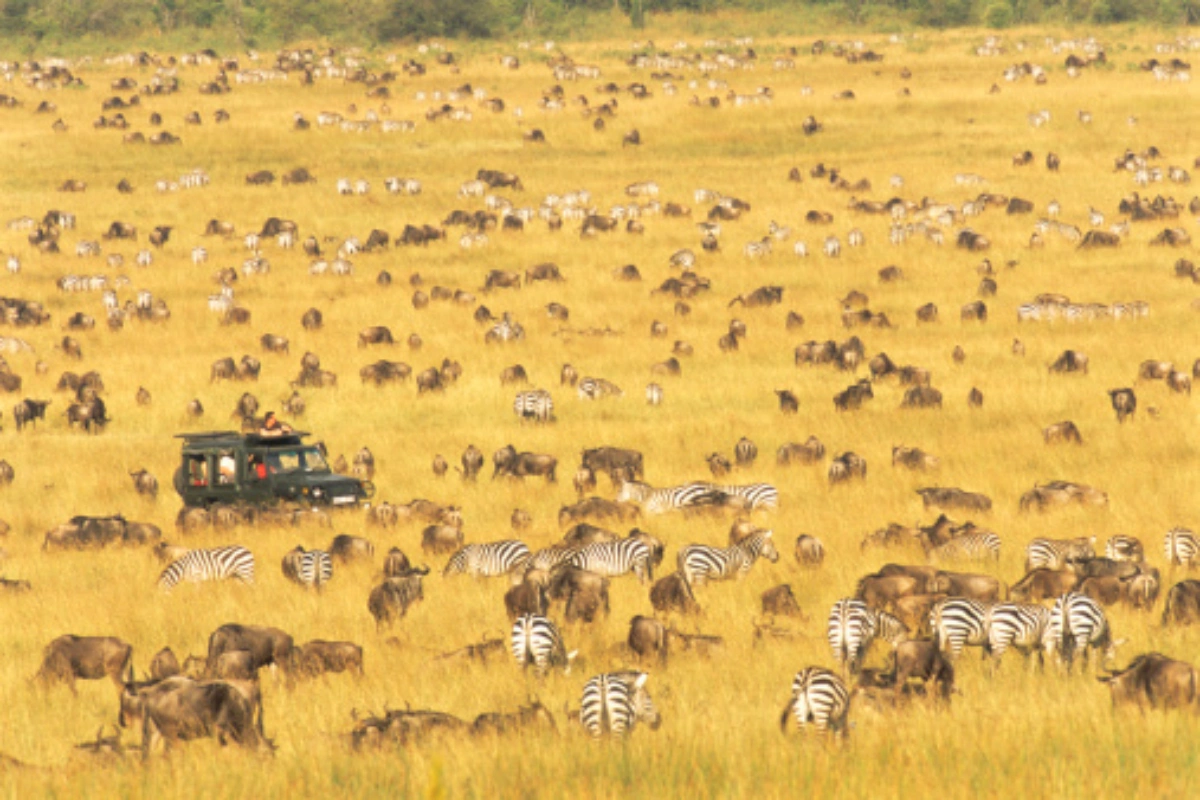
Understanding the separate fee structures for the Masai Mara National Reserve and parks managed by the Kenya Wildlife Service (KWS) is necessary for accurate safari budgeting. Each system has different pricing and validity rules that affect itinerary planning.
Masai Mara 12-hour fee structure
The Masai Mara National Reserve, governed by Narok County, uses a distinct pricing model. For December, the non-resident adult entry fee is $200 per person. This fee is valid for a single 12-hour period, meaning a ticket purchased at 7 am expires at 7 pm on the same day. The strict 12-hour cycle requires careful planning to maximise game viewing time.
KWS 24-hour fee structure
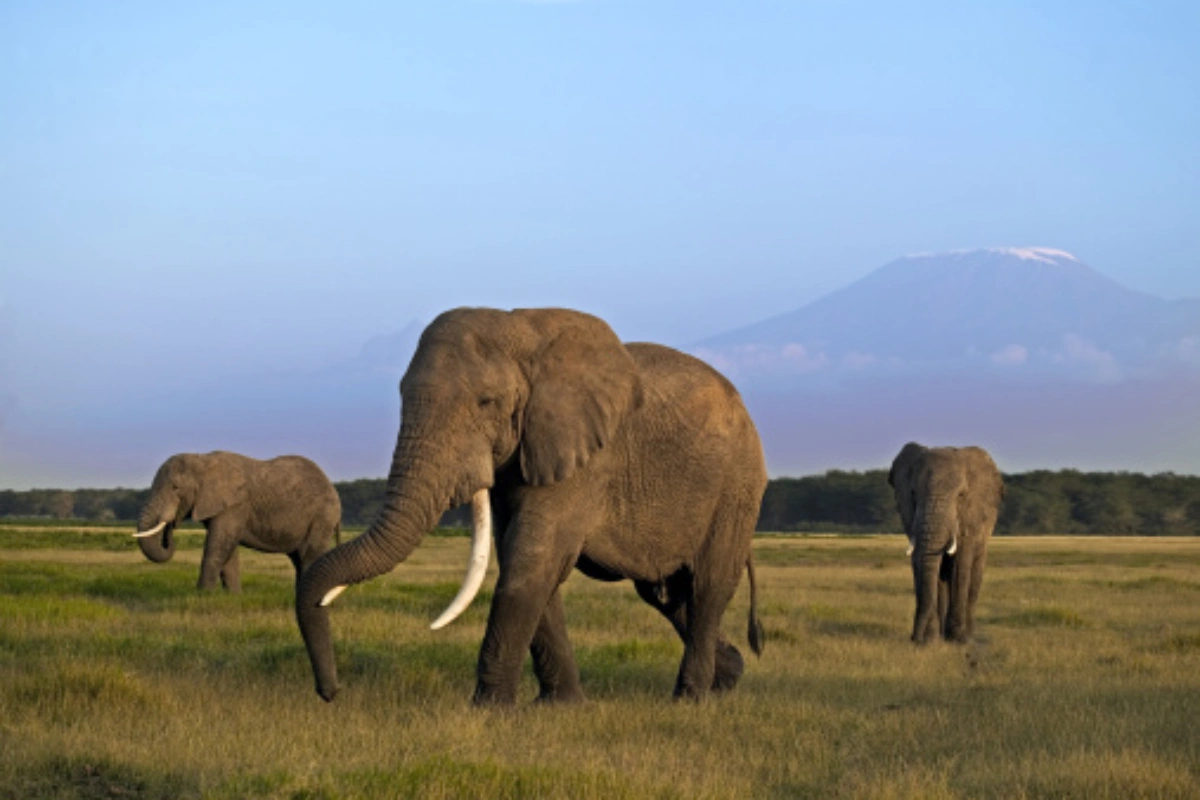
Parks managed by the national Kenya Wildlife Service operate with a different rate card. Premium KWS parks like Amboseli National Park charge a high-season fee of $90 per non-resident adult per day. Other key locations, including Lake Nakuru and Nairobi National Park, have a daily rate of $80. KWS tickets are typically valid for a 24-hour period from the time of entry, which offers greater flexibility than the Masai Mara's system.
What mandatory holiday surcharges apply to Kenya safari lodges in December?

Accommodation costs experience their sharpest increase during the peak festive fortnight. From approximately 20 December to 2 January, almost all safari lodges and camps add mandatory holiday surcharges. These non-negotiable fees range from $50 to $250 per person, per night, on top of the standard room rate.
The festive surcharge is often paired with other compulsory terms. Many properties enforce minimum-stay rules, requiring a booking of three to five nights over Christmas and New Year. Guests are also frequently required to pay for compulsory gala dinners on Christmas Eve, Christmas Day, and New Year's Eve. These fixed-cost meals are an unavoidable expense for stays during this period.
What are the strategies to reduce December Kenya safari costs?
UK travellers can employ several strategies to manage a December safari budget. The most effective method is to travel during the shoulder period, between 1 December and 19 December. Many lodges do not apply their peak festive rates and surcharges during these weeks, offering significant savings on accommodation.
Booking a safari package far in advance is another key strategy. Securing your trip a year or more beforehand can lock in prices before annual increases and guarantees availability at better-value lodges. You can also consider exploring parks beyond the main tourist circuits. Destinations like Meru National Park or the Chyulu Hills provide superb wildlife viewing with potentially lower accommodation costs and fewer visitors.
How do you pay Kenya park fees using the eCitizen platform?
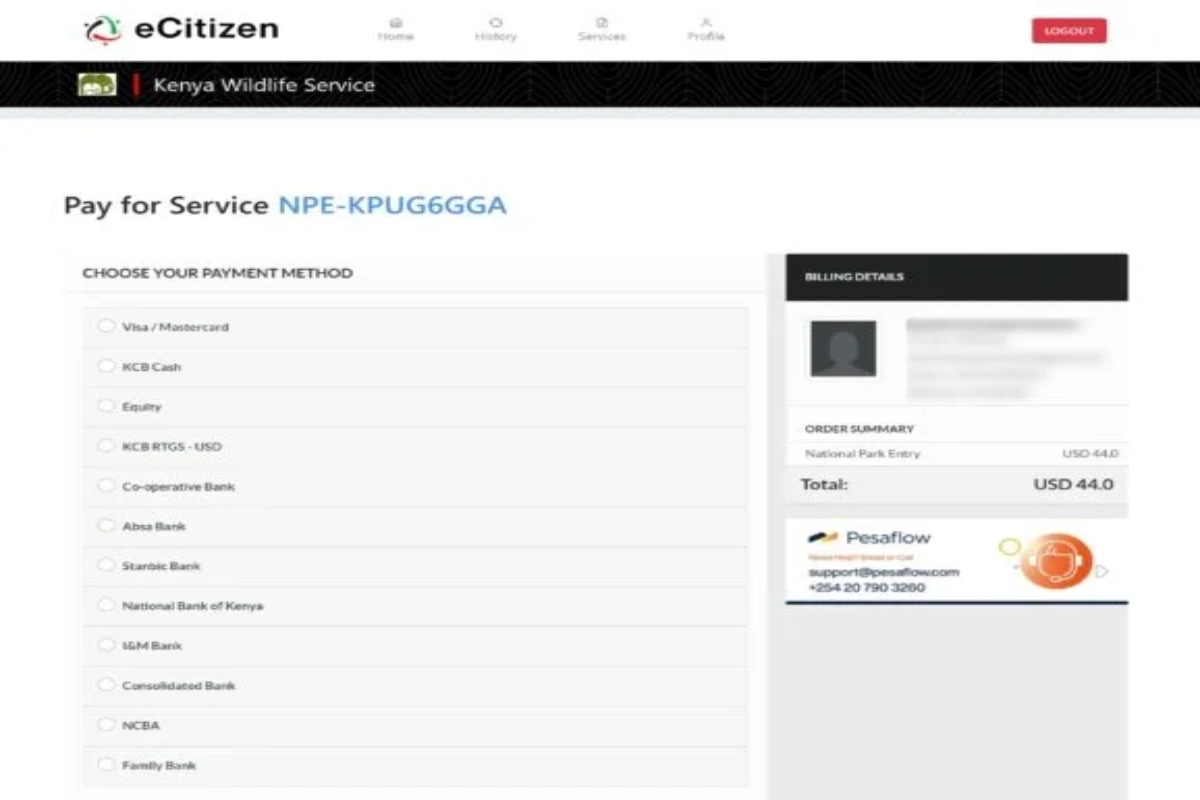
Payment for all parks managed by the Kenya Wildlife Service must be made digitally via the government's eCitizen platform, as cash is no longer accepted at park gates. UK travellers need to register for an account on the eCitizen website, which is a straightforward process requiring personal details.
After registration, you navigate to the Kenya Wildlife Service section to select the park and pay the fees with a credit or debit card. Completing this payment before arriving at the park gate ensures a smooth entry. Your safari operator can usually manage this process, but independent travellers should confirm their cards are authorised for foreign transactions.
What are the budget implications of minimum stay rules and gala dinners?
Minimum-stay rules and compulsory gala dinners directly increase the cost of a festive safari. A typical three-to-five-night minimum stay policy prevents shorter itineraries, locking you into a longer and more expensive stay at one property. This structure can limit plans to visit multiple parks within a short timeframe.
Compulsory gala dinners add another fixed cost, often between $80 to $150 per person for each event. A family of four attending dinners on both Christmas and New Year's Eve could see over a thousand dollars added to their final bill. It is important to confirm if these specific costs are included in any quote from a tour operator.
| Kenya Safari Cost Component (December) | Typical Rate (Non-Resident Adult) | Notes |
|---|---|---|
| Masai Mara Park Fee | $200 per person | Valid for a strict 12-hour period. |
| Premium KWS Park Fee (e.g., Amboseli) | $90 per person | Valid for 24 hours from entry. |
| Standard KWS Park Fee (e.g., Lake Nakuru) | $80 per person | Valid for 24 hours from entry. |
| Festive Lodge Surcharge (Dec 20 - Jan 2) | $50 - $250 per person, per night | This is an additional, non-negotiable fee. |
| Compulsory Gala Dinner | $80 - $150 per person | Applies on Christmas Eve/Day & New Year's Eve. |
How do shoulder vs peak festive season rates compare for UK travellers?
The financial difference between visiting Kenya in early December versus the festive period is substantial for UK travellers. The primary cost variable is accommodation, even though high-season park fees often apply for the entire month. A safari planned between 1 and 19 December benefits from 'shoulder season' lodge rates, which are markedly lower than peak festive pricing.
From 20 December, rates climb sharply with the addition of mandatory festive surcharges ($50-$250 per person, per night). A couple on a five-night stay could save between $500 and $2,500 on accommodation alone by travelling just one week earlier. This timing adjustment provides a more cost-effective holiday without affecting the quality of wildlife viewing.
How can UK travellers navigate exchange rate fluctuations?
Currency exchange rates are a frequently overlooked factor in safari budgeting. Most safari costs, from park fees to lodge rates, are quoted in US Dollars (USD). For UK travellers paying in Great British Pounds (GBP), the final cost is sensitive to the GBP/USD exchange rate. An unfavourable rate can add hundreds of pounds to the total holiday price.
To reduce this risk, book your safari through a UK-based specialist operator that offers a fixed price in GBP. This transfers the currency risk from the traveller to the company. For direct payments, using a multi-currency travel card can help lock in a favourable exchange rate before your trip, providing more cost certainty.
How should you plan a peak season Kenya safari budget?
A realistic budget for a December safari in Kenya requires accounting for all potential on-the-ground expenses beyond flights and accommodation. A comprehensive plan should include the following key costs:
- International and internal flights
- All accommodation, including festive surcharges
- Non-resident park and conservancy fees
- Compulsory gala dinner fees
- Private vehicle and guide fees
- Meals and drinks not included in your plan
- Staff tips and gratuities
- Kenyan visa fees and travel insurance
It is also sensible to allocate a contingency fund of around 10% of the total budget for unforeseen expenses. Requesting a fully itemised quote from your safari operator is the most effective way to see a clear breakdown of all charges.
How to plan and book a December safari in Kenya
Planning a December safari in Kenya requires booking 12 to 18 months in advance due to high demand and complex pricing. This lead time ensures the best choice of accommodation and secures availability, especially for families or honeymooners with specific lodging needs.
Working with a reputable safari specialist is highly recommended. Their expertise helps navigate the various fees, surcharges, and logistical challenges of the peak season. An expert can provide transparent, all-inclusive pricing in GBP, manage digital payments, and plan an efficient itinerary around rules like the Masai Mara's 12-hour ticket. This professional oversight helps ensure a stress-free safari during Kenya's busiest month. [Contact our safari specialists]