A comparison of Mount Kenya versus Kilimanjaro for an expedition shows two distinct experiences for UK travellers. Mount Kenya offers a more affordable and solitary trek with a technically demanding, steeper, and rockier challenge.
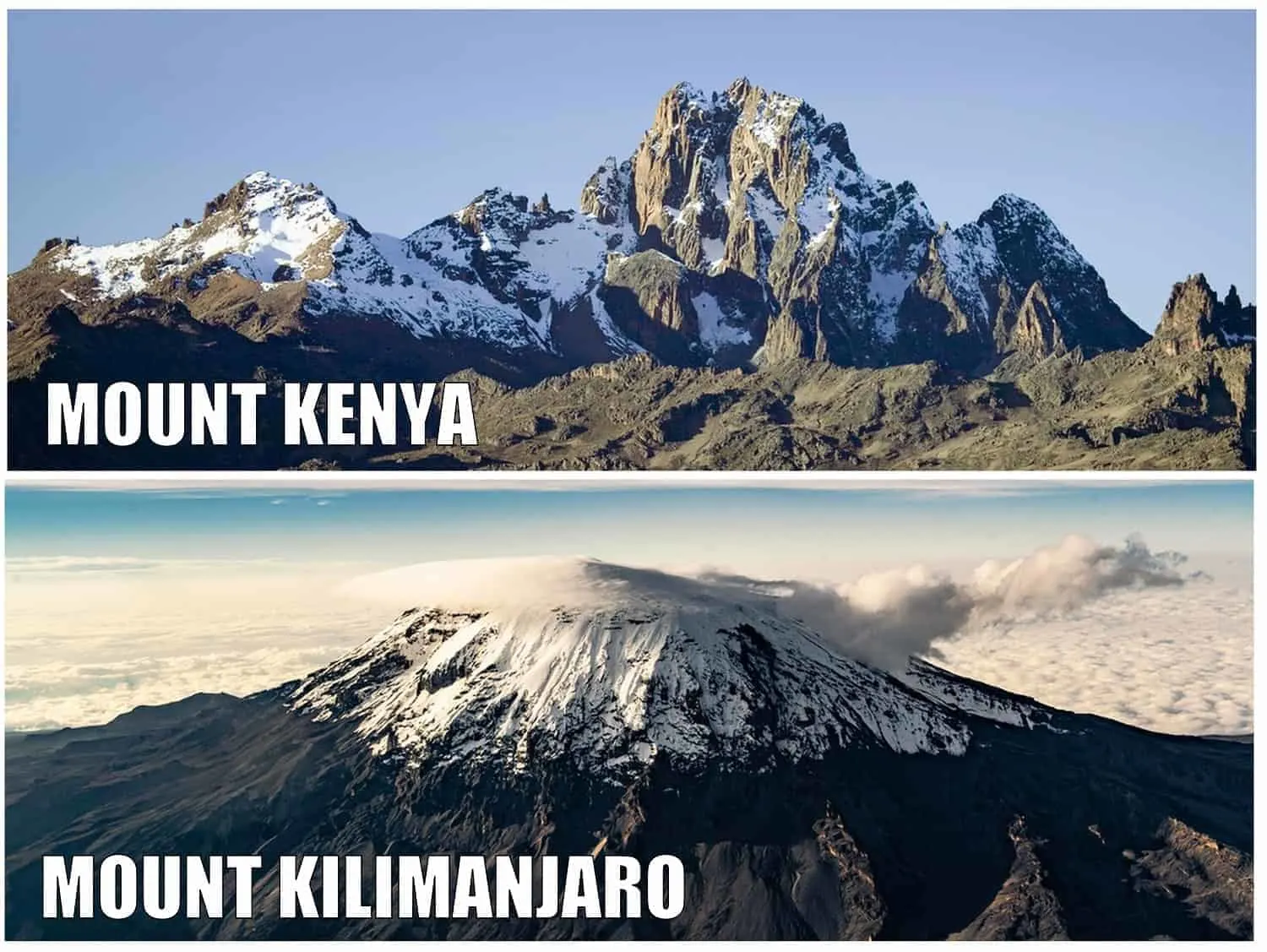
Kilimanjaro presents a higher-altitude goal with greater crowd density, a longer duration, and well-established dusty trails.
How Costs Compare Between Mount Kenya and Kilimanjaro
| Cost Component (Estimated) | Mount Kenya (5-Day Trek) | Kilimanjaro (7-Day Trek) |
|---|---|---|
| Total Expedition Cost (GBP) | ~ £1,200 - £1,800 | ~ £2,500 - £4,000+ |
| National Park & Conservation Fees | Lower daily rates (KWS) | Significantly higher daily rates (TANAPA) |
| Standard Trek Duration | 4-5 days | 6-8 days |
| Guide & Porter Team | Mandatory | Mandatory |
A trek on Mount Kenya can cost up to 60% less than a comparable Kilimanjaro expedition for UK travellers. This significant difference stems from two key factors, not from a reflection of quality.
The shorter 4-5 day trek duration on Mount Kenya reduces overall costs for mandatory guides, porters, and supplies. The national park fees set by the Kenya Wildlife Service (KWS) are also substantially lower than the cumulative daily fees mandated by the Tanzania National Parks Authority (TANAPA) for Kilimanjaro.
National Park Fees and Permits
The core of the cost difference lies in government-mandated fees. Mount Kenya National Park, managed by the Kenya Wildlife Service (KWS), has a more modest fee structure. Kilimanjaro National Park's fees, managed by the Tanzania National Parks Authority (TANAPA), include daily conservation fees, camping or hut fees, and a rescue fee.
These fees accumulate rapidly over a typical 7 or 8-day trek, making it one of the most expensive mountains to climb from a permit perspective.
Guide, Porter, and Logistics Costs
Hiring a licensed guide and a team of porters is mandatory on both mountains for safety and regulation. The daily wages for guides, porters, and cooks can be broadly comparable between Kenya and Tanzania. The overall cost is lower for a Mount Kenya trek due to its shorter duration.
A standard 5-day Mount Kenya expedition requires fewer days of crew wages, food provisions, and logistical support than a 7-day Kilimanjaro climb.
Which Mountain is More Technically Demanding for Trekkers?

The difficulties of each peak are different in nature, though both present a serious high-altitude challenge. Kilimanjaro's primary difficulty is the altitude itself, which is managed over a long, slow trek.
Mount Kenya, even to its trekking peak, introduces a more varied and technical terrain that many experienced British hikers find more engaging.
Popular Routes and Terrain Differences
A trek on Kilimanjaro, on routes like Machame or Lemosho, largely involves walking on established trails. The final ascent to Uhuru Peak is a long hike up steep, loose scree slopes.
In contrast, popular routes on Mount Kenya, such as Sirimon and Chogoria, involve more rugged terrain. Trekkers cross moorlands, navigate rocky sections, and engage in non-technical scrambling, particularly on the final approach to Point Lenana.
Required Equipment and Skillset
Kilimanjaro requires excellent physical fitness for endurance, mental fortitude, and standard high-altitude trekking gear. For Mount Kenya's trekking routes, these are also required, but an added level of agility and confidence on rocky, uneven ground is beneficial.
A head for heights is useful for the short scrambling section near the summit of Point Lenana, though no technical climbing skills or equipment are necessary for this peak.
How Altitude Sickness Risk Differ Between the Mountains
Acute Mountain Sickness (AMS) is a significant risk on both mountains. Successful acclimatisation depends on a slow and steady ascent. Kilimanjaro's longer itineraries of 7-8 days are designed to maximise acclimatisation, whereas Mount Kenya's shorter 4-5 day profiles are more rapid.
This makes pre-trek fitness especially important for a Mount Kenya climb. UK travellers should undertake regular cardiovascular exercise, including long hill walks, for several months before departure to prepare their bodies for the physical demands.
How Crowd Density Compare on Mount Kenya and Kilimanjaro

Crowd density is one of the most profound differences between the two peaks. Kilimanjaro's fame attracts tens of thousands of climbers annually, and popular routes can feel congested during peak season.
Mount Kenya receives a fraction of this foot traffic, offering a more solitary experience where it is possible to trek for hours without seeing another group. For UK travellers seeking solitude, Mount Kenya provides a quieter mountain environment.
Best Time to Climb Mount Kenya or Kilimanjaro
The climbing seasons for both mountains are governed by East Africa's two dry seasons, making them ideal destinations for UK travellers. The best conditions are typically from January to February and from June to early October.
These periods offer the highest chance of clear skies and dry trails. Planning a trip during the UK's summer holidays (July-August) aligns perfectly with the main dry season, though this is also the busiest time. For a quieter experience with good weather, consider June or September.
How Mount Kenya's Summit Options Differ from Kilimanjaro's
Mount Kenya's summit structure differs significantly from Kilimanjaro's single trekking peak. Kilimanjaro offers one summit for trekkers, Uhuru Peak. Mount Kenya has three main peaks with different challenge levels.
Point Lenana (4,985m) is the highest point accessible to trekkers, while the true summits, Batian (5,199m) and Nelion (5,188m), are technical rock-climbing objectives. This setup allows trekkers to summit Point Lenana while the mountain retains a formidable reputation through its technical peaks.
How a Mount Kenya Trek Combine with a Safari

Combining a Mount Kenya trek with a safari is logistically straightforward and highly cost-effective for UK travellers. Keeping the entire itinerary within Kenya eliminates the time, cost, and complexity of cross-border travel to Tanzania.
Following the descent from the mountain, a simple journey connects you to safari destinations such as the Maasai Mara, Amboseli, or Samburu National Reserve. This efficient structure creates a diverse East African adventure without unnecessary travel days.
Mount Kenya versus Kilimanjaro At a Glance
| Feature | Mount Kenya | Kilimanjaro |
|---|---|---|
| Highest Trekking Peak | Point Lenana (4,985m) | Uhuru Peak (5,895m) |
| Typical Duration | 4-5 days | 6-8 days |
| Estimated Cost (GBP) | £1,200 - £1,800 | £2,500 - £4,000+ |
| Crowd Density | Low / Solitary | High / Busy |
| Technical Difficulty | Moderate (scrambling) | Low (steep walking) |
| Primary Challenge | Varied terrain, steep sections | High altitude, long duration |
How to Choose Between a Mount Kenya and Kilimanjaro Trek
The decision for your expedition depends on your priorities. Both are magnificent African peaks that offer a significant challenge. By understanding their core differences, you can make an informed choice that aligns with your budget, trekking style, and adventure aspirations.
- Mount Kenya is suitable for trekkers whose priorities are: value for money, a quieter wilderness experience, and a more varied and technically interesting trekking challenge. It is an ideal choice for seasoned hikers looking for an authentic mountain adventure.
- Kilimanjaro is suitable for trekkers whose primary goal is: to stand on the highest point in Africa (Uhuru Peak at 5,895m), and who are prepared for the higher cost and greater number of other trekkers on the trail.
The choice between these two mountains depends on personal priorities for UK travellers. Mount Kenya offers a strong combination of technical challenge, scenery, solitude, and affordability. Kilimanjaro provides the unique achievement of standing on Africa's highest point.