A well-paced Kenya safari itinerary for UK travellers balances wildlife viewing with comfort by following three core principles. A comfortable safari mandates a maximum of four to five hours of driving for any overland transfer. Each lodge stay should also have a minimum of two nights to prevent 'packing fatigue' and allow for both dawn and dusk game drives. Finally, itineraries should replace long overland transfers, such as the ten-hour drive between Amboseli and the Masai Mara, with short domestic flights to maximise time in the reserve.
What Constitutes Optimal Daily Travel Time on a Kenya Safari Itinerary?
Optimal daily travel time for a Kenya safari involves limiting overland transfers between lodges to a maximum of four to five hours. This time limit applies only to the point-to-point journey of relocating from one park to another.
The four-to-five-hour guideline does not include time spent on game drives. Morning and afternoon game drives are for wildlife viewing and operate at a much slower, exploratory pace within a single reserve or conservancy.
Exceeding the five-hour transfer limit on any given day causes significant travel fatigue. Kenyan road conditions differ from UK motorways, meaning a 200-kilometre journey can take longer than expected due to variable road surfaces, town traffic, or wildlife crossings.
A long transfer day also reduces available wildlife viewing time. Arriving late and tired at a new lodge leaves insufficient time or energy for a productive afternoon game drive.
Why is a Minimum 2-Night Stay Recommended at Each Safari Lodge?

A minimum two-night stay at each safari lodge is a key component of a well-paced itinerary, primarily to prevent 'packing fatigue'. A single-night stay involves a draining daily routine of packing, checking out, driving for hours, and then unpacking at the next location.
Extending to a two-night stay provides one full day in a single location. This break from constant travel allows for more relaxation and deeper immersion in the surrounding environment.
A single-night stay limits wildlife viewing opportunities. This schedule means a traveller will only experience a late afternoon game drive on arrival or an early morning drive before departure, but never both in the same location.
A two-night stay guarantees guests are present for both dawn and dusk game drives. These cooler periods are when predators like lions, leopards, and cheetahs are most active, which increases the probability of sightings.
How Should You Plan Transfers Between Amboseli and the Masai Mara?
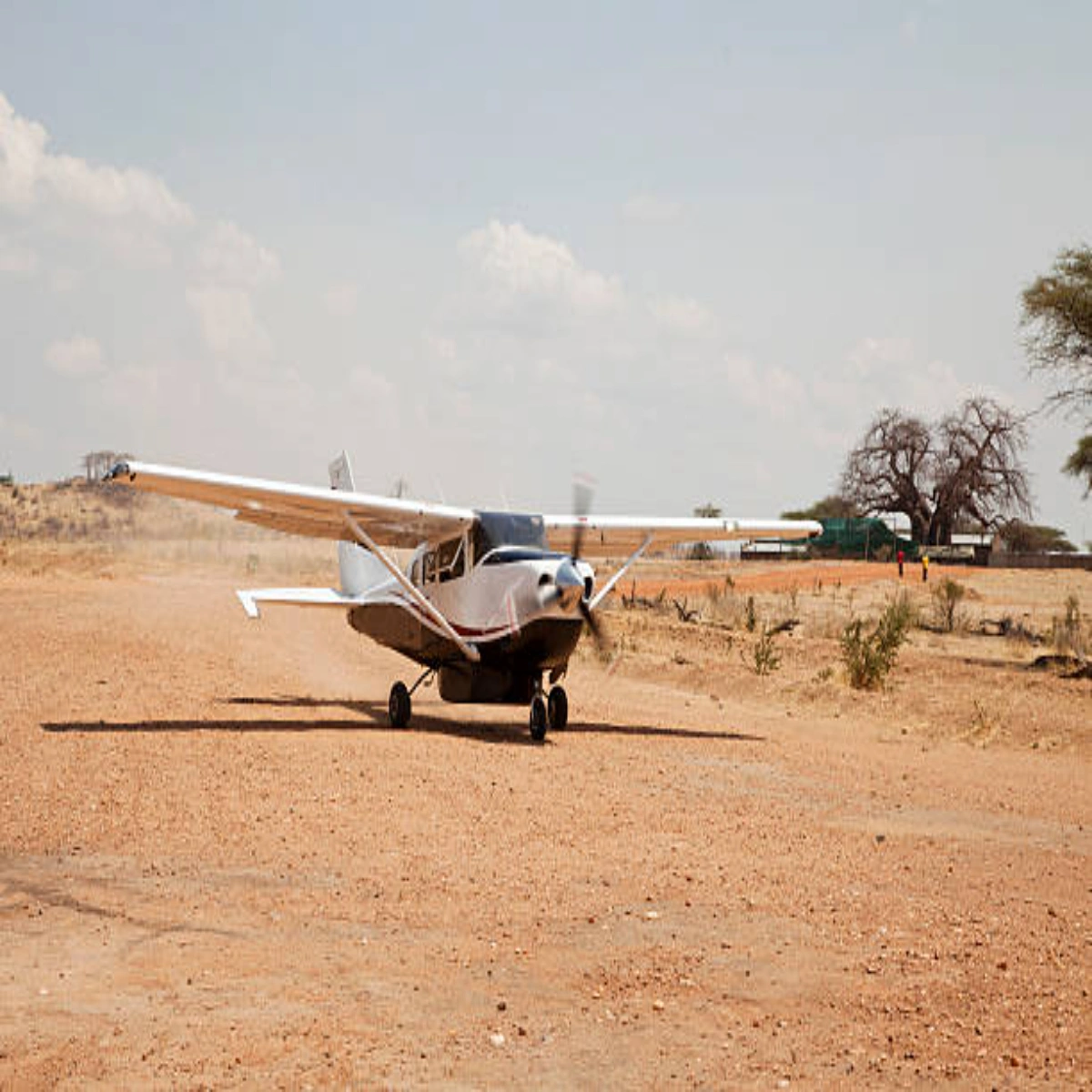
A common itinerary planning mistake is to connect Amboseli National Park and the Masai Mara National Reserve by road. The overland drive between these two parks is a gruelling journey that takes ten hours or more.
This single transfer consumes an entire day of a holiday. The long drive across challenging road conditions induces extreme fatigue and offers few rewarding wildlife or scenic encounters.
The recommended alternative to a road transfer is a domestic safari flight. A scheduled light aircraft flight from an Amboseli airstrip to a Masai Mara airstrip takes approximately 90 minutes.
A flight replaces a full day of driving with a short, scenic air transfer. Though a flight costs more than a road transfer, the value comes from saving a full day of the holiday.
Travellers arrive at their Masai Mara camp feeling fresh and ready for a game drive that same afternoon. A flight is the standard recommendation for any multi-park Kenya itinerary that includes both Amboseli and the Masai Mara.
How Underestimating Road Conditions Impacts Your Safari Pacing

The definition of a 'road' in the context of a Kenya safari differs from typical UK road standards. Major arterial routes between cities are paved, but most roads inside and between national parks are gravel or dirt tracks.
The condition of these unpaved surfaces changes significantly with the seasons, directly affecting travel times and comfort.
Roads during Kenya's wet seasons (April-May and November) can become muddy, extending travel times far beyond map estimates. Surfaces in the dry season can be very bumpy and dusty, which also impacts passenger comfort inside the safari vehicle.
A journey estimated at three hours can easily become five hours of slow travel. A well-paced itinerary must account for these potential delays by incorporating buffer times based on local knowledge from guides and operators.
Common Mistakes in Pacing a Kenya Safari Itinerary
A well-paced Kenya safari itinerary avoids four common planning errors. Each mistake below leads to a rushed and less comfortable safari experience.
- Packing too many locations into too few nights. Attempting to visit five parks in ten days results in a series of one-night stays. This 'touch-and-go' schedule maximises travel time and minimises wildlife viewing time.
- Underestimating overland travel times. Relying on standard mapping software for driving times is an error. An itinerary must use realistic journey durations from local experts who understand road conditions.
- Driving between Amboseli and the Masai Mara. This specific overland journey is a significant pacing mistake and should always be replaced with a 90-minute domestic flight.
- Failing to schedule downtime. An effective itinerary includes time for relaxation at the lodge. A schedule without 'empty' time for activities like using the pool or watching wildlife from the camp leads to a rushed holiday.
How Different Traveller Types Influence Safari Pacing in Kenya

Pacing a Kenya Safari for Families
The ideal pace for a family safari in Kenya is slower than a standard adult itinerary. A family holiday with younger children requires shorter transfer times and a minimum of three nights per lodge to establish a comfortable routine.
Family-focused itineraries should also select lodges that provide flexible game drive times and specific child-friendly activities. The goal is to balance wildlife viewing with sufficient downtime to prevent children from becoming overtired.
Pacing a Kenya Safari for Honeymooners
A honeymoon safari in Kenya prioritises privacy, relaxation, and an unhurried pace. A successful honeymoon itinerary often involves staying longer at fewer, more exclusive properties, particularly those in private conservancies with lower guest numbers.
The schedule should allow for leisurely mornings, private dining, and the flexibility to choose activities freely. The focus of the pacing is on the shared experience rather than covering as many parks as possible.
How Does Pacing Affect Kenya Safari Costs and Experience?
Itinerary pacing directly affects both the cost and quality of a Kenya safari. A fast-paced trip with multiple one-night stays and long overland drives can appear cheaper initially.
This perceived saving is often a poor trade-off. Travellers on such schedules spend more time in transit and less time on game drives, resulting in a more exhausting and less rewarding holiday.
Incorporating domestic flights between parks like Amboseli and the Masai Mara increases the upfront safari cost. The additional cost provides the benefit of gaining a full day of holiday time that would otherwise be lost to overland travel.
Staying longer at fewer, higher-quality lodges also increases the nightly cost but delivers a more immersive experience in each location. A well-paced safari provides better value by matching the investment to a more comfortable and memorable wildlife experience.
Key Kenya Safari Pacing Guidelines at a Glance
| Pacing Principle | Guideline | Rationale |
|---|---|---|
| Daily Overland Transfers | Maximum 4–5 hours | Prevents travel fatigue and maximises time in the reserve. |
| Lodge Stays | Minimum 2 nights per location | Avoids 'packing fatigue'; guarantees dawn and dusk game drives. |
| Amboseli to Mara Transfer | Use 90-minute domestic flight | Avoids a 10+ hour overland journey, saving a full day. |
| Family Itineraries | Minimum 3 nights per location | Establishes routine and provides necessary downtime for children. |
Designing Your Bespoke Kenya Safari Plan from the UK
Use these pacing principles as a framework when discussing your holiday with a UK-based safari specialist. You should clearly state your expectations for comfort and travel times from the first conversation.
A reputable tour operator will already build itineraries around these guidelines, but confirming them makes you a more informed client.
You should also communicate your personal travel preferences. A specialist needs to know if you prefer an in-depth exploration of two locations over a brief overview of three, or if you are travelling as a family or on a honeymoon.
This information allows the specialist to design a bespoke safari plan. A tailored itinerary aligns the pace, logistics, and experiences with your specific requirements for a successful trip.
[Plan your Kenya safari with us]How Good Pacing Maximises Wildlife Encounters in Kenya
Careful itinerary planning aims to place you in the right wildlife location at the right time, feeling rested and prepared. A well-paced safari prevents travel fatigue by setting sensible driving limits and mandating multi-night stays.
This unhurried approach supports comprehensive wildlife viewing, including the important dawn and dusk periods for predator activity. A logical and comfortable itinerary flow ensures your safari is defined by wildlife encounters, not by excessive time spent travelling between locations.