Training for climbing Point Lenana requires a focus on specific leg strength, breathing techniques, and mental preparation. A successful ascent of Mount Kenya's third peak demands a strategic approach that prioritises functional power for sustained climbing over general cardiovascular fitness alone, a common misunderstanding for many trekkers.
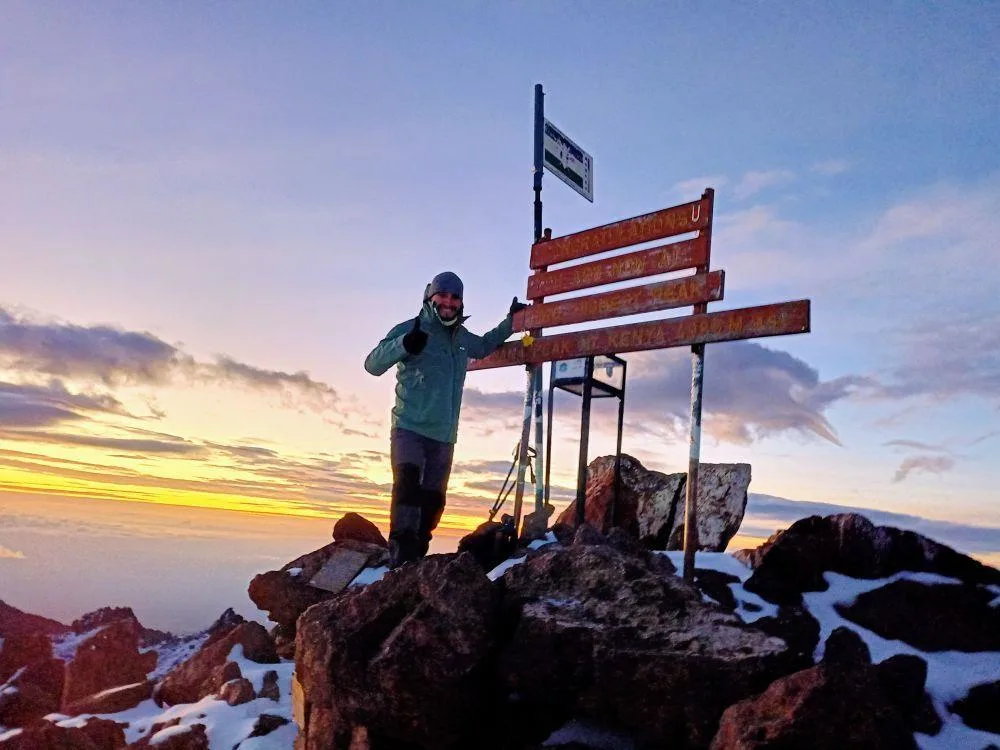
What Leg Strength Exercises Help for a Point Lenana Climb?
The primary physical demand of the Point Lenana trek is not speed but relentless, repetitive stepping upwards. Building specific leg strength is therefore more effective than pure cardiovascular endurance. Your exercise programme should target the major muscle groups used for climbing.
Recommended Strength Exercises
Incorporate these exercises into your weekly routine:
- Step-Ups: Use a plyometric box, park bench, or staircase. Add weight by wearing a loaded backpack to simulate your daypack. This directly mimics the motion of the climb.
- Squats: Bodyweight or weighted squats build power in the quadriceps, hamstrings, and glutes. This strength development provides the stability and force needed for steep sections.
- Weighted Carries: Walking with a heavy backpack on inclines or stairs builds both leg and core strength, preparing your body for carrying gear over long distances.
What Is the Pole Rhythm Breathing Technique for Altitude?
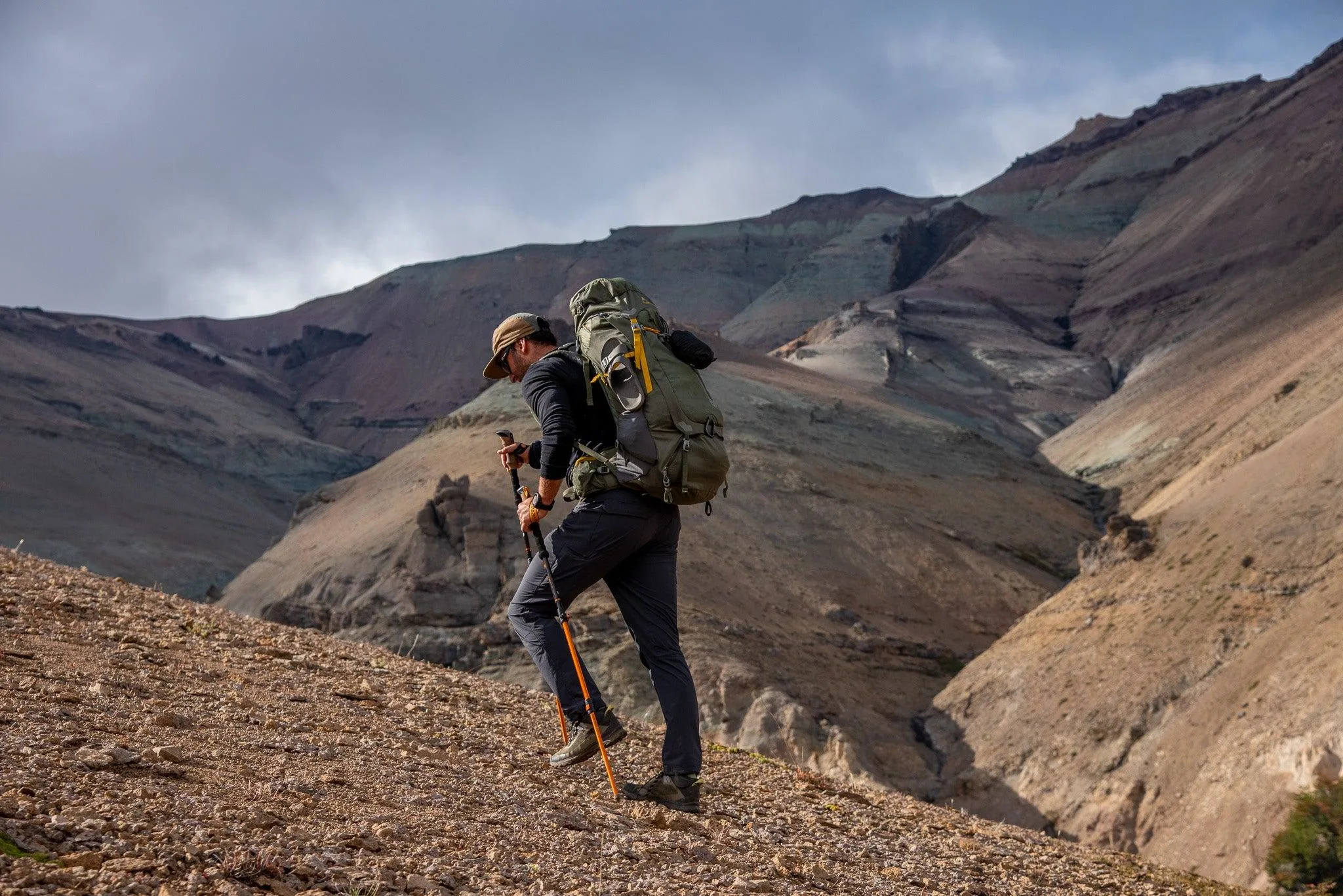
At altitude, oxygen is less dense, and efficient breathing becomes a primary tool for performance and avoiding altitude sickness. The Pole Rhythm is a breathing technique synchronised with your walking poles and footsteps to create a sustainable, meditative pace.
To practise, follow these steps:
- Plant your left pole as you step forward with your right foot and breathe in.
- Plant your right pole as you step forward with your left foot and breathe out.
- Establish a slow, deliberate rhythm where each step-and-pole-plant combination is paired with a full inhalation or exhalation. This method conserves energy and ensures consistent oxygen intake.
How Do You Mentally Prepare for Point Lenana's False Peaks?
The approach to Point Lenana is known for its "false peaks," which are crests that appear to be the summit but reveal another climb ahead. This feature of the route can be psychologically challenging for unprepared trekkers. Mental resilience is as important as physical conditioning.
Prepare for this challenge by focusing on the process, not the destination. Concentrate on your Pole Rhythm breathing and the immediate ten metres in front of you. Acknowledge that false peaks are a known part of the terrain on the Kīrinyaga routes and treat each one as a milestone rather than a disappointment.
What Is a Recommended Training Timeline for Point Lenana?
UK-based travellers with a good base level of fitness find a dedicated 12-week training programme is sufficient. The schedule should be progressive, gradually increasing in intensity and duration to avoid injury and build sustainable endurance. Consistency is more effective than infrequent, high-intensity workouts.
Phased Preparation Timeline
A structured timeline allows your body to adapt and strengthen appropriately. Divide your preparation into distinct phases for a focused approach.
| Phase (Weeks) | Focus | Key Activities |
|---|---|---|
| Weeks 1-4 | Base Fitness | 2-3 weekly cardio sessions (30-45 mins), 1-2 strength sessions. |
| Weeks 5-8 | Specific Strength | Increase strength training frequency. Introduce weighted step-ups and longer (2-4 hours) weekend walks. |
| Weeks 9-12 | Simulated Trekking | Focus on long (4-6 hours) weekend hikes with a weighted pack on hilly terrain. Practise Pole Rhythm breathing. |
How Does Altitude Acclimatisation Work on Mount Kenya?
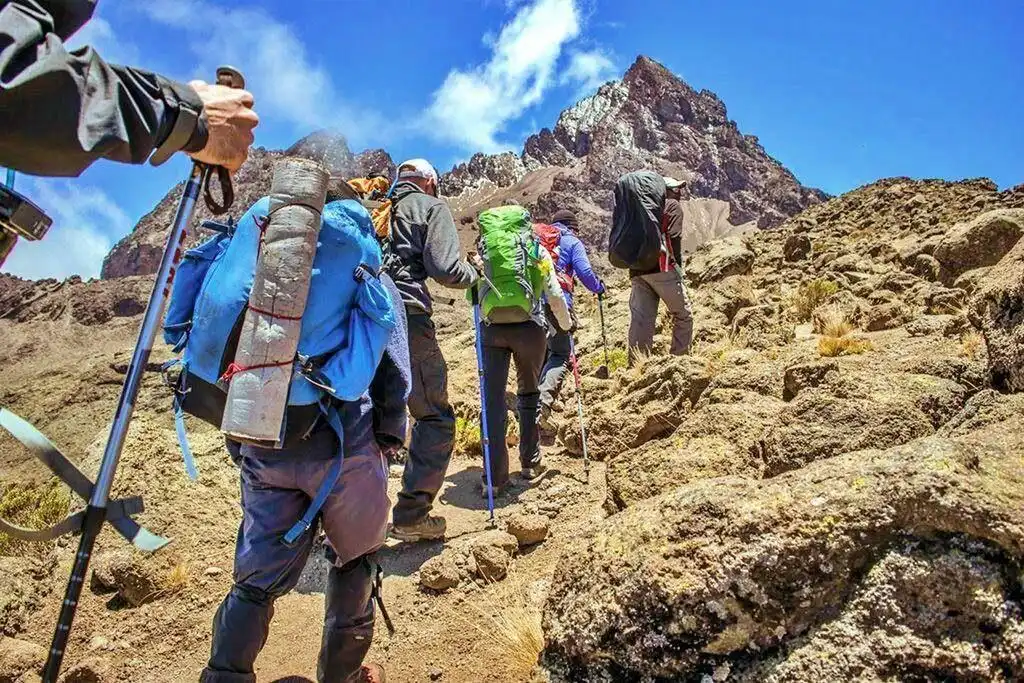
A trekker's physiological adaptation to high altitude is a key factor in a successful ascent. Acclimatisation allows the body to function with reduced oxygen levels, which helps to prevent altitude sickness.
The "Climb High, Sleep Low" Principle
The most reliable method for acclimatisation is a gradual ascent. Well-planned itineraries follow the "climb high, sleep low" principle, which provides time for the body to produce more red blood cells.
A 5-day climb offers a significantly safer and more successful acclimatisation profile than a 4-day climb. Staying well-hydrated by drinking 3-4 litres of water per day is also a fundamental part of the process.
How Does Point Lenana Training Differ from Kilimanjaro?
Training for Mount Kenya has unique requirements compared to treks like Kilimanjaro. The terrain on Mount Kenya, particularly on routes like Sirimon and Chogoria, includes more varied and technical sections than the long, consistent paths of Kilimanjaro. This demands greater leg strength for stability and power over pure walking endurance, making the focus on squats and step-ups even more pertinent.
How Can UK Trekkers Simulate Mount Kenya Training Conditions?
UK-based travellers cannot replicate high-altitude conditions, but can simulate the physical strain. The most effective method is to incorporate regular weighted incline walks into your programme.
Find the steepest, longest hill near you and perform repeats while wearing a backpack containing 8-10 kg. This practice builds the specific muscular endurance and mental fortitude required for the final summit push on Point Lenana.
How Does Itinerary Duration Impact Your Point Lenana Climb?
A well-planned itinerary is the foundation of a safe and enjoyable climb. The choice of route and the number of days allocated for the trek directly impact your acclimatisation and chance of success. Rushing the ascent is the single biggest cause of failure to summit.
Duration of Climb and Terrain
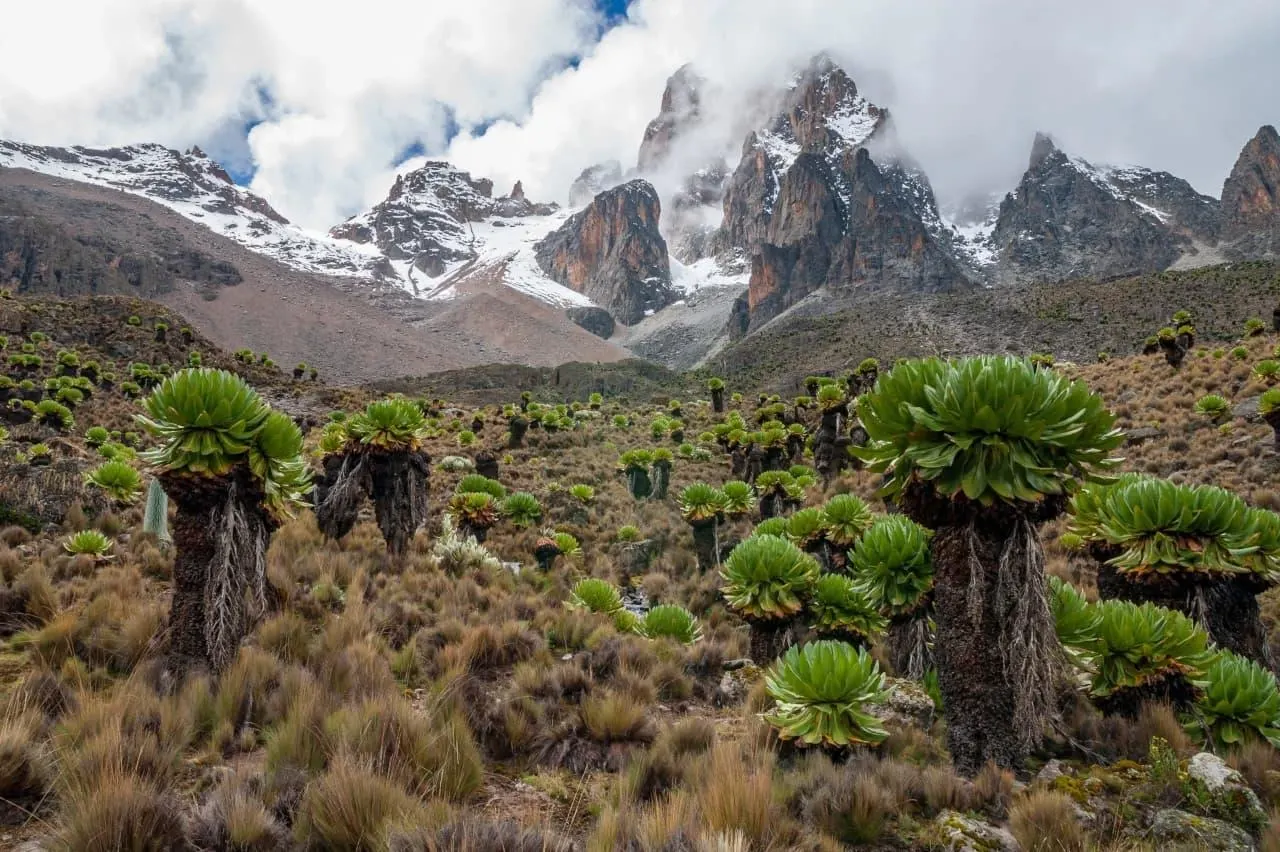
A typical Point Lenana climb takes 4 to 6 days. The terrain begins in montane forest, moves through unique Afro-alpine moorlands with giant groundsel, and culminates in rocky scree slopes. This variation requires adaptable trekking skills and reinforces the need for trekking poles and robust leg strength to manage the different surfaces effectively.
Point Lenana Training Key Facts
| Training Aspect | Recommendation |
|---|---|
| Minimum Training Duration | 12 weeks |
| Key Focus Area | Leg Strength (not just cardio) |
| Core Exercises | Weighted Step-Ups, Squats |
| UK Simulation | Weighted incline walks (8-10 kg pack) |
| Breathing Technique | Pole Rhythm |
| Daily Hydration on Trek | 3-4 litres of water |
What Gear and Support Is Needed for a Mount Kenya Trek?
Selecting a reputable local guide company, often based in the logistical hub of Nanyuki, is an important decision. Experienced guides manage pacing, monitor for signs of altitude sickness, and provide local knowledge of the Kīrinyaga environment.
Ensure your chosen operator has certified guides and a strong safety record. They will also provide a detailed gear list, but your personal equipment should always include broken-in hiking boots, a layered clothing system, and high-quality waterproofs. [contact us for Mount Kenya treks]