The core difference between the Sirimon and Chogoria routes on Mount Kenya for beginners is their gradient and resulting acclimatization profile.
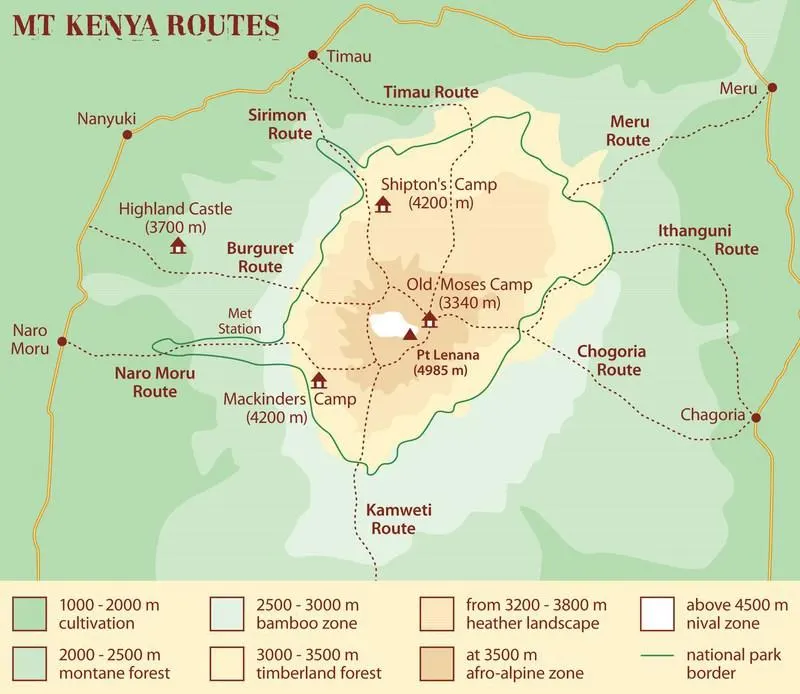
The Sirimon route provides a gradual, steadier ascent which is better for altitude acclimatization. The Chogoria route is steeper and more physically demanding, making it better suited for descent.
Sirimon vs Chogoria Route: Which is Easier for Beginners?
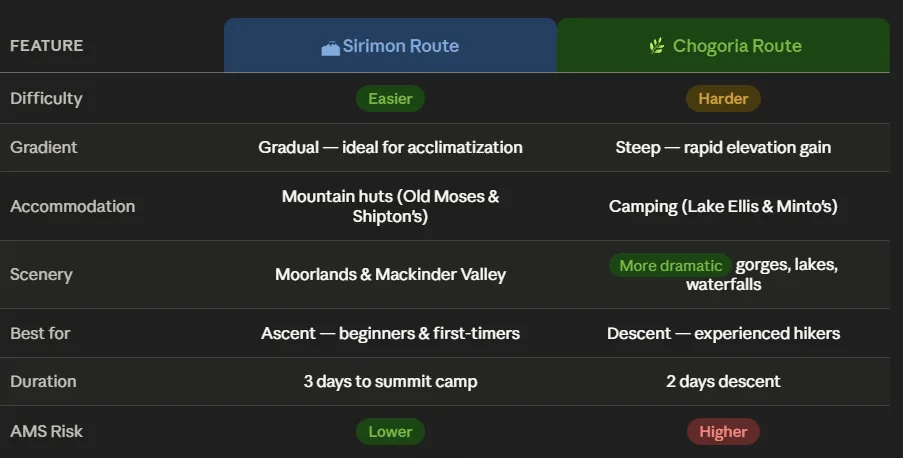
The Sirimon route is easier for beginners. Its gradual incline allows for slower and more effective acclimatization to high altitude.
Trekkers on the Sirimon route experience less abrupt changes in elevation, reducing the risk of altitude sickness. The Chogoria route, with its steep sections, presents a greater physical challenge and a higher risk of rapid ascent issues for those not already acclimatized.
Gradient Differences: Gradual Sirimon vs. Steep Chogoria
The primary difference in difficulty comes from the gradient of each trail. The Sirimon route ascends gently through the Mackinder Valley, providing a manageable and consistent trekking pace.
This gradual approach minimizes physical strain day-over-day. The Chogoria route, particularly around the "Gates" and Mugi Hill, features significantly steeper sections. These parts demand more physical exertion and can be challenging for trekkers without prior mountain experience.
Acclimatization Advantage: Sirimon's Slow Ascent
Sirimon's slow ascent is its main advantage for acclimatization. The trek from Old Moses Camp to Shipton's Camp is spread over a longer distance with less severe elevation gain compared to Chogoria.
This pacing allows the body more time to adjust to the decreasing oxygen levels. A gradual ascent is the most effective natural method for preventing Acute Mountain Sickness (AMS).
The Chogoria route's faster elevation gain does not offer this same built-in safety margin, making it less suitable for a beginner's ascent.
Accommodation: Huts on Sirimon vs. Camping on Chogoria
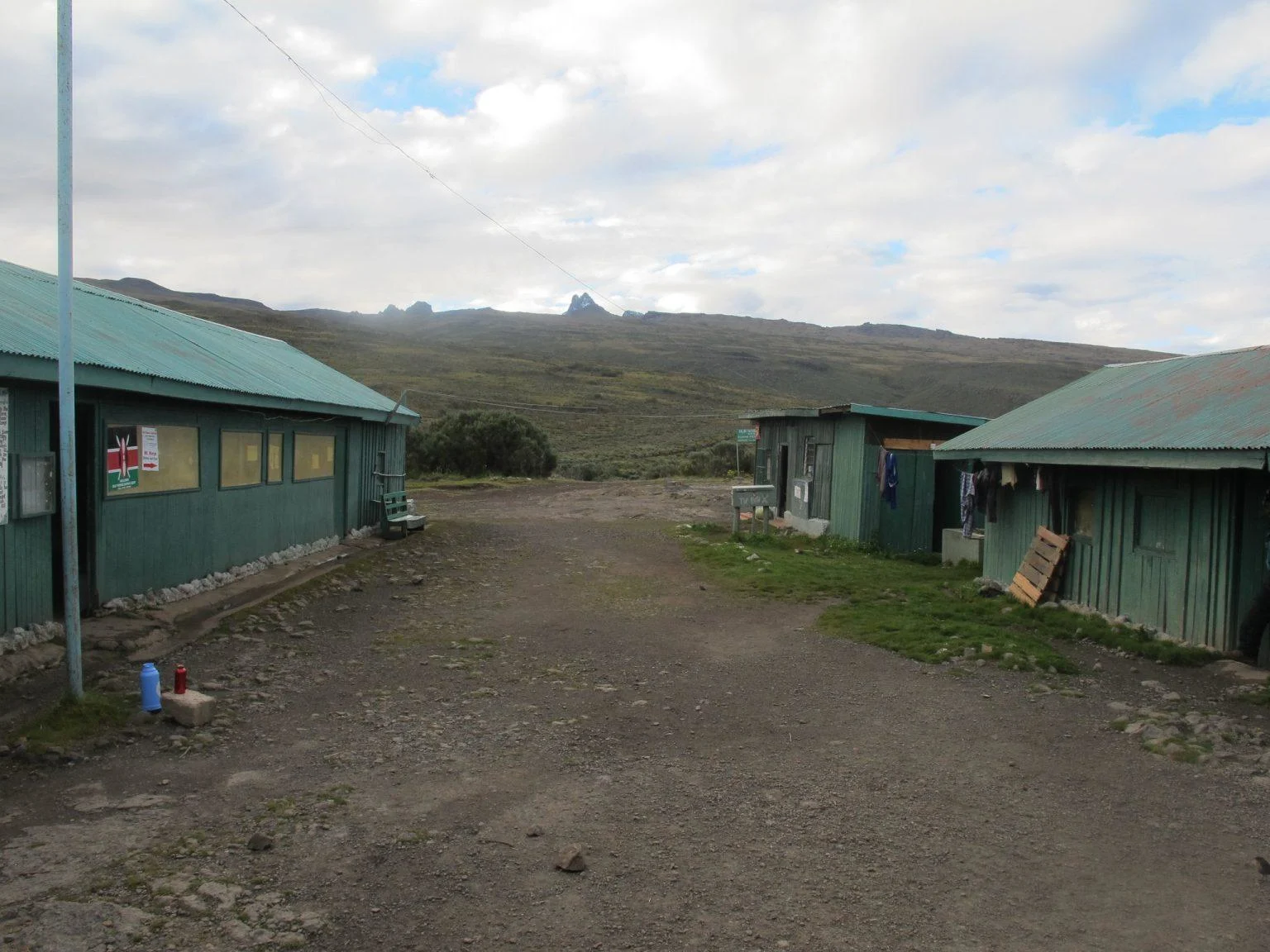
Accommodation options directly impact the trekking experience. The Sirimon route features permanent mountain huts with bunkhouses at Old Moses Camp (3300m) and Shipton's Camp (4200m).
These huts offer shelter, basic bedding, and communal dining areas. The Chogoria route primarily relies on camping. Trekkers typically use tents at Lake Ellis Camp (3455m) and Minto's Camp (4200m).
Camping on the Chogoria route requires more gear and offers less protection from the elements compared to the huts on the Sirimon route.
Sirimon Ascent, Chogoria Descent: A Winning Combination
The most common and recommended itinerary combines both routes for the highest success rate. Trekkers ascend via the gradual Sirimon route, which maximizes their chances of acclimatizing properly and reaching the summit.
After summiting Point Lenana, they descend via the scenic Chogoria route. This approach provides the safety of a slow ascent with the rewarding and dramatic scenery of the Chogoria descent, which includes gorges, waterfalls, and tarns like Lake Michaelson.
- Ascent (Sirimon): Allows for safe, gradual acclimatization.
- Descent (Chogoria): Offers spectacular views and a different trekking environment.
- Success Rate: This combination statistically results in more successful summit attempts compared to ascending Chogoria.
Overall Difficulty: Sirimon's Easier Trekking
Sirimon is the easier trekking route of the two. The trail is well-defined and the daily physical demands are lower due to the gentler gradient.
This makes the Sirimon route more accessible for individuals with good general fitness but limited high-altitude trekking experience.
The Chogoria route's rugged terrain and steep sections classify it as a more difficult trek, better suited for experienced hikers.
Scenery Comparison: Sirimon vs. Chogoria Views
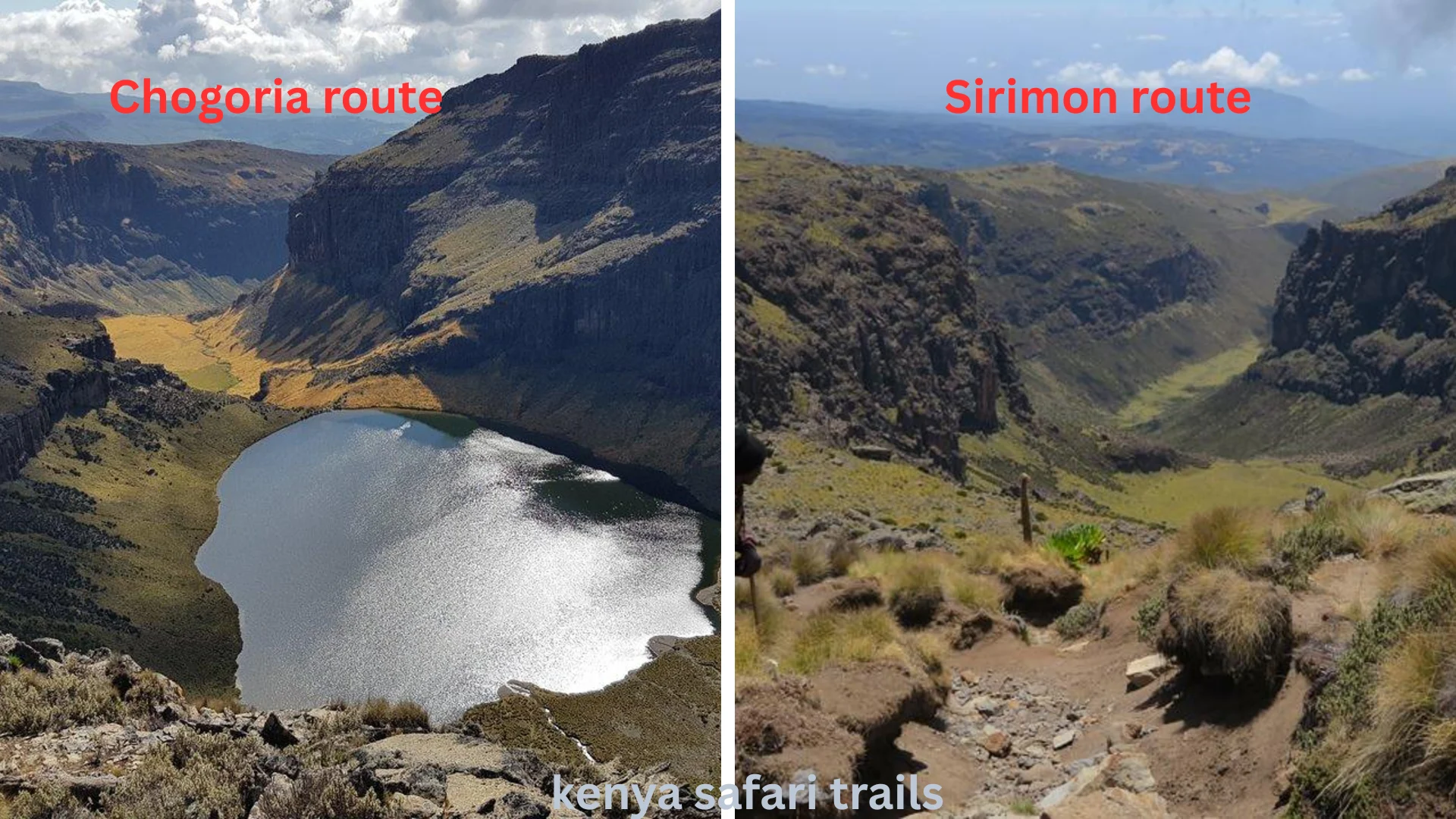
Both routes offer exceptional scenery, but their character differs. The Chogoria route is widely considered the most beautiful route on Mount Kenya.
Its landscape is defined by the Gorges Valley, pristine alpine lakes (Lake Ellis and Lake Michaelson), and unique rock formations.
The Sirimon route offers vast views across the northern moorlands and the striking Mackinder Valley. While beautiful, Sirimon's scenery is generally considered less dramatic than Chogoria's.
Altitude Considerations: Both Routes High Altitude
Both the Sirimon and Chogoria routes lead to the same high-altitude summit, Point Lenana, at 4,985 meters (16,355 feet). Regardless of the chosen route, trekkers face significant risks associated with high altitude.
The key difference is how each route manages the ascent to this altitude. Proper acclimatization is mandatory for either path to mitigate the risks of AMS, High Altitude Pulmonary Edema (HAPE), and High Altitude Cerebral Edema (HACE).
Trekking Time: Route Duration Overview
The total trekking time depends on the specific itinerary. A standard Sirimon ascent takes 3 days to reach the summit camp (Shipton's).
A Chogoria descent typically takes 2 days. The popular Sirimon-Chogoria combination is usually a 5-day trek.
| Itinerary | Typical Duration |
|---|---|
| Sirimon Ascent / Sirimon Descent | 4-5 Days |
| Chogoria Ascent / Chogoria Descent | 5 Days (Not recommended for beginners) |
| Sirimon Ascent / Chogoria Descent | 5-6 Days |
Permit Availability: Planning Your Trek
Park entry permits for Mount Kenya National Park are required for all trekkers on both routes. These permits are managed by the Kenya Wildlife Service (KWS). Permits can be purchased at the park gates (Sirimon Gate or Chogoria Gate).
Booking through a registered tour operator is the standard procedure. Operators handle the permit logistics, ensuring all fees are paid and entry is guaranteed. There are generally no availability issues, but planning during peak seasons is advised.
Cost Analysis: Route Expenses Compared
The cost for trekking the Sirimon and Chogoria routes is broadly similar, as the main expenses are consistent across the park.
Costs are primarily determined by park fees, guide and porter salaries, and food. The choice between huts (Sirimon) and camping (Chogoria) can cause minor variations.
Key Cost Components
- Park Fees: Set by KWS for citizens, residents, and non-residents. These are the largest part of the budget.
- Guide & Porter Fees: Standard rates apply for licensed professionals.
- Accommodation Fees: Hut fees on Sirimon are fixed per night. Camping fees apply on Chogoria.
- Food & Logistics: Costs for meals and transportation to the gate.
An all-inclusive 5-day trek using the Sirimon-Chogoria combination typically ranges from $700 to $1,200 USD per person, depending on the operator and group size.
Fitness Level Required: Preparing for Mount Kenya
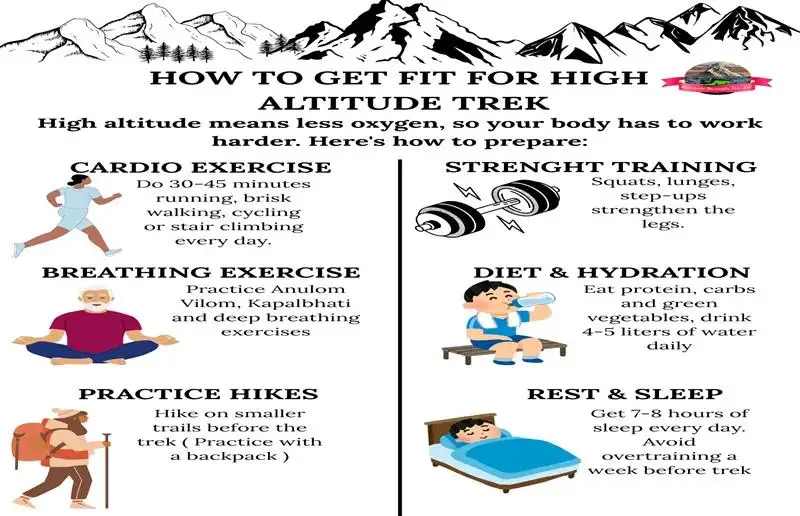
A good level of cardiovascular fitness is required for either route. Preparation should focus on endurance. You should be able to comfortably walk for 5-7 hours with a light daypack.
Recommended Training
- Cardiovascular Exercise: Running, swimming, or cycling 3-4 times per week.
- Strength Training: Focus on legs and core to handle long trekking days and uneven terrain.
- Hiking Practice: Complete several long-duration hikes (6+ hours) on varied terrain, preferably with some elevation gain.
No technical climbing skills are needed to reach Point Lenana, but physical conditioning is non-negotiable.
What Beginners Often Miss: Altitude Sickness Prevention
Beginners often underestimate the effects of altitude. Prevention is the only effective strategy.
Core Prevention Methods
- Ascend Slowly: The Sirimon route facilitates this. Do not rush the ascent.
- Hydrate Properly: Drink 3-4 liters of water per day. Proper hydration aids acclimatization.
- Walk "Pole Pole": This Swahili phrase means "slowly, slowly." Maintain a deliberate, steady pace that does not leave you breathless.
- Consider Medication: Consult a doctor about prophylactic medication like Acetazolamide (Diamox).
Recognize early symptoms of AMS: headache, nausea, and dizziness. Report them to your guide immediately.
Best Time to Visit: Optimal Trekking Seasons
The best times to trek Mount Kenya are during the two dry seasons. These periods offer the clearest skies and the most stable, driest trail conditions.
- January to March: Generally dry and clear, with warmer daytime temperatures.
- June to October: The second dry season. This period can be colder but is also very popular.
Avoid the rainy seasons from April to May (long rains) and November to December (short rains). During these months, trails are muddy, visibility is poor, and conditions are more challenging.
Route Distance: How Far Will You Trek?
The total distance varies based on the exact itinerary. The combined Sirimon-Chogoria route covers approximately 64 kilometers (40 miles) over 5 days.
| Route Segment | Approximate Distance |
|---|---|
| Sirimon Gate to Old Moses Camp | 9 km |
| Old Moses Camp to Shipton's Camp | 14 km |
| Shipton's to Point Lenana Summit | 3 km |
| Point Lenana to Minto's Camp (Chogoria Descent) | 6 km |
| Minto's Camp to Chogoria Gate | 32 km (Partially trekked, then vehicle) |
Gear Recommendations: Essential Equipment
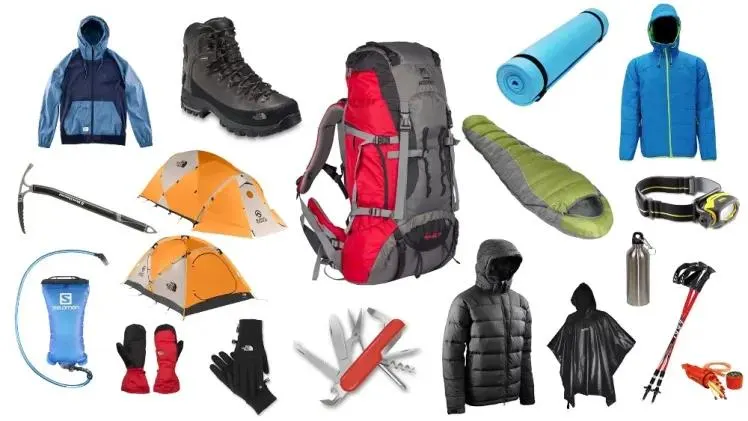
Proper gear is necessary for a safe and comfortable trek. The weather on Mount Kenya can change rapidly. Layering is the most effective clothing strategy.
Essential Gear List
- Footwear: Broken-in, waterproof hiking boots with good ankle support.
- Clothing Layers: Base layer (moisture-wicking), mid-layer (fleece or down jacket), and outer layer (waterproof and windproof jacket and pants).
- Headwear: Warm beanie or hat for cold, and a sun hat or cap for sun protection.
- Hands: Warm, waterproof gloves or mittens.
- Backpack: A 30-40 liter daypack for your personal items and a larger duffel bag for porters to carry.
- Sleeping Bag: A four-season sleeping bag rated to at least -10°C (14°F).
- Other Essentials: Headlamp, sunglasses, sunscreen, water bottles or hydration bladder, and trekking poles.
If you plan to trek the Chogoria route, you will also need appropriate camping gear, including a four-season tent, which is typically provided by your tour operator.