A lot of travellers ask: Do you tip in Kenya during a safari? or Is tipping customary in Kenya? The short answer is yes, tipping on a Kenya safari is customary but voluntary, and UK travellers should budget about $10-20 per person per day for the driver-guide, or $20-25 per day for a private vehicle or group. Add $5-15 per person per night for camp and lodge staff, placed in the communal tip box. Porters get $1-5 (or 100-200 KES) per bag, and a separate tracker or spotter gets $5-10 per day.
Tip in cash, using Kenyan shillings or clean, undamaged US dollar notes printed in 2013 or later, in small denominations ($1, $5, $10 and $20). Avoid British pounds, which are hard for local staff to exchange GBP to Kenyan shillings.
What is the Best Currency for Tipping in Kenya?

The preferred currency for tipping personal safari guides in Kenya is the US Dollar (USD). Local Kenyan service providers find it difficult and costly to exchange British Pounds (GBP) at banks, which often require extensive paperwork and provide poor rates.
US Dollars are widely accepted and simple to exchange, providing an immediate benefit to the recipient. We recommend you bring a supply of clean, untorn USD notes printed after 2013, as banks often reject older bills. This currency advice applies specifically to personal guides.
The Kenyan Shilling (KES) is the best currency in Kenya for smaller gratuities. Use KES for contributions to communal staff boxes or for tips in local restaurants. Planning your mix of USD and KES before departure ensures your tips directly benefit the staff.
How Much to Tip in Kenya to a Safari Driver or Guide
The recommended tipping Kenya amount for a safari driver-guide is $10 to $15 USD per guest, per day. This gratuity reflects the guide's expert wildlife tracking, local knowledge, and responsibility for your safety and comfort.
You should give this personal tip directly to your guide at the end of your service. The final morning of your safari or your transfer to the airport are appropriate times for this gesture. Present the tip discreetly in an envelope or use the "Handshake Exchange" with a personal word of thanks to show respect.
What is the Correct Way to Tip General Camp Staff?
Tipping for general camp staff works through a communal tipping box. This system ensures all staff, including chefs, housekeepers, and security, receive a share of the gratuities.
A guideline for the communal box is 500 to 1,000 Kenyan Shillings (KES) per guest, per day. The pooled method is the fairest way to acknowledge the entire team, especially those working behind the scenes. You can add your contribution to the box, typically located in the reception area, when you check out.
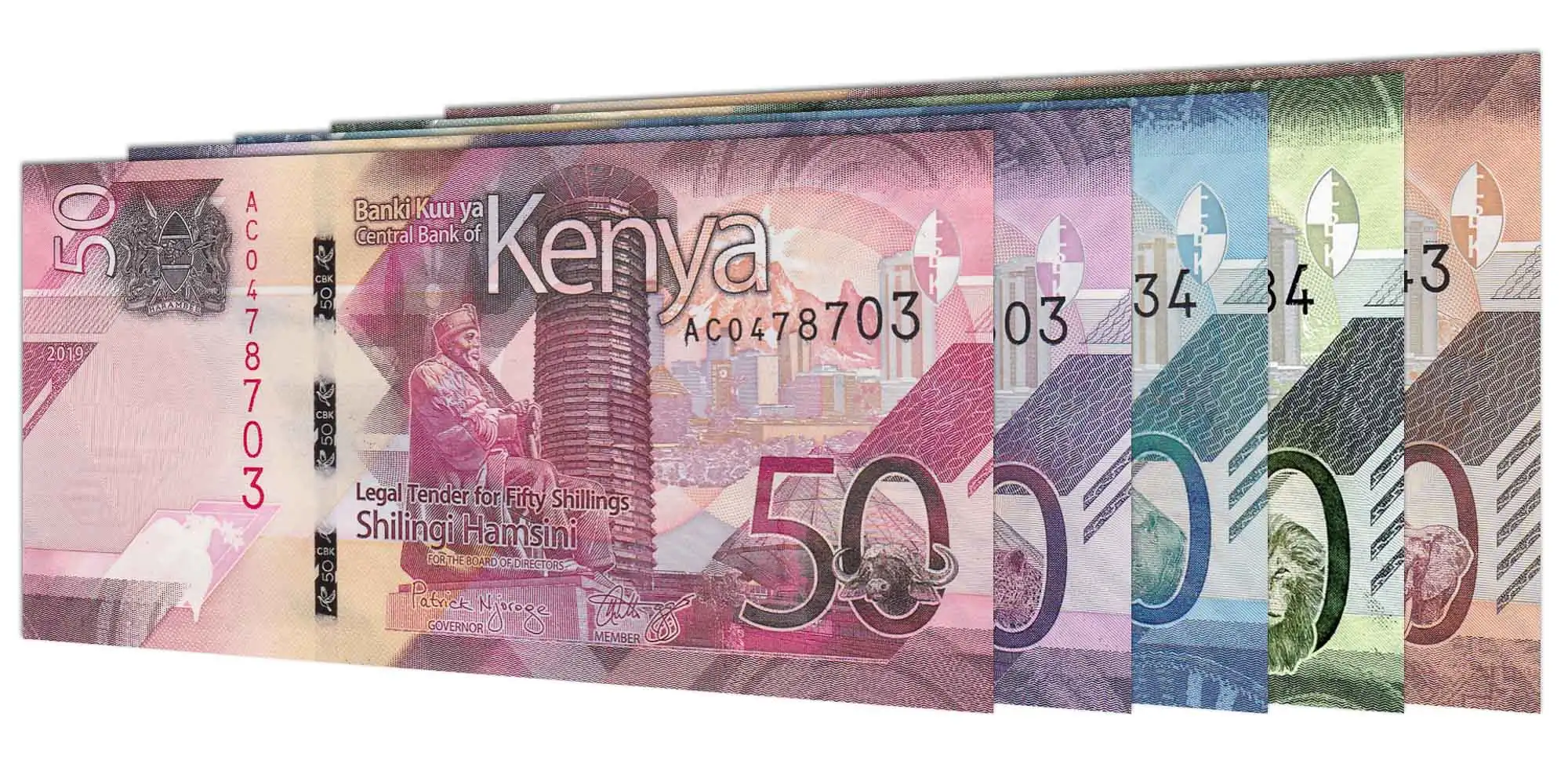
Using Kenyan Shillings for the staff box is preferable to other currencies. KES simplifies the distribution process for camp management and is easier for local staff to use. This practice applies to most safari camps and lodges in Kenya.
What is the Kenyan "Handshake Exchange" Tipping Custom?
The "Handshake Exchange" is the most respectful method for giving a personal tip in Kenya. This local custom involves folding cash into your palm and passing it to the recipient during a handshake.
This discreet practice avoids the open display of money, which can be seen as boastful in Kenyan culture. The exchange transforms a transaction into a gesture of personal and dignified appreciation. Always use your right hand, make eye contact, and say "Asante sana" (thank you very much) to convey sincere gratitude.
Tipping on a Safari in Kenya to Other Service Providers
Travellers will encounter other service providers who appreciate a small gratuity. Having small denominations of Kenyan Shillings or US Dollars is useful for these situations. Your personal discretion determines the amount based on the quality of service.
Porters at Airports and Lodges
A tip of around $1-2 USD or 200 KES per bag is appropriate for porters who help with luggage. This amount is standard at both international airports and safari lodge airstrips.
Specialist Activity Guides
Local guides for specific excursions, such as a walking safari or a community visit, should receive a tip of around $5-10 USD per guest. This tip is given directly to the specialist guide at the end of the activity.
Waiters in City Restaurants
A tip of 10% is standard for waiters in city restaurants if a service charge is not already included on the bill. Always check your bill first to see if service is included before adding a separate gratuity.
How Do Tipping Amounts Vary by Safari Type?
The context of your safari can influence tipping amounts, as gratuity expectations often align with the level of service. For high-end luxury lodges with high staff-to-guest ratios and personalised service, travellers may consider tipping at the upper end of the recommended ranges.
Day Trips and Short Tours
The duration of service affects the tip amount. For a half-day or full-day trip, like a Nairobi city tour, a tip of $10-20 USD for the guide from the entire group is sufficient. The daily rate applies to multi-day safaris where the guide's responsibility is continuous.
Kenya Tipping Guide in a Private Group
Group size is another factor. For larger private groups, a collective tip that equates to the per-person guideline is a standard approach. The group can pool their funds and present one tip to the guide or into the communal box.
Safari Tipping Guidelines in Kenya at a Glance
| Service Provider | Recommended Tip (per guest) | Preferred Currency |
|---|---|---|
| Safari Driver-Guide | $10 - $15 USD per day | US Dollars (USD) |
| General Camp/Lodge Staff | 500 - 1,000 KES per day | Kenyan Shillings (KES) |
| Porters (per bag) | $1 - $2 USD or 200 KES | USD or KES |
| Specialist Guides (per activity) | $5 - $10 USD | US Dollars (USD) |
| City Restaurant Waiters | 10% of bill (if no service charge) | Kenyan Shillings (KES) |
Can You Use Cashless Tipping Options in Kenya?

Some established lodges in Kenya now offer modern, cashless tipping options. M-Pesa, a widely used mobile payment service, is one such option. Some camps provide a central M-Pesa number for staff tips, allowing guests to send a gratuity from a local SIM card.
Adding a tip to your final bill at check-out is another convenient method. This approach allows payment by credit card and removes the need to carry large amounts of cash.
These cashless options are not yet universal, so you should always inquire about the camp's preferred tipping methods. Cash remains the most reliable method for individual guides and smaller providers.
How to Plan for Kenya Tipping Culture Budget Before Leaving the UK
Travellers should plan their tipping budget before departing from the UK to ensure a smooth trip. You can calculate a daily gratuity budget based on your safari itinerary and the guidelines provided.
Visit a currency exchange before your trip to acquire a sufficient amount of clean, post-2013 US Dollars. These notes are specifically for your driver-guide and other major individual tips. Request a mix of denominations, including $5, $10, and $20 bills, to simplify payments.
You should also obtain a smaller amount of Kenyan Shillings upon arrival in Kenya. KES is best for communal staff boxes and minor local expenses. Factoring these costs into your travel budget from the start prevents last-minute financial concerns.
Why is Proper Tipping Etiquette Important in Kenya?
Following local tipping guidelines directly impacts the livelihoods of people in Kenya's tourism industry. Gratuities supplement the regular wages of guides and camp staff, forming an expected and significant part of their income.
Using the preferred currencies and respectful customs ensures your contribution is received with its full value. A correctly offered tip acknowledges the hard work required to create a memorable wildlife experience. This act completes a cycle of mutual appreciation between visitors and their hosts.