Route Overview and Logistical Pacing
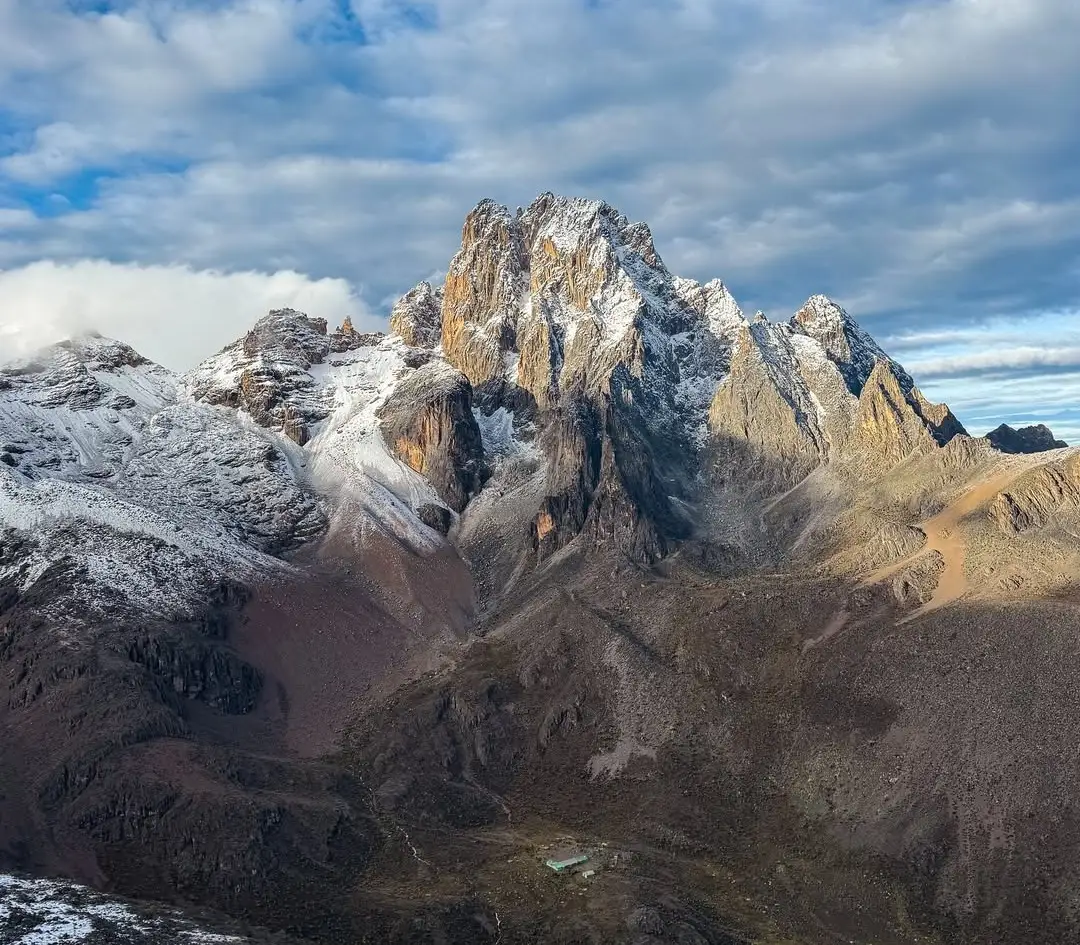
High-altitude treks in Kenya require a careful ascent, and this 4-day itinerary is designed for effective acclimatisation. We use the Sirimon route for its gradual gradient and scenic approach through the Mackinder Valley. The road transfer from Nairobi to the Sirimon Park Gate takes approximately 4 hours, allowing the trek to start before midday.
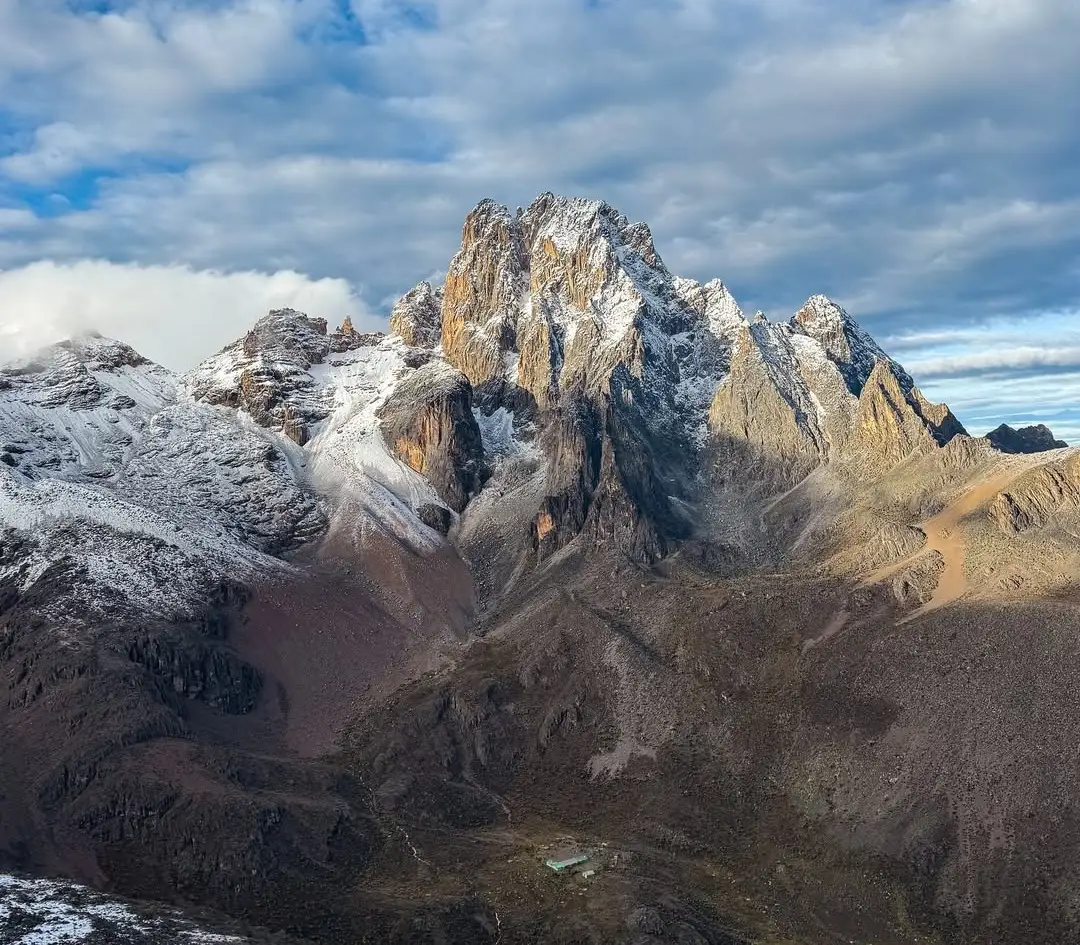
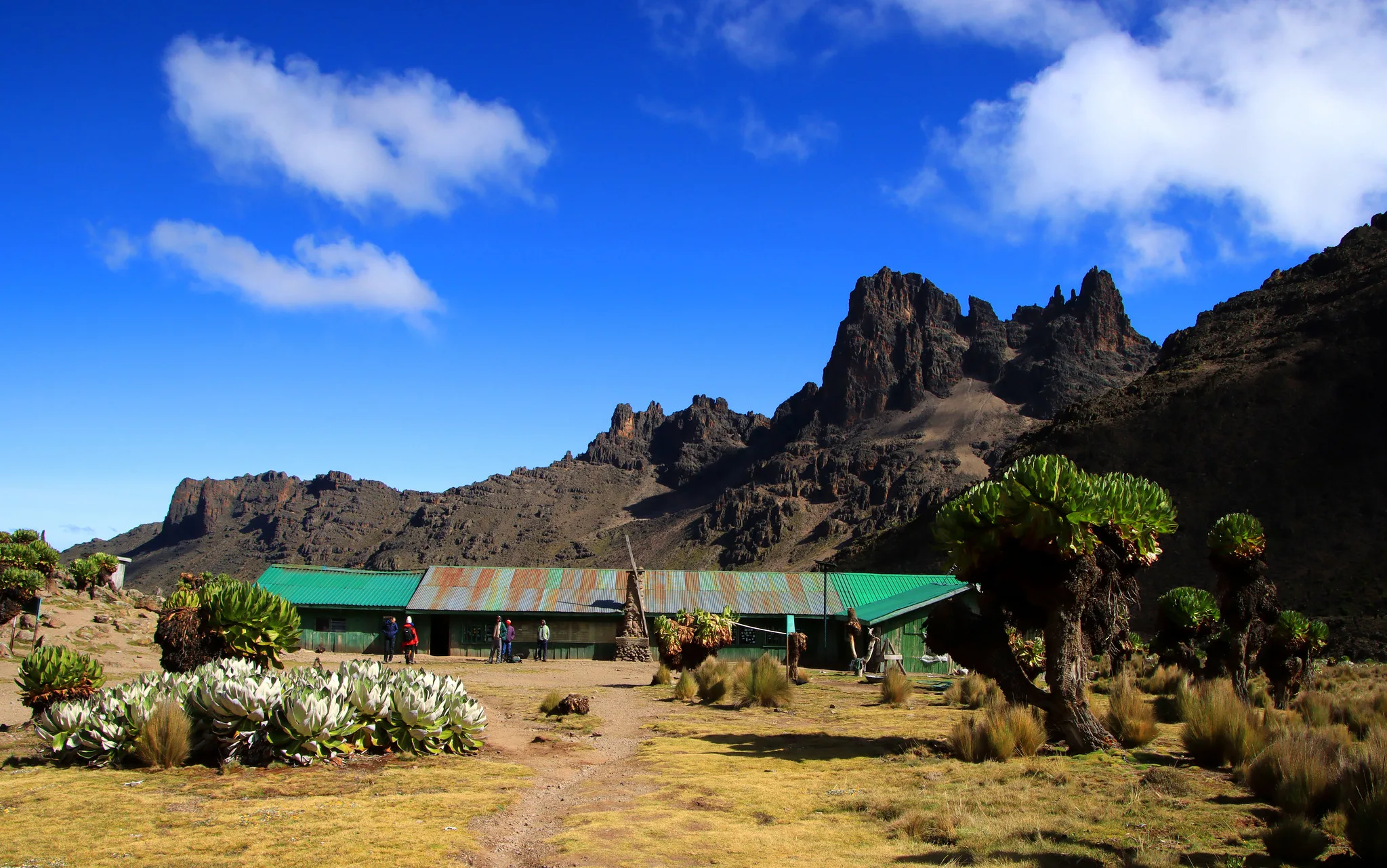
The trek is deliberately paced. Day one is a 3-4 hour hike from the gate (2,650m) to Old Moses Camp (3,300m) for the first stage of acclimatisation. The second day is a 6-7 hour trek to Shipton's Camp (4,200m), which serves as the base for the summit attempt. This two-stage approach to gaining altitude is part of this itinerary's design to improve your chances of a successful summit.
Wildlife Expectations and Seasonality
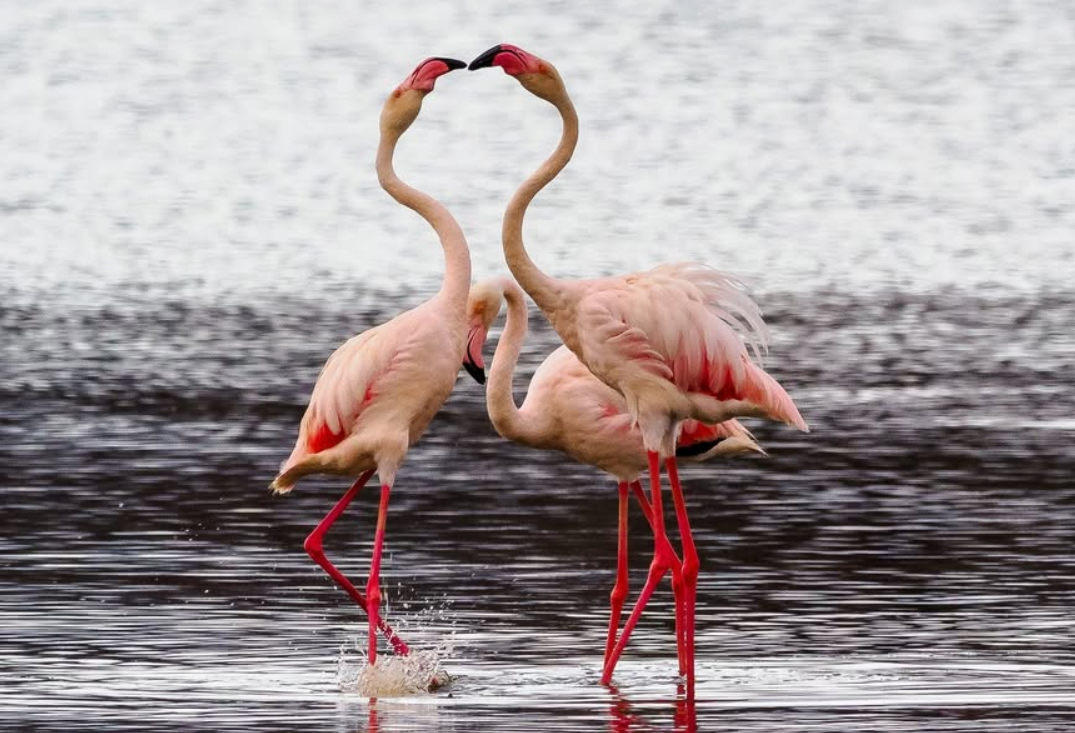
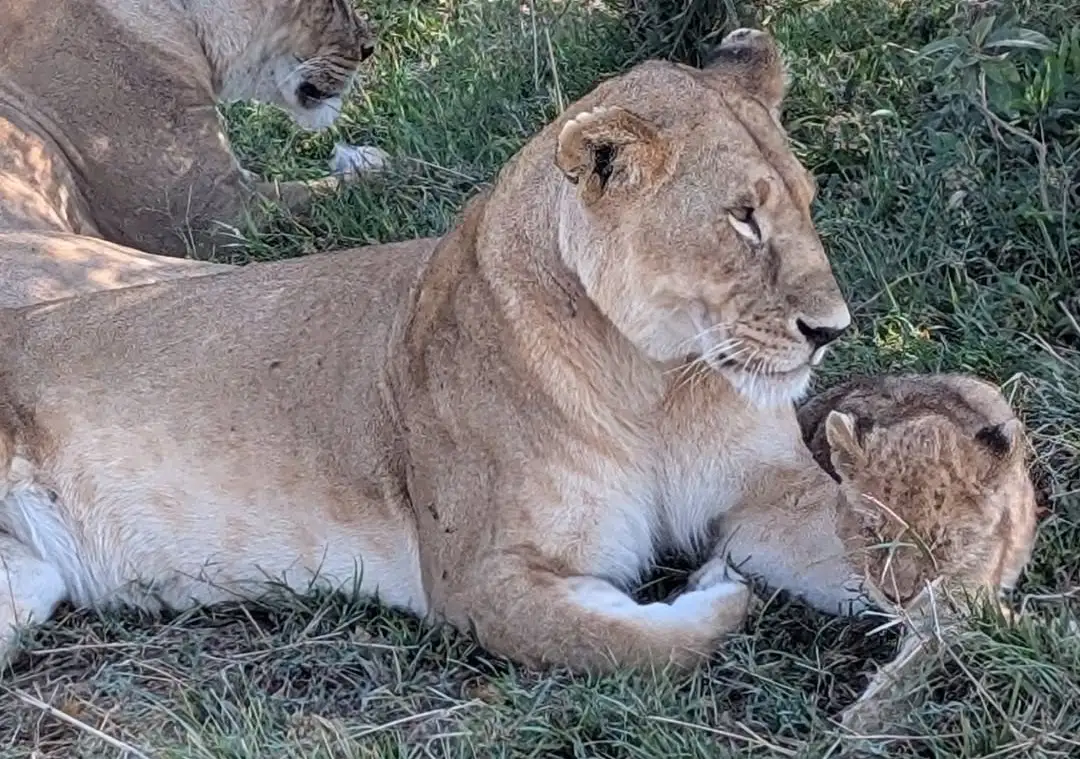
The wildlife on Mount Kenya is adapted to its alpine ecosystems, differing from what you might find on a big-game safari. In the lower montane forest, you may see black-and-white colobus monkeys, Sykes' monkeys, and bushbuck. The upper heath and moorland sections have more specialised fauna, including rock hyrax around the camps and high-altitude birds like sunbirds. The unique Afro-alpine flora, including giant groundsel and lobelia plants, is a particular highlight.
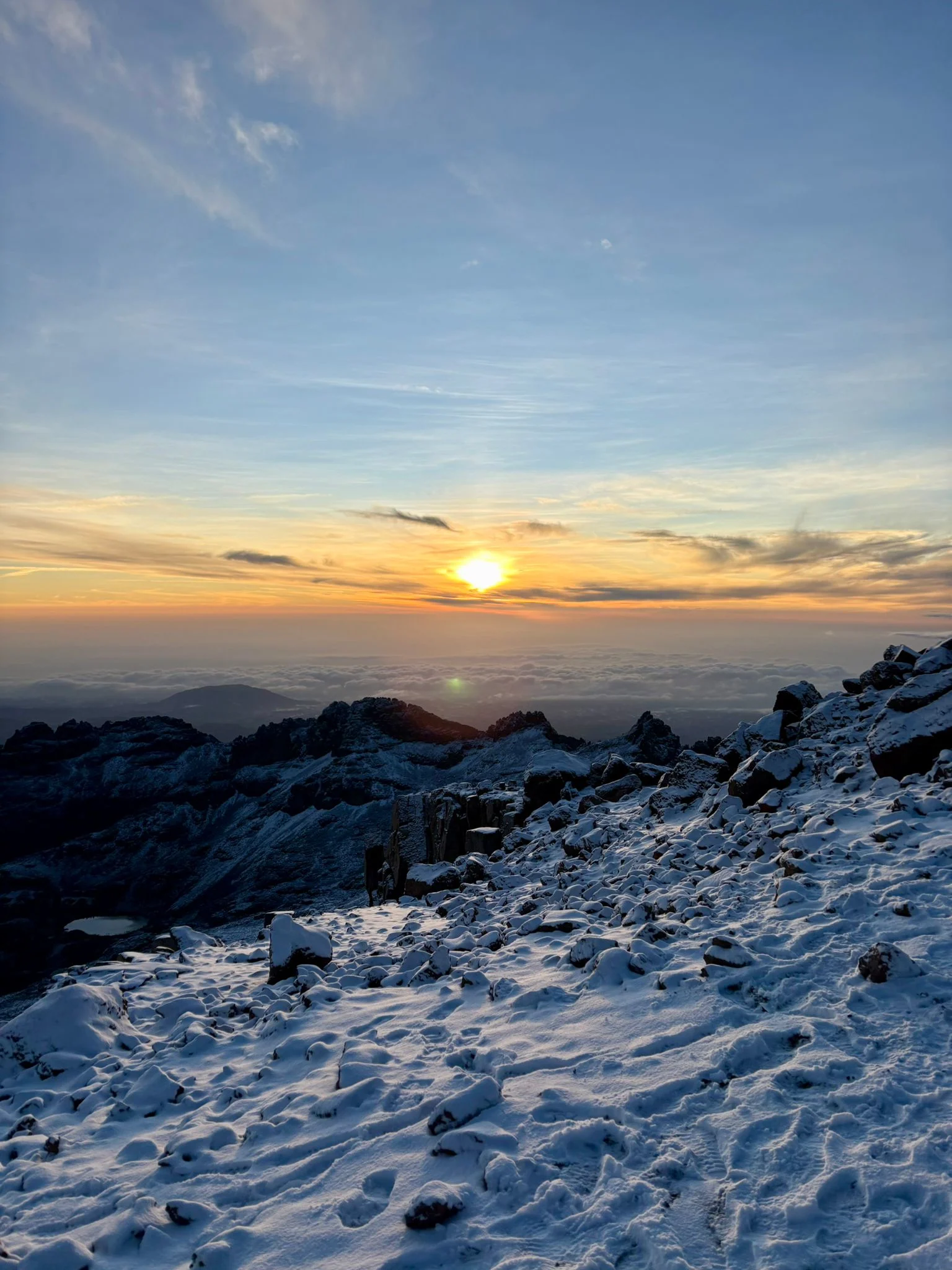
The best trekking conditions are during Kenya's two dry seasons: January to March and June to October. These periods offer the best chance of clear skies and dry trails, which is important for the pre-dawn ascent to Point Lenana.
Accommodation and Vehicle Standards
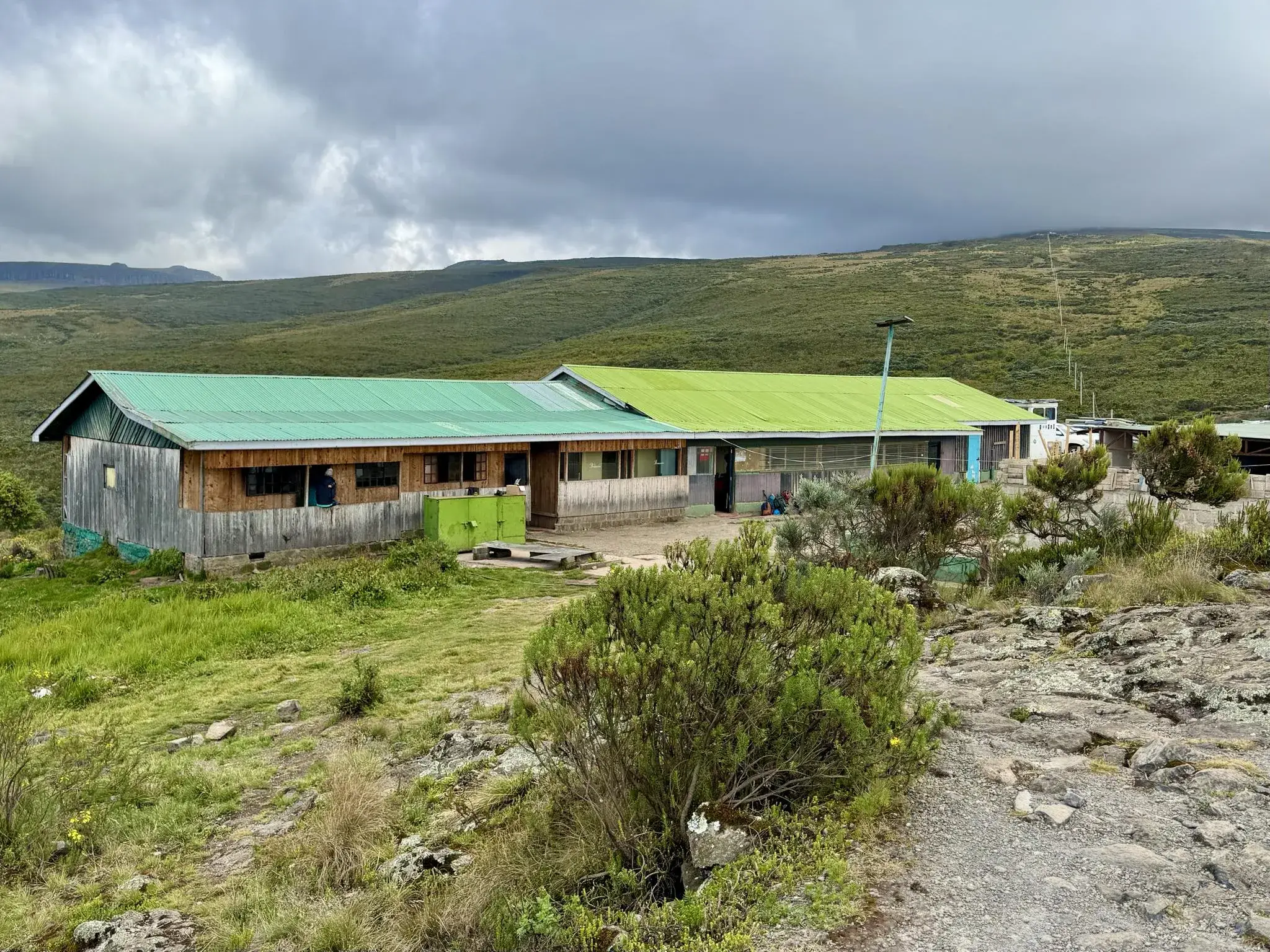
Accommodation is in basic mountain huts that provide functional shelter. You will stay in shared dormitory-style rooms with bunk beds at Old Moses and Shipton's camps. The huts offer shelter from the elements and a communal dining area where the mountain crew serves meals. This type of accommodation is standard for this trekking route.
We provide ground transport from Nairobi to the park gate and back in a safari minivan. The vehicle is suitable for highway travel and can accommodate a small group of climbers and their equipment.
Information for UK Travellers
Visas: UK passport holders require an Electronic Travel Authorisation (eTA) to enter Kenya. This must be applied for and approved online before you travel. We advise completing the application at least two weeks before your departure date.
Plugs: Kenya uses the Type G socket, which is the same 3-pin plug used in the UK. No travel adapters are required for your electronic devices.
Luggage: Your luggage for the climb is split into two parts. The main pack must be a soft-sided duffel bag or rucksack (maximum 15kg) for the porters. You will also need a personal daypack (approximately 25-35 litres) to carry your water, waterproofs, snacks, and other daily essentials.


.webp)
.webp)
.webp)
.webp)
.webp)
.webp)
.webp)
.webp)