Many travellers believe the Great Migration is a single event that happens on a specific day. In reality, it is a continuous cycle involving over 1.5 million wildebeest and 1.5 million zebras moving between the Serengeti in Tanzania and the Masai Mara in Kenya.

For UK travellers planning a trip for the season, understanding the specific movement of the herds is important. The animals do not simply arrive all at once. They follow a pattern based on the rains and grazing needs.
The herds typically reach the Kenyan border around mid-July. The first crossings usually occur at the Sand River. By August, the mega-herds attempt the dramatic crossings at the Mara River.
They spend September grazing in the Mara Triangle before heading south back to the Serengeti in October. Seeing a crossing requires patience, the right location, and an experienced guide who understands animal behaviour.
The Booking Window for UK Travellers
Securing a front-row seat to this spectacle requires advance planning. The best camps and the most experienced guides are booked out months in advance.
If you intend to travel in August this year which is the peak month for river crossings, you should confirm your booking by January same year. Demand is high, and capacity inside the reserve is limited. Waiting until a few months before departure often results in paying higher prices for inferior accommodation located far from the action.
For travel in September or October, we recommend booking no later than March. While the crowds thin out slightly towards the end of the season, the top-rated guides are prioritized for early bookings.
The Great Migration Calendar Month by Month
The migration follows a rainfall pattern rather than a strict calendar date. However, historical data allows us to predict the location of the herds with reasonable accuracy for your year itinerary planning.
July: The Arrival
The herds typically cross the border from Tanzania into Kenya around mid-July. The first river crossings occur at the Sand River. This is the southern boundary of the reserve.
You will see the first waves of wildebeest entering the Mara ecosystem. It is an excellent time to witness the sheer scale of the migration as the plains begin to fill up.
August: The River Crossings

August is the peak month for the dramatic Mara River crossings. This is when over 1.5 million wildebeest and 1.5 million zebras attempt to cross the crocodile-infested waters.
You might notice the two species moving together. Zebras have excellent eyesight while wildebeest possess a keen sense of smell. They rely on each other to detect predators. This is the busiest time in the park, and vehicle density at crossing points is high.
September: The Mara Triangle
By September, the herds have usually crossed the river and spread out across the Mara Triangle and the main reserve to graze. The frantic energy of the crossings settles down.
This month offers excellent photography opportunities. The grass is often shorter which makes it easier to spot big cats stalking the grazing herds.
October: The Return South
The short rains in the Serengeti trigger the return journey. The herds move southwards back towards Tanzania. You may see late river crossings as they head back.
By late October, the density of the migration herds decreases significantly, leaving the resident wildlife behind.
Cost of The Migration Safari and Holiday Budgeting
A migration safari is a significant investment. Prices have risen recently due to government fee adjustments. Understanding the breakdown of costs helps you plan an accurate budget for your trip.
Park Entrance Fees
The Narok County Government charges a daily park fee of $200 USD per person per day. This fee grants you 12 hours of access to the Masai Mara National Reserve.
If you stay inside the reserve, you must pay this fee for every day of your stay. If you stay outside, you pay only for the days you enter the park for game drives.
Accommodation Tiers
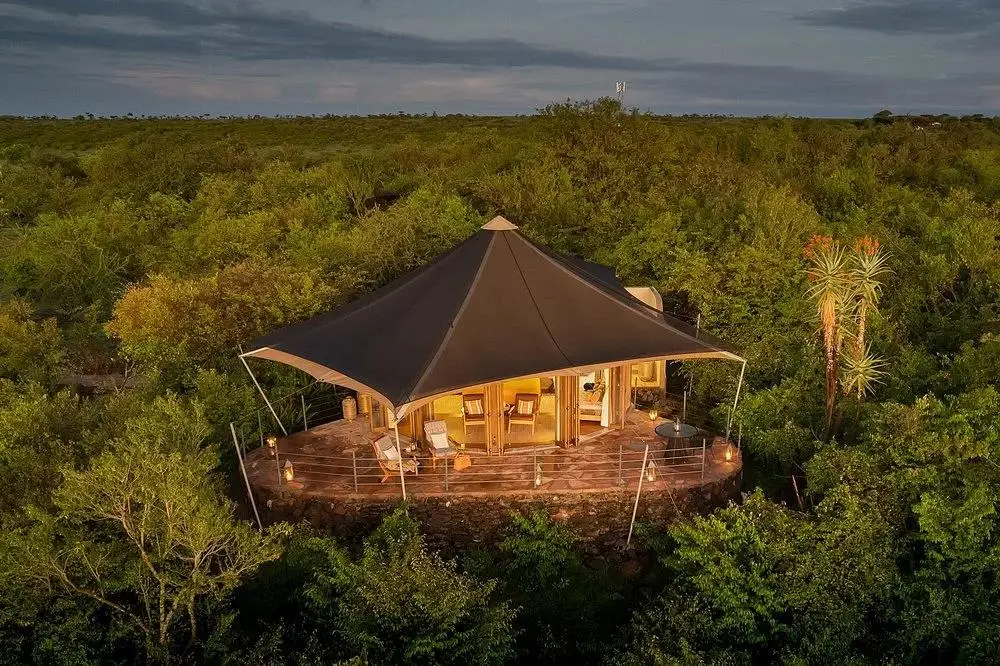
Lodge and camp prices vary drastically based on location and luxury level.
- Budget ($50 - $100 USD p.p/night): These are usually basic campsites or budget lodges located outside the park gates. They offer simple amenities but allow you to access the reserve during the day.
- Mid-Range ($300 - $500 USD p.p/night): This tier offers excellent value. Many of these camps, like the "Amazing Mara" style camps mentioned by experts, are located on private land bordering the reserve. They are often unfenced which allows wildlife to pass through freely. They offer a balance of comfort and authentic bush feel without the premium price tag of lodges inside the park.
- Luxury ($1,000+ USD p.p/night): These properties are located deep inside the reserve or in exclusive private conservancies. You pay for the location, superior service, and often an all-inclusive drinks package.
Vehicle and Guide Costs
A private 4x4 Land Cruiser typically costs between $250 and $350 USD per day for the vehicle. This cost is split among the group. If you are a group of four or six, a private vehicle becomes quite affordable. This price includes the fuel and the services of a professional driver-guide.
Booking Early to Secure Top Guides
The quality of your guide determines the quality of your safari. An experienced guide knows where the resident leopards hide and understands the behavioral signs that precede a river crossing. Many travellers focus solely on the lodge, but the person driving the vehicle has a much bigger impact on your daily experience.
The best guides in Kenya are often booked nine to twelve months in advance. If you wait until the last minute, you risk being assigned a freelance driver who may not know the territory intimately. To guarantee a top-tier guide for an August 2025 migration safari, we advise you to confirm your booking by January 2025.
Staying Inside the Reserve or on Private Conservancy near Masai Mara
You have two distinct choices for accommodation in the Mara. You can stay within the official National Reserve boundaries or choose a camp on private land bordering the park.
Inside the National Reserve
Staying inside the reserve places you closer to the main river crossing points. This reduces travel time in the mornings. However, this convenience comes with higher costs.
You must pay the daily $200 USD park fee for every day you are there. Some lodges inside the reserve also attract a government "night fee" of around $80 USD depending on the specific location.
The central areas of the reserve can also be crowded with many vehicles at a single sighting.
Private Land and Conservancies

Camps located on private land just outside the park boundaries offer a smart alternative. The borders are unfenced which allows wildlife to move freely between the reserve and these private areas. You often hear lions and hyenas around the camp at night.
Choosing this option offers several specific benefits.
- Lower Costs: You avoid paying the government park fees for days you choose to stay within the private conservancy area.
- Exclusive Activities: Private land owners allow activities that are banned inside the main National Reserve. You can go on night game drives to spot nocturnal wildlife. You can also take guided walking safaris.
- Cultural Interaction: Some camps on private land offer authentic interactions with the local community. You might see how Maasai herders manage their cattle or visit a village without the commercial feel of tourist stops inside the park.