The choice between driving and flying from Nairobi to the Masai Mara in Kenya involves a direct trade-off between travel time, cost, and luggage capacity.
Flying is significantly faster, taking about one hour, but it is more expensive and comes with a strict 15kg soft-bag luggage limit. Driving takes five to six hours, is more budget-friendly, and allows for unlimited luggage, but it consumes a potential game-viewing afternoon.
A Quick Verdict on Driving vs. Flying to Masai Mara, Kenya
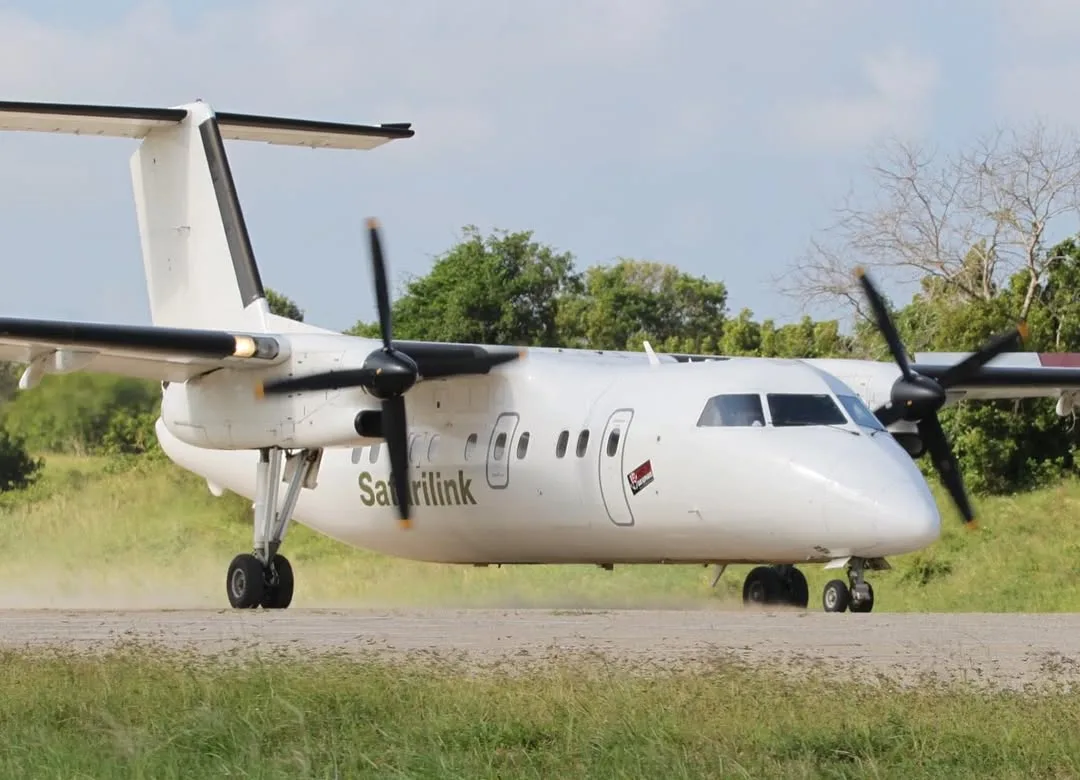
Flying to the Masai Mara is the better option for travelers on a short schedule or those seeking maximum comfort, especially families with young children.
The flight from Wilson Airport to a Mara airstrip minimizes transit time, placing you in your camp by lunchtime. Driving is the practical choice for budget-conscious travelers, photographers with extensive gear, or those who want to see the Great Rift Valley landscape up close.
The drive provides a ground-level perspective of the Kenyan countryside.
Overview of Driving vs. Flying to the Mara
| Factor | Driving from Nairobi | Flying from Nairobi |
|---|---|---|
| Total Travel Time | 5-6 hours (door to door) | ~3 hours (including airport transit) |
| In-Transit Time | 5-6 hours in a vehicle | 45-60 minutes flight time |
| Cost | Lower (per person for groups) | Higher (per person) |
| Luggage Allowance | Unlimited (within vehicle capacity) | Strictly 15kg (33 lbs) per person |
| Bag Type | Any (hardshell or soft) | Soft-sided bags only |
| Key Experience | Great Rift Valley viewpoint | Aerial views of the Mara ecosystem |
| Comfort Level | Variable; last 80km are very bumpy | High; avoids rough roads |
Three Critical Factors When Deciding whether to use Road or Air
Beyond the simple time and cost comparison, three specific realities of the journey significantly influence the decision. Understanding these factors provides a clearer picture of the actual experience for both driving and flying to the Masai Mara.
Factor 1: The 'African Massage' – Understanding the Last 80km
The final stretch of road from Narok town to the main gates of the Masai Mara National Reserve is notoriously rough. This 80-kilometer section is largely unpaved, corrugated, and dusty, creating a constant, jarring vibration inside the vehicle.
Locals refer to this experience as the "African massage." While safari 4x4s are built for these conditions, the ride can be physically taxing for some travelers, particularly those with back problems or sensitivity to motion.
Factor 2: The 'Half-Day Loss' – Why Driving Costs You a Game Drive
The drive from Nairobi consumes most of the daylight hours. A typical departure from Nairobi is around 8:00 AM, with an arrival at your Mara camp between 2:00 PM and 3:00 PM.
This schedule means you miss the camp's afternoon game drive, which usually departs around 3:30 PM. In contrast, morning flights from Wilson Airport land in the Mara around 11:00 AM. This timing allows you to check in, have lunch, and participate in a full afternoon game drive on your day of arrival.
The drive effectively costs you one of your scheduled safari activities.
Factor 3: The 15kg Soft Bag Rule – A Non-Negotiable Flight Constraint
Airlines serving the Masai Mara, such as Safarilink and AirKenya, operate small Cessna or Dash aircraft with limited cargo holds. They enforce a strict luggage limit of 15kg (33 lbs) per person, including carry-on items.
The luggage must be in a soft-sided bag or duffel without wheels or a rigid frame. This rule is non-negotiable for safety and weight-balance reasons. Hard-shell suitcases are not permitted.
Travelers who cannot meet this requirement must drive or arrange expensive freight transport for their excess luggage.
Actual Experience and Costs of Driving to the Masai Mara National Reserve
Choosing to drive is a decision for those who value flexibility and a ground-level view of Kenya. The journey itself becomes part of the safari experience.
Map the Journey: Route, Scenery, and Total Time
The standard driving route from Nairobi covers approximately 250 kilometers. The journey begins on the paved A104 highway, descending into the Great Rift Valley.
It continues to the market town of Narok, the last major supply point before the reserve. After Narok, the final 80 kilometers to the Sekenani, Talek, or Oloolaimutia gates are on the rough, unpaved C12 road.
The total drive time is between five and six hours, depending on traffic in Nairobi and road conditions.
Calculate the Real Cost of a Private 4x4
The cost of driving is typically priced per vehicle, not per person. A private Land Cruiser 4x4 with a driver-guide is a standard arrangement. This single cost covers the vehicle, fuel, and the guide's services for the transfer.
For a group of four or more, the per-person cost of driving is almost always lower than the per-person cost of flying. The price is fixed whether you have two or six passengers, making it an economical option for families and small groups.
Experience the Great Rift Valley Overlook
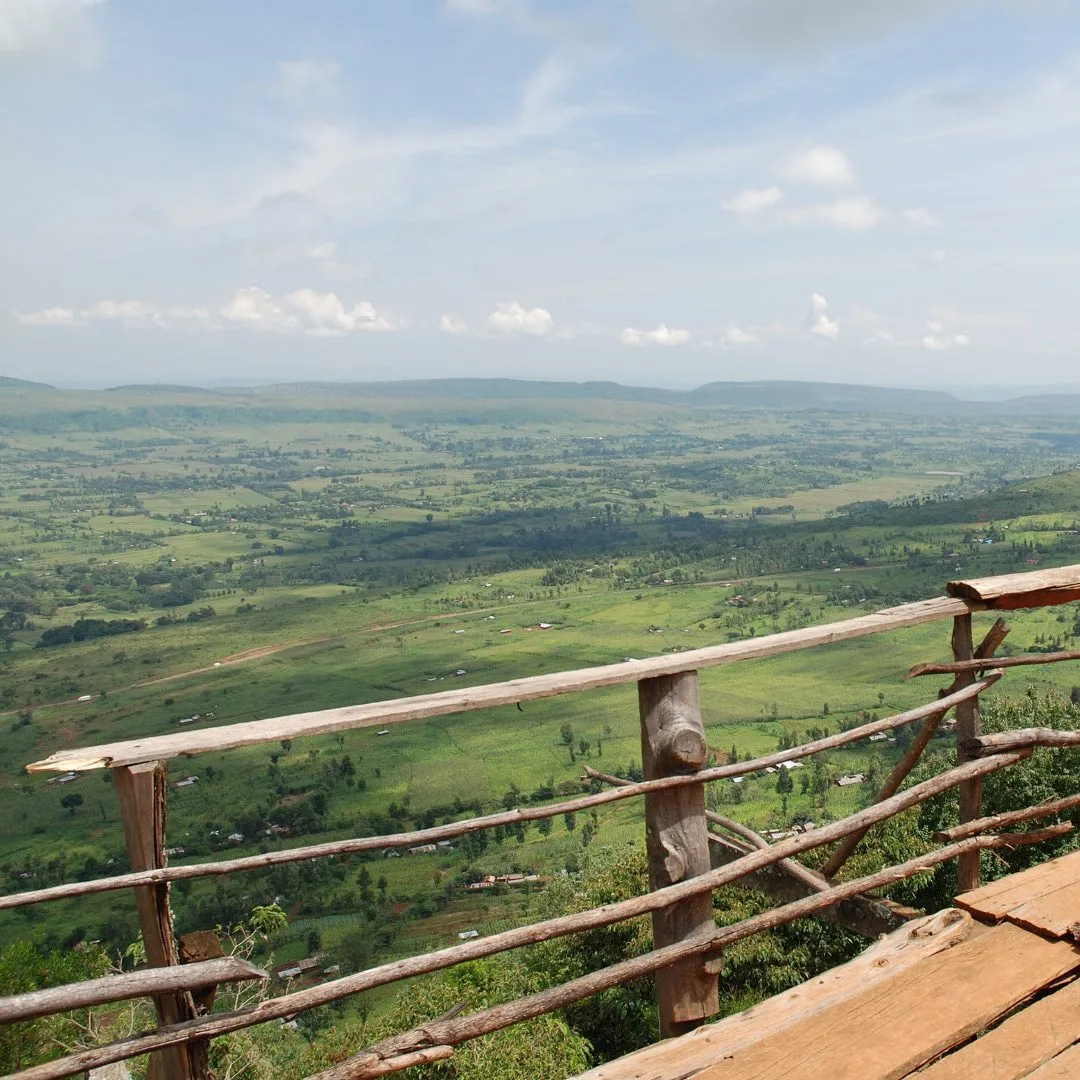
A mandatory stop on the drive is the Great Rift Valley viewpoint. This stop is located along the escarpment outside Nairobi. The stop offers a panoramic view of the valley floor, Mount Longonot, and the surrounding volcanic landscape.
It is a popular spot for photography and a brief rest before continuing the journey toward Narok. This scenic opportunity is exclusive to the overland route.
Enjoy Complete Luggage Freedom
Driving in a private 4x4 vehicle eliminates all luggage restrictions. Travelers can bring large, hard-shell suitcases, extensive camera equipment, and any other gear needed.
The vehicle's capacity is the only limit. This freedom is a major benefit for professional photographers, families traveling with a lot of supplies, or those on longer, multi-destination trips across Kenya.
Analyzing the Flight Path to the Masai Mara
Flying is the method for prioritizing time and comfort. The process is efficient and bypasses the most challenging parts of the overland journey.
From Wilson Airport to the Airstrip in Under an Hour
Flights to the Masai Mara depart from Wilson Airport (WIL), a smaller airport in Nairobi that handles domestic safari routes.
The flight itself is short, lasting between 45 and 60 minutes. Passengers enjoy low-altitude views as the plane flies over the Great Rift Valley and into the Mara ecosystem.
The efficiency of Wilson Airport, with shorter check-in and security lines compared to Jomo Kenyatta International Airport (NBO), adds to the time savings.
Unpack the Costs of Flights and Camp Transfers
The flight cost is a per-person ticket price set by the airline. This price covers the flight from Wilson Airport to one of the many airstrips inside or near the reserve.
Upon landing, a separate transfer is required. Your safari lodge or camp will arrange for a vehicle to meet you at the airstrip and drive you to the property. This camp transfer is often included in an all-inclusive safari package but can be an additional charge.
Witness Breathtaking Aerial Views of Kenya
The flight provides a unique perspective of the Kenyan landscape that is impossible to appreciate from the road.
Shortly after takeoff, the vast expanse of the Great Rift Valley becomes visible. As the aircraft approaches the Masai Mara, you can see the savanna grasslands, winding rivers, and sometimes even herds of animals like elephants or giraffes from the air.
This aerial safari serves as a preview of the game drives to come.
Master the Art of Packing Light
Adhering to the 15kg soft bag rule requires careful packing.
- Choose a soft-sided duffel bag without wheels or a rigid structure.
- Pack multi-purpose, lightweight clothing in layers. Most safari camps offer laundry services, reducing the need for many outfits.
- Wear your heaviest items, such as hiking boots and a jacket, on the plane.
- Use packing cubes to compress clothing and organize your bag efficiently.
Making the Right Choice for Your Safari Group in Kenya
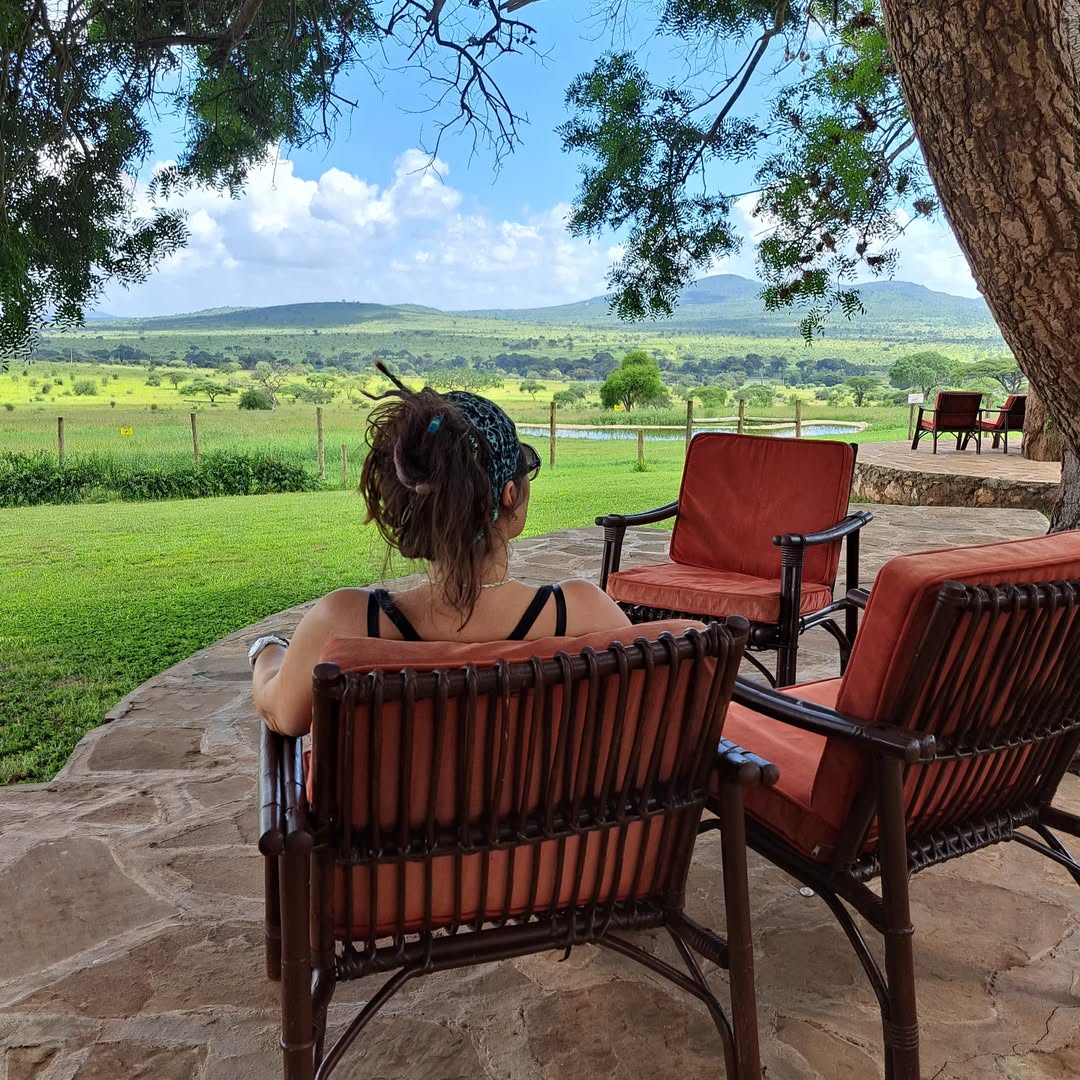
The best choice depends entirely on your group's priorities, budget, and travel style. There is no single correct answer.
Choose Driving If You Are a Budget-Conscious Adventurer
Driving is the right option if your group is working with a defined budget and the cost savings are a priority.
It is also suitable for travelers who are not bothered by a long and bumpy car ride and view the overland journey as part of the adventure. Photographers carrying heavy or bulky camera equipment that would exceed flight limits also benefit from driving.
Choose Flying If You Prioritize Time, Comfort, and Young Children
Flying is the superior option for travelers with limited time in Kenya who want to get to the game viewing as quickly as possible.
It is the most comfortable way to travel, avoiding the fatiguing "African massage." For families with young children, the short flight is far more manageable than a six-hour road trip. It is also the recommended choice for anyone with mobility issues or back problems.
The Hybrid Option of Fly In, Drive Out?
A hybrid itinerary offers a balanced approach. You can fly into the Masai Mara to save time and start your safari immediately, avoiding the "Half-Day Loss."
At the end of your stay, you can take the overland drive back to Nairobi. This allows you to experience the Great Rift Valley viewpoint and provides luggage flexibility for souvenirs purchased on safari. This combination gives you the benefits of both travel modes.
Final Verdict: Maximize Your Time in the Mara
For most first-time safari travelers, flying from Nairobi to the Masai Mara is the more practical choice. The time saved translates directly into more time on safari, which is the primary purpose of the trip.
Arriving rested and ready for an afternoon game drive sets a better tone for the entire experience than arriving tired and dusty after a long drive. While driving has its economic and scenic merits, the value of an extra game drive in a world-class reserve like the Masai Mara generally outweighs the benefits of the overland journey.