The primary difference between a 3-day and a 4-day Masai Mara safari is the total 'in-park' game viewing time.
A 4-day safari provides two full days for game drives, while a 3-day safari effectively offers only one full day due to the long travel times to and from Nairobi. This impacts the pace of the safari, the level of traveler fatigue, and the ability to visit geographically distant areas like the Mara Triangle.
Factors Influencing the Choice Between 4-Day and 3-Day Safari
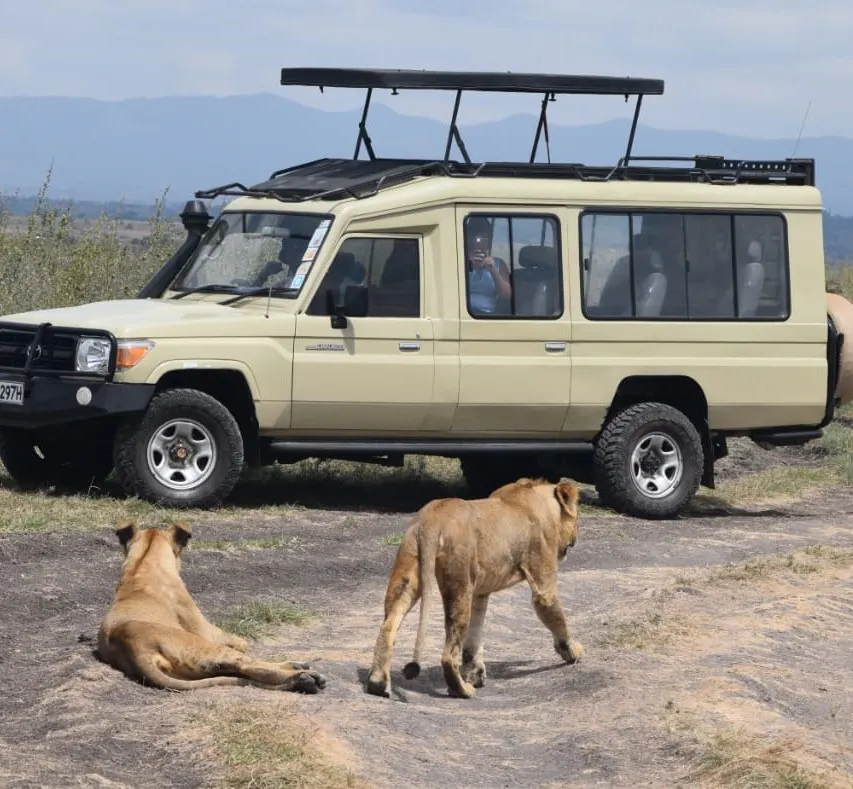
The decision between a 3-day and 4-day safari itinerary appears to be a simple matter of one extra day and the associated cost. The actual difference, however, lies in logistical realities that are not immediately obvious.
These factors include the amount of time spent in transit versus time spent on game drives, the physical toll of a condensed schedule, and the geographical areas of the Masai Mara National Reserve you can realistically access.
The Critical Difference Most Travelers Overlook
Most itineraries do not clearly state the net hours spent on wildlife viewing. The total trip duration is misleading because it includes significant travel time. Understanding this calculation is the most important step in choosing the right safari length.
Calculate Your Actual 'In-Park' Game Viewing Time
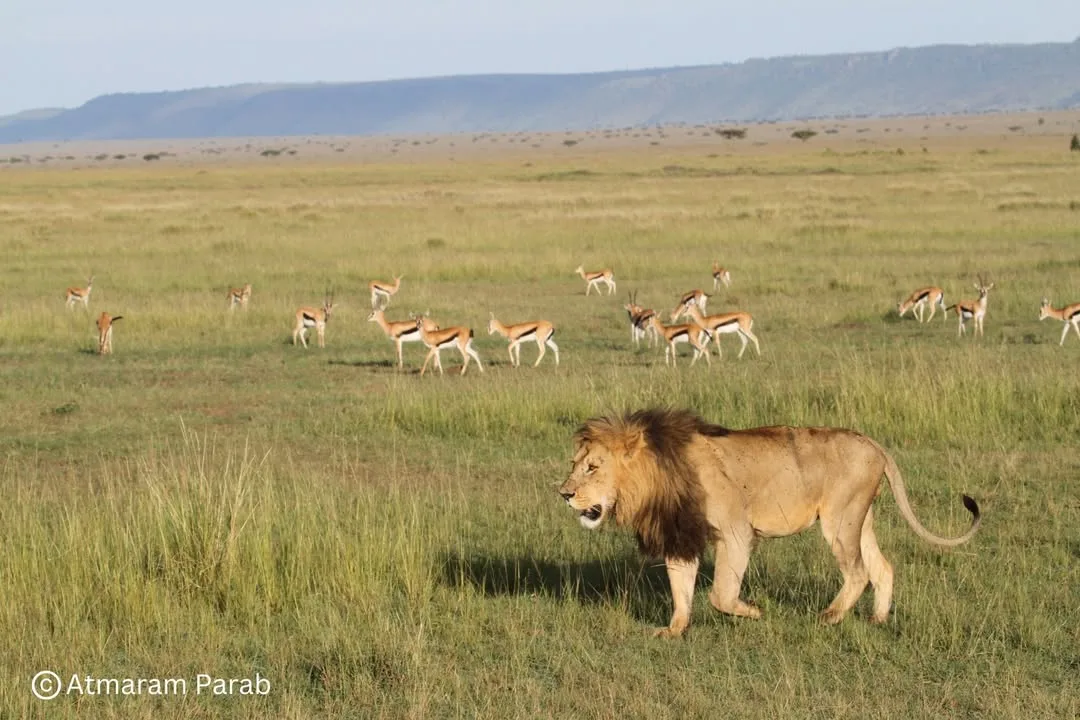
The drive from Nairobi to the Masai Mara takes approximately 5-6 hours each way. This travel consumes the majority of the first and last days of any safari.
A 3-day safari structure provides disproportionately less time for its primary purpose: wildlife viewing. The effective time in the park is not linear; adding one day almost doubles your quality game drive time.
| Itinerary Element | 3-Day Safari Breakdown | 4-Day Safari Breakdown |
|---|---|---|
| Day 1 | ~6 hrs travel, ~2 hrs afternoon game drive | ~6 hrs travel, ~2 hrs afternoon game drive |
| Day 2 | ~8 hrs full-day game drive | ~8 hrs full-day game drive |
| Day 3 | ~2 hrs morning game drive, ~6 hrs travel | ~8 hrs full-day game drive |
| Day 4 | N/A | ~2 hrs morning game drive, ~6 hrs travel |
| Total Game Drive Time | ~12 hours | ~20 hours |
Safari Fatigue Factor
A safari schedule is physically demanding. Game drives often start before sunrise to catch predators when they are most active and can last the entire day on rough, unpaved tracks.
A 3-day safari compounds this physical stress by sandwiching one long game drive day between two long travel days. There is no recovery time.
A 4-day safari introduces a second full day in the park, allowing for a more sustainable pace and preventing the burnout that can occur on a compressed itinerary.
Unlock the Mara Triangle: A Zone a 3-Day Trip Can't Reach
The Masai Mara is divided into two main areas: the main Masai Mara National Reserve and the Mara Triangle. The Mara Triangle is a separate conservancy managed by the Mara Conservancy, known for its high density of wildlife and fewer tourist vehicles.
Reaching the Triangle from most camps in the main reserve requires a full-day excursion. A 3-day safari itinerary does not have the time to accommodate this journey without sacrificing viewing time in the primary reserve.
A 4-day safari provides the necessary full day to make a dedicated trip to the Mara Triangle a practical option.
Visualizing the 3-Days and 4-Days Itineraries Side-by-Side
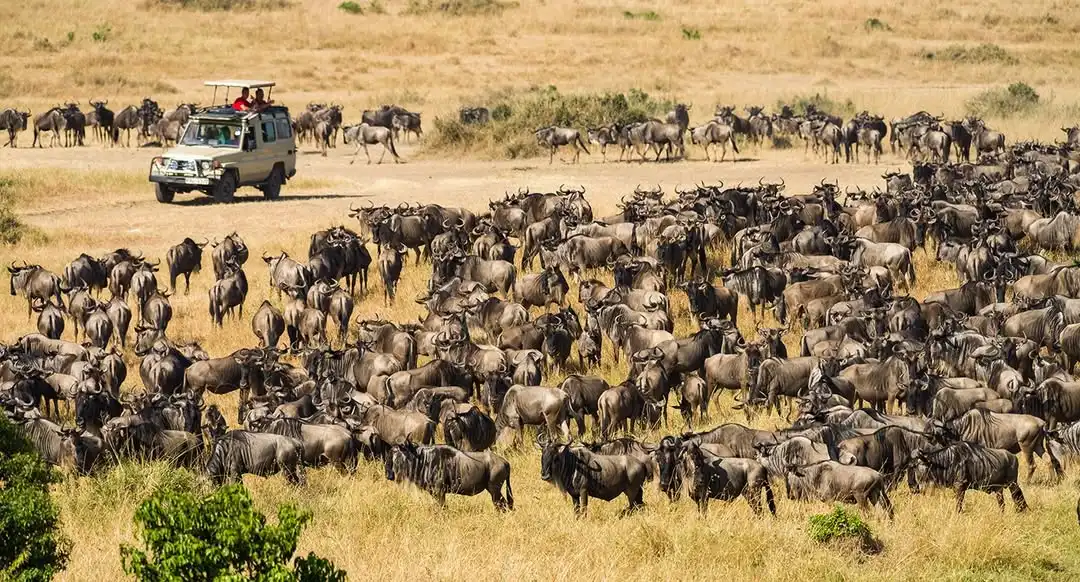
The daily structure of each safari demonstrates the difference in pace and opportunity. One is a rapid survey, while the other allows for a more thorough experience.
The Anatomy of a 3-Day Safari
- Day 1: Travel and Introduction. Depart Nairobi in the morning. Arrive at your Masai Mara camp/lodge for lunch. Undertake a short afternoon game drive from roughly 4:00 PM until sunset.
- Day 2: Full Day Immersion. This is the core of the safari. You spend the entire day in the park, typically with a packed lunch, from after breakfast until late afternoon.
- Day 3: Final Sighting and Departure. A short, early morning game drive. Return to the lodge for breakfast and then begin the 5-6 hour drive back to Nairobi.
The Structure of a 4-Day Safari
- Day 1: Travel and Introduction. The schedule is identical to the 3-day safari. Depart Nairobi, arrive for lunch, and have an afternoon game drive.
- Day 2: First Full Day. A full-day game drive exploring the areas near your camp.
- Day 3: Second Full Day (Strategic Exploration). This extra day provides options. You can explore a different region of the reserve, make the trip to the Mara Triangle, or focus on finding specific animals you missed on Day 2.
- Day 4: Final Sighting and Departure. The schedule is identical to the final day of a 3-day safari, with an early game drive and the return trip to Nairobi.
How Safari Pacing Directly Affects Your Wildlife Sightings
The amount of time available directly influences the quality of wildlife encounters. More time increases the probability of witnessing unique animal behaviors and capturing better photographs.
Chasing the 'Golden Hour' for Unforgettable Photos
The best light for wildlife photography occurs during the 'golden hours'—the first hour after sunrise and the last hour before sunset.
During these times, the light is soft and warm, and animals are often most active. On a 3-day safari, the morning golden hour of Day 3 is cut short by the need to return for breakfast and start the drive back to Nairobi.
A 4-day safari gives you two full mornings and two full evenings to take advantage of this optimal light without pressure from a travel schedule.
Gaining the Freedom to Linger at a Sighting
Exceptional wildlife sightings often require patience. A leopard may rest in a tree for an hour before deciding to descend, or a cheetah pride might stalk prey for an extended period.
On a condensed 3-day safari, a guide may feel pressure to move on to cover more ground and show guests other animals.
A 4-day itinerary provides the flexibility to wait at a promising sighting for the action to unfold, which can be the difference between a fleeting glimpse and a memorable event.
Breaking Down the Costs: Is the Fourth Day Worth It?
While a 4-day safari has a higher total cost, analyzing the cost per hour of actual game viewing provides a different perspective on its value.
Analyze the Cost-Per-Hour of Actual Game Driving
The cost of a safari includes fixed transportation costs to and from Nairobi, which are the same for both itineraries. By adding a fourth day, you spread these fixed costs over more hours of the core activity.
The fourth day's expense consists mainly of an extra night's accommodation and one day of park fees. The result is often a lower cost per hour of quality wildlife viewing.
| Cost Metric | 3-Day Safari (Example) | 4-Day Safari (Example) |
|---|---|---|
| Total Cost | $900 | $1200 |
| Total Game Drive Hours | ~12 hours | ~20 hours |
| Cost Per Game Drive Hour | $75.00 | $60.00 |
What That Extra Night's Accommodation Truly Buys You
The payment for the third night of accommodation is not just for a room. It purchases an entire additional day inside the Masai Mara. This extra day translates to:
- An 8-hour increase in potential game drive time.
- The logistical possibility of reaching distant areas like the Mara Triangle.
- A more relaxed pace, reducing fatigue and improving the overall experience.
- A buffer day in case of poor weather or elusive wildlife on one of the other days.
Match the Safari to Your Travel Style
The optimal safari length depends on your personal priorities, time constraints, and goals for the trip.
A 3-Day Safari Makes Sense If…
- You have a very strict and limited time frame in Kenya.
- Your budget is the single most important deciding factor.
- The Masai Mara is just one brief stop on a much longer, multi-destination itinerary.
- Your goal is simply to experience the Masai Mara, even for a short time.
A 4-Day Safari is Essential If…
- This is your first-ever African safari.
- You are a keen photographer who needs time for good light and patient observation.
- You specifically want to increase your chances of witnessing a river crossing during the Great Migration.
- You prefer a more relaxed and immersive travel experience without feeling rushed.
Our Final Verdict for First-Timers and Photographers in Kenya
For first-time safari travelers and wildlife photographers, a 4-day Masai Mara safari is the recommended minimum. The 3-day option is logistically compromised, offering only one effective day in the park sandwiched between two days of extensive travel.
The 4-day safari provides a much better return on investment in terms of wildlife viewing hours, reduces fatigue, and allows the flexibility needed to witness the unique events that make the Masai Mara a world-class destination.