The Nairobi to Samburu drive is a classic Kenyan road trip that requires realistic planning. The journey takes a minimum of six hours of pure driving time, excluding any stops. This duration covers the route's varied segments, from the smooth Thika Superhighway near the capital to the more demanding final stretch towards the reserve.
Travellers can frame this drive as the first part of their safari by including experiential stops. Factoring in breaks at the Equator Crossing marker in Nanyuki and the Trout Tree Restaurant makes the transfer an integral part of the northern Kenya itinerary. Proper planning accounts for both the driving time and these enriching stops.
How Long is the Drive from Nairobi to Samburu
Planning the drive from Nairobi to Samburu means setting aside the optimistic estimates from generic mapping services. A non-stop journey will take at least six hours. Most trips take longer once breaks are included, so it is best to allocate a full day for a comfortable transfer.
Nairobi to Nanyuki Segment
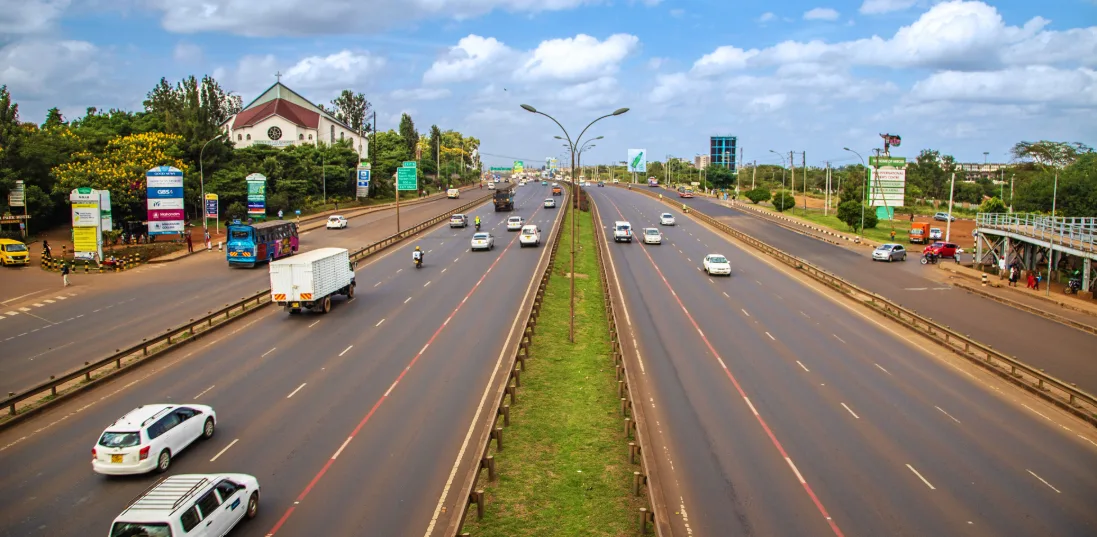
The journey's first segment, from Nairobi to Nanyuki, is largely on the A2 road, which begins as the Thika Superhighway. This section is Kenya's best-maintained motorway and offers smooth, fast-paced driving for approximately 1.5 to 2 hours. Traffic leaving Nairobi can be heavy, so an early start is recommended to avoid delays.
Nanyuki to Isiolo Segment
From Nanyuki to Isiolo, the A2 road remains tarmacked but narrows. The road surface quality can be more variable with occasional potholes, requiring slower speeds. This section of the drive takes approximately one hour to complete.
Isiolo to Samburu National Reserve Segment
The final leg from Isiolo to the Samburu National Reserve gates presents changing conditions. The main A2 road is paved, but the turn-offs and tracks leading to the reserve and specific lodges can be rough. This final stretch can take over 1.5 hours, depending on the exact location of your accommodation within the greater Samburu ecosystem.
What Are the Best Stops on the Nairobi to Samburu Drive?
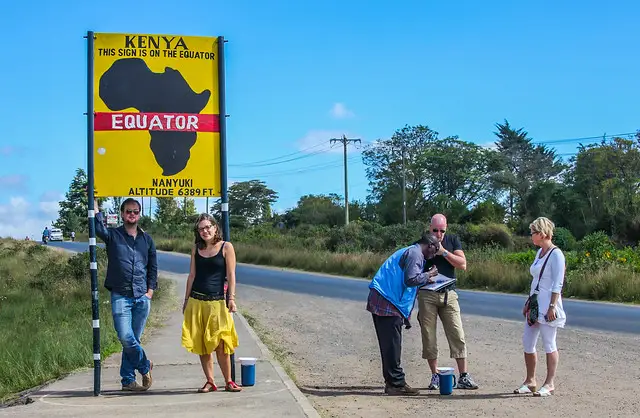
Breaking the long drive with planned stops improves comfort and enriches the experience. The most popular photo opportunity is the Equator Crossing marker just south of Nanyuki, where you can stand in both the northern and southern hemispheres at once. Local guides at the marker perform a water-draining demonstration to illustrate the Coriolis effect.
For a memorable lunch, the Trout Tree Restaurant near Nanyuki offers fresh, farm-to-table trout in a setting constructed around a large fig tree by the Burguret River. Numerous farm shops along the A2, particularly around the Timau area, sell excellent Kenyan coffee and fresh produce. Petrol stations in the main towns provide reliable comfort breaks and fuel stops.
What Vehicle Do You Need for the Nairobi to Samburu Drive?

A 4x4 vehicle is the only practical choice for the drive to Samburu. The unpaved and uneven roads on the final leg into the reserve and all internal park roads can become impassable for 2WD vehicles after rain. A high-clearance 4x4, such as a Toyota Land Cruiser or Safari Van, provides the necessary capability and superior viewing height for game drives.
Self-Drive vs Driver-Guide Considerations
UK travellers can choose between a self-drive hire and a vehicle with a driver-guide. Self-drive provides flexibility but requires navigating unfamiliar hazards.
If you select this option, use a reputable provider registered with the Kenya Association of Tour Operators (KATO). Your hire agreement must include comprehensive insurance and 24-hour breakdown assistance. Check that the policy covers tyres and windscreens.
Hiring a vehicle with a driver-guide removes navigational stress and adds invaluable local expertise for wildlife spotting and route management. Many UK travellers find this option offers the best balance of convenience and local insight for a first-time safari.
How the Ewaso Nyiro Bridge Affect the Journey
A significant infrastructure update for travellers is the new Ewaso Nyiro Bridge on the A2, north of Isiolo. The bridge is fully operational and provides a bypass around the frequently congested town of Archer's Post. Previously, all traffic had to navigate through the town centre, often causing delays, especially on market days.
The new route makes the final approach to the Samburu National Reserve's main gate more efficient. By avoiding local traffic, travellers experience a more predictable and slightly faster journey on this last leg. Navigation apps and local driver-guides will automatically use the new bridge to access the reserve.
How to Drive Safely from Nairobi to Samburu
Driving in Kenya requires a defensive mindset and constant awareness of your surroundings. Local driving styles differ from the UK, and you should anticipate unpredictable overtaking and sudden stops from 'matatus' (minibuses). As a general rule, avoid driving after dark due to poor lighting, pedestrians, and the high risk of encountering wildlife or unlit vehicles on the road.
For security, keep vehicle doors locked and valuables out of sight, particularly in urban traffic. Before departure, save emergency contacts in your phone, including Kenya's general emergency number (999 or 112) and the number for your vehicle hire's breakdown service. A local SIM card ensures you have data for navigation and can make calls without relying on Wi-Fi.
Before and during your trip, consult the latest UK Foreign, Commonwealth & Development Office (FCDO) travel advice for up-to-date guidance on road travel and regional security.
Where to Stay Overnight on the Nairobi to Samburu Route
An overnight stop in Nanyuki can create a more relaxed itinerary, although the drive is achievable in one day. This strategy works well if your flight arrives late into Nairobi or if you prefer a slower pace to explore the Mount Kenya region before heading north.
Nanyuki is positioned at the journey's midpoint and offers a diverse range of accommodation. Options include functional hotels in the town, luxury lodges, and private conservancies on the surrounding Laikipia Plateau. An overnight stay breaks the drive and allows you to acclimatise or visit nearby attractions like the Ol Pejeta Conservancy. You must book accommodation well in advance, especially during peak safari seasons (June-October, December-March).
Is a Self-Drive or Guided Tour Better for the Samburu Trip?
The decision between a self-drive safari and a guided tour involves a trade-off between cost, convenience, and depth of experience. A self-drive trip requires you to budget for 4x4 vehicle hire, fuel, comprehensive insurance, park entrance fees, accommodation, and food. You must also account for potential costs like minor traffic fines or repair call-out fees.
A guided tour or private transfer includes the vehicle, fuel, and an expert driver-guide in a higher upfront price. This cost provides stress-free navigation, expert wildlife spotting, mechanical knowledge for any roadside issues, and local insights. For many UK travellers, the safety and enriched experience offered by a good driver-guide provides better value and a more relaxing holiday.
What Wildlife Can You See in Samburu National Reserve?
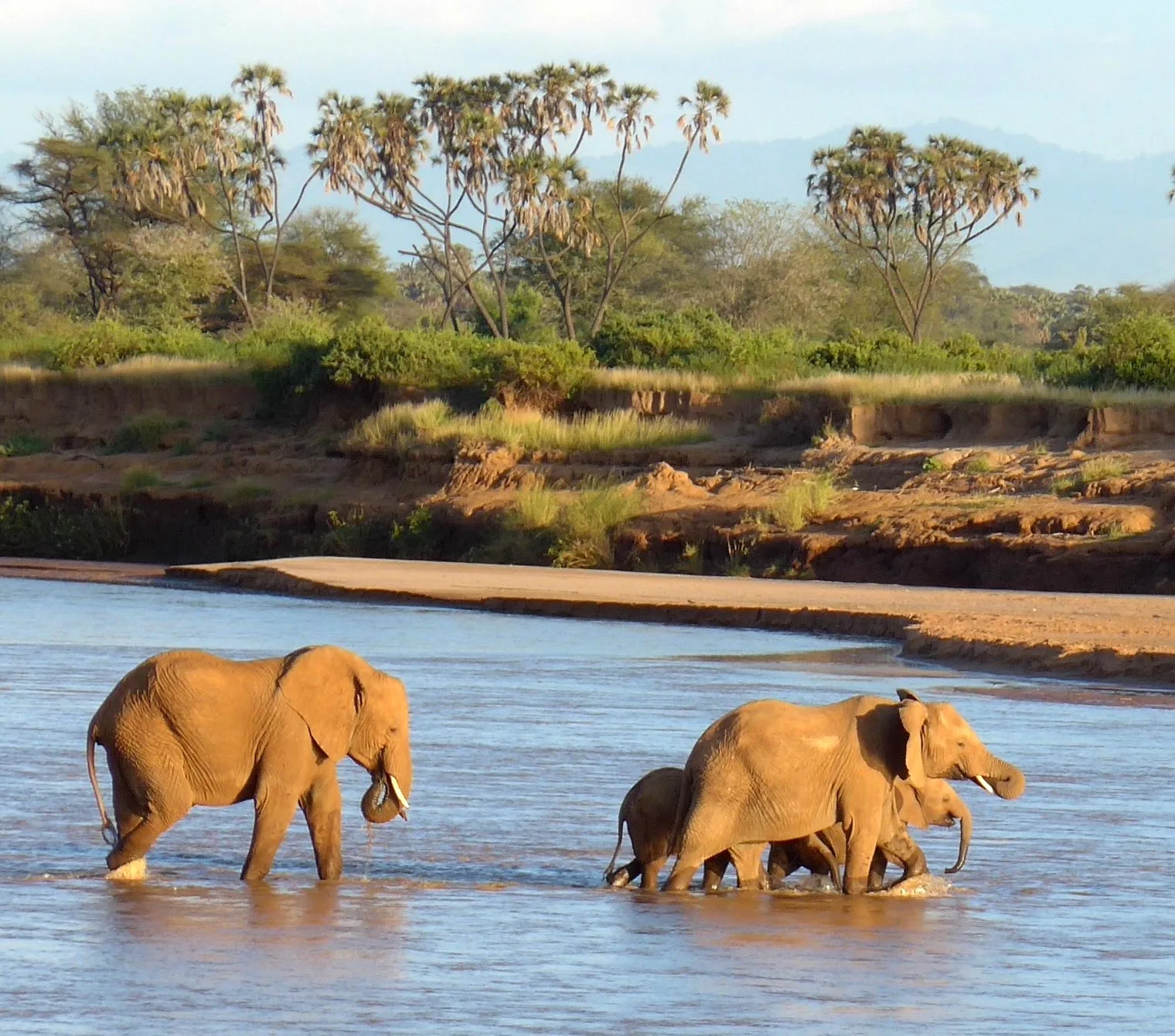
The reward for the journey is Samburu's unique semi-arid landscape, defined by the life-giving Ewaso Nyiro River. The river attracts a high concentration of wildlife, offering a safari experience different from other parts of Kenya. Samburu is known for the 'Samburu Five', which are species adapted to this northern ecosystem: the Grevy's zebra, the long-necked gerenuk, the reticulated giraffe, the Beisa oryx, and the Somali ostrich.
The reserve is also a reliable location for spotting large elephant herds and leopards. Samburu offers outstanding birdwatching, with species like the vulturine guineafowl. The region is also the homeland of the Samburu people, whose pastoralist culture adds a fascinating human dimension to the visit.
How to Plan Your Broader Kenya Safari Itinerary
With a clear understanding of the Nairobi to Samburu drive, you can plan your wider Kenya safari. Book your accommodation and vehicle hire well in advance, particularly if travelling during the peak seasons from June to October or December to March. Booking ahead ensures the best availability and pricing.
You can integrate this road trip into a larger itinerary, perhaps connecting a Samburu safari with a visit to Laikipia. Another option is to fly back to Nairobi to explore other parts of the country. Before you finalise bookings, check your passport validity, any visa requirements for Kenya, and consult your GP regarding recommended vaccinations. Always refer to the official UK FCDO website for the latest travel advisories.
What to Pack and Prepare for the Nairobi to Samburu Drive
A few final checks will ensure your journey is smooth. For your personal packing, focus on lightweight layers, including long-sleeved shirts for sun protection, a fleece for cool mornings, and light trousers. A wide-brimmed sun hat, sunglasses, high-SPF sun cream, and effective insect repellent are necessary.
Pack any personal medications and a basic first-aid kit. Keep digital and physical copies of your passport, driving licence, and travel insurance details. If self-driving, perform a pre-departure vehicle inspection: check tyre pressures (including the spare), all fluid levels, and confirm a jack and toolkit are present.
For connectivity, a local SIM card from the airport is valuable for navigation. Carry enough Kenyan Shillings for fuel, snacks, and tips, as cards may not be accepted everywhere. The M-Pesa mobile money system is also widely used for smaller payments.
Nairobi to Samburu Drive: Key Facts
| Metric | Detail | Recommendation |
|---|---|---|
| Minimum Driving Time | 6 hours (non-stop) | Allocate a full day for the journey with stops. |
| Total Distance | Approx. 320 kilometres (200 miles) | Varies based on lodge location within Samburu. |
| Required Vehicle | 4x4 with high clearance | A 2WD is not suitable for reserve roads. |
| Main Route | A2 Highway | Tarmacked to Isiolo, conditions vary after. |
| Key Stopover Town | Nanyuki | Ideal for lunch, fuel, or an overnight stay. |
| FCDO Advice | Check for latest updates | Consult before and during your travel. |