The cost of a private solo safari in Kenya is significantly higher per person than a group joining safari. This price difference is caused by the 'Single Supplement', a fee that covers the fixed costs of the safari vehicle and guide.
The higher investment in a private safari provides complete control over the travel experience. A private tour eliminates the 'middle seat' risk common in group minivans and gives the traveller authority over the duration of wildlife sightings. These benefits are the key justifications for the premium price of a private solo safari.
How Single Supplements Affect Solo Safari Kenya Costs
Vehicle and Guide Costs

A single supplement reflects the operational costs of a safari tour. Fixed costs like the exclusive use of a 4x4 vehicle, the guide's fees, and fuel are the same for one person as they are for a group of six.
A solo traveller on a private safari must cover these expenses alone, whereas a group divides the cost among all participants.
Accommodation Costs
The single supplement Kenya Safari fee also applies to accommodation. Safari lodges and camps price their rooms based on double occupancy. The supplement offsets the lost revenue when a solo traveller occupies a room intended for two people. This fee can increase the total solo safari package cost by 25% to 50% compared to the per-person rate for a couple.
Daily Charges For Private vs Group Solo Safari Costs
The estimated daily costs for a Kenyan safari show a clear price difference between a private solo tour and a scheduled group departure. The following prices are per person, per day for UK travellers.
| Safari Tier | Private Solo Safari (per person/day) | Group Joining Safari (per person/day) |
|---|---|---|
| Budget | £350 - £500+ | £150 - £250 |
| Mid-Range | £550 - £800+ | £300 - £450 |
| Luxury | £900 - £1,500+ | £500 - £750+ |
These estimates typically include accommodation, meals on safari, park fees, a safari vehicle, a professional driver-guide, and drinking water. The prices generally exclude international flights, visa fees, travel insurance, drinks, gratuities, and optional activities.
When Can a Solo Traveller Get Single Supplements Waived in Kenya?
Safari operators may waive the single supplement during Kenya's 'green season' to attract business when demand is lower. These waivers are most common in April, May, and November.
The opportunity for a waiver during these months comes with certain trade-offs, such as rain and potentially challenging road conditions. These offers are not universal and are specific promotions from individual properties. A traveller must actively look for these deals or ask a tour planner to find them for a itinerary.
What Are the Experiential Differences in a Private vs Group Safari?
Control Over the Itinerary
A private solo safari provides complete control over the daily schedule and activities. A traveller can decide how long to spend at a wildlife sighting and the guide tailors the game drive to specific interests like birdwatching or finding certain animals. This level of control is the primary benefit of a private tour.
Group Safari Dynamics
A group joining safari operates on a fixed schedule and a consensus-driven itinerary. Departure times are pre-set, and the time spent at sightings is determined by the guide or group agreement. The pace of a group tour must accommodate the varied interests of all participants, allowing for less spontaneity.
Vehicle and Seating Arrangements
The safari vehicle significantly affects the viewing experience. A private 4x4 Land Cruiser guarantees a window seat. In contrast, a shared safari minivan, often used for budget group tours, presents a 'middle seat' risk which restricts views and photographic opportunities. This seating arrangement can be a major compromise for wildlife enthusiasts.
Why is a Private Solo Safari Worth the Extra Cost for Some Travellers?
The higher cost of a private solo safari is a worthwhile investment for travellers with specific goals. Wildlife photographers, for example, benefit from the ability to control vehicle positioning, dictate waiting times, and have sufficient space for equipment. These factors make a private tour a practical necessity for serious photography.
Travellers with a singular wildlife objective, such as focusing on big cats in Masai Mara, also find value in a private safari. A private guide can dedicate all game drives to that specific goal. The added value of a private tour comes from the solitude and a more personal connection with the guide, which are less attainable in a group setting.
What Are the Benefits and Risks of a Group Safari for a Solo Traveller?
Key Benefits of Group Safaris
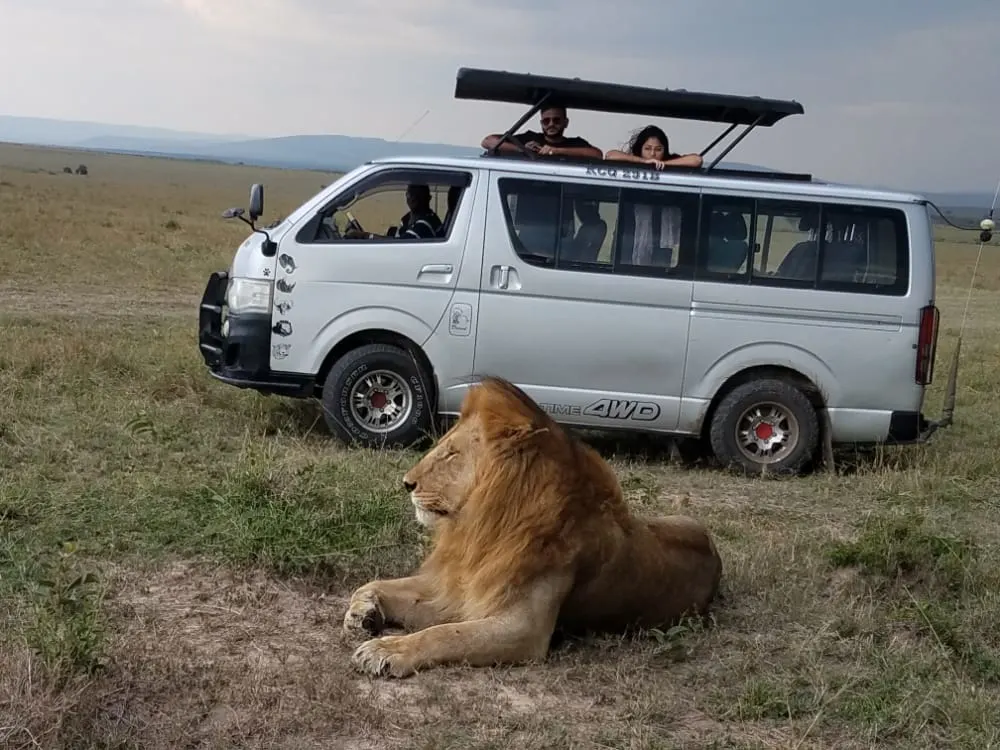
The primary benefit of a group joining safari for a solo traveller is cost-effectiveness. Sharing fixed costs provides access to a Kenyan safari at a much lower price point than a private tour. Group tours also offer a social dynamic for travellers who enjoy meeting new people.
Potential Risks of Group Safaris
The main trade-off of a group safari is reduced flexibility. The itinerary is fixed, and a traveller's personal interests must align with the group's agenda. There is also a risk of being paired with participants who have a different travel style, and the possibility of getting a middle seat in the vehicle remains a key consideration.
How Can Solo Travellers Find Unadvertised Safari Discounts?
UK travellers can find unadvertised solo safari deals by contacting Kenyan tour operators directly, as these offers rarely appear on large booking platforms. Operators may offer discounts to fill the last seats in a vehicle, especially during shoulder seasons like March to June and October to December.
To access these discounts, a solo traveller should explain they have flexible dates when contacting a Kenya-based operator. This direct communication can lead to a reduced rate, sometimes without a single supplement, as the operator works to fill a tour. This approach requires direct research but can lead to significant cost savings.
How to Budget for a Solo Kenya Safari from the UK
A complete budget for a solo trip to Kenya from the UK must account for several costs beyond the main safari package price. Total expenditure includes the following components:
- Core Safari Package: This is the largest cost, covering accommodation, meals, park fees, and ground transport as detailed in the price table.
- International Flights: Return flights from the UK to Nairobi (NBO) can vary based on airline and booking time. Budget for approximately £600 - £900.
- Kenyan Visa: British citizens require an Electronic Travel Authorisation (Kenya eTA). Check the official government portal for the current fee, which is around £30-£40.
- Travel Insurance: A comprehensive policy covering medical emergencies and trip cancellation is a requirement for responsible travel.
- Vaccinations and Medication: Consult a travel clinic for required vaccinations and malaria prophylactics and factor in these costs.
- Gratuities: Tipping your guide and lodge staff is customary. A common guideline is £10-£15 per person per day for a guide and a similar amount for camp staff.
- Personal Spending: This covers drinks, souvenirs, and optional activities not in your package, such as a hot air balloon ride in the Masai Mara (approx. £350-£450).
How to Choose Between a Private and Group Safari for a Solo Trip
The choice between a private and a group joining safari involves a trade-off between budget and control. A group safari is an accessible, cost-effective option for travellers who prioritise a lower price and enjoy a social setting. This type of tour requires flexibility and a willingness to accept the compromises of a shared itinerary.
A private safari is the better choice for travellers who value autonomy, have specific interests like photography, or want to set their own pace. The higher cost of a private tour directly funds a bespoke adventure tailored to individual preferences. This framework helps a solo traveller make an informed decision based on budget and travel style for a Kenya safari.