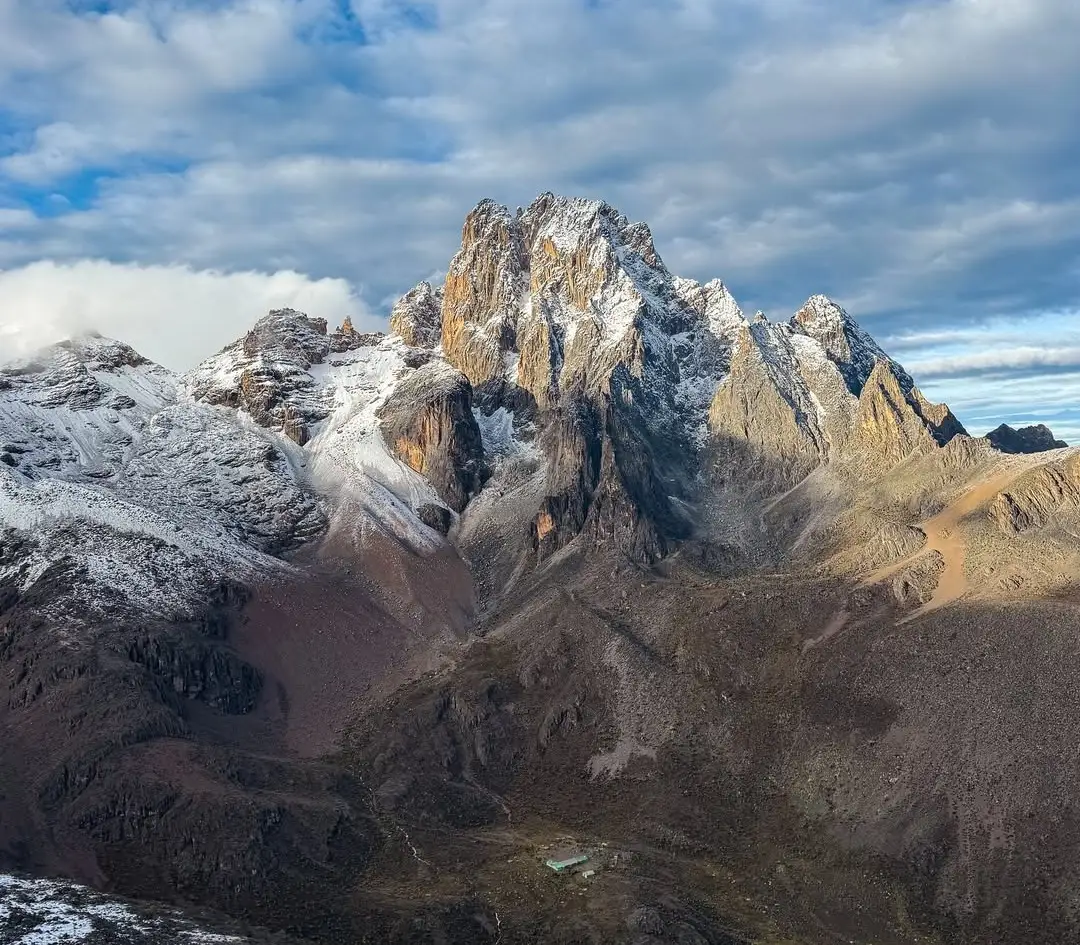
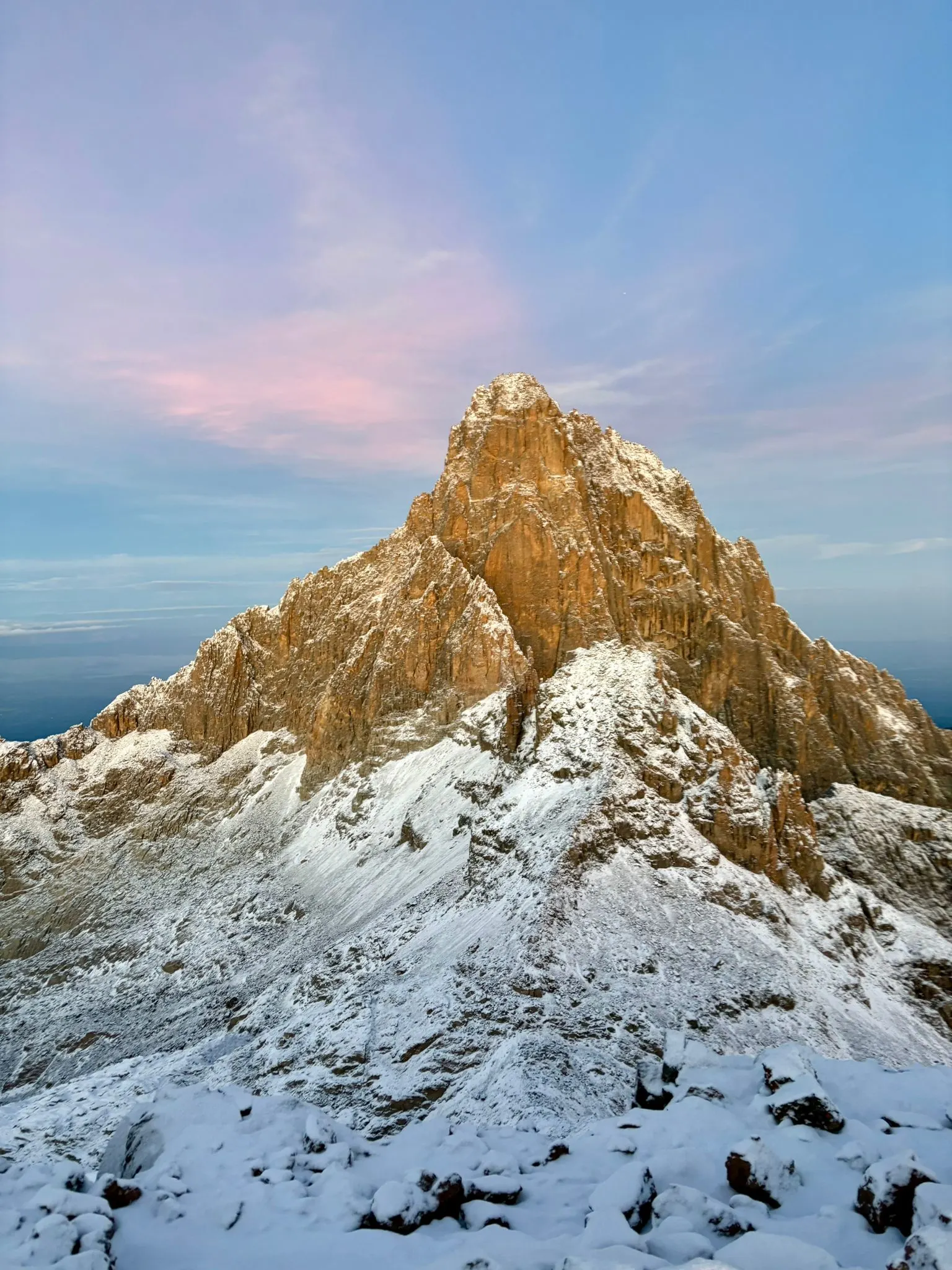
This three-day trek offers a high-altitude ascent of Mount Kenya, serving as a botanically rich alternative to traditional vehicle safaris. The tour uses the Sirimon route, a highly scenic path designed for gradual acclimatisation, making it an efficient option for Kenyan high-altitude treks. Full details to plan your Kenya safari are available from our team.
Route Overview and Logistical Pacing
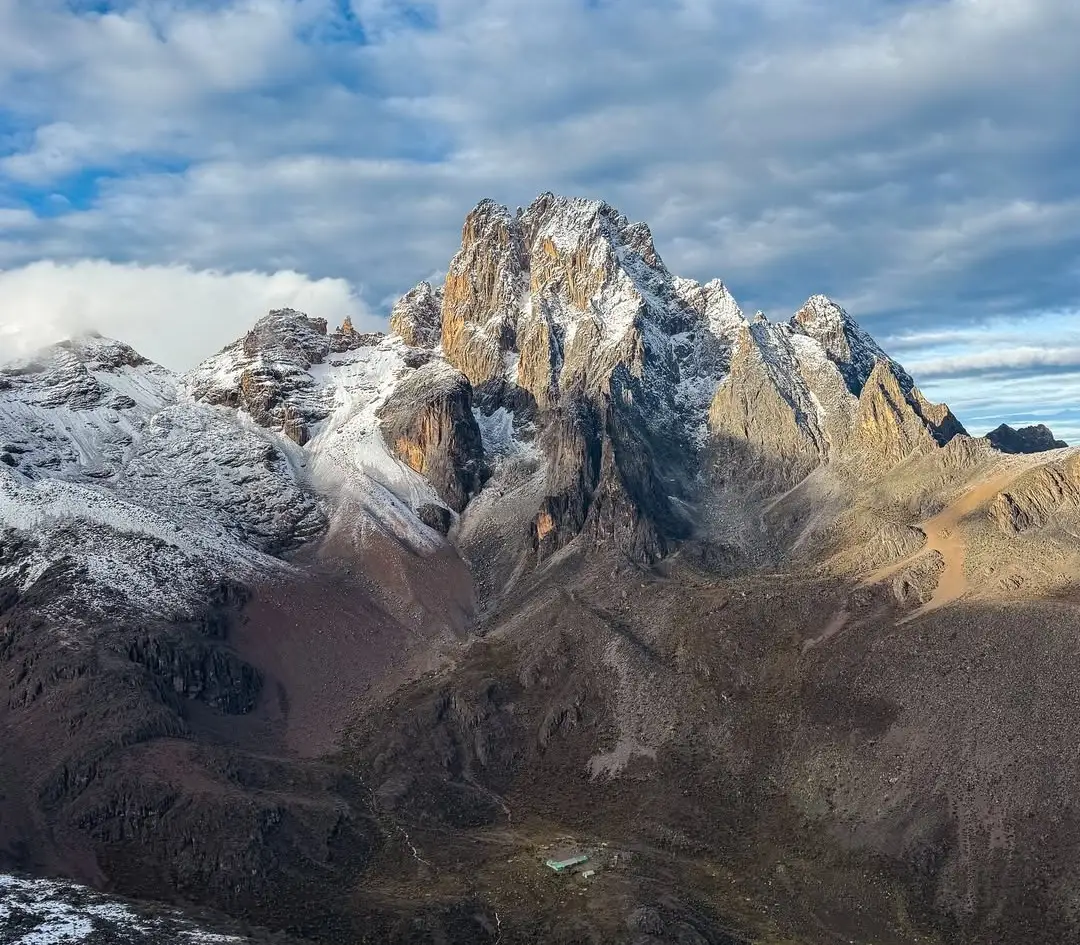
Acclimatisation is the central principle of this itinerary. We use the Sirimon route for its gentle gradient, helping climbers adjust to the increasing altitude and improving the chance of a successful trek. The path moves through distinct ecological zones, beginning in montane forest and opening into expansive moorlands. A four-hour transfer from Nairobi brings you to the Sirimon Park Gate for an afternoon start. Daily trekking distances are carefully planned to manage exertion, with overnight stops at Old Moses and Shipton's camps to support the pacing.
Wildlife and Environment
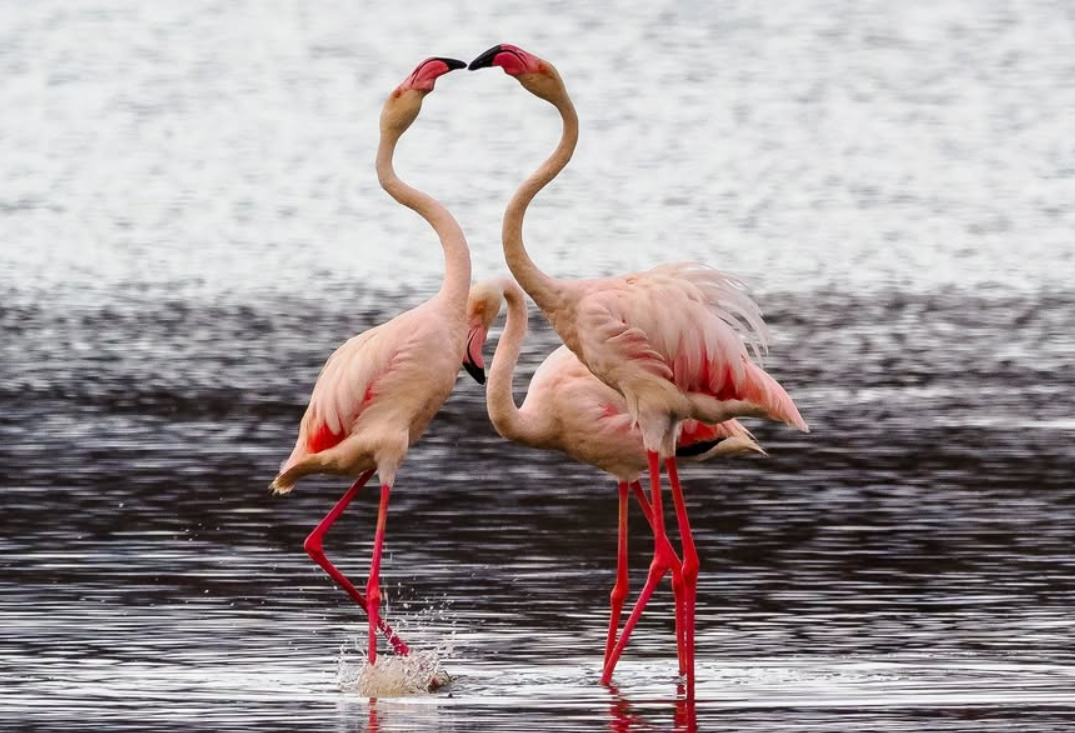
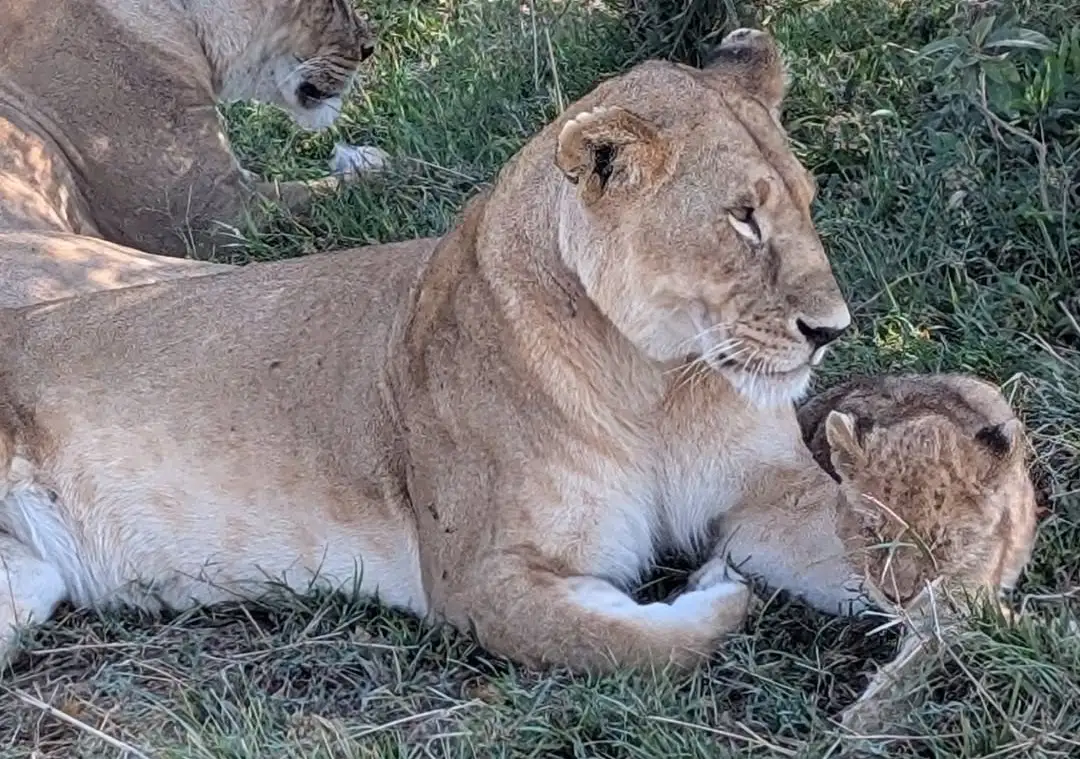
This trek is not a traditional wildlife safari, but the lower slopes of Mount Kenya support a unique montane ecosystem. The forest zone below 3,200m is home to troops of Black and White Colobus and Sykes' monkeys. Bushbuck are often seen, and while buffalo and forest elephant are elusive, their tracks are common. The heath and moorland higher up feature high-altitude fauna, including the Mount Kenya hyrax and birds such as the Malachite Sunbird. The focus is on appreciating a high-altitude wilderness, not high-density game viewing.
Accommodation and Vehicle Standards
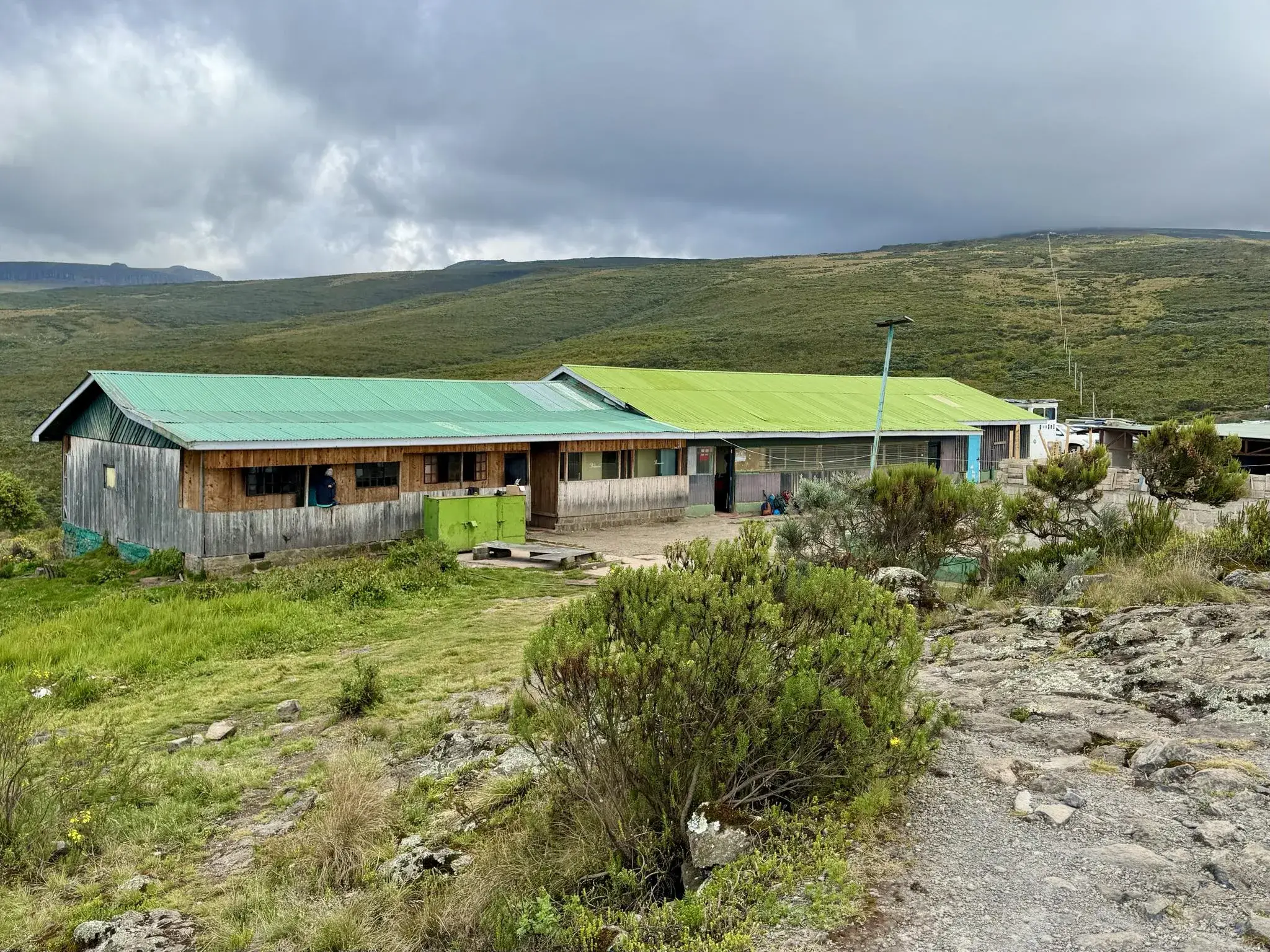
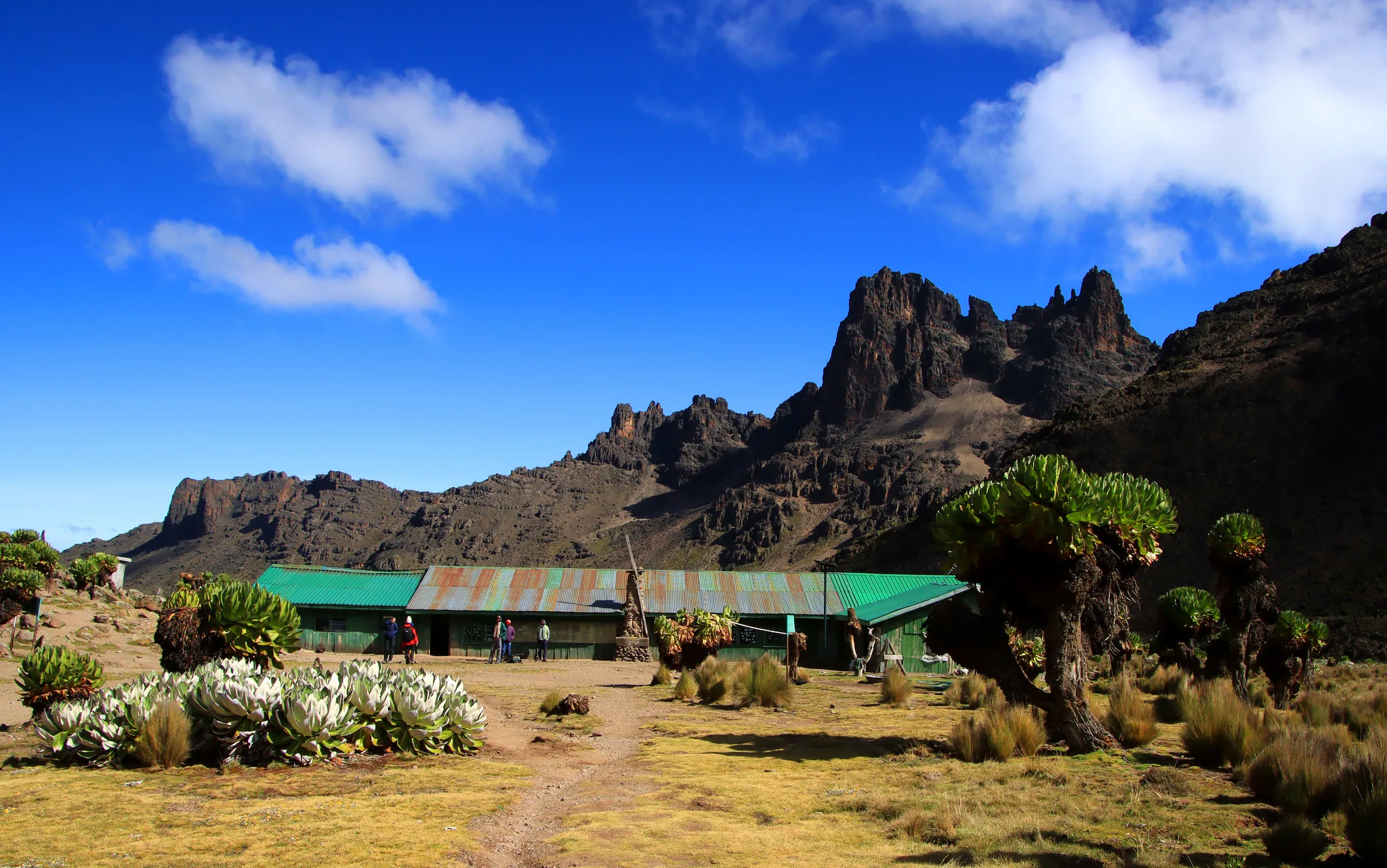
Accommodation on this tour is in functional mountain huts. These are basic, shared bunkhouses designed for warmth and shelter at altitude. They are not hotels or lodges; expect communal and rustic facilities where practicality is the priority. A dedicated cook prepares all meals on the mountain. Transport between Nairobi and the park gate is provided in a standard pop-up roof safari minivan. The vehicle is for logistical transfer only and is not used for game drives.
Traveller Information
UK citizens require an Electronic Travel Authorisation (eTA) for entry to Kenya, which must be obtained online before departure. Kenya uses the Type G plug socket, the same three-pin system as the UK, so travel adaptors are not needed. Luggage for the trek is limited to one soft-sided duffel bag or rucksack, with a maximum weight of 15kg for the porter to carry. You must also bring a small daypack for your water, rain gear, and other personal items for the daily walk.


.webp)
.webp)
.webp)
.webp)
.webp)
.webp)
.webp)
.webp)