The primary difference between a 4-day versus a 5-day Mount Kenya climb is the acclimatization schedule.
A 5-day trek provides a safer, more gradual ascent profile that significantly increases summit success rates and reduces the risk of serious altitude sickness.
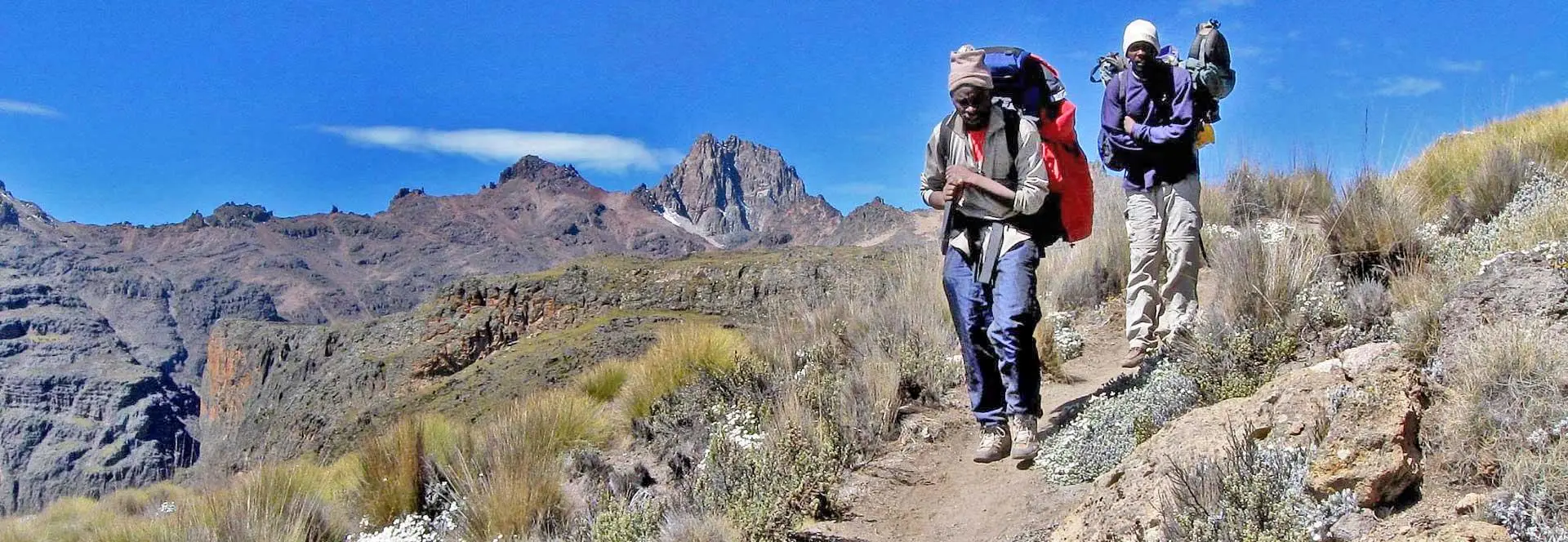
The extra day is specifically built in to allow the body to adapt to lower oxygen levels, directly addressing the physiological challenges of high-altitude trekking.
4 Day vs 5 Day Mount Kenya Climb: Acclimatization Benefits
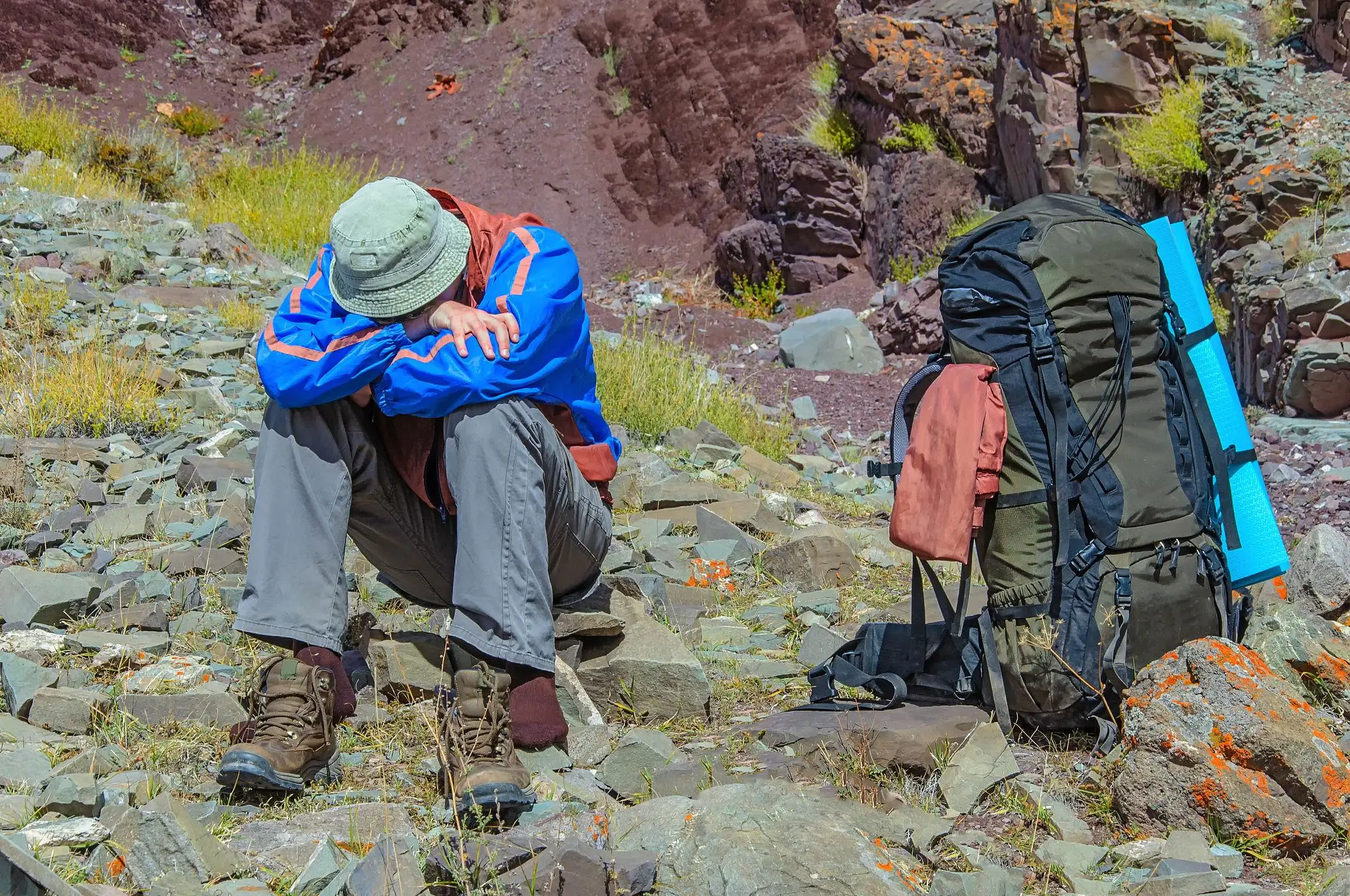
A 5-day Mount Kenya itinerary incorporates a critical extra day for acclimatization. This day is not simply for rest; it is a planned stop at an intermediate altitude, typically around 4,000 meters. This pause allows the body to produce more red blood cells, which carry oxygen. The slower ascent profile of a 5-day trek better aligns with the body's natural adaptation process.
A 4-day trek forces a more aggressive ascent, compressing the acclimatization period and placing greater physiological stress on the climber. This compression directly leads to a higher incidence of Acute Mountain Sickness (AMS) and lower summit success rates.
Vertical Gain Limits on Mount Kenya
High-altitude mountaineering operates on established principles for safe ascent. One of the most fundamental is managing daily vertical gain between sleeping altitudes.
The generally accepted guideline is to limit the increase in sleeping elevation to no more than 500 meters (approximately 1,640 feet) per day once above 3,000 meters.
A 5-day climb on a route like the Sirimon route adheres to this principle. Climbers sleep at Old Moses Camp (~3,300m) and then Shipton's Camp (~4,200m) over two nights, maintaining a manageable gain.
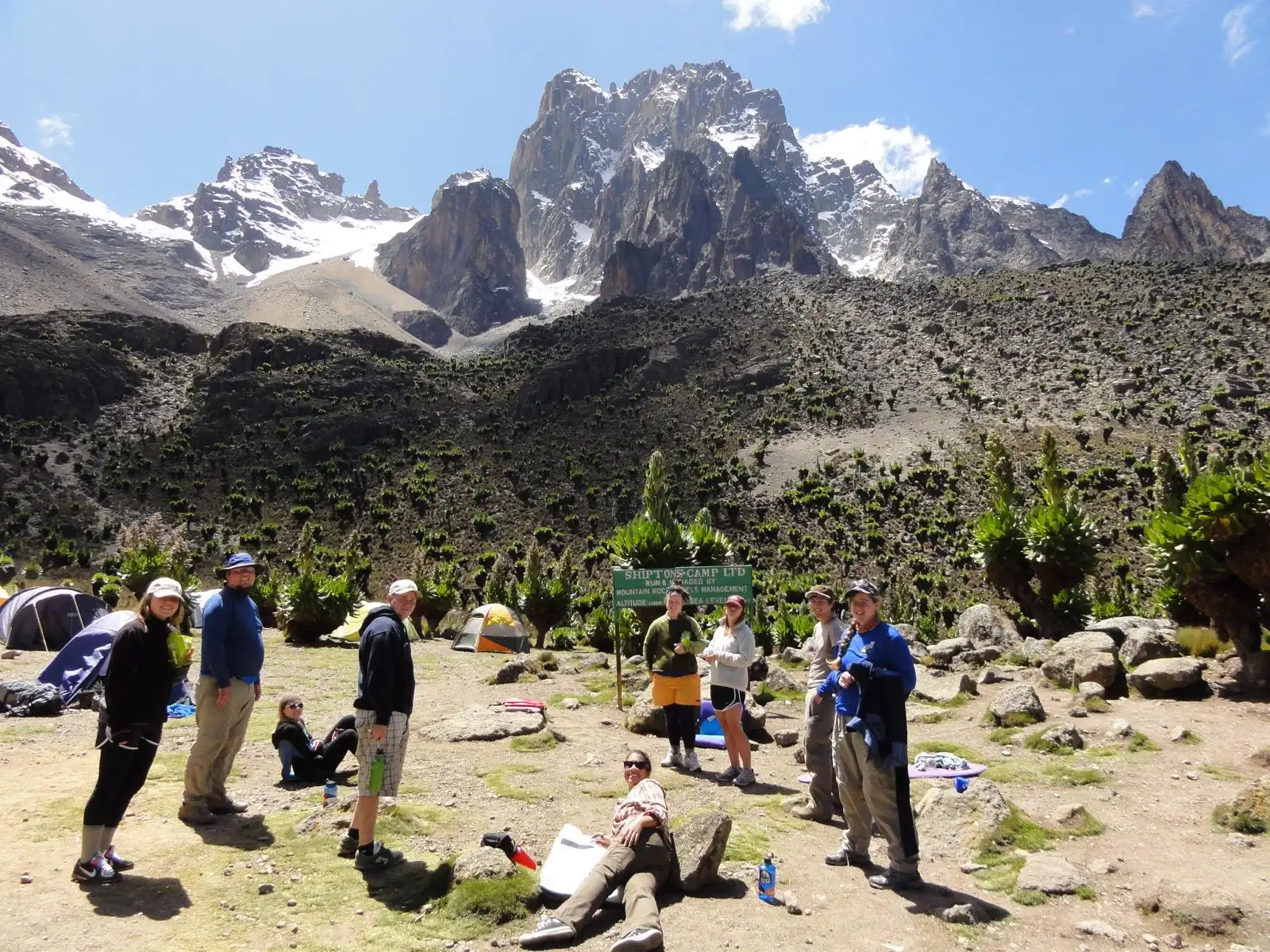
A 4-day climb forces a much larger single-day vertical gain to position for the summit, often exceeding 900 meters in one push. This rapid gain directly violates established safety protocols for high-altitude acclimatization.
Risk of 'Sleeping High' on Day 3 (4-Day Trek)
The most significant physiological risk of a 4-day Mount Kenya trek occurs on Day 3. On this schedule, climbers typically ascend from an elevation around 3,000 meters directly to a high camp at 4,200 meters or more.
This rapid ascent creates a scenario known as "sleeping high," where a climber must sleep at a new, significant altitude without a prior day of acclimatization at a similar elevation. The body has insufficient time to adjust to the thin air at over 4,200 meters.
This lack of adjustment dramatically increases the likelihood of developing moderate to severe AMS, with symptoms including debilitating headaches, nausea, and extreme fatigue.
This condition not only jeopardizes the summit attempt but can also progress to more dangerous forms of altitude sickness.
Recommended Acclimatization Rate (500m Rule)
The recommended acclimatization rate, often called the "500m Rule," is a guideline for preventing altitude sickness. This rule advises that once a trekker is above 3,000 meters, their sleeping altitude should not increase by more than 500 meters from the previous night's sleeping altitude.
A 5-day Mount Kenya itinerary is designed around this rule. For example, a climber might sleep at 3,300m on one night and 4,200m the next, but this is often preceded by a day hiking to a higher point and returning to the lower camp ("climb high, sleep low").
The compressed 4-day schedule makes adherence to the 500m Rule impossible. The jump in sleeping elevation is too great, forcing the body into a state of hypoxic stress.
Summit Success Rates: 4-Day vs. 5-Day Treks
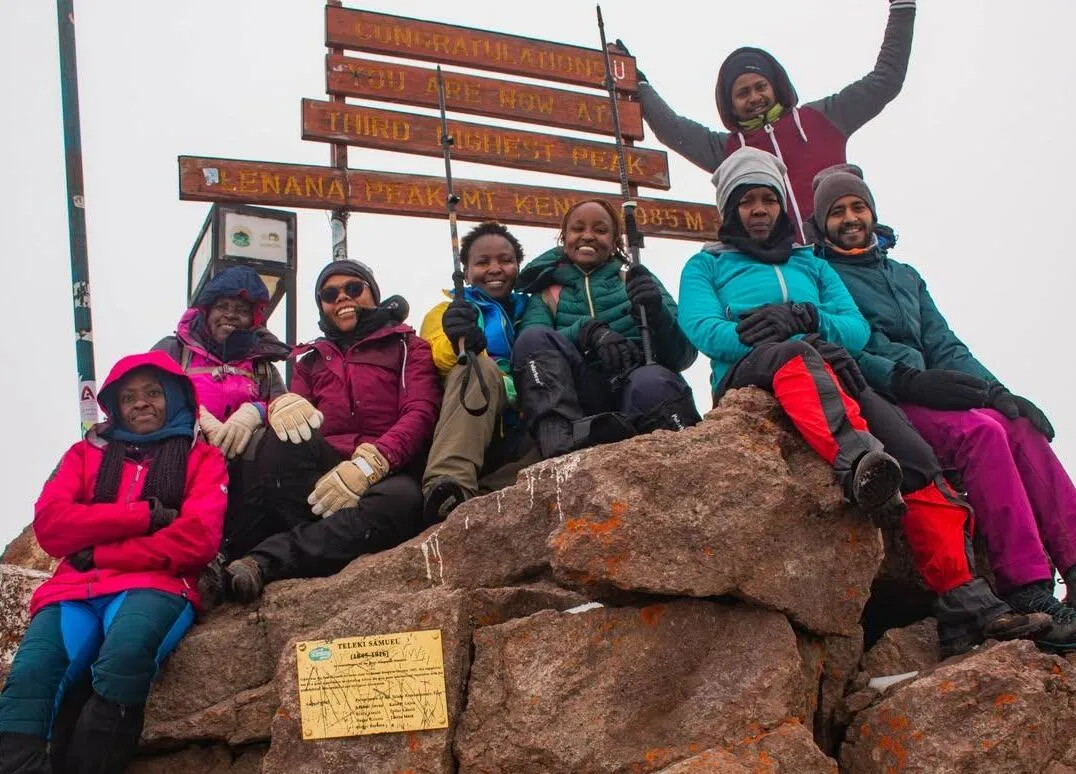
Summit success rates on Mount Kenya correlate directly with the duration of the climb due to acclimatization.
While official park statistics are not consistently published, data from experienced guide services provide a clear picture. A 5-day trek allows for better acclimatization, resulting in a significantly higher probability of reaching Point Lenana.
| Trek Duration | Estimated Summit Success Rate (Point Lenana) | Primary Reason |
|---|---|---|
| 4-Day Trek | ~60-70% | Insufficient acclimatization, high incidence of AMS. |
| 5-Day Trek | ~85-95% | Proper acclimatization schedule, reduced physiological stress. |
Altitude Sickness Prevention Strategies
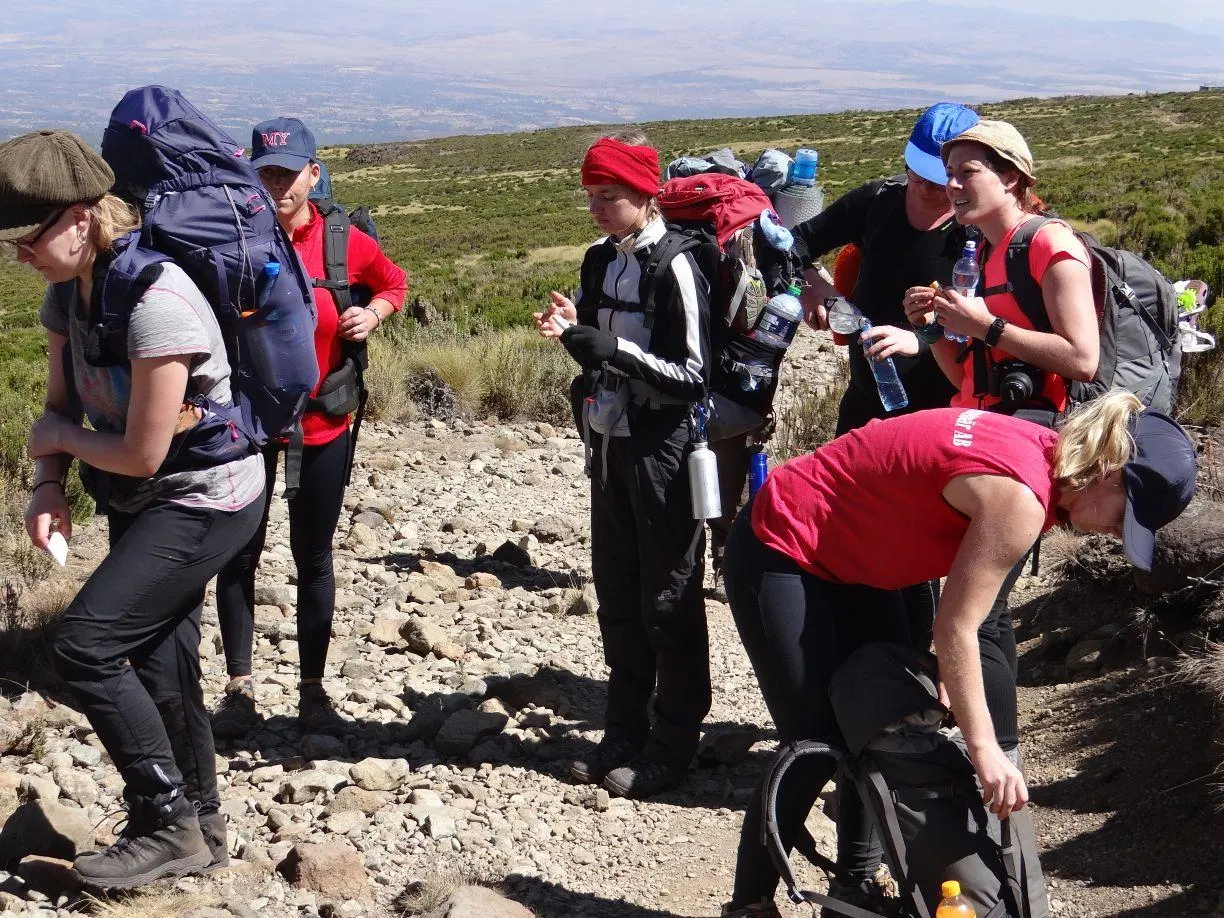
Beyond choosing a 5-day itinerary, several strategies help prevent altitude sickness on Mount Kenya. Proper hydration is fundamental; climbers should consume 3-4 liters of water daily.
A slow and steady pace ("pole pole," Swahili for "slowly, slowly") conserves energy and allows the body to adapt. Avoiding alcohol and sedative medications is also standard practice, as they can depress respiration and worsen symptoms.
Some climbers may consult a physician about prophylactic medication like acetazolamide (Diamox), but this should never replace a gradual ascent schedule.
Optimal Route for Gradual Ascent
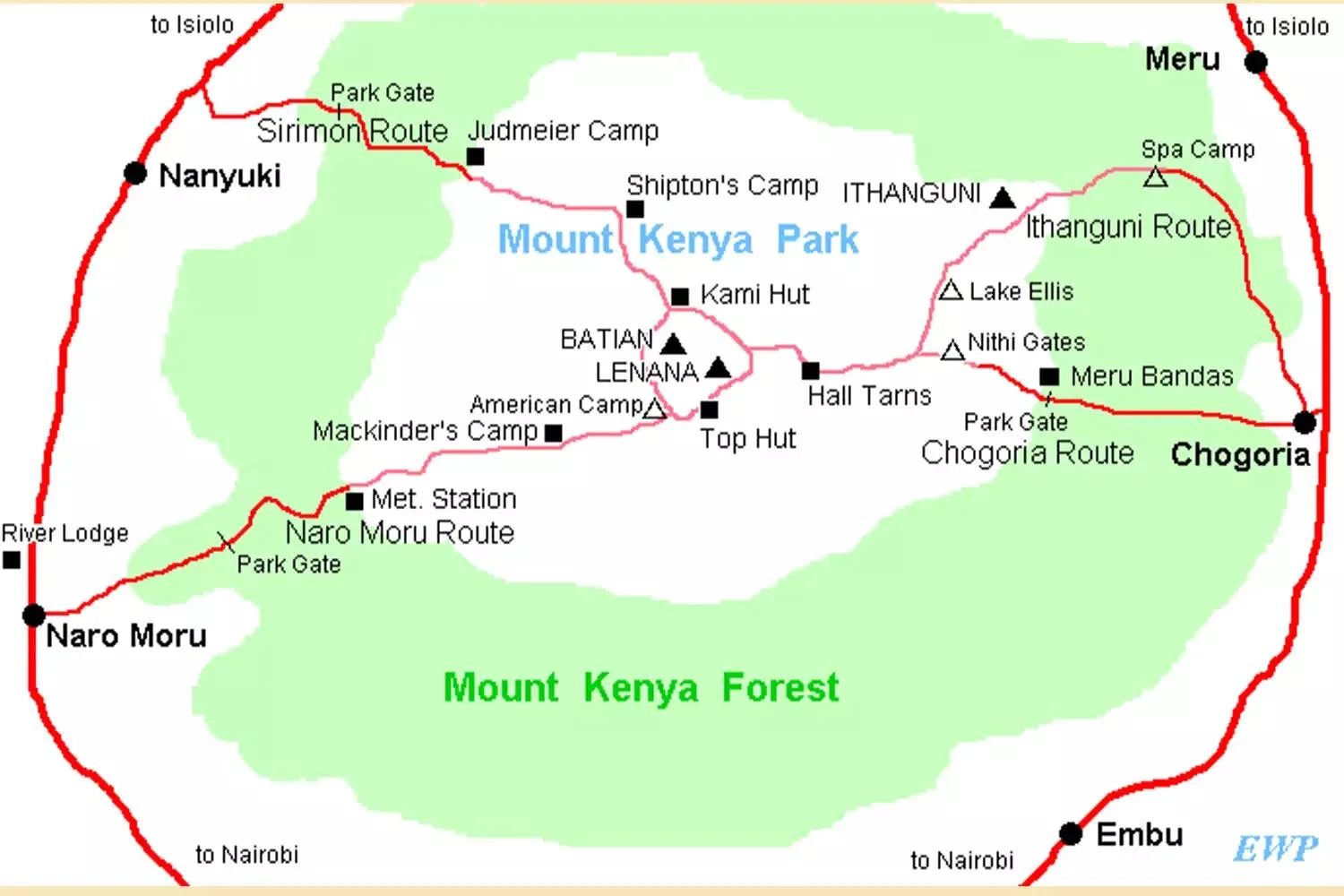
The choice of route significantly impacts the acclimatization profile of a Mount Kenya climb. Certain routes are inherently better suited for a gradual ascent, making them ideal for a 5-day trek and contributing to a safer and more successful experience.
Naro Moru Route Considerations
The Naro Moru route is known for its directness and is often used for the fastest ascents and descents. This speed is its primary disadvantage for acclimatization.
The vertical gain is rapid, and the route features a notoriously steep section known as the "Vertical Bog." While it can be done in 5 days, its profile is less forgiving than other routes. Many operators use Naro Moru for descent only, having ascended via a more gradual path.
Sirimon Route Advantages
The Sirimon route is widely considered the best for gradual acclimatization. It approaches the peaks from the northwest and features a steadier, more manageable gradient.
The staging of the camps (Old Moses at 3,300m and Shipton's at 4,200m) provides a logical progression that aligns well with a 5-day itinerary. The "climb high, sleep low" principle can be effectively applied by taking an acclimatization hike into the Mackinder Valley before spending the night at Shipton's Camp.
Burguret Route: Acclimatization Profile
The Burguret route is a more wild and less-trafficked option. Its acclimatization profile is excellent due to its longer, more meandering path through the forest and moorlands.
This route typically requires a minimum of 5 days, often 6, making it a strong choice for those prioritizing acclimatization above all else. Its challenging and sometimes overgrown terrain means it is suited for trekkers with previous experience.
Cost Differences: 4-Day vs. 5-Day
The cost of a 5-day Mount Kenya trek is higher than a 4-day trek due to the extra day on the mountain. The additional cost covers park fees, guide and porter wages, and food for one extra day.
While the upfront cost is lower for a 4-day trip, the value proposition is weaker given the lower success rate and higher health risks.
| Cost Component | Impact of Extra Day (5-Day vs. 4-Day) | Typical Estimated Increase |
|---|---|---|
| Park Conservation Fees | Charged on a per-day basis. | +$70 USD per non-resident adult |
| Guide & Porter Wages | An additional day of work. | +$50-80 USD total for the team |
| Food & Supplies | One extra day of provisions. | +$20-30 USD per person |
| Total Estimated Increase | Sum of components per person. | ~$140-180 USD |
Required Fitness Levels
Climbing Mount Kenya requires a good level of cardiovascular fitness, regardless of the trek duration. A climber should be capable of hiking for 6-8 hours per day with a light daypack (5-7 kg).
The terrain is varied and includes steep sections and long walking days. For a 5-day trek, endurance is more important than raw speed. Training should include long-distance walking or hiking, preferably with some elevation gain, for several weeks before the climb.
The summit day is the most physically demanding part of either itinerary, involving a very early start and a steep ascent at high altitude.
What Competitors Miss: Long-Term Health Benefits
Discussions often focus solely on summit success. They frequently overlook the significant long-term health benefits of choosing a slower, 5-day acclimatization schedule over a rushed 4-day ascent.
This decision is not just about reaching the top; it is about protecting your neurological and respiratory systems from the severe damage that can occur with poor acclimatization.
Long-Term Acclimatization Advantages
Proper acclimatization on a 5-day trek allows the body to make complex physiological adjustments. These adjustments include increased production of erythropoietin (EPO) to create more red blood cells, changes in blood pH, and increased production of enzymes that facilitate oxygen release to tissues.
Rushing this process on a 4-day climb can lead to cellular damage from hypoxia. A gradual ascent ensures these systems adapt smoothly, reducing the overall stress on the body and preventing the lingering fatigue and other potential after-effects of a severe AMS episode.
Reduced Risk of HAPE/HACE
The most serious advantage of a 5-day trek is the greatly reduced risk of life-threatening conditions. A rapid ascent dramatically increases the chances of developing High-Altitude Pulmonary Edema (HAPE) or High-Altitude Cerebral Edema (HACE).
- HAPE (High-Altitude Pulmonary Edema): A condition where fluid leaks into the lungs, causing severe respiratory distress. It is the leading cause of death from altitude sickness.
- HACE (High-Altitude Cerebral Edema): A dangerous condition where the brain swells with fluid, leading to confusion, ataxia (loss of coordination), and eventually coma or death.
Enjoying the Scenery: A Slower Pace
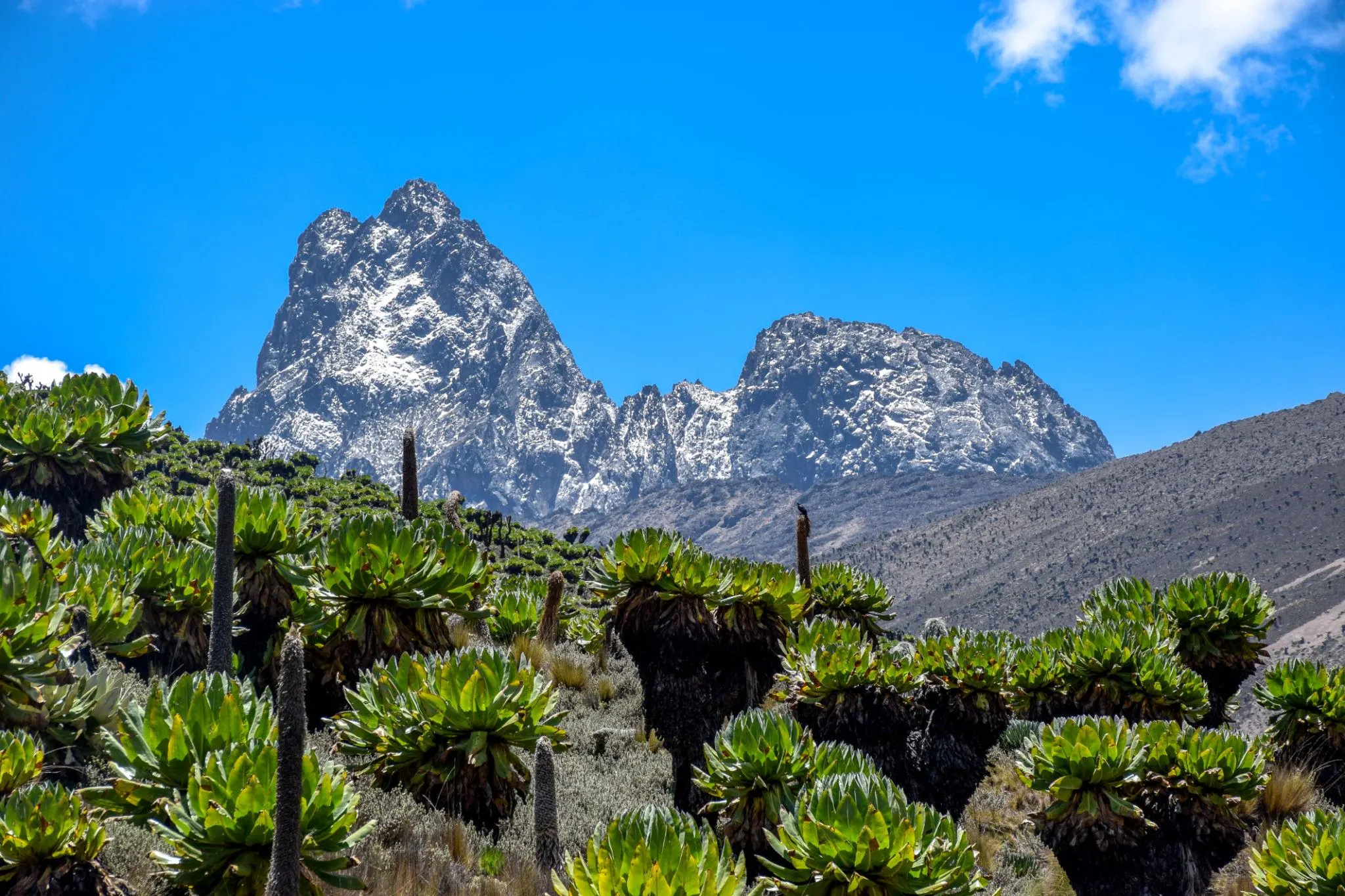
A 5-day trek offers a practical benefit beyond safety and success. The slower pace allows more time to appreciate the unique and changing environments of Mount Kenya.
The mountain hosts several distinct vegetation zones, from the lower montane forest to the bamboo zone, the high-altitude heath and moorland with its giant lobelias and groundsels, and finally the alpine desert.
A 4-day itinerary forces trekkers to move quickly through these zones with a singular focus on reaching the next camp. The extra day provides opportunities for shorter side-hikes, photography, and a more immersive experience of the mountain's UNESCO World Heritage site ecology.
Essential Gear for Safe Ascent
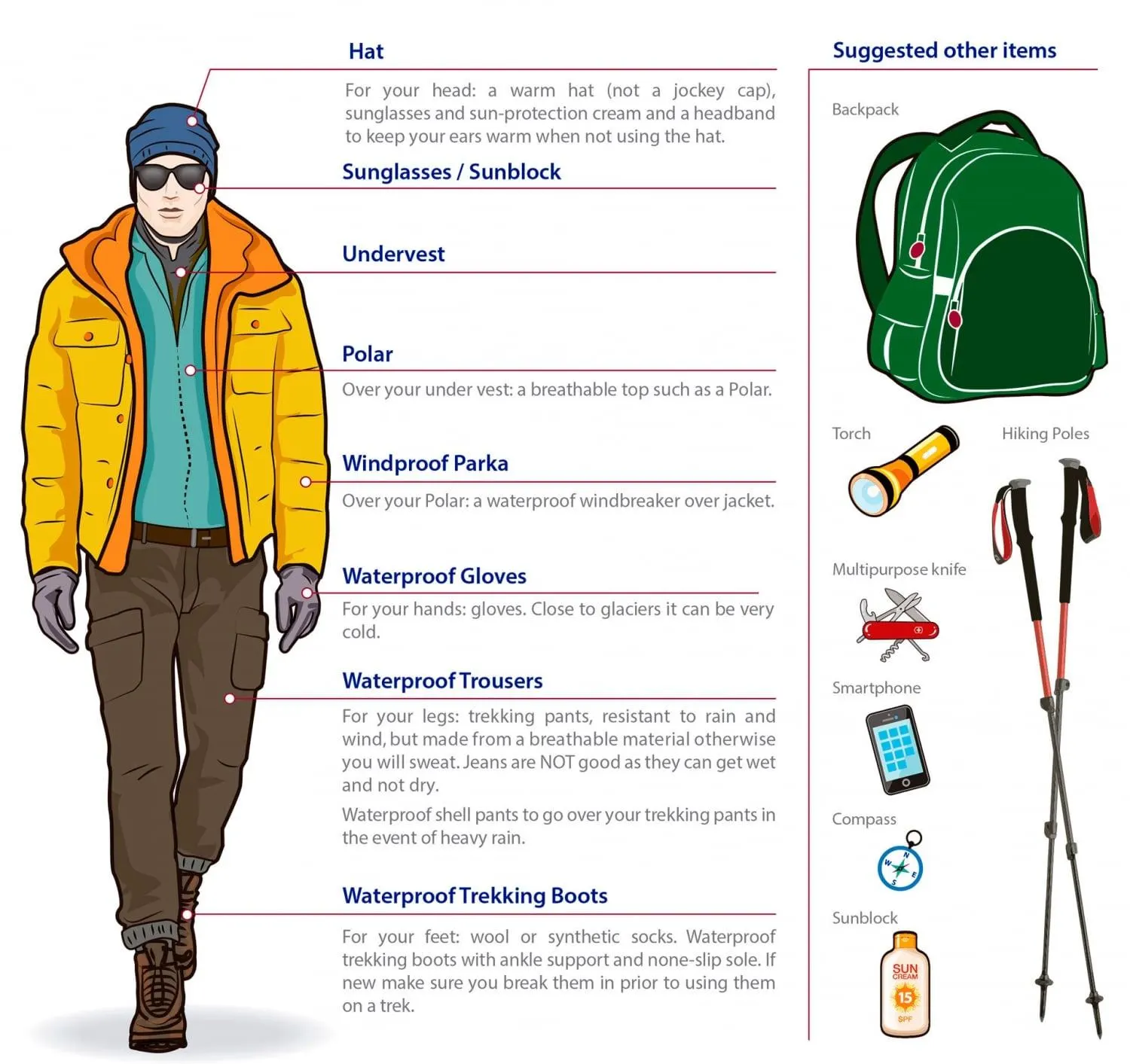
Proper gear is a requirement for a safe Mount Kenya climb, regardless of duration. The layering system is the most effective approach to manage changing temperatures.
- Base Layer: Moisture-wicking long underwear (synthetic or merino wool).
- Mid Layer: Insulating fleece or down jacket.
- Outer Layer: Waterproof and windproof jacket and pants.
- Footwear: Broken-in, waterproof hiking boots with sturdy ankle support.
- Headwear: Warm hat (beanie), sun hat, and balaclava or neck gaiter for summit night.
- Handwear: Lightweight gloves and a pair of warm, waterproof mittens.
- Other essentials: Headlamp with extra batteries, sunglasses, sunscreen, a 3-liter water bladder or bottles, and a personal first-aid kit.
Best Time to Visit Mount Kenya
The best time to climb Mount Kenya is during the two dry seasons. These periods offer the highest probability of clear skies and dry trails, making for a safer and more pleasant trek.
The primary dry seasons are from January to February and from June to September. The periods from March to May (the "long rains") and October to December (the "short rains") are characterized by cloudy conditions, frequent precipitation, and potential snow and ice at higher elevations.