The best location to see flamingos in Kenya is Lake Bogoria, not Lake Nakuru. Environmental shifts mean Lake Nakuru's flamingo population is no longer reliable for viewing.

UK travellers planning a Kenya safari will find the most dependable flamingo sightings at Lake Bogoria, particularly during the dry seasons from June to October and January to February. This ecological change in Kenya's Rift Valley requires an adjustment to safari planning.
Current flamingo population status at Lake Nakuru
The flamingo population at Lake Nakuru is sparse and inconsistent. The dense concentration of flamingos that previously defined the park is now a rare sight. Small flocks or individual birds may still be present, but safari plans should not expect the large congregations shown in older media.
Lake Nakuru National Park remains a first-rate destination for other wildlife, but its status as Kenya's main flamingo location has diminished. Travellers viewing the shoreline are more likely to see other water birds and resident mammals than significant flamingo flocks.
Why have Lake Nakuru's water levels impacted flamingos?
The flamingo migration from Lake Nakuru is a direct result of a dramatic rise in the lake's water levels. This environmental change, which affects several Rift Valley lakes, has altered the birds' food supply. Flamingos feed on a specific blue-green algae, Spirulina, which grows in highly alkaline and saline water.
Increased freshwater rainfall has diluted Lake Nakuru's alkalinity. The dilution creates an environment where Spirulina algae cannot grow. As the primary food source disappeared, the large flamingo populations migrated to other Rift Valley lakes where conditions remain favourable, such as Lake Bogoria.
Why is older travel information about Lake Nakuru flamingos unreliable?
Outdated travel information presents a challenge for UK travellers planning a safari. These ecological shifts have occurred recently and rapidly, so many established guidebooks and online resources may not yet show the new conditions at Lake Nakuru. Relying on such information can lead to disappointment if expectations for large flamingo flocks are not met.
Wildlife habitats in the Great Rift Valley are dynamic and can change based on environmental factors. The ecological shift at Lake Nakuru is a clear example of this process. Planners should seek current guidance from on-the-ground safari specialists who can provide an accurate report of current wildlife viewing opportunities.
Where are the best alternative locations for flamingos in Kenya?
The main destination for observing large flamingo concentrations in Kenya is now Lake Bogoria. This saline, alkaline lake is situated in the Lake Bogoria National Reserve, a short drive north of Lake Nakuru. The lake has become the primary feeding ground for both lesser and greater flamingos because its ecosystem provides the ideal conditions for algae.
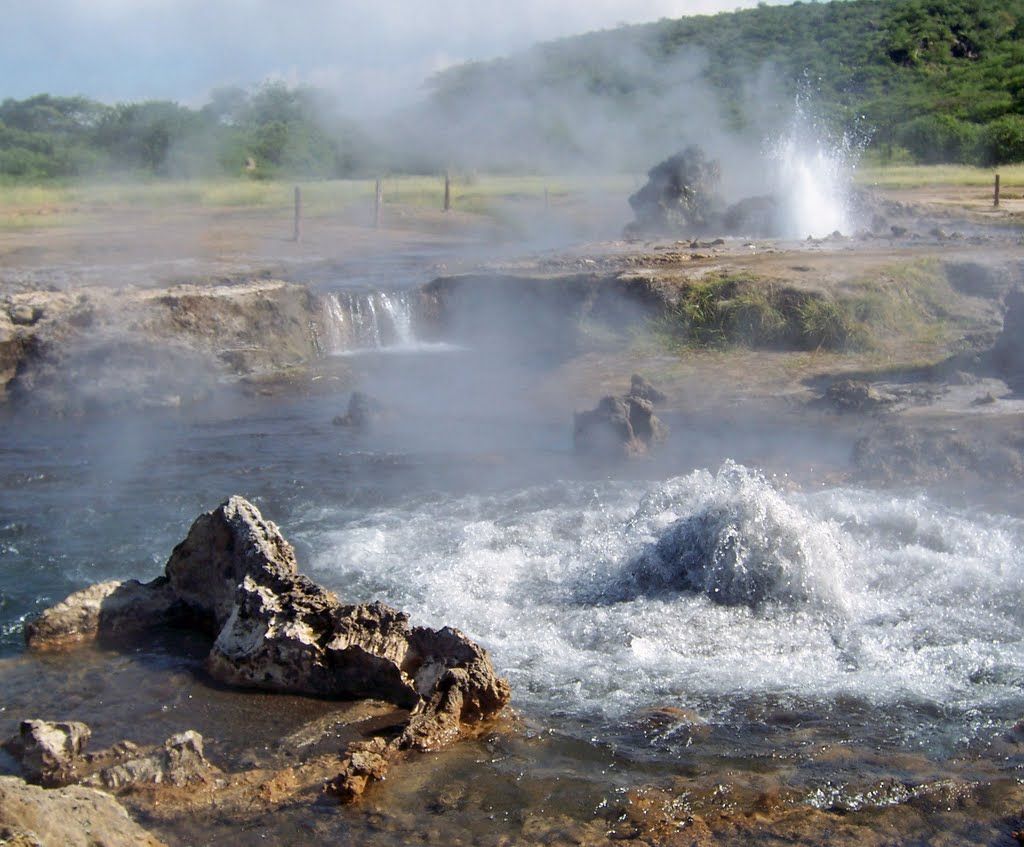
Lake Bogoria's water chemistry is supported by intense geothermal activity, including hot springs and geysers along its shoreline. This activity helps maintain the high levels of salinity and alkalinity required for a healthy algae population. The stable food source makes Lake Bogoria a reliable location for the birds that have migrated from other Rift Valley lakes.
When is the best time to see flamingos at Lake Bogoria?
The best time to see flamingos at Lake Bogoria is during Kenya's two dry seasons. The long dry season runs from June to October, and the short dry season runs from January to February. During these periods, lower water levels concentrate the birds along the shoreline, making observation and photography easier.
Flamingos are present at Lake Bogoria year-round. Their numbers and density peak during these drier months. A visit planned for early morning or late afternoon offers better light for photography and more active bird behaviour, as the midday heat can be intense.
How can UK travellers add Lake Bogoria to a Kenya safari itinerary?
Incorporating Lake Bogoria into a Kenya safari itinerary is a simple logistical step. The reserve’s proximity to Lake Nakuru allows for several practical options for UK travellers.
Day Trip from Lake Nakuru
Lake Bogoria National Reserve is approximately a 1- to 2-hour drive from the main gate of Lake Nakuru National Park. This proximity makes a day trip achievable for travellers staying in the Nakuru area. A typical plan involves a morning game drive for rhinos in Nakuru, followed by an afternoon visit to see the flamingos at Bogoria.
Overnight Stay near Lake Baringo
For a more in-depth experience, an overnight stay at a lodge near Lake Baringo provides a base close to Lake Bogoria. This option allows for a more relaxed visit without a long return drive. When discussing an itinerary with a tour operator, specify the priority to see flamingos, and they can schedule a visit to Lake Bogoria from Nairobi or as part of a wider Rift Valley tour.
[Contact us to plan your Kenya safari]What other wildlife can you expect at Lake Nakuru versus Lake Bogoria?
The choice to visit one or both lakes depends on a traveller's wider wildlife interests. Each park offers a distinct safari experience beyond the flamingo population.
Wildlife at Lake Nakuru National Park
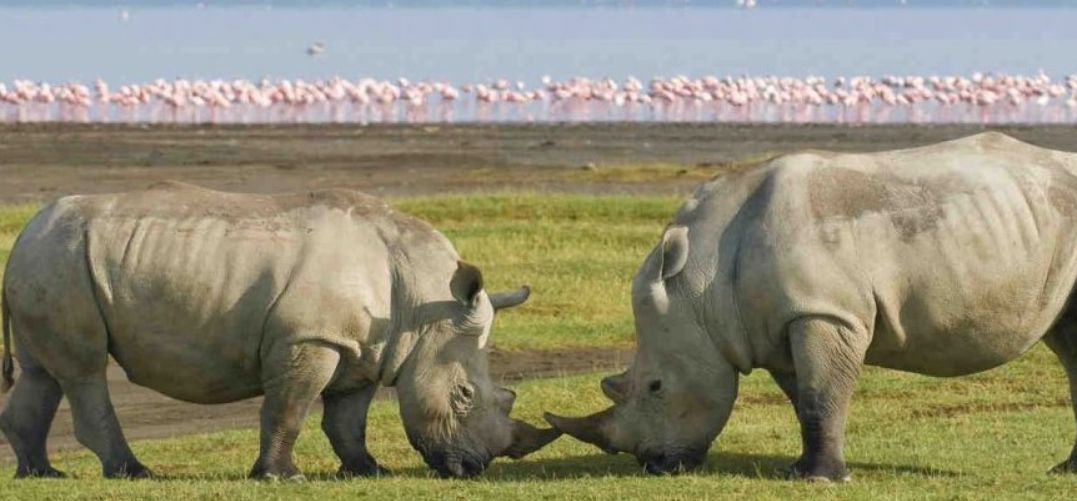
Lake Nakuru is a designated rhino sanctuary and offers excellent opportunities to see both black and white rhinos. The park also supports healthy populations of Rothschild's giraffe, leopard, lion, and buffalo. The safari experience at Nakuru is a traditional game drive focused on big mammals.
Wildlife at Lake Bogoria National Reserve
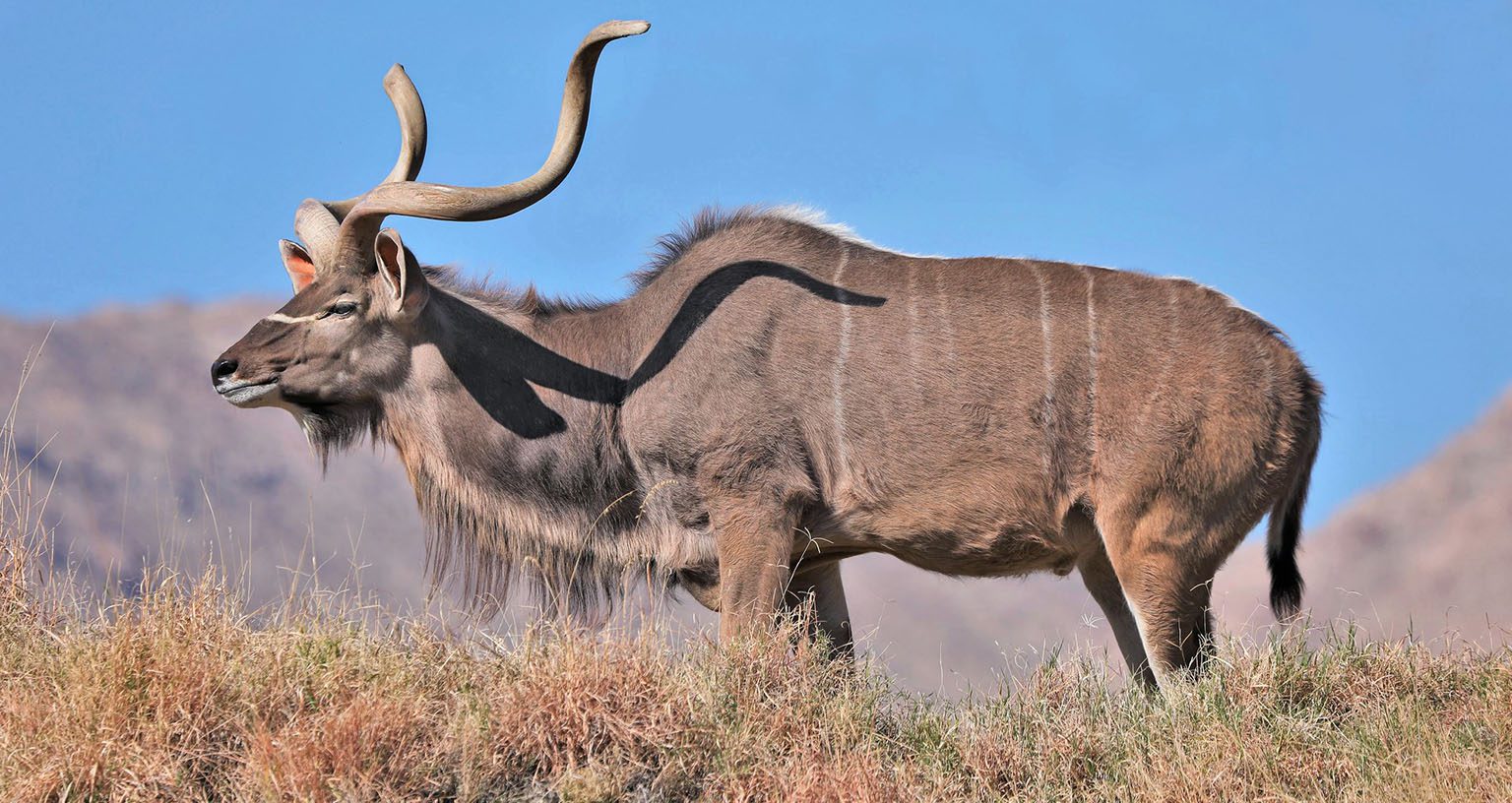
Lake Bogoria's main attractions are the flamingos and its geothermal features. Beyond birdlife, the reserve is home to the Greater Kudu, a shy antelope not commonly seen elsewhere in Kenya. Visitors may also see hyena, impala, and klipspringer. The Bogoria experience combines ornithology with unique geological sights.
Comparing Lake Nakuru and Lake Bogoria for a Safari
| Feature | Lake Nakuru National Park | Lake Bogoria National Reserve |
|---|---|---|
| Primary Attraction | Black and white rhinos | Flamingos and geothermal activity |
| Flamingo Status | Unreliable; small, inconsistent flocks | Reliable; large, dense concentrations |
| Key Mammals | Rhino, leopard, lion, Rothschild's giraffe | Greater Kudu, hyena, impala |
| Best Time to Visit | June-Oct & Jan-Feb (Dry seasons) | June-Oct & Jan-Feb (Dry seasons) |