Lake Nakuru National Park functions as a fenced, high-density wildlife sanctuary on the floor of the Great Rift Valley. This reserve sits 160 kilometres northwest of Nairobi and serves as Kenya's primary stronghold for rhinoceros conservation.
The park was historically defined by its alkaline lake and flamingo populations, but its current ecological identity centres on its status as a protected haven for endangered terrestrial mammals.
The Kenya Wildlife Service (KWS) manages Lake Nakuru as a "Premium" category destination. The park covers a compact 188 square kilometres, allowing for comprehensive game viewing in a shorter timeframe compared to vast reserves like Tsavo.
Visitors typically combine Nakuru with the Masai Mara to ensure sightings of rhinos and leopards, species that are often more elusive in open ecosystems.
Overview
Name
Lake Nakuru National Park
Type
National Park
Town
Nakuru
County
Nakuru
Country
Kenya
Black and White Rhino Sanctuary Status
Lake Nakuru offers the highest probability of sighting both black and white rhinoceros in East Africa. The electric perimeter fence contains a population exceeding 100 individuals.
This density ensures sightings on almost every game drive. The enclosure prevents the animals from dispersing into surrounding settlements, allowing for intensive monitoring and protection.
Guides distinguish the species by behaviour and habitat. Southern White Rhinos are grazers found in open groups on the grassy lake shores.
The critically endangered Eastern Black Rhino is a browser and prefers the solitude of the dense acacia thickets. This sanctuary status allows visitors to observe the full lifecycle of these giants, from calves to dominant bulls, within a single morning.
Rising water levels in the Rift Valley have altered the visual and biological environment of Lake Nakuru since 2013.
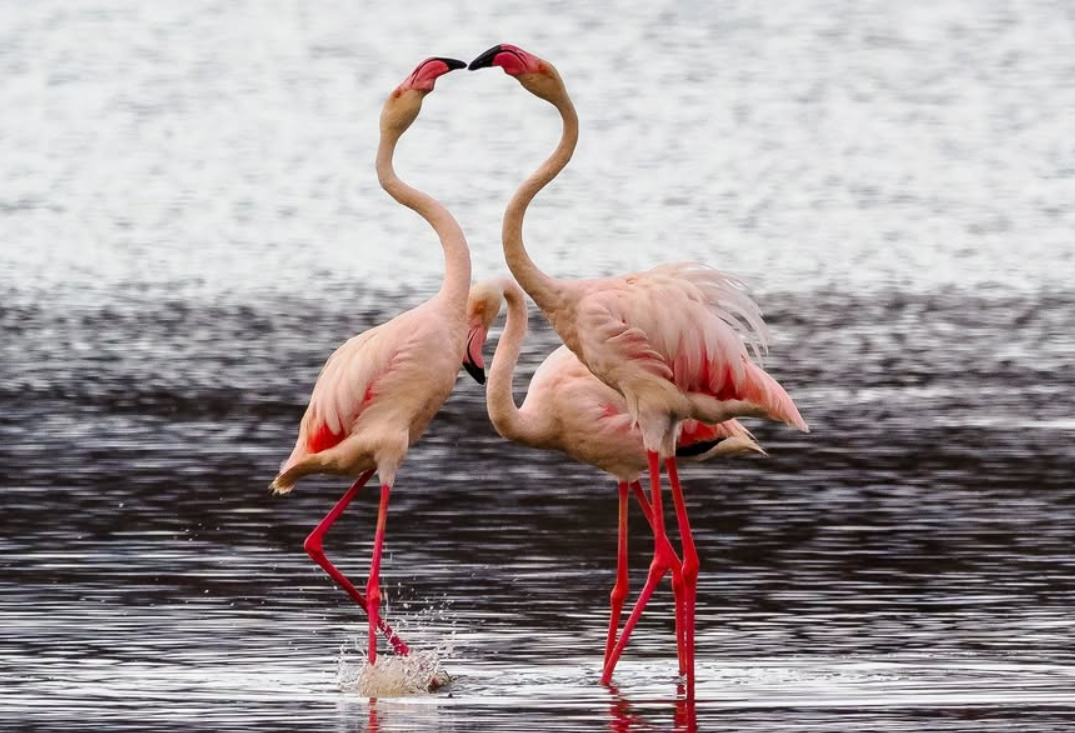
The lake surface expanded and diluted the natural alkalinity required for the growth of Spirulina (Cyanobacteria). This algae is the primary food source for Lesser Flamingos.
The flocks numbering in the millions have dispersed to the more alkaline Lake Bogoria to the north. Visitors in 2026 will see thousands of flamingos rather than millions.
The rising water also created the "drowned forest," a belt of submerged acacia trees that provides roosting sites for cormorants and a unique foreground for photography.
Elephant Absence and Euphorbia Forest Protection
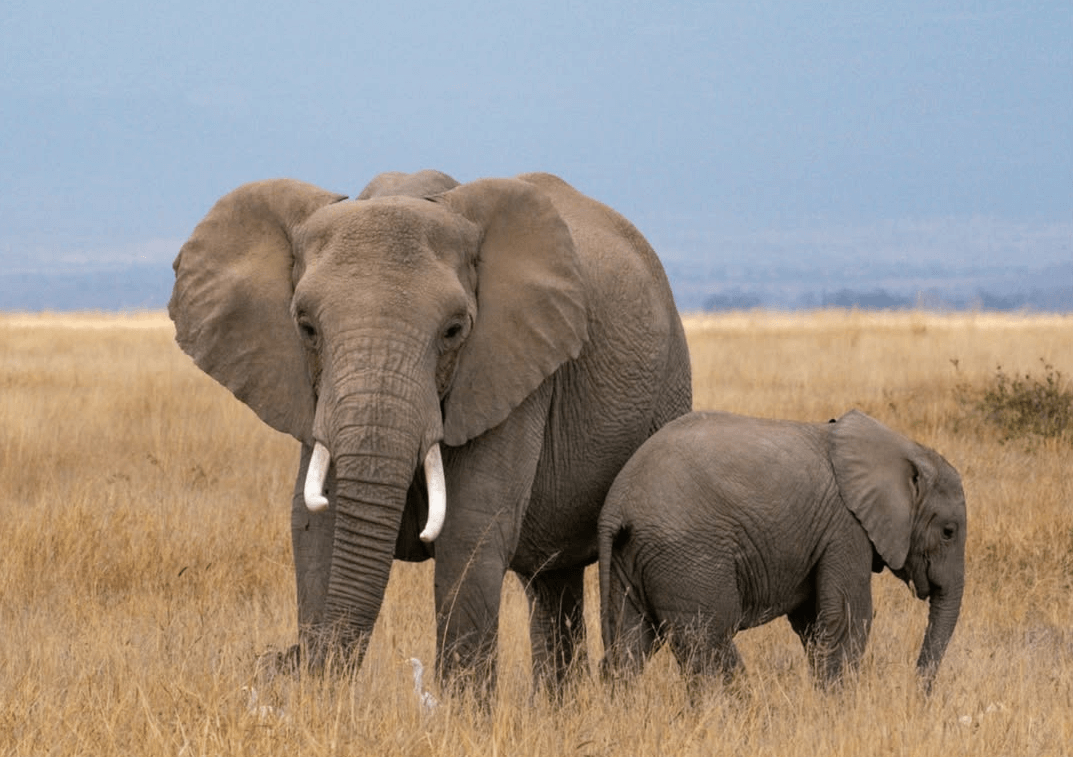
Lake Nakuru is the only major Kenyan park with zero free-ranging elephants. The Kenya Wildlife Service (KWS) made this deliberate management decision due to the park's size. Elephants are destructive feeders that push over trees to access roots and leaves.
An introduced elephant population would decimate the unique Euphorbia candelabrum forest, the largest of its kind in Africa.
These tall, succulent trees define the eastern ridges of the park and provide necessary cover for leopards and black rhinos. Excluding elephants preserves this fragile botanical habitat and ensures the park retains its specific ecological niche.
Tree Climbing Lions and Leopard Sightings
Lions in Lake Nakuru frequently climb trees, a behaviour rarely seen elsewhere in Kenya.
Lake Manyara in Tanzania is famous for this trait, but Nakuru prides have adapted to the wet conditions of the lake shore by resting in acacia branches. This elevation allows them to escape biting tsetse flies and the damp ground found near the water's edge.
The reserve is also a prime location for spotting leopards. The extensive yellow-barked acacia woodlands provide the ideal camouflage and vertical territory these solitary cats require.
The woodland structure in Nakuru often forces leopards onto exposed branches, making them visible to patient observers, particularly during the early morning hours.
Rothschild Giraffe Sanctuary and Identification
Lake Nakuru serves as a gene bank for the Rothschild’s giraffe, a subspecies distinct from the Reticulated and Masai giraffes found in other Kenyan parks.
The population was near extinction in the 1970s, prompting KWS to choose Nakuru as a fenced breeding nucleus. The park now hosts one of the highest densities of these animals in East Africa.
Observers can identify a Rothschild’s giraffe by its unique coat pattern.
The animal lacks markings below the knee, giving the appearance of wearing white stockings. Its spots are paler and more rectangular than the jagged, leaf-shaped patterns of the Masai giraffe. These browsers feed on the acacia trees along the main circuits near the Baboon Cliff and Lion Hill ridges.
Baboon Cliff Viewpoint and Makalia Falls
Lake Nakuru is one of the few national parks in Kenya that allows visitors to exit their vehicles at designated scenic points. Baboon Cliff on the western escarpment offers a high-elevation viewpoint overlooking the entire lake basin.
The pink hue of the flamingo flocks and the white specks of pelicans are clearly visible against the water from this vantage point.
Makalia Falls at the southern end of the park provides a second designated area for walking. A short hike leads to the base of the waterfall, which flows into the Makalia River.
This site serves as a picnic area, though visitors must remain vigilant as baboons in these areas are habituated and will approach humans carrying food.
Staying Inside Versus Outside the Park
The decision to stay inside the park perimeter versus a hotel in Nakuru Town significantly impacts the safari experience. Lodges situated inside the electric fence allow guests to begin game drives immediately upon leaving the reception. This proximity helps photographers capture the sunrise over the lake without navigating the busy A104 highway and park gate queues first.
Three primary accommodations operate inside the reserve. Sarova Lion Hill Game Lodge sits on the eastern elevation and provides views of the lake and immediate access to the flamingo-rich shores.
The Cliff offers a high-end luxury tented experience perched on the sheer rock face of the park's perimeter. Lake Nakuru Sopa Lodge is located on the western ridges and offers a secluded position favoured for its sunset vistas.
Road Access and KWS Entry Fees
Lake Nakuru is one of the most accessible parks in Kenya. The 160-kilometre journey from Nairobi follows a paved tarmac highway the entire distance to the Lanet Gate.
This connectivity makes the park a viable destination regardless of heavy rains elsewhere in the country. The Kenya Wildlife Service (KWS) maintains a network of murram (gravel) roads inside the park that are generally navigable by 2WD vehicles, though a 4x4 provides better clearance for rutted sections.
Visitors must use the KWS "Smart Card" system for entry. Lake Nakuru is classified as a "Premium Park," attracting higher entry fees than wilderness parks like Tsavo East. Payment is strictly cashless.
Visitors must pay via the eCitizen government platform or credit card at the gate. Fees grant access for a 24-hour period from the time of entry.
Dry Season Wildlife Viewing and Weather
The park remains accessible year-round due to its geology. The Masai Mara has black cotton soil that becomes impassable during rain, but Nakuru's gravel roads drain relatively quickly.
This soil structure allows vehicles to navigate the circuits even during the wet seasons of April-May and November.
The dry months from July to October and January to March offer superior predator viewing. The grass is shorter during these periods, making smaller predators like serval cats and bat-eared foxes easier to spot.
The dry season also forces the black rhinos to move more frequently between the thickets and the water sources, increasing the likelihood of seeing them in the open.
For optimal safari conditions at Lake Nakuru National Park, the dry seasons from January to February and especially June to October offer the most favourable weather. During these periods, expect minimal rainfall, abundant sunshine for photography, lower humidity, and sparse vegetation that enhances wildlife viewing.