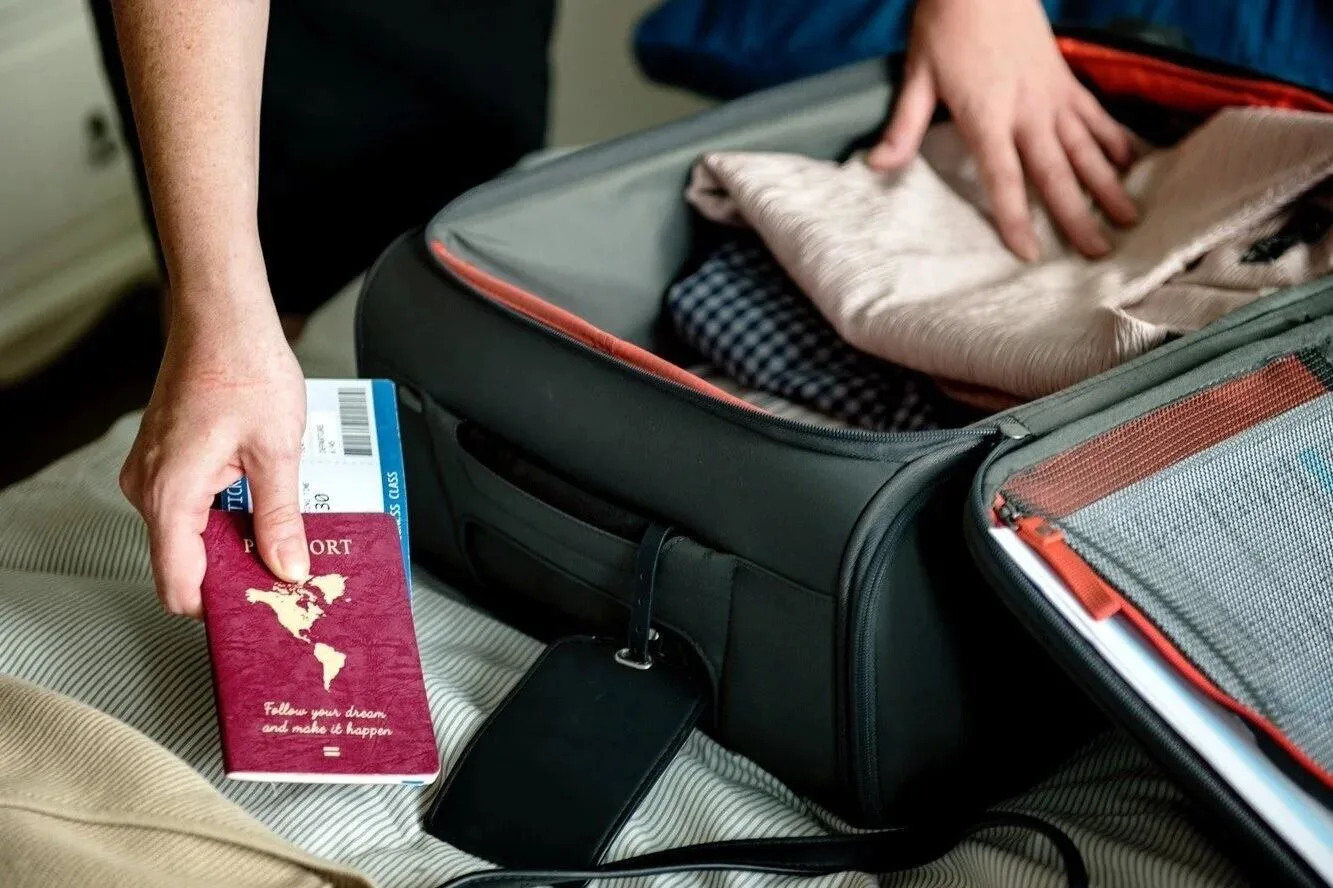
UK travellers require specific vaccines for Kenya travel and anti-malarial medication to book Kenya safari Packages. A Yellow Fever certificate is only required if you transit for over 12 hours in a country with a transmission risk. Anti-malarial tablets are strongly recommended for key safari areas like the Masai Mara. These medical preparations are available from your UK GP or a private travel clinic.
What Vaccinations Do You Need for Kenya Travel?
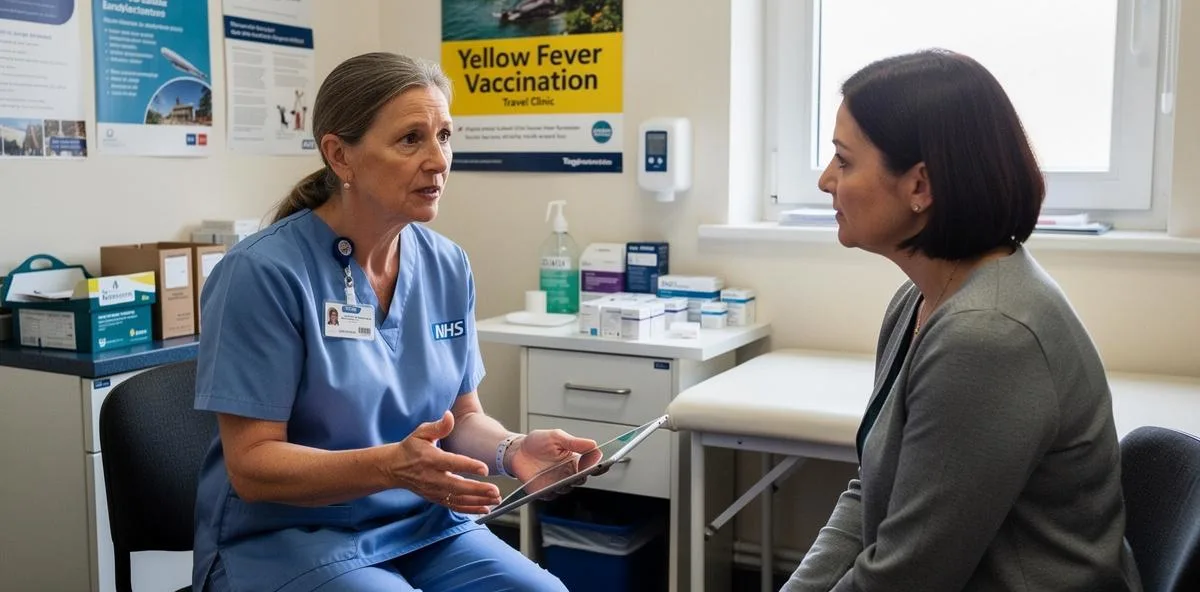
Kenya does not require any mandatory vaccinations for travellers arriving directly from the United Kingdom. UK health authorities do recommend several immunisations to ensure a safe trip. Travellers should first confirm their routine vaccinations for Kenya from UK for Tetanus, Diphtheria, and Polio are current.
UK travel health experts typically recommend the following additional jabs for Kenya safari:
- Hepatitis A: This vaccine protects against a virus transmitted through contaminated food and water.
- Typhoid: This vaccine protects against a bacterial infection also spread through contaminated food and water.
Your GP or travel clinic may suggest further injections needed for Kenya vaccinations for Rabies, Hepatitis B, or Cholera. This Kenya travel health advice depends on your specific itinerary, such as long stays in rural areas or activities involving close contact with animals. You should always consult a healthcare professional at least 6-8 weeks before departure for a personalised vaccination plan.
When is a Yellow Fever Certificate Needed for a Kenya Safari?
A Yellow Fever certificate is only required for entry into Kenya if your journey includes a transit of more than 12 hours through a country with a risk of Yellow Fever transmission. Direct flights from the UK to Kenya do not require a Yellow Fever certificate. The requirement applies specifically to the transit route, not the final destination.
A common flight route that requires the vaccination is one with a layover exceeding 12 hours in Addis Ababa, Ethiopia. If you have a short airport transit of less than 12 hours in a risk country, you do not need the certificate. Travellers with a medical reason for not receiving the vaccine must obtain a medical exemption certificate from their doctor.
Malaria Risk Areas in Kenya
Malaria risk in Kenya varies by region and altitude, with specific areas requiring anti-malarial medication. High-risk areas include the Masai Mara National Reserve, the entire Kenyan Coast (Mombasa, Diani, Malindi), and any other region below 2,500 metres. Travellers visiting these locations require anti-malarial prophylaxis.
The risk of malaria is considered low in high-altitude regions. These low-risk areas include Nairobi, Mount Kenya, and the Aberdares mountain range.
Anti-Malarial Tablets Used in Kenya
UK doctors most commonly prescribe two types of anti-malarial tablets for Kenya's high-risk safari regions. Your GP will advise on the most suitable option based on your medical history.
- Malarone (Atovaquone/Proguanil): This daily tablet is generally well-tolerated. The course starts one to two days before you enter a risk area.
- Doxycycline: This daily antibiotic is also effective against malaria. The course starts one to two days before exposure and can increase skin sensitivity to the sun.
How to Stay Healthy on a Safari After a Kenya Vaccine Requirements Pass
A few simple health precautions will protect you from common travel-related illnesses. These habits support a safe and enjoyable safari experience.
Water and Food Safety
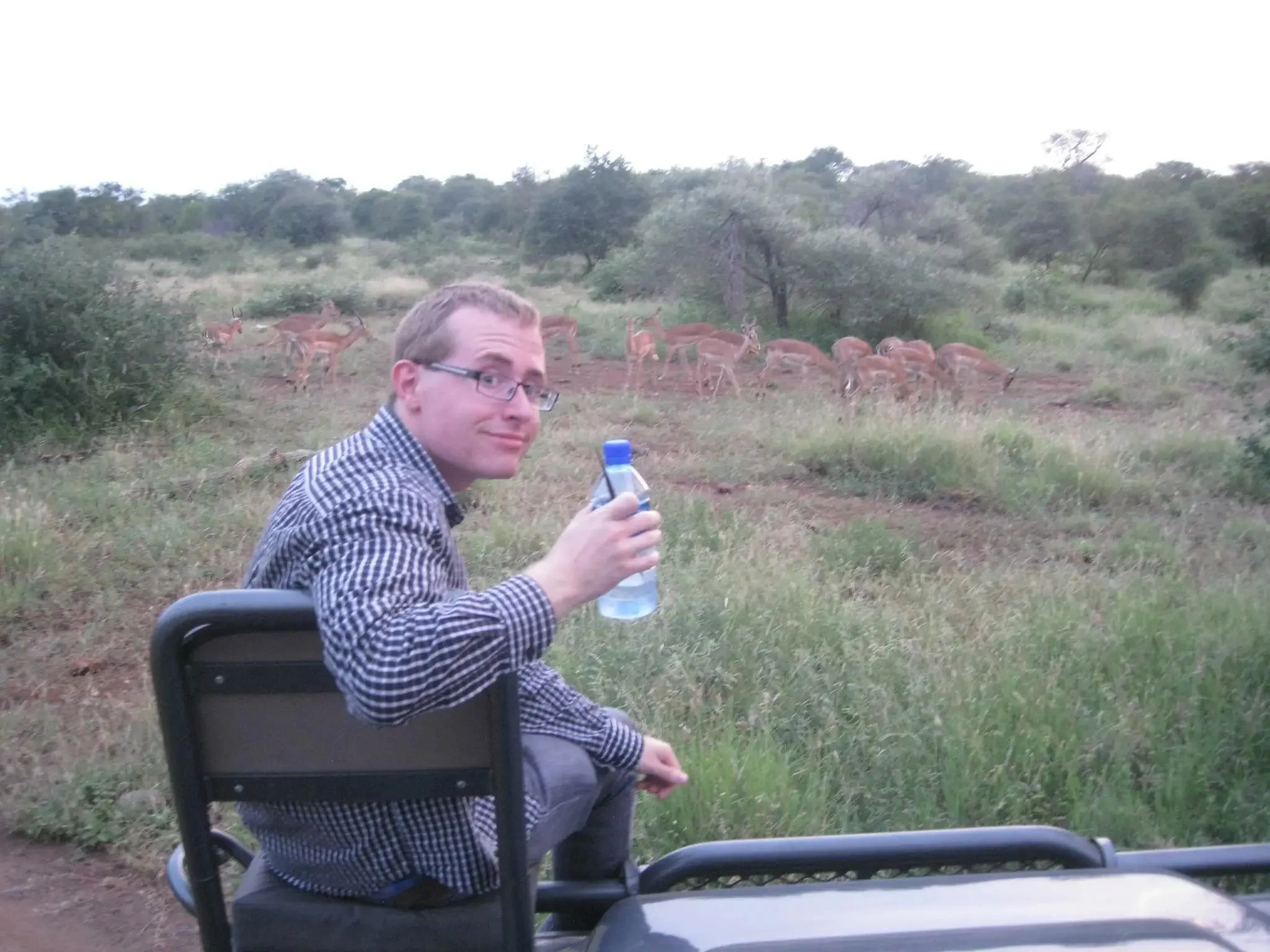
You should never drink tap water in Kenya, including water from high-end safari lodges. Drink only sealed bottled water, which operators provide in safari vehicles and rooms. Avoid ice unless you can confirm it is made from purified water. Following the "boil it, cook it, peel it, or forget it" rule for food helps prevent illness.
Insect Bite Prevention
Avoiding mosquito bites is the primary defence against malaria. You should apply an insect repellent that contains at least 50% DEET, particularly at dawn and dusk when mosquitoes are most active. Wearing light-coloured, long-sleeved clothing in the evenings and using the provided bed nets at night reduces your risk of being bitten.
Sun Protection
The equatorial sun in Kenya is very strong. Apply a high-SPF (30+) sunscreen frequently and wear a wide-brimmed hat and sunglasses during all outdoor activities. Staying hydrated with plenty of bottled water is also important for avoiding sunstroke.
Where to Get Kenya Vaccinations and Anti-Malarials in the UK
You can arrange your travel health appointments easily in the UK with advance planning. Your local GP surgery is the first point of contact for advice and any NHS-funded vaccines, like the Tetanus, Diphtheria, and Polio combination jab.
Private travel clinics are required for specialist vaccinations like Hepatitis A, Typhoid, or Yellow Fever and for anti-malarial prescriptions. Major pharmacy chains like Boots and LloydsPharmacy have dedicated travel clinics. Private providers such as MASTA are also available. You should book an appointment 6 to 8 weeks before departure, as some vaccine courses need multiple doses.
Medical Cover Your Kenya Travel Insurance Needs
Comprehensive travel insurance with high-level medical coverage is a requirement for a Kenya safari. Your policy must include specific cover for medical emergencies and medical repatriation to the UK. Standard travel policies often lack the required level of cover for these scenarios.
Medical facilities in remote safari areas can be basic. A serious illness or injury may require an emergency air evacuation to a private hospital in Nairobi. Ensure your policy covers these evacuation costs and declare any pre-existing medical conditions. You should also check that your policy covers planned activities like hot air ballooning.
What to Pack in a Personal First Aid Kit for Kenya
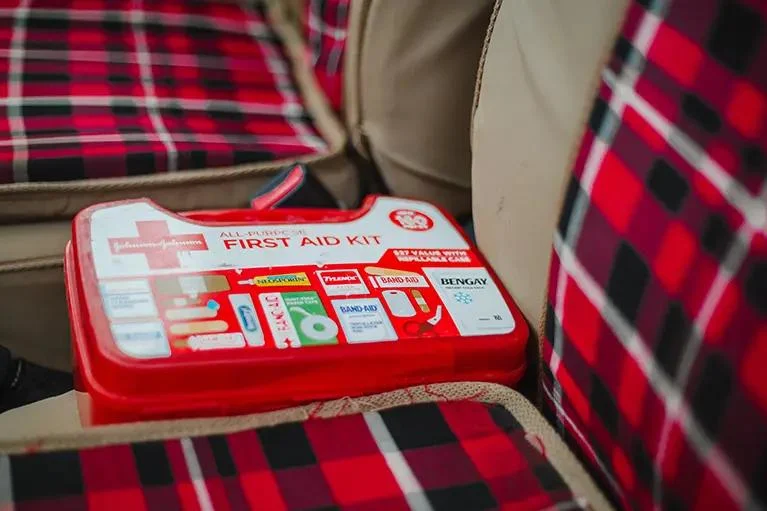
Packing a small, personal first aid kit allows you to manage minor ailments quickly. Your safari guide will have a comprehensive kit for emergencies, but a personal kit is useful for immediate needs. Your kit should include:
- Personal prescription medications with a copy of the prescription
- Painkillers like paracetamol or ibuprofen
- Antihistamine cream or tablets for insect bites
- Antiseptic wipes and hand sanitiser
- Plasters and sterile dressings
- Diarrhoea medication and rehydration sachets
- Sunburn relief cream
| Health Item | Requirement/Recommendation | Where to Get in UK |
|---|---|---|
| Yellow Fever Vaccine | Only if transiting >12hrs in a risk country | Private Travel Clinic (e.g., Boots, MASTA) |
| Anti-Malarials | Strongly recommended for most safari areas | GP Prescription / Travel Clinic |
| Hepatitis A & Typhoid | Recommended for most travellers | GP Surgery or Private Travel Clinic |
Your Pre-Departure Medical Checklist for Kenya
This checklist helps you organise all medical preparations before your safari trip. Completing these steps in advance ensures a well-prepared start to your safari.
- 6-8 Weeks Before Travel: Schedule an appointment with your GP or a travel clinic to discuss your itinerary, vaccinations, and anti-malarial prescription.
- 4-6 Weeks Before Travel: Get your anti-malarial tablets from a pharmacy. Start the course as prescribed before entering a malaria zone.
- 4 Weeks Before Travel: Purchase your comprehensive medical travel insurance policy and confirm it covers medical evacuation.
- 2 Weeks Before Travel: Put together your personal first aid kit with prescription and general medications.
- 1 Week Before Travel: Review the latest travel health advice for Kenya on the UK's NaTHNaC website for any updates.