UK travellers require malaria tablets for visits to specific high-risk areas in Kenya, with the need determined by a precise itinerary. NHS FitForTravel guidance recommends antimalarials for the Kenyan Coast, the Lake Victoria region, and popular safari parks, including the Masai Mara.
Low-risk zones like Nairobi and highlands above 2,500 metres do not typically require prophylaxis. A professional medical review of your entire journey is necessary for accurate health planning when evaluating malaria pills kenya/uk options.
Which Areas of Kenya Have a High Malaria Risk?
Kenya malaria risk level is determined by geographical zones defined by altitude and climate. NHS FitForTravel designates high-risk areas where antimalarial tablets are strongly recommended. These high-risk zones include the entire coastal strip (Mombasa, Diani Beach), the western region around Lake Victoria, and most national parks and reserves.
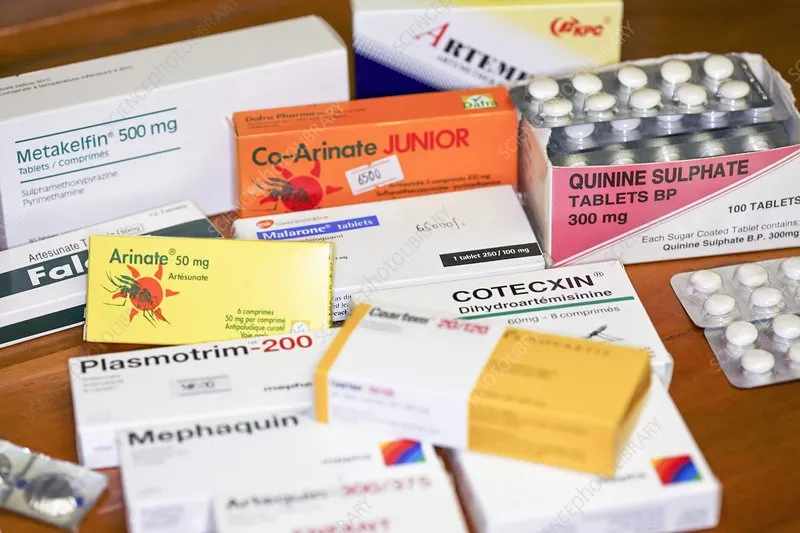
When travellers ask, "Do you need to take malaria tablets for Kenya?", the answer depends entirely on the specific stops on your trip. A classic safari itinerary that includes the Masai Mara National Reserve requires malaria prophylaxis Kenya coverage. A UK doctor will typically prescribe antimalarials like anti malaria tablets malarone (atovaquone/proguanil) or Doxycycline for travel to these specific destinations.
Low-risk zones are mainly high-altitude locations. A common question for transit travellers is: Is Nairobi malaria free? At an elevation of approximately 1,795m, Nairobi carries low-to-negligible risk. High-altitude regions like the Aberdares (above 2,500 metres) are similarly low risk. However, because most safari itineraries combine low-risk urban or highland areas with lower-lying game reserves, malaria tablets Kenya protocols are usually required for the safari portion of the trip.
Malarone vs. Doxycycline: Side Effects and Usage
When evaluating malarone / doxycycline queries, understanding medication profiles helps you choose the best anti malaria tablets for your health profile.
What Are the Common Side Effects of Malarone?
Malarone anti malaria tablets (atovaquone/proguanil) can cause mild anti malaria tablets side effects, including nausea, headaches, and abdominal pain. Taking the tablet daily with food or a milky drink helps to minimise stomach upset. Most travellers report minimal or no side effects with this medication.
UK doctors often favour Malarone for its gentle profile and convenient dosage schedule. The treatment course finishes just seven days after leaving a risk area, which makes it a practical choice for shorter Kenya holidays.
Why Is Sun Sensitivity a Concern with Doxycycline on Safari?
Doxycycline’s main side effect is increased photosensitivity, which can cause severe sunburn on a Kenya safari. A GP prescribing Doxycycline will advise a strict sun protection plan: high-SPF (50+) sunscreen, a wide-brimmed hat, and long-sleeved clothing. The medication must be taken with a large glass of water while remaining upright to prevent oesophageal irritation.
Can You Buy Anti Malaria Tablets Over the Counter in the UK?
Travellers frequently ask how to buy anti malaria tablets and whether a GP appointment is strictly necessary:
-
Over-the-Counter Options: Can you buy anti malaria tablets over counter supplies in the UK? Yes, specific brands like Maloff Protect (containing atovaquone/proguanil) can be purchased over the counter at pharmacies without a prescription following a screening consultation with a pharmacist.
-
Prescription Options: Standard prescription anti malaria tablets UK/Kenya travelers use (such as generic Doxycycline or Mefloquine) require a private prescription from a GP, travel clinic, or regulated online pharmacy.
-
Finding the Cheapest Anti Malaria Tablets: If you are seeking the cheapest anti malaria tablets, Doxycycline is generally the most economical choice per capsule for longer stays. For shorter trips, generic Atovaquone/Proguanil is substantially cheaper than branded Malarone while offering identical protection.
Anti Malaria Tablets and Pregnancy: Safety & Clinical Guidelines
Medical guidance regarding anti malaria tablets and pregnancy is strict due to elevated health risks for both mother and fetus:
-
Travel Guidance: UK public health agencies (NHS FitForTravel) and international bodies (CDC) advise pregnant women to avoid or defer travel to high-risk Kenya malaria zones unless absolutely necessary.
-
Medication Safety Profiles:
-
Contraindicated: Doxycycline is strictly contraindicated during pregnancy because it can impair fetal bone development and cause permanent tooth discoloration.
-
Restricted: Atovaquone/Proguanil (Malarone) is generally not recommended during pregnancy, particularly in the first trimester, due to limited safety data, and is used only under specialist supervision.
-
Preferred Options: Mefloquine (Lariam) may be considered following a specialist medical consultation if travel to a high-risk zone is unavoidable.
Official NHS Advice: The "ABCD" Malaria Prevention Framework
NHS FitForTravel guidance uses the "A, B, C, D" framework for comprehensive malaria prevention:
-
A – Awareness of risk: Know the specific risk levels for Masai Mara malaria, coastal areas, and transit routes.
-
B – Bite prevention: Use repellents, long clothing, and nets between dusk and dawn.
-
C – Chemoprophylaxis: Take appropriate anti malaria tablets for Kenya correctly as prescribed.
-
D – Diagnosis: Seek immediate medical attention for any fever during travel or up to a year after returning.
This framework confirms that antimalarials are only one part of a complete prevention strategy and must be combined with other measures.
Do I Need Malaria Tablets for the Masai Mara and Amboseli?
Yes, UK travellers need malaria tablets for safaris in the Masai Mara National Reserve and Amboseli National Park. NHS guidelines classify both destinations as high-risk for malaria transmission due to their altitude and environmental conditions.
A healthcare provider will advise antimalarial prophylaxis for any visit to these parks. Malaria risk increases slightly during the rainy seasons (April-May and November), but prophylaxis is recommended year-round. The final choice of medication depends on your personal medical history.
How to Prevent Mosquito Bites in Kenya
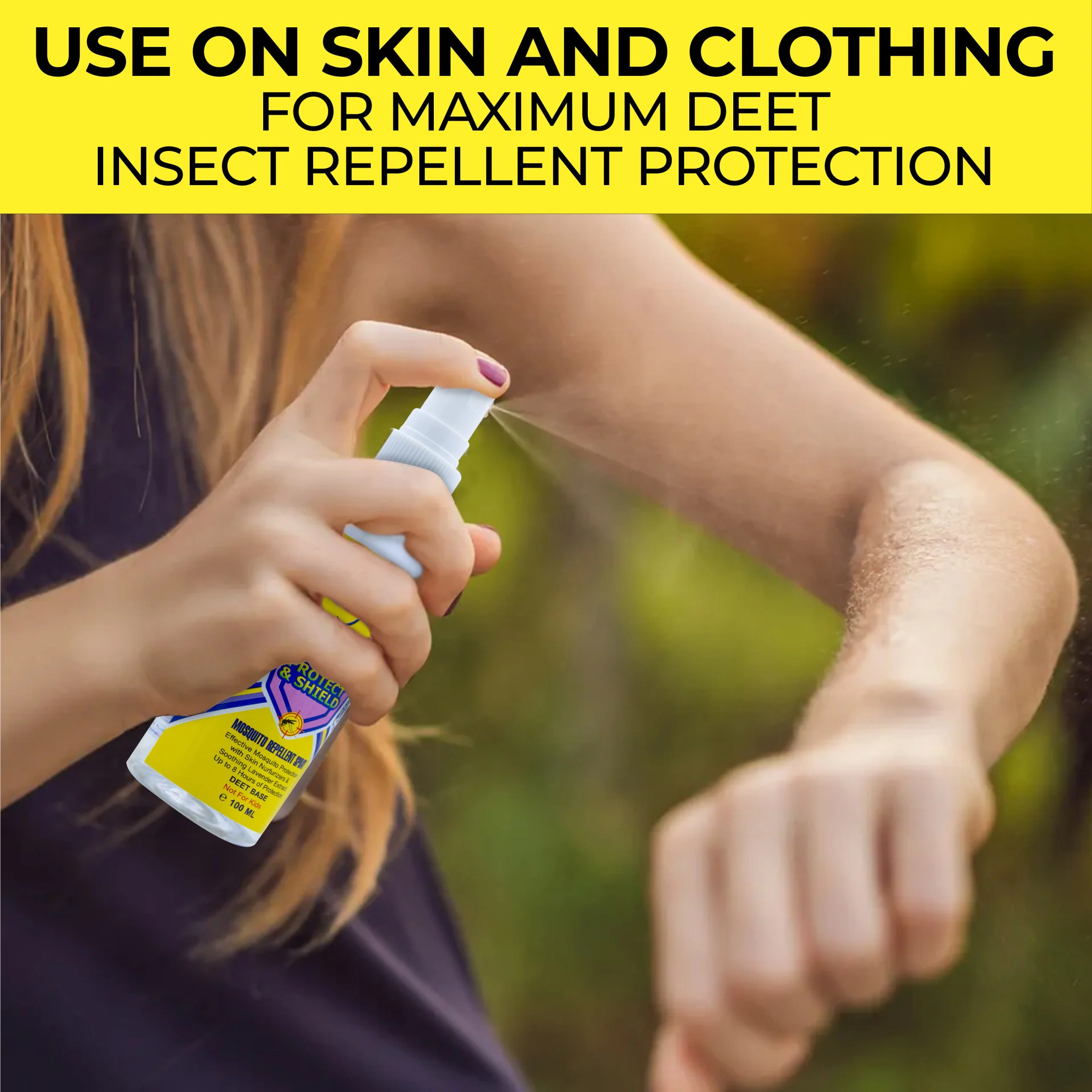
Antimalarials are not 100% effective, so bite prevention is crucial:
-
Insect Repellent: Apply repellent containing at least 50% DEET to exposed skin after sunscreen.
-
Protective Clothing: Wear light-coloured, loose-fitting long sleeves and trousers in early mornings and evenings.
-
Mosquito Nets: Use provided lodge nets, ensuring they are tucked under the mattress and free of holes.
-
Room Security: Keep screened doors closed or use plugin insecticide devices in unconditioned rooms.
Is There a Malaria Risk When Travelling Through Kenya?
Malaria risk assessment must include your travel routes, not just your final destinations. Itineraries to low-risk highlands, like Mount Kenya or the Aberdares, often involve driving through lower-altitude areas where malaria transmission can occur.
A GP or travel nurse will evaluate your entire journey, including transit zones and brief stops, to provide accurate advice. Exposure during transit requires a professional assessment to determine if a full course of antimalarials is necessary for your trip.
Region Breakdown: Masai Mara, Amboseli, Naivasha & The Coast
Understanding the malaria risk Kenya safari itineraries present requires examining individual regions:
-
Masai Mara & Amboseli: Many first-time visitors ask: Is there malaria in Masai Mara? or Is Masai mara malaria free? The Masai Mara is not malaria-free. Both the Masai Mara and Amboseli National Park carry a Kenya safari malaria risk that necessitates taking prophylactic medication year-round.
-
Kenyan Coast (Mombasa & Diani): Low altitude and tropical heat create high transmission levels throughout the coastal strip.
-
Lake Naivasha: Addressing Mombasa/Naivasha/Amboseli/Diani malaria risk, Lake Naivasha sits at roughly 1,885 metres. While Lake Naivasha malaria risk is lower than coastal areas, it is an open body of water where mosquito activity occurs. Because visitors usually combine Naivasha with the Masai Mara, continuous antimalarial coverage is standard practice.
Kenya Malaria Risk and Advice Summary
| Region / Destination | Malaria Risk Level | Antimalarial Tablet Advice (NHS) |
|---|---|---|
| Masai Mara & Amboseli | High Risk | Prophylaxis Strongly Recommended |
| Kenyan Coast (Diani, Mombasa) | High Risk | Prophylaxis Strongly Recommended |
| Nairobi City | Low to No Risk | Prophylaxis Not Usually Recommended |
| Highlands (>2,500 metres) | Low to No Risk | Prophylaxis Not Usually Recommended |
How Do I Get a Malaria Tablet Prescription in the UK?
UK travellers can get a prescription for antimalarial tablets from their NHS GP or a private travel clinic. You should schedule this appointment at least four to six weeks before your departure date to allow sufficient planning time.
Antimalarial tablets are issued on a private prescription, meaning you pay the full cost of the medication at the pharmacy. Specialist travel clinics, including those at high-street pharmacies, can provide both the prescription and the medication in a single appointment.
Why Is a Pre-Travel Medical Consultation Necessary?
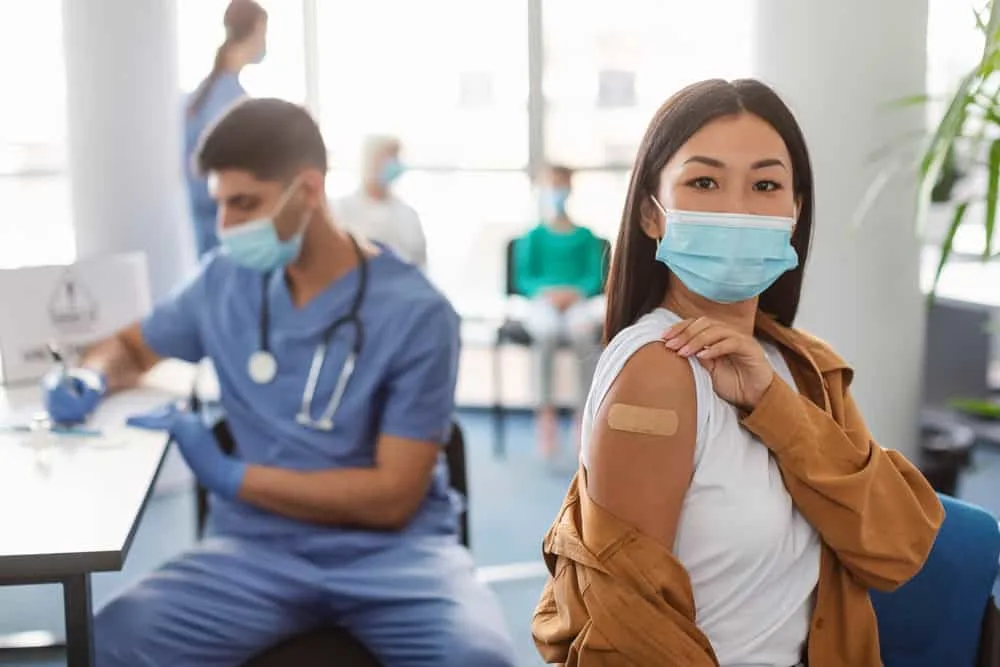
A personalised medical consultation is necessary because general advice cannot account for individual health factors or specific travel plans. A GP or travel medicine specialist provides advice tailored to your personal medical history and exact Kenya itinerary.
For your appointment, you should prepare your full itinerary and a summary of your medical history. This information allows the healthcare professional to conduct a complete risk assessment. The assessment ensures they prescribe the safest and most effective antimalarial for your needs.
[Contact Kenya Safari Trails for itinerary planning]
What Should a Health-Conscious Kenya Safari Plan Include?
A complete health plan for a Kenya safari addresses more than just malaria. Your pre-travel consultation should cover routine UK vaccination updates and other recommended travel immunisations for Kenya, such as Tetanus, Hepatitis A, and Typhoid.
You should also pack a personal medical kit containing items like pain relief, antiseptic wipes, and medication for minor stomach upsets. Robust travel insurance with coverage for medical emergencies and repatriation is a non-negotiable part of safe safari planning. Following basic food and water safety on the ground further protects your health during the trip.