The Samburu Special Five is a group of five dry-country adapted animals: the Grevy’s Zebra, Somali Ostrich, Reticulated Giraffe, Gerenuk, and Beisa Oryx. These species inhabit Northern Kenya’s arid regions, including the Samburu National Reserve.
Specific biological attributes for surviving in water-scarce environments distinguish the Samburu Special Five from wildlife in other Kenyan parks. These adaptations make a Samburu safari a different experience compared to one in the Maasai Mara.
How to Identify the Samburu Special Five
Identifying the Samburu Special Five requires knowledge of their specific visual markers. Each species has distinct features linked to its survival in an arid habitat, which differ from more common southern Kenyan wildlife. An experienced safari guide can point out these key identification details during game drives.
Grevy’s Zebra Identification Thin Stripes and Round Ears
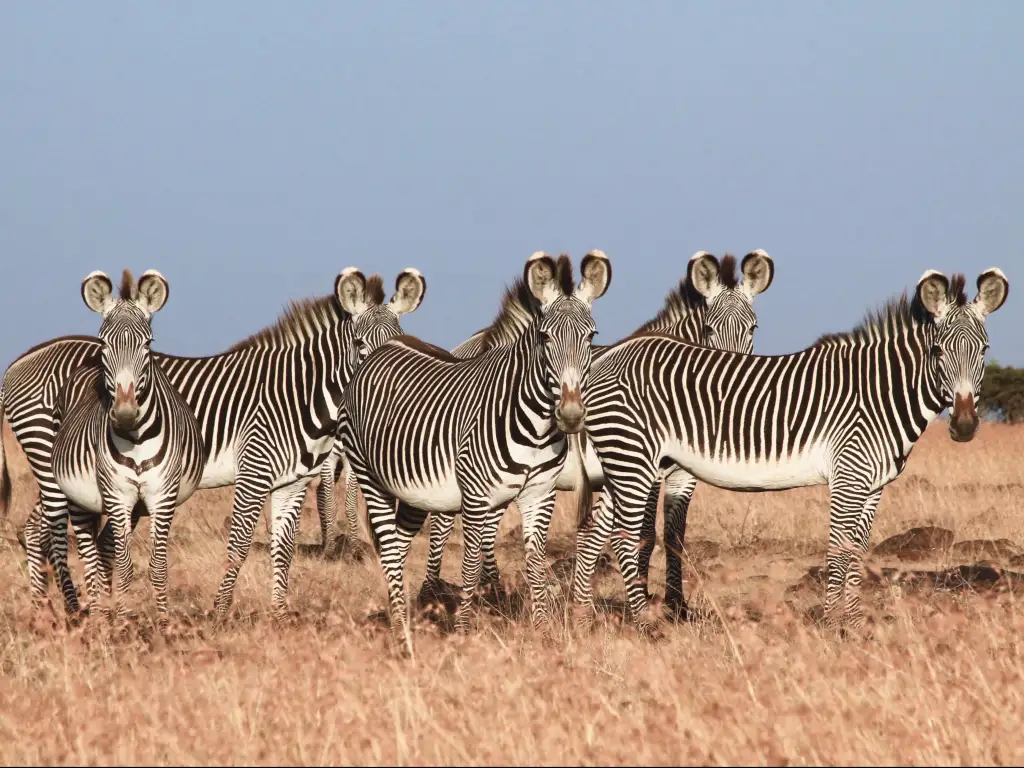
The Grevy’s Zebra is distinguished from the Plains Zebra by its pattern of thin, tightly packed black and white stripes. These stripes stop short of the zebra's clean, white belly.
Large, rounded ears are another clear identifier for the Grevy’s Zebra. The Plains Zebra, found in the Maasai Mara, has broader stripes that extend down to its underbelly and legs.
Reticulated Giraffe Identification Geometric Coat Pattern
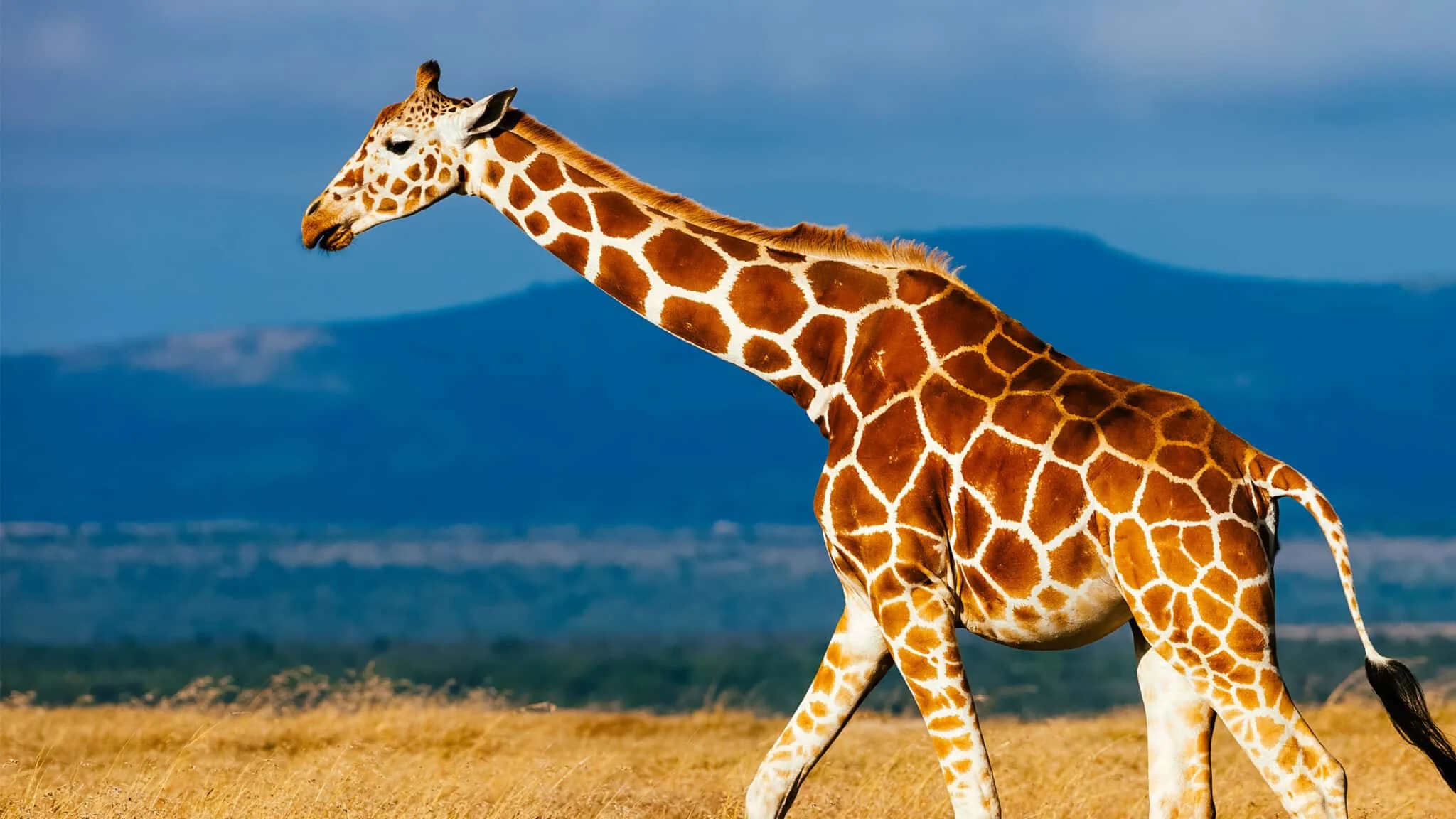
The Reticulated Giraffe is identified by its coat of large, polygonal, liver-coloured patches. A network of bright, creamy-white lines clearly defines these patches.
This sharp, geometric pattern differs from the irregular, star-shaped patches of the Maasai Giraffe found in southern Kenya. The clarity of the reticulated pattern makes this giraffe species easy to distinguish.
Gerenuk Identification Long Neck and Bipedal Stance
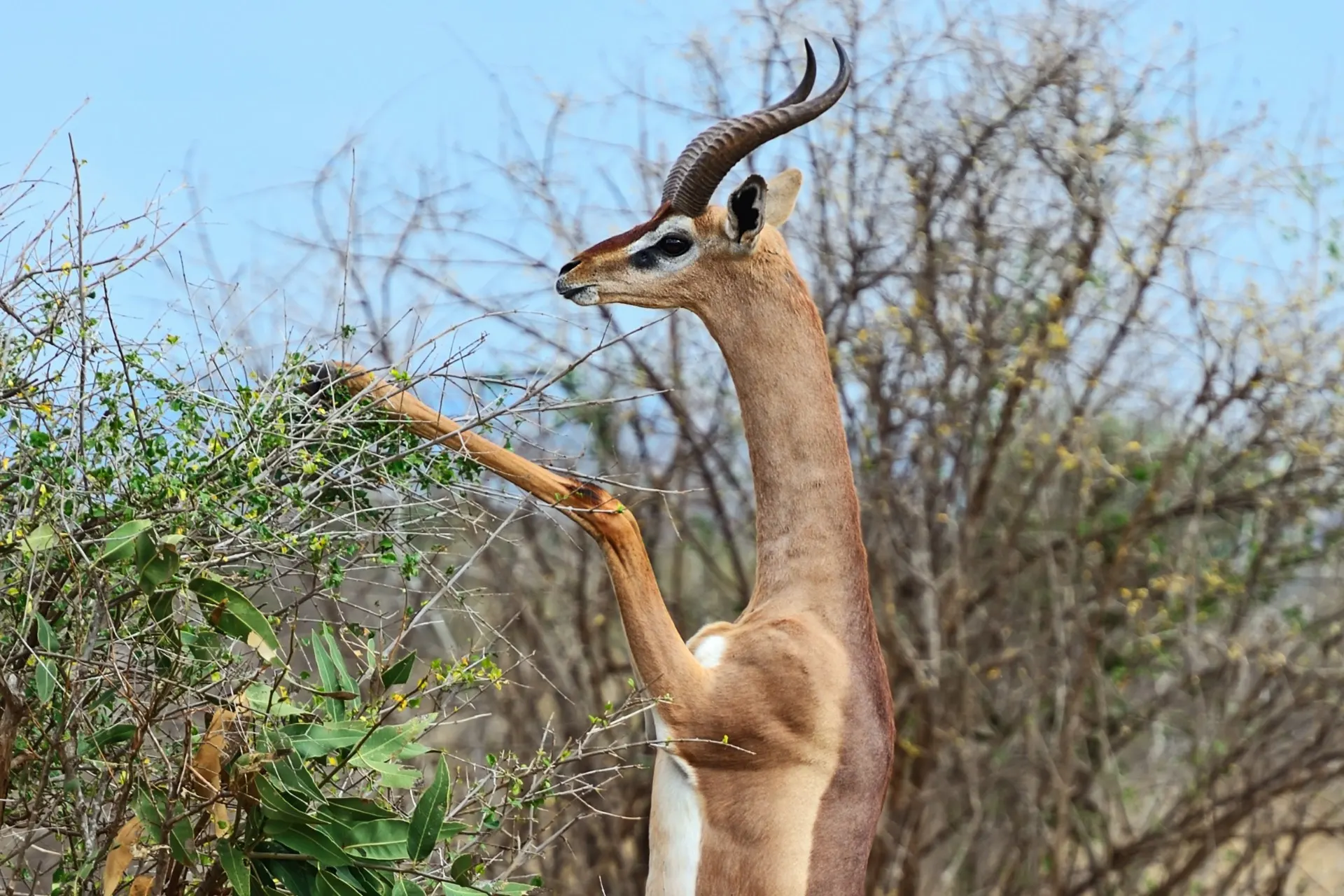
The Gerenuk, or ‘giraffe-gazelle’, is a slender antelope with a very long neck and thin legs. Its defining characteristic is the ability to stand erect on its hind legs to browse for leaves.
This bipedal feeding posture allows the Gerenuk to reach high acacia leaves that other antelope species cannot. Observing this behaviour is the primary way to confirm a Gerenuk sighting.
Somali Ostrich Identification Blue Neck and Legs
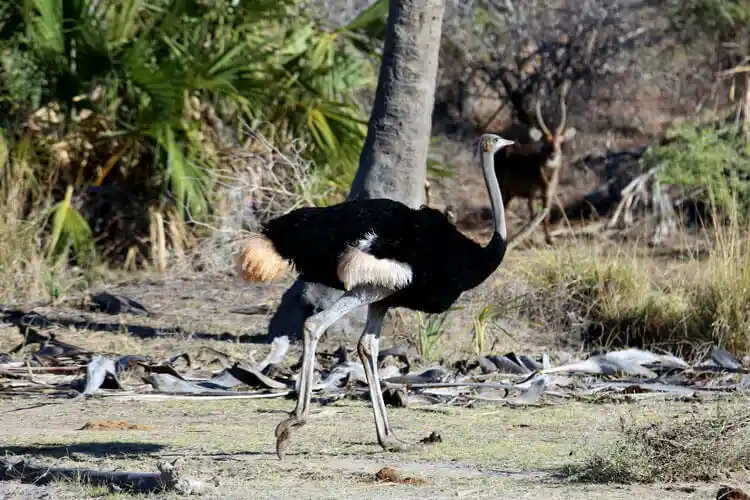
The Somali Ostrich is identified by the male's distinct colouring during the breeding season. The male's neck and legs turn a vivid blue.
This blue colouration contrasts with the pinkish-red neck and legs of the common Maasai Ostrich. The colour difference is the most reliable identification marker for the Somali Ostrich.
Beisa Oryx Identification Spear-Like Horns and Facial Markings
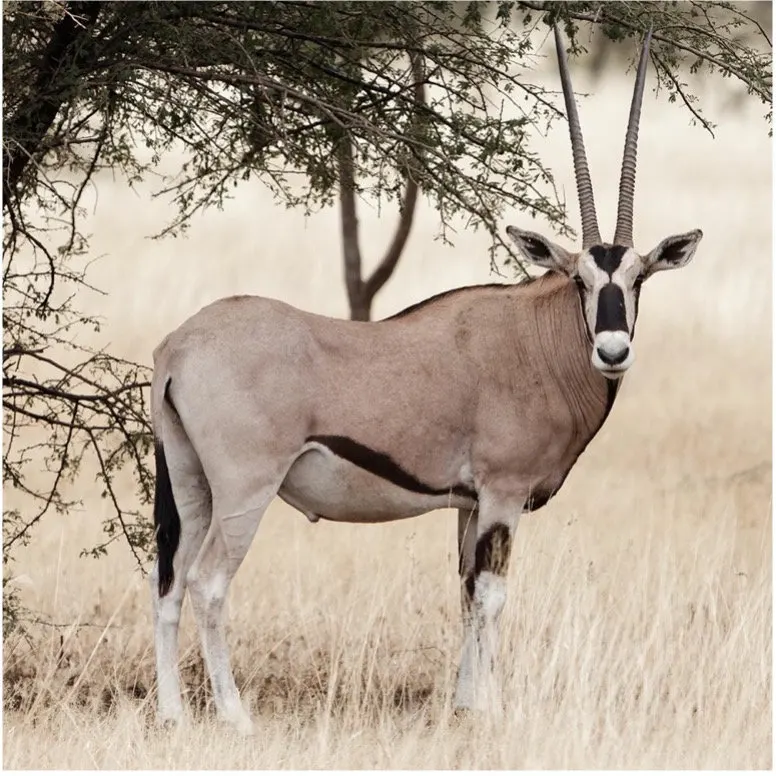
The Beisa Oryx is a powerfully built antelope with two defining features. Both males and females carry long, straight, spear-like horns.
The oryx also has a distinct black and white facial pattern, with black stripes running from the horns through the eyes. A further black stripe divides its neck and flank, giving the animal a masked appearance.
When and Where You Can Find the Samburu Special Five
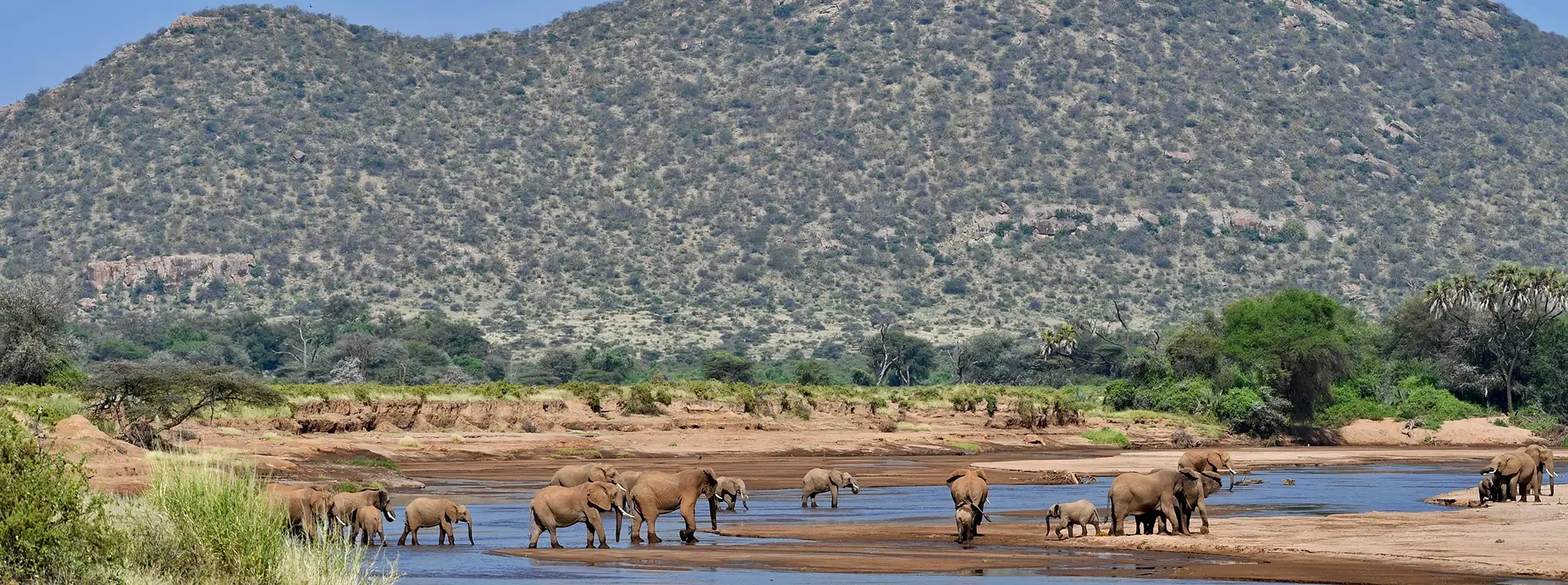
The best time to see the Samburu Special Five is during the dry seasons from June to October and January to March. Sparse vegetation during these months forces animals to gather around permanent water sources, which makes wildlife sightings easier.
The Ewaso Ng'iro River is the primary location for finding the Special Five. Safari game drives along the riverbanks frequently yield sightings of Grevy's Zebra and Beisa Oryx on the open plains.
Reticulated Giraffe and Gerenuk prefer the acacia scrubland away from the immediate riverfront. The climate forecast indicates continued dry conditions, making the river and nearby waterholes the most effective areas for safari game drives.
How Community Conservancies Support Samburu Special Five Sightings
Community conservancies provide the extended habitat necessary for the survival of the Samburu Special Five outside the main reserve. Conservancies such as Kalama, Westgate, and Sera are owned by the Samburu people and are important for wildlife.
The conservancies function as migratory corridors, expanding the protected habitat for animals seeking food and water. Selecting a safari operator that partners with these conservancies supports the local community and improves your chances of seeing the Special Five.
Safari activities in the community conservancies are often less crowded than in the main reserve. This provides more exclusive wildlife viewing opportunities for UK travellers.
How to Distinguish the Special Five from Common Wildlife
Understanding the key differences between the Samburu Special Five and their common relatives prevents misidentification. This knowledge improves the quality of the safari experience.
| Samburu Special Five Species | Key Identification Feature | Common Counterpart and Its Feature |
|---|---|---|
| Grevy’s Zebra | Thin, dense stripes; white belly; large, rounded ears. | Plains Zebra: Broad stripes covering the entire body. |
| Reticulated Giraffe | Sharp, geometric, liver-coloured patches with bright white lines. | Maasai Giraffe: Irregular, star-shaped, brown patches. |
| Somali Ostrich | Male has a blue neck and legs during breeding season. | Common Ostrich: Male has a pinkish-red neck and legs. |
| Gerenuk | Long neck; stands on hind legs to browse. | No direct, commonly seen counterpart. |
| Beisa Oryx | Long, spear-like horns; distinct black and white facial markings. | No direct, commonly seen counterpart. |
Adaptations that Help the Samburu Special Five Survive
The Samburu Special Five are adapted to survive in dry conditions with minimal water, which is why they are not found in the Maasai Mara. The Gerenuk, for example, gets all necessary moisture from leaves and rarely drinks water.
The Beisa Oryx conserves water by allowing its body temperature to rise during the day. This physiological adaptation reduces water loss from perspiration.
These traits make the animals suited for Samburu's acacia scrubland. The same animals would not thrive in the wetter, grassier ecosystems of the Maasai Mara.
Unique Behaviours You Should Look For
Observing the specific behaviours of each Special Five member provides a deeper understanding of their adaptations. This knowledge helps anticipate moments for better wildlife photography and viewing.
- Gerenuk: Watch for bipedal browsing. Waiting patiently near acacia bushes often rewards observers with the sight of a Gerenuk rising onto its hind legs to reach leaves.
- Grevy’s Zebra: Observe stallions patrolling and marking their territory. They do not form the fixed family harems seen in Plains Zebras.
- Beisa Oryx: In the heat of the day, observe them seeking shade or standing motionless to conserve energy. A key foraging behaviour is using their horns to dig for underground tubers.
- Reticulated Giraffe: Note their preference for acacia trees, where they use their long tongues to pluck leaves while avoiding thorns.
- Somali Ostrich: The male’s courtship display involves an elaborate dance where he sinks to the ground and sways with outstretched wings to attract a female.
How You Should Prepare for a Samburu Special Five Safari
Specific preparation is required for a safari in Samburu's arid climate. Packing should be tailored to the dry-country environment to ensure comfort and safety.
- Clothing: Pack lightweight, neutral-coloured clothing in breathable fabrics. Long sleeves and trousers are important for protection from sun and insects. A warm fleece or jacket is necessary for cold early mornings and evenings.
- Sun Protection: A wide-brimmed hat, high-SPF sunscreen, and quality sunglasses are necessary for protection against the sun.
- Footwear: Comfortable, closed-toe walking shoes or trainers are adequate for game drives and moving around your accommodation.
- Health & Safety: Consult your GP about malaria prevention for this region. Carry a personal first-aid kit, insect repellent, and drink bottled water to stay hydrated.
- Essential Gear: A quality pair of binoculars (8x42 or 10x42 magnification is ideal) will enhance wildlife viewing. A camera with a zoom lens of at least 300mm is recommended for photographers.
- Ethical Etiquette: Maintain a low voice at sightings, do not pressure your guide to get too close to animals, and avoid flash photography. Ask your guide to request permission before photographing local Samburu people.
Why Expert Samburu Guides Are Important
The quality of your safari guide is a primary factor in a successful Samburu trip. An experienced local Samburu guide has superior knowledge of the local terrain and animal behaviour.
Local guides can track and locate wildlife more effectively than non-local guides. They also provide cultural insights into the relationship between the Samburu people and the local wildlife.
UK travellers should ask tour operators if they employ local Samburu guides and support community conservancies. An ethical operator can explain its commitment to conservation and community programmes.
Selecting an operator that invests in the local ecosystem ensures your visit has a positive impact. This choice also provides a more authentic safari experience.