The Kenya green season impacts safari planning by reducing wildlife visibility, requiring 4x4 vehicles for park access, and lowering luxury accommodation costs by up to 40% for UK travellers. This period, known as the 'Green Season', covers the Long Rains (April-May) and Short Rains (November-December) and presents specific trade-offs for safari itineraries.
Exact dates and characteristics of Kenya's Long and Short Rains
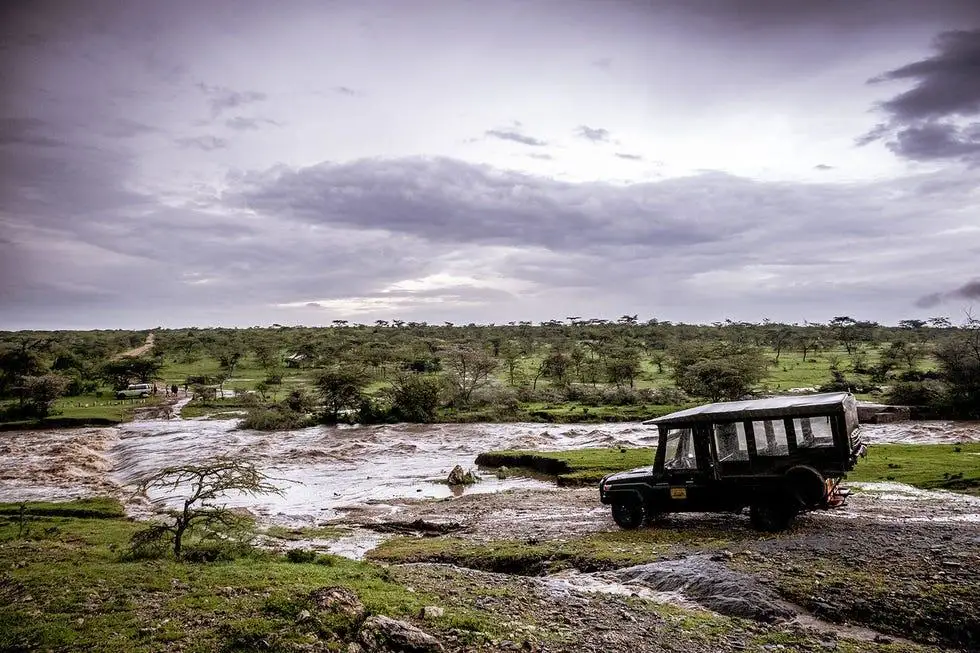
Kenya experiences two rainy seasons annually: the Long Rains from April to May and the Short Rains from November to December. These periods are not characterised by constant rain, allowing for safari activities to continue with minor adjustments.
The Long Rains deliver heavier and more predictable rainfall, usually arriving as intense afternoon thunderstorms. Mornings during this season are frequently clear and sunny, providing good conditions for morning game drives.
The Short Rains feature lighter, less predictable showers that tend to pass quickly. Expert safari guides adapt daily itineraries around these weather patterns, meaning game drives and other activities are seldom cancelled. This operational adjustment applies to safaris planned during both rainy seasons.
How Kenya's green season affect wildlife visibility and game viewing
Challenges to Predator Spotting
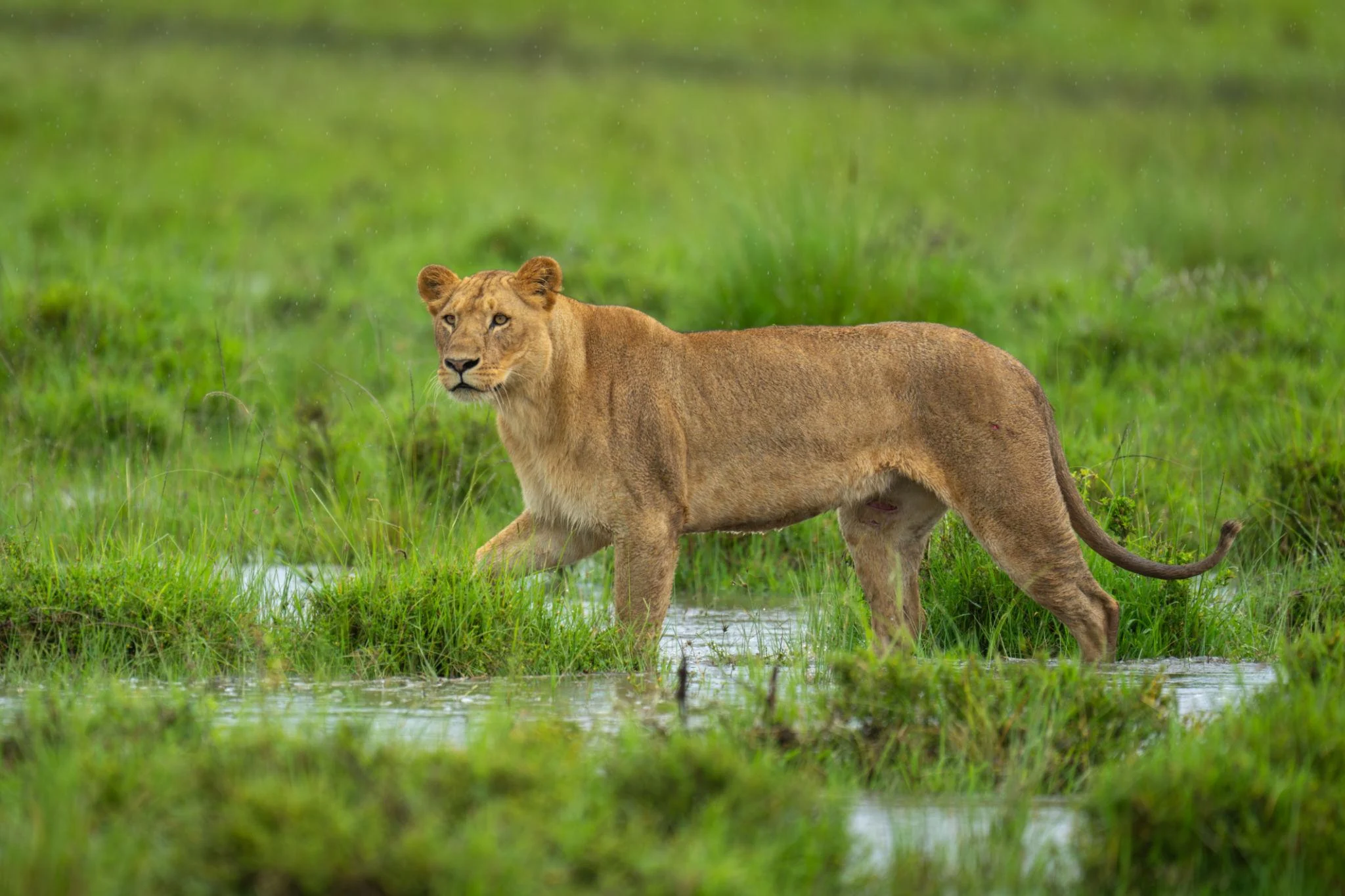
Increased rainfall causes savannah grasses to grow tall and dense, which makes spotting predators more challenging. Lions and cheetahs, which use open ground for hunting, are more easily concealed by the high vegetation. This specific factor can reduce the frequency of big cat sightings.
Benefits for Herbivore and Newborn Sightings
The Green Season offers unique game viewing advantages, as widespread water sources disperse wildlife across the parks. This dispersal can lead to more varied and unexpected encounters away from traditional waterholes. The abundance of food also coincides with the birthing season for many herbivores, offering opportunities to see newborn zebra and antelope. These conditions are specific to the wet months.
Photographic Opportunities
The green landscape provides a high-contrast background for wildlife photography. Post-rain atmospheres often produce clear air and dramatic light, particularly at sunrise and sunset. This light quality is a distinct advantage for photographers visiting during Green Season.
Vehicle and road condition considerations for a Kenya green season safari
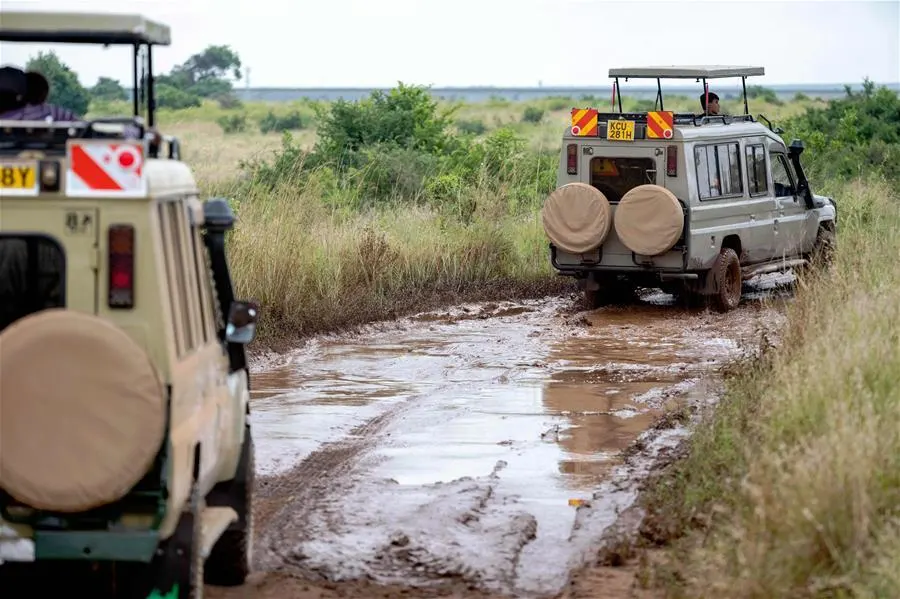
Travel during Kenya's wet months requires specific vehicle planning due to challenging road conditions. Black cotton soil, common in parks like the Maasai Mara, becomes very slippery when wet, causing standard safari vans to get stuck. This can lead to significant game drive delays.
A proper 4x4 safari vehicle is a mandatory requirement in many parks and private conservancies during the rainy season. These vehicles provide the necessary high clearance and traction to navigate muddy tracks and river crossings safely. UK travellers must confirm with their tour operator that a 4x4 will be used for all game drives.
Using the correct vehicle is a primary safety and quality standard for any Green Season safari. A suitable 4x4 ensures itineraries can proceed with minimal disruption from poor road conditions.
Financial benefits of a Kenya Green Season safari
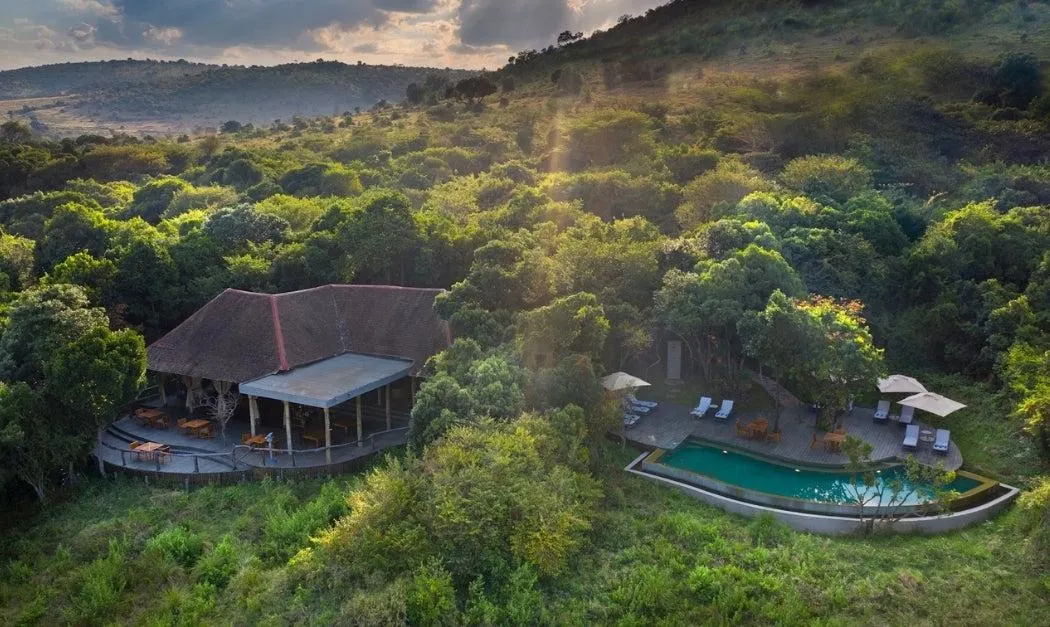
A primary advantage of a Green Season safari for UK travellers is the significant cost savings on accommodation. Reduced visitor demand during the Long Rains (April-May) leads many luxury lodges to offer 'Green Season' rates. These rates can be up to 40% lower than peak dry season prices.
These accommodation savings make high-end safaris more accessible for special occasions like honeymoons or family holidays. The budget saved can be reallocated to a longer stay, a room upgrade, or additional activities such as a hot air balloon flight.
International flight prices from the UK may also be lower outside of the peak European summer travel season. Although park fees remain consistent year-round, the considerable lodge discounts make the total safari cost very competitive. The financial benefits are concentrated in accommodation rather than park entrance fees.
How Kenya safari itineraries change during the rainy season
Daily safari itineraries require more flexibility during the Green Season to adapt to weather conditions. Guides may schedule game drives between predictable afternoon showers or focus on park areas with better all-weather roads. This responsive planning is a key feature of wet season travel.
The lodge experience benefits from lower visitor numbers, creating a more private and exclusive atmosphere. Fewer guests translate to fewer vehicles at wildlife sightings, offering a less crowded viewing experience. Lodges often provide covered verandas and indoor fireplaces as alternatives during rain showers.
Activities such as walking safaris or outdoor bush dinners become more weather-dependent. The trade-off for this potential unpredictability is a greater sense of exclusivity in the bush. This specific dynamic appeals to travellers seeking a more solitary safari experience.
Pros and cons of a Kenya rainy season safari
A Green Season safari in Kenya presents a clear set of trade-offs for UK travellers. The decision balances financial savings and exclusivity against practical challenges like wildlife visibility and road conditions. The table below summarises the key considerations.
| Factor | Advantages (Pros) | Disadvantages (Cons) |
|---|---|---|
| Cost | Luxury lodge rates up to 40% lower. | Park fees and activity costs remain fixed. |
| Wildlife Viewing | Birthing season for herbivores; exceptional birdwatching. | Tall grass makes predators harder to spot. |
| Experience | Fewer tourists and safari vehicles at sightings. | Weather is less predictable; some activities may be cancelled. |
| Logistics | Dramatic green scenery for photography. | A 4x4 vehicle is mandatory; some roads may be impassable. |
This framework helps travellers align their priorities, whether they value a budget-friendly, exclusive trip over the guaranteed ease of predator viewing typical of the dry season.
Which Kenya parks are best for a rainy season safari?
Amboseli National Park
Amboseli National Park is an excellent wet season destination because its volcanic soil drains quickly, keeping the road network accessible. The park's large elephant herds are present year-round, and clear views of Mount Kilimanjaro are common after rain showers. These conditions make Amboseli a reliable choice.
Tsavo East and Tsavo West
The Tsavo conservation area also performs well during the rains. Its vast road networks generally remain passable, and resident wildlife populations are stable throughout the year. Tsavo's accessibility is a key advantage for Green Season itineraries.
Maasai Mara Private Conservancies
The Maasai Mara's main reserve contains black cotton soil, which becomes difficult to navigate when wet. The private conservancies bordering the reserve are often a better choice. These conservancies manage their track networks meticulously and have stricter limits on vehicle numbers, offering an exclusive Mara experience even during the rains. This provides a focused alternative to the main reserve.
Why birdwatching exceptional during Kenya's rainy season
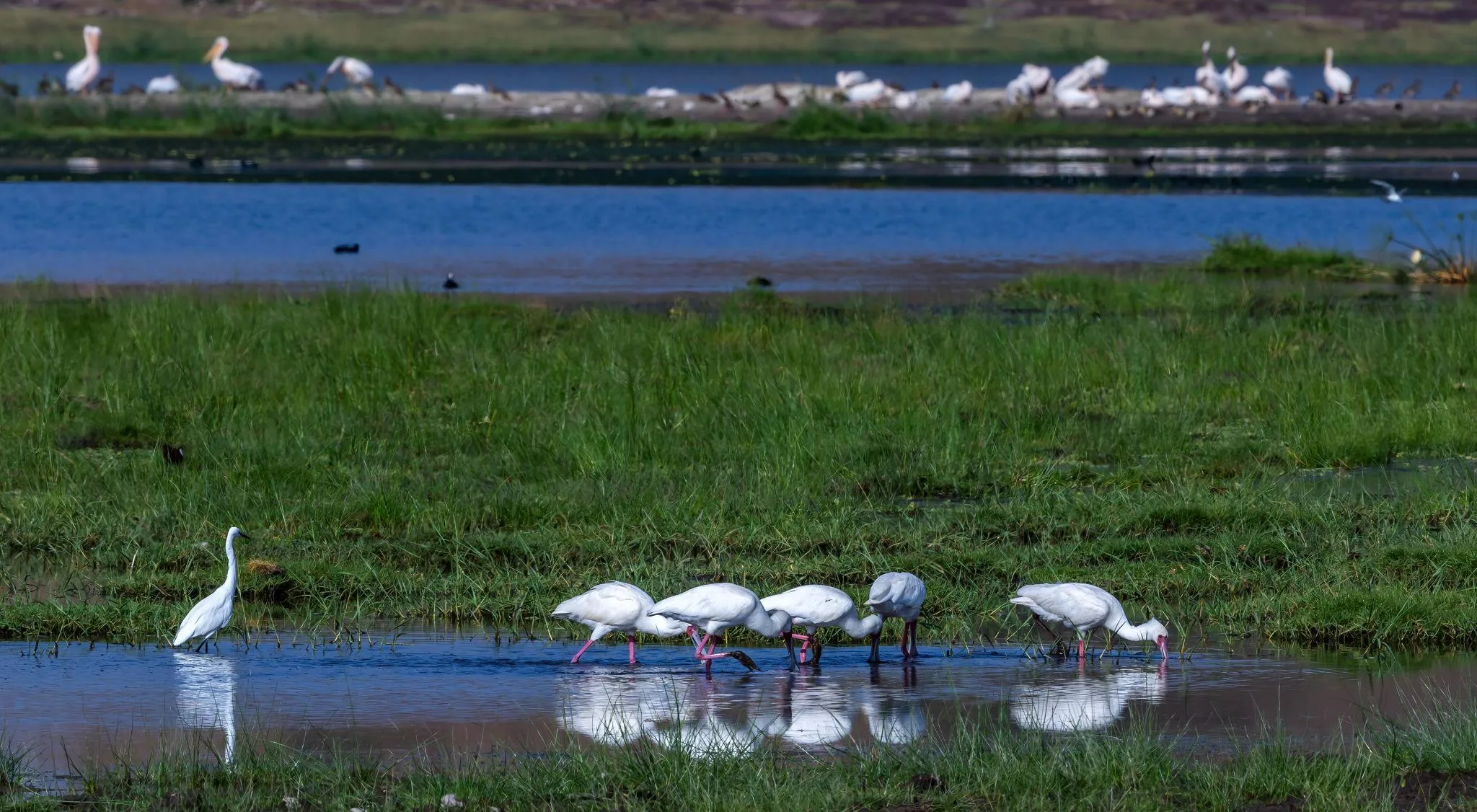
Kenya's rainy season offers world-class birdwatching opportunities due to two main factors: breeding plumage and the arrival of migratory species. Resident birds display their most colourful and active breeding plumage during this time. This biological cycle enhances viewing possibilities for local species.
The wet months also coincide with the arrival of migratory birds from Europe and northern Africa. An abundance of insects and water creates ideal conditions for these visiting species. Parks such as Amboseli and the Great Rift Valley lakes become prime locations for ornithology.
The combination of resident birds in breeding plumage and seasonal migrants adds a significant dimension to a Green Season safari. This level of avian activity is not present during Kenya's dry season.
What should UK travellers pack for a Kenya rainy season safari?
A successful rainy season safari requires specific packing focused on waterproof and quick-drying items. The following items are recommended for comfort and protection against the elements:
- Waterproof Jacket: A lightweight, breathable jacket for rain protection and as a windbreaker.
- Warm Layers: Fleece jackets or jumpers for cool mornings and evenings.
- Quick-Dry Clothing: Neutral-coloured shirts and trousers made from synthetic fabrics. Avoid cotton and denim.
- Waterproof Footwear: Sturdy boots or shoes with good grip for muddy terrain.
- Equipment Protection: A waterproof bag for cameras, binoculars, and other electronics.
- Insect Repellent: High-quality repellent is necessary due to increased mosquito activity.
This packing list directly addresses the challenges of rain, cooler temperatures, and muddy conditions found during the Green Season.
How UK travellers secure the best Green Season safari deals
UK travellers can find the best value for a rainy season safari by researching lodges that offer specific 'Green Season' pricing. This information is typically published on lodge websites or available through specialist safari operators. Initial research helps identify potential cost savings.
Working with a UK-based safari specialist provides access to expert knowledge on wet season logistics. An experienced operator can recommend reliable itineraries and advise on current road conditions and specific park accessibility. Their relationships with lodges can also unlock preferential rates.
Travellers should review cancellation policies carefully due to potential weather-related disruptions. Booking in advance often secures better rates, though last-minute offers may be available. A structured approach to booking helps maximise the financial benefits of travelling in this season.