The vast Tsavo Conservation Area in south-eastern Kenya forms one of the planet's most significant protected ecosystems.
Within this immense wilderness, Tsavo West National Park features a dramatic, rugged landscape of recent volcanic activity, hidden oases, and rolling hills. This reserve offers more varied topography and a greater feeling of remoteness compared to its eastern counterpart.
Overview
Name
Tsavo West National Park
Type
National Park
Town
Mtito Andei
County
Taita Taveta
Country
Kenya
Key Facts about Tsavo West National Park
Attribute Category
Specific Detail
Location Coordinates
Approximately 2°59′S 38°08′E
Governance/Management
Kenya Wildlife Service (KWS)
Total Area
9,065 square kilometres (3,500 sq mi)
Entry Fees
Tariffs vary for non-residents, residents, and citizens. Please consult the official KWS website for current rates.
Primary Attraction
Mzima Springs, Shetani Lava Flows, diverse wildlife including the famed 'Red Elephants', and rhino sanctuaries.
Best Visiting Window
The long dry season (June to October) and the short dry season (January to February) offer the best conditions for wildlife viewing.
Unlike the open savannahs of the Masai Mara, where visibility stretches for kilometres, Tsavo West presents a dense, Commiphora-woodland ecosystem. This geo-botanical difference means harder work for sightings, but visitors can observe specific sub-species adaptations not found in other Kenyan circuits.
The "Red" Elephants of Tsavo
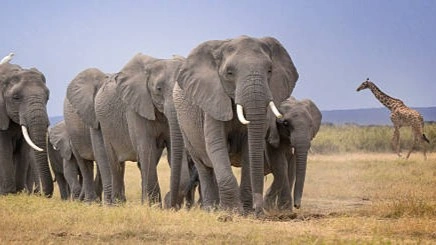
The park is defined by its population of Loxodonta africana. These are not a distinct genetic subspecies but are phenotypically unique due to the geological substrate. These elephants dust-bathe in the iron-rich laterite soil (volcanic red earth), coating their skin in a protective layer against parasites and sun.
The Maneless Lions and Black Rhino Stronghold
The Tsavo lion population (Panthera leo) differs morphologically from their Serengeti cousins. Adult males often lack the heavy mane entirely or possess only sparse growth, likely an adaptation to the thorny scrub environment and intense heat. The Ngulia Rhino Sanctuary is an important zone for Eastern Black Rhinoceros (Diceros bicornis michaeli) conservation. This fenced, protected zone within the park offers a higher probability of sighting this elusive browser compared to the vast expanses of Tsavo East.
Predators: Leopard (Panthera pardus), Cheetah, Wild Dog (Lycaon pictus).
Ungulates: Lesser Kudu (distinct white stripes, prefers thickets), Gerenuk (long-necked antelope), Fringe-eared Oryx.
Avifauna: The Ngulia flyway is a globally significant migration corridor, particularly for the Corncrake and Basra Reedwarbler.
Geological Attractions and Hydrology of Tsavo West
The topography of Tsavo West drives its differentiation from the flat Taru Desert of Tsavo East. The landscape is violent and volcanic, dominated by the Chyulu Hills catchment area. This geological activity creates attractions that form distinct ecological micro-habitats.
Mzima Springs: Hydrological Engine
Mzima Springs produces approximately 250 million litres of fresh water daily. This water originates as rainfall on the Chyulu Hills, filtering through porous volcanic ash and rock for roughly 50 kilometres before resurfacing. This filtration process renders the water optically clear, allowing for direct observation of aquatic life.
Key sightings at Mzima include:
Hippopotamus amphibius: Visible walking along the riverbed due to water clarity.
Nile Crocodile: Often seen basking on the riparian banks.
Barbus Fish: Visible from the observation structure.
Shetani Lava Flow and Volcanic Cones
The Shetani Lava Flow represents recent geological activity, having formed only a few hundred years ago. It remains a barren, black magma scar stretching 8 kilometres, distinct from the surrounding green bush. This contrasts sharply with the Chaimu Crater, a tall volcanic cinder cone that visitors can ascend. The presence of these formations categorises Tsavo West as a geo-park experience, distinct from the purely biological focus of Amboseli.
The Interactive Experience at the Park
Tsavo West permits a higher degree of physical interaction with the terrain than many national reserves. The management plan allows for pedestrian access in specific high-risk zones, altering the typical vehicle-bound safari dynamic.
Subterranean and Elevation Perspectives
Tsavo West offers unique viewing angles not found in competitor parks. At Mzima Springs, the Underwater Observation Chamber allows photographers and researchers to view hippos and fish from a sub-surface perspective, a feature absent in the Mara or Samburu.
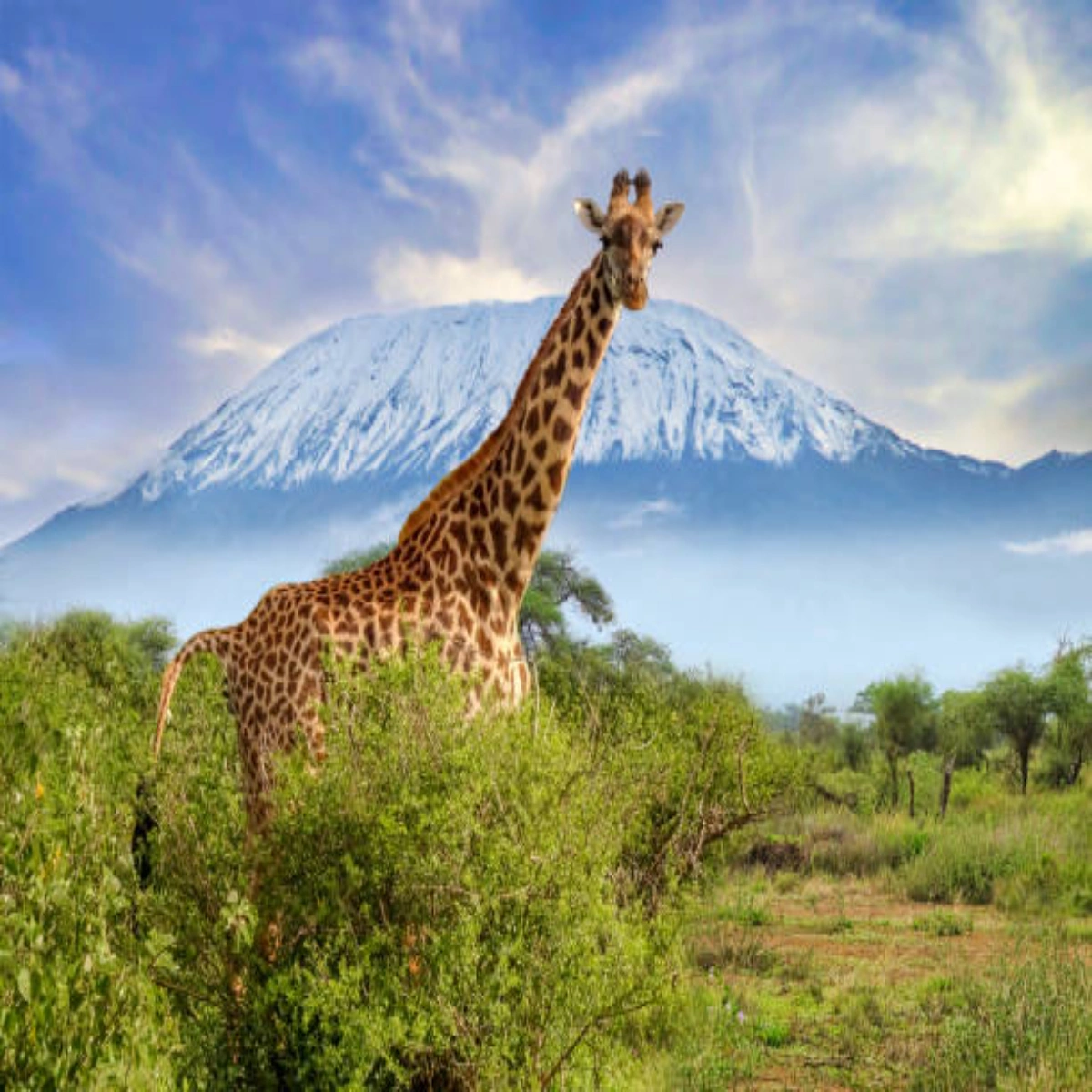
Poacher's Lookout offers a strategic elevation point. Historically used to spot illegal hunting activity, it now provides a 360-degree vantage point over the plains towards Mount Kilimanjaro. This ability to exit the vehicle and climb provides a tactile connection to the volcanic geography.
Cave Exploration
The park contains a complex system of lava tube caves. The Shetani Caves allow for spelunking activities, exposing the inner geological structure of the lava flow. This activity requires caution due to the potential presence of resident fauna, such as bats or hyenas, using the cool darkness.
Rock Climbing: Permitted at Kichwa Tembo, offering technical routes for climbers.
Night Game Drives: Restricted but available within private conservancies bordering the park and specific lodges, targeting nocturnal species like the Aardwolf and Galago.
Tsavo West National Park Fees, Transport and Accommodation
A safari to the dramatic landscapes of Tsavo West requires an understanding of the logistics involved. This guide presents information on park fees, transport options from Nairobi, and advice for choosing accommodation.
1. Park Entry Fees & Associated Costs
The Kenya Wildlife Service (KWS) manages all national parks and operates a tiered pricing system. Fees are valid for a 24-hour period from the time of entry. It is important to check the official KWS website for the most current rates before you travel, as these can change.
The pricing structure is categorised as follows:
Non-Resident Adults/Children: This is the standard tourist rate, typically priced in USD.
East African Resident Adults/Children: This category is for residents of Kenya, Uganda, Tanzania, Rwanda, Burundi, and South Sudan. Proof of residency (e.g., a valid work permit or alien card) is required.
Kenyan Citizen Adults/Children: The most affordable tier, for Kenyan nationals with a valid National ID or passport.
Key Cost Considerations:
Payment Method: Park entry is cashless. Payment must be made via M-Pesa, Visa, or MasterCard at the gate.
Vehicle Entry Fees: A separate daily fee is charged for your safari vehicle. The cost depends on the vehicle's seating capacity (e.g., less than 6 seats, 6-12 seats, etc.). This fee is standard regardless of visitor residency status.
Activity Fees: Special activities like night game drives, guided walks, or rock climbing may incur additional fees payable to KWS or your lodge.
Visitors should keep their ticket or proof of payment handy. Park staff may check it upon exiting or at various points within the park.
2. Transport to Tsavo West
Tsavo West is one of Kenya's most accessible major parks, located roughly halfway between Nairobi and the coastal city of Mombasa.
By Road
The most common method of travel is by road via a 4x4 safari vehicle.
Route: The primary route from Nairobi is the A109 Highway (Nairobi-Mombasa Road).
Distance & Time: The journey to the nearest gate, Mtito Andei Gate, is approximately 240 kilometres from Nairobi and takes around 4-5 hours, depending heavily on traffic conditions when leaving the city.
Main Gates: Besides Mtito Andei, other key access points include the Chyulu Gate (from Amboseli) and the Man Eaters Gate.
By Rail (SGR Train)
The Madaraka Express (SGR) offers a comfortable and scenic journey. It is an excellent modern option.
Route: Take the train from the Nairobi Terminus towards Mombasa.
Station: Alight at the Mtito Andei station, which is located just a few minutes from the main park gate.
Logistics: You must pre-arrange for your safari guide or lodge vehicle to collect you from the station. It is not possible to hire a safari vehicle upon arrival at the train station.
By Air
Flying is the quickest option, offering spectacular aerial views of the landscape.
Departure Airport: Flights typically depart from Wilson Airport (WIL) in Nairobi.
Airlines: Scheduled and charter flights are operated by reputable local airlines such as Safarilink and AirKenya.
Airstrips in Tsavo West: The park is served by several airstrips, including Kilaguni Airstrip, Finch Hattons Airstrip, and Ziwani Airstrip. Ensure you book a flight to the airstrip closest to your chosen lodge.
3. Accommodation Options at the Park
Choosing where to stay significantly impacts your safari experience. The primary decision is whether to stay inside the park's boundaries or just outside the gates.
1. Staying Inside the Park Gates
This offers the most immersive safari experience, placing you directly within the wildlife habitat.
Pros: Immediate access to game drives (especially for sunrise and sunset), no daily travel time to and from the park, and the unique atmosphere of being in the wild at night.
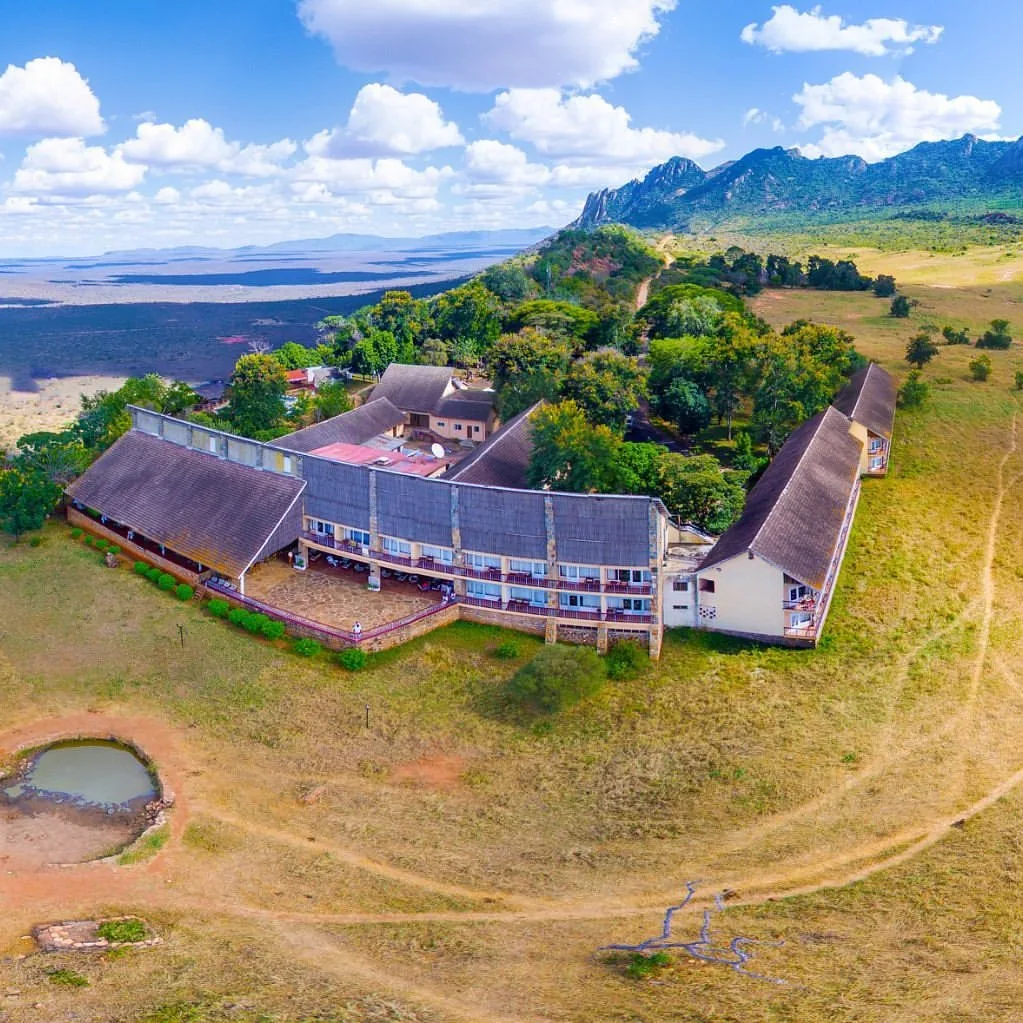
Luxury Lodges: Historic and high-end options built in prime locations, often overlooking waterholes. Examples include Kilaguni Serena Safari Lodge and the opulent Finch Hattons Tented Camp.
Tented Camps: Tented camps offer a blend of comfort and an authentic bush experience. These camps provide a closer-to-nature feel. Notable options include Severin Safari Camp and Voyager Ziwani Camp.
KWS Self-Catering & Campsites: For the budget-conscious and adventurous, KWS offers "bandas" (basic cottages) and public or special (private) campsites. These require you to bring your own food and camping gear.
2. Staying Outside the Park Gates
This option can be more budget-friendly and provides greater flexibility and interaction with local communities.
Pros: Often more affordable, provides a chance to experience local life in towns like Mtito Andei, and may offer different amenities not found inside the park.
Lodges & Camps on Park Borders: Several properties are situated on the periphery. They offer easy access and can be more economical. They often sit on private conservancies, which can offer activities like walking safaris.
Budget Guesthouses: In nearby service towns like Mtito Andei, you can find basic guesthouses. This choice is practical for budget travellers who are self-driving. It requires daily entry and exit from the park.
For optimal travel to Tsavo West National Park, plan your visit during the distinct dry seasons. The primary dry period spans from June to October, offering cooler temperatures, reduced vegetation for easier wildlife spotting, and generally clearer skies.