A lot of travellers ask, 'Is Kenya safe for women?' The short answer is yes: Kenya is largely safe for solo female travellers who use specific safety measures. Key precautions include using vetted ride-hailing apps in Nairobi, managing interactions on coastal beaches, and booking with operators who employ KPSGA-certified safari guides.

This guide provides current safety information to correct misconceptions about travel in Kenya. The professional vetting used by reputable safari services provides a secure framework for an independent journey.
Current Safety Ratings for Kenya Solo Female Travel
The UK Foreign, Commonwealth & Development Office (FCDO) does not issue a blanket warning against travel to Kenya's main tourist areas. FCDO advisories typically apply to non-tourist regions, such as the borders with Somalia and South Sudan.
Kenya's primary tourist circuits remain secure for travel. These areas include the Maasai Mara, Amboseli safari tours, Laikipia, and coastal destinations like Diani and Mombasa.
A solo female traveller on a planned itinerary experiences high security within Kenya's tourism infrastructure. Booking with a reputable tour operator who manages all logistics significantly lowers personal risk.
These operators adhere to strict safety protocols, which insulates travellers from the broader security concerns noted in national-level FCDO advisories.
Specific Safety Measures for Solo Travellers Asking If Nairobi Is Safe For Women
Transport Safety in Nairobi
A solo female traveller in Nairobi must use vetted ride-hailing apps like Uber or Bolt for all movement after dark. You should never hail street taxis or walk alone at night in the city.
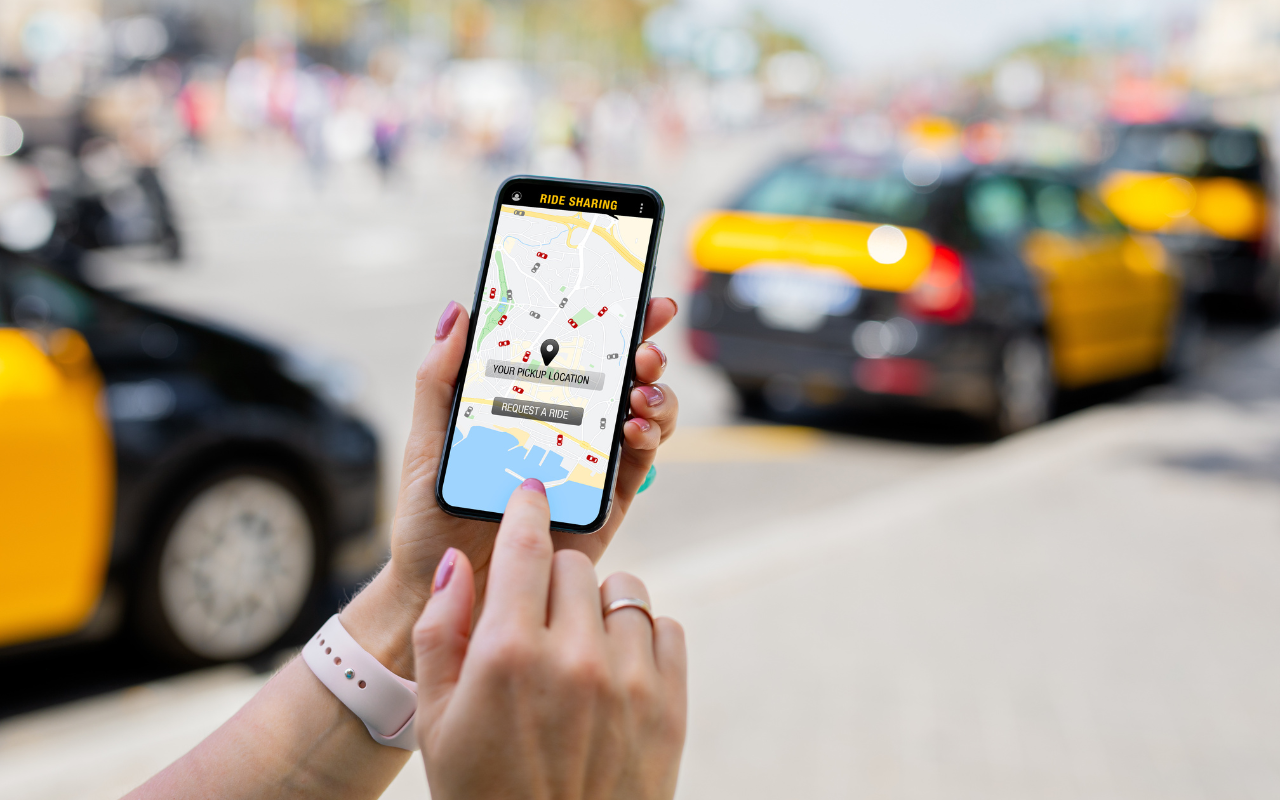
Daytime walking is generally safe during Nairobi solo female travel in busy commercial areas, including the Central Business District, Karen, and Westlands. Maintain situational awareness by keeping valuables out of sight and carrying a bag that zips securely.
Is Kenya safe? Personal Security and Accommodation
Select accommodation in Nairobi with 24-hour security, a reception desk, and positive reviews from other solo female travellers. Key features to check for include well-lit corridors and secure room locks.
Your hotel reception can book a trusted taxi service for daytime travel as an alternative to ride-hailing apps. This service provides an additional layer of vetted transport.
How to Handle Unwanted Attention on Kenya's Beaches (Diani, Mombasa)
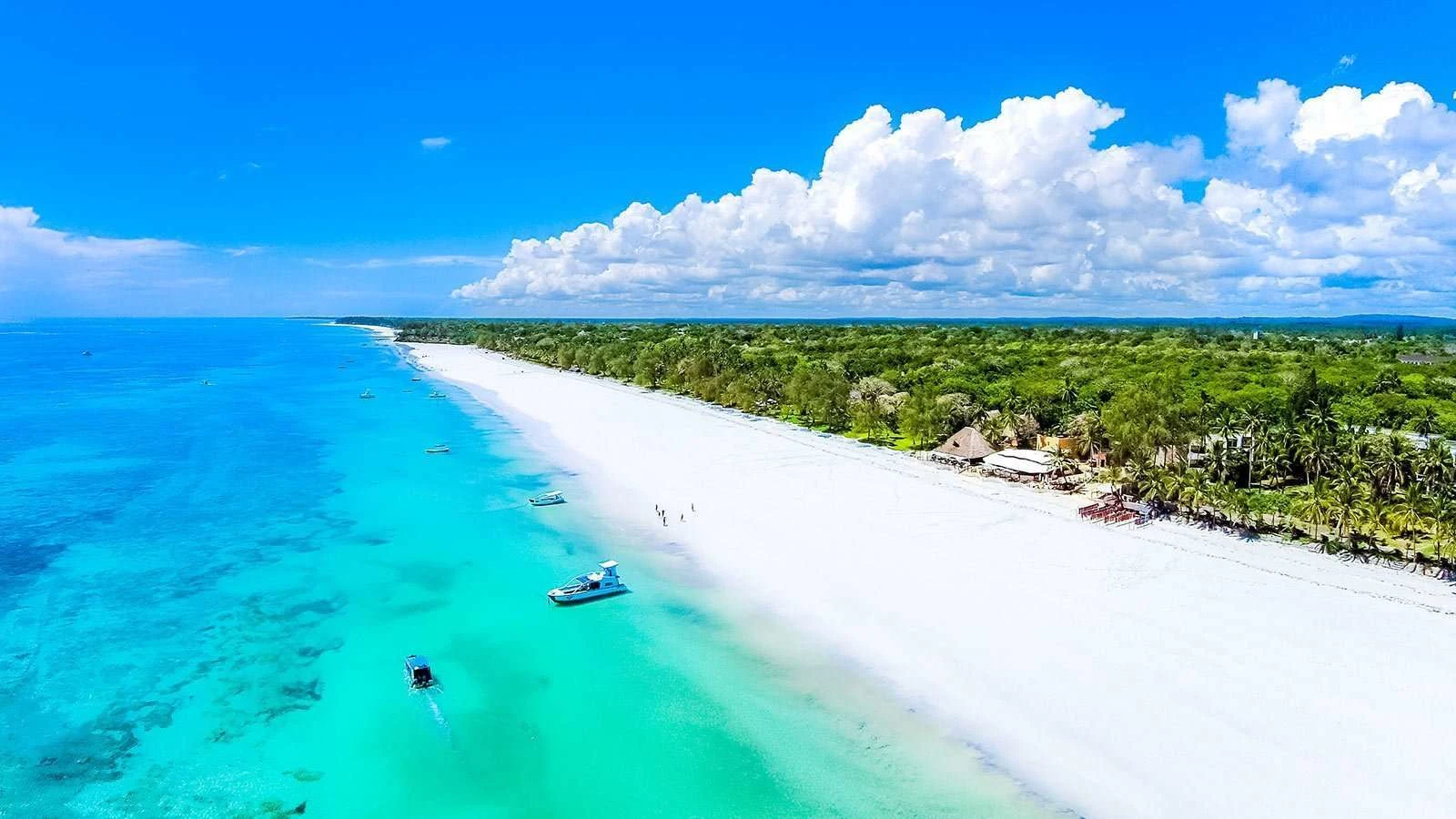
Solo female travellers on Kenyan beaches like Diani beach will likely be approached by 'Beach Boys' selling goods and services. The most effective way to handle this attention is to be firm, polite, and brief.
A clear "No, thank you" or the Swahili "Asante, hapana" is sufficient to decline an offer. You should avoid long conversations, which can signal unintended interest.
A persistent individual should be handled by walking away towards a populated area or your hotel without argument. Wearing sunglasses is a practical tactic to avoid making direct eye contact.
You must report any incidents of harassment to your hotel's security or management staff. Hotel staff are equipped to manage these situations and can provide immediate assistance.
KPSGA's Role in Ensuring Safari Guide Safety and Professionalism
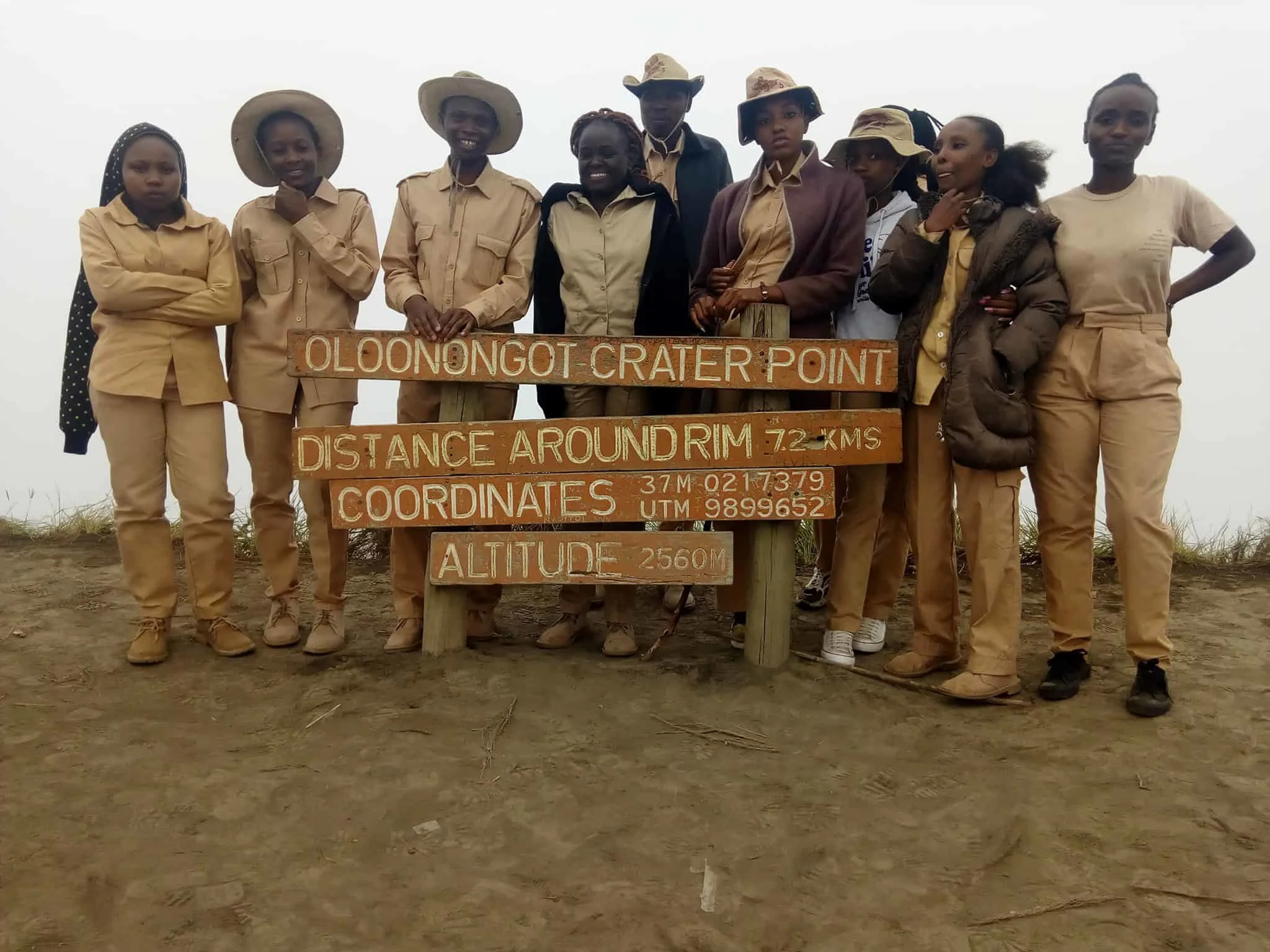
The Kenya Professional Safari Guides Association (KPSGA) provides a benchmark for guide professionalism and safety. KPSGA certification is the gold standard for safari guides in Kenya.
The association enforces a strict Code of Conduct covering client safety, ethics, and professional integrity. KPSGA guides are therefore vetted professionals accountable for your well-being throughout a safari.
KPSGA guides receive training in first aid, vehicle mechanics, and emergency response protocols. This certification confirms a high standard of service and accountability.
Tour operators registered with the Kenya Association of Tour Operators (KATO) almost exclusively employ KPSGA-certified guides. Booking with a KATO member adds a verified layer of safety to your safari plans.
Pre-Trip Planning for a Safe Solo Safari in Kenya
Selecting a reputable tour operator is the most important step in planning a safe solo trip to Kenya. Prioritise companies that are members of the Kenya Association of Tour Operators (KATO).
KATO membership signifies that an operator is bonded and follows industry standards. You should also read recent reviews from other solo female travellers to assess their experiences with the operator's guides.
Your pre-trip planning should include vetting all accommodation for security features and safety-related reviews. Your travel insurance must include emergency medical evacuation, which is necessary for remote safari locations.
Purchase a local Safaricom SIM card upon arrival at the airport for reliable data and calls. This connectivity allows you to use maps, ride-hailing apps, and maintain contact with support networks.

You must save the contact numbers for your tour operator, hotels, and the British High Commission in Nairobi before starting your journey. This preparation ensures you have immediate access to support.
Emergency Contacts and Support for Solo Women in Kenya
You should save these emergency numbers in your phone and also keep a separate written copy. This ensures access even if your device is lost or unusable.
- General Emergency (Police, Fire, Ambulance): 999
- Tourist Police Unit: +254 20 2724154
- AMREF Flying Doctors (Air Ambulance): +254 20 6992299
The British High Commission in Nairobi is your primary consular resource as a UK citizen. The High Commission can provide assistance in serious situations, such as a lost passport or if you are a victim of crime.
- British High Commission, Nairobi: +254 20 2873000
- Consular Emergency Services (24/7 in London): +44 20 7008 5000
You should familiarise yourself with the emergency procedures at each hotel or lodge upon arrival. A check-in plan with a contact at home provides an additional layer of remote monitoring.
How Female-Run Initiatives Enhance Safety for Solo Travellers in Kenya
Female-run guesthouses, tour companies, and cultural experiences in Kenya can provide a heightened sense of security for solo women. These businesses create a supportive environment based on shared understanding.
Supporting female-led initiatives offers cultural immersion and directly benefits local women entrepreneurs. You can find these businesses through responsible tourism blogs or by asking your tour operator about their local partners.
You must vet any female-run initiative by cross-referencing recent reviews and feedback from other travellers. This due diligence ensures the quality and safety of the experience.
Key Safety Facts for Solo Women in Kenya
| Safety Concern | Primary Precaution | Key Contact / Service |
|---|---|---|
| Nairobi Night Transport | Use ride-hailing apps only | Uber / Bolt |
| Safari Guide Vetting | Book with KATO-registered operators | Kenya Professional Safari Guides Association (KPSGA) |
| Medical Emergency | Secure insurance with evacuation cover | AMREF Flying Doctors: +254 20 6992299 |
| Consular Support | Save High Commission contact details | British High Commission, Nairobi: +254 20 2873000 |
Your Solo Female Traveller's Checklist for Kenya
This checklist summarises the key safety actions to take before and during your solo trip to Kenya.
- Secure Your Documents: Keep digital and physical copies of your passport, visa, and insurance policy separate from the originals.
- Share Your Itinerary: Email your full itinerary, including flight details and accommodation contacts, to a trusted person at home.
- Save Emergency Contacts: Store local emergency numbers and the British High Commission's contact information in your phone.
- Prepare Your Finances: Inform your bank of your travel dates and consider using the M-Pesa mobile money service for secure, cashless payments.
- Review Health Precautions: Consult your GP about vaccinations and anti-malarial medication, and pack a personal first-aid kit.
Why Travel Insurance Is Mandatory for a Solo Kenya Safari
Travel insurance is a mandatory requirement for a solo trip to Kenya. Your policy must specifically cover safari activities and include emergency medical evacuation coverage.
Emergency medical evacuation covers the high cost of an airlift from a remote location, such as the Maasai Mara, to a hospital in Nairobi. This cover is a primary safety provision for any safari.
Your travel insurance policy should include high levels of medical cover, cancellation protection, and protection for personal belongings. Check that specific activities like hot-air ballooning are not excluded from your cover.
You must declare all pre-existing medical conditions to the insurer to maintain the policy's validity. Insurance should be treated as a fixed cost within your travel budget and safety plan.