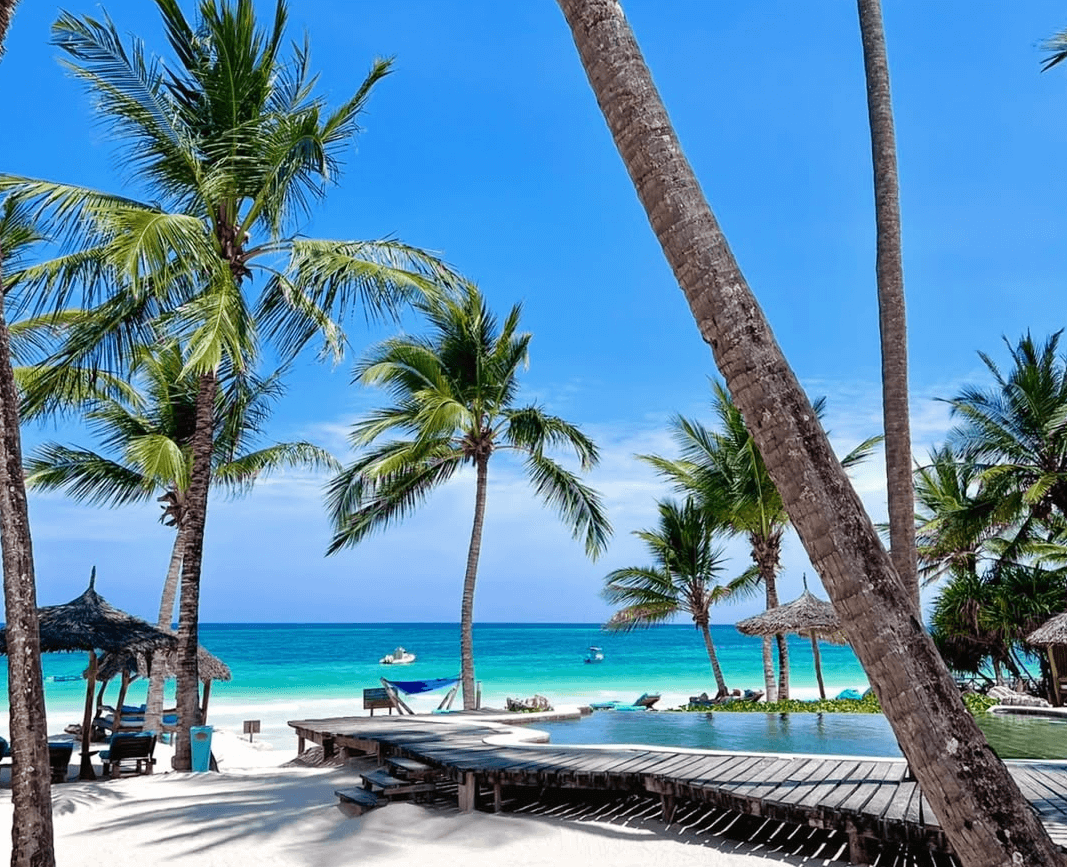
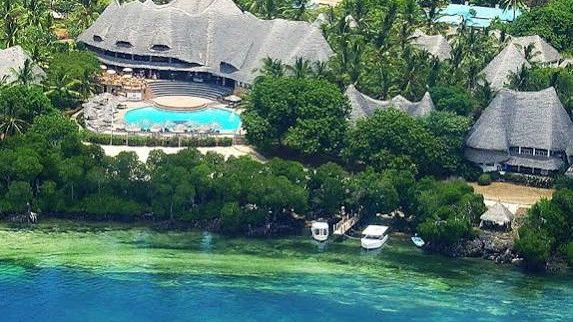
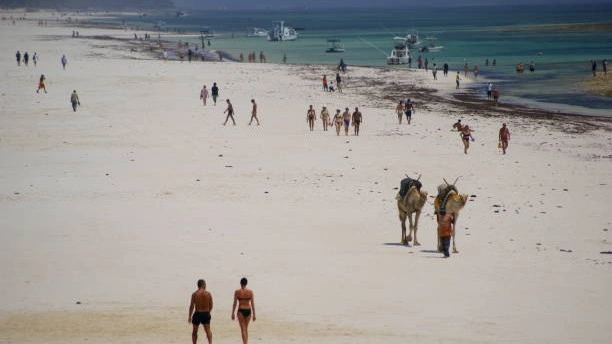
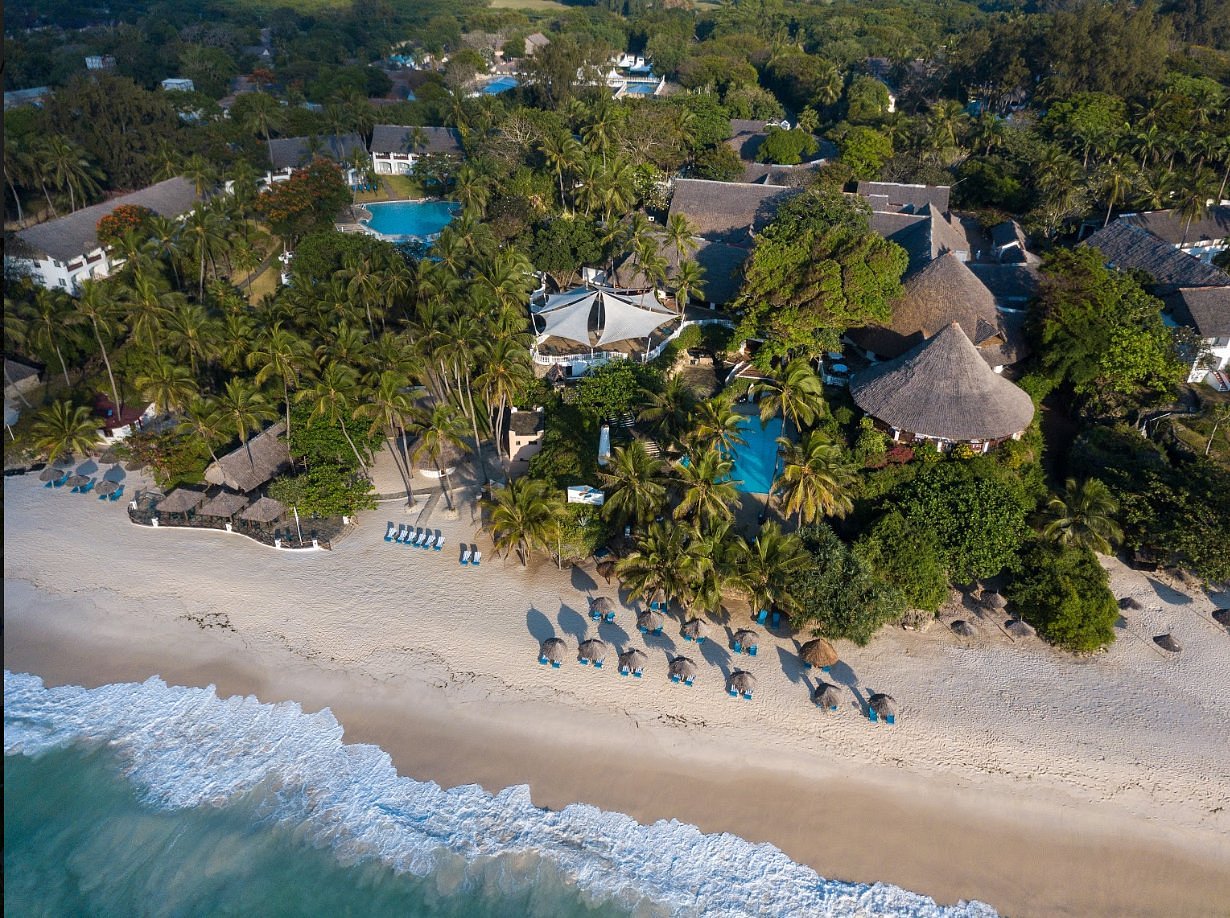
Diani Beach Kenya is a major beach on the Indian Ocean coast in Kwale County, Kenya. The beach features a 17-kilometre stretch of white sand, turquoise waters, and coral reefs.
Visitors can enjoy kitesurfing, snorkelling at the nearby Kisite-Mpunguti Marine National Park, and observe colobus monkeys in the coastal forests. Diani Beach is a coastal resort town located approximately 30 kilometres south of Mombasa.
Overview
Name
Diani Beach
Type
Beach
Town
Ukunda
County
Kwale
Country
Kenya
Key Facts about Diani Beach Kenya
Attribute Category
Specific Detail
Location Coordinates
Approximately 4°19′S 39°34′E (-4.32, 39.58)
Governance/Management
Kwale County Government
Total Area
Approximately 17 kilometres (10.5 miles) of coastline
Entry Fees
Free (public access); specific resorts may have private access areas
Primary Attraction
White sandy beaches, water sports (kitesurfing, diving), coral reefs, and marine life
Best Time to Visit
June to September (cool and dry) and December to March (hot and dry)
Diani Beach supports both active sports and marine exploration, largely due to its trade winds and reef structures. Diani’s geography separates the lagoon and the deep sea, unlike the northern Kenyan coast. This facilitates specific activities.
Kitesurfing dominates the Galu Kinondo section of the beach. The Kaskazi (North-Easterly) and Kusi (South-Easterly) trade winds provide consistent conditions from December to March and June to September, respectively. Schools such as H2O Extreme utilise the shallow lagoon waters for instructional courses.
For aerial perspectives, Skydive Diani remains the sole operator offering tandem jumps in the region. The drop zone lands directly on the beach, a logistical rarity compared to inland drop zones. The aircraft typically ascends to 12,000 feet, offering visibility of the Shimba Hills and the Indian Ocean reef line.
Deep Sea Fishing
Most travel guides overlook the specific bathymetry required for billfish. The Pemba Channel, accessible from Diani, drops to depths exceeding 800 metres close to shore. This trench acts as a migration corridor for pelagic species.
Prime Season: Tag and release operations for Marlin peak between December and March.
Diving and Snorkeling Sites
The reef architecture off Diani is categorised into the inner fringing reef and the outer barrier reef. Diving operations are predominantly PADI-certified, with sites varying from shallow coral gardens to deep wreck dives.
Kisite-Mpunguti Marine National Park offers the highest biodiversity in the region. Located south of Diani near Shimoni, this protected area prohibits fishing, resulting in higher fish biomass density compared to unprotected reserves.
Advanced divers frequently target the MV Dania wreck. Scuttled in 2002 to create an artificial reef, this former buoy tender rests at a depth of 30 metres. It now hosts established colonies of soft corals and schooling snappers.
Key Marine Species
Reef Residents: Napoleon Wrasse (Cheilinus undulatus), Blotched Fantail Ray.
Migratory Visitors: Whale Shark (Rhincodon typus) – sightings peak significantly in February and March.
Macro Life: Nudibranchs (specifically Chromodoris species) found on the Galu reef.
Wildlife Encounters Near Diani
The Masai Mara draws safari traffic, but Diani provides immediate access to the Shimba Hills National Reserve. This coastal rainforest ecosystem is distinct from the savannah plains and lies approximately 30 kilometres inland.
The reserve is important for the survival of the Sable Antelope (Hippotragus niger). Shimba Hills hosts the last breeding population of this species in Kenya. The dense vegetation also supports a high density of African Elephants (Loxodonta africana), often resulting in conflict mitigation fencing around the park perimeter.
Within Diani proper, the Colobus Conservation focuses on the preservation of the Angolan Colobus (Colobus angolensis palliatus). Unlike the widespread Vervet Monkey or Yellow Baboon, the Angolan Colobus is an arboreal specialist threatened by habitat fragmentation and road traffic along Diani Beach Road.
Notable Wildlife Sites
Sheldrick Falls: A 21-metre waterfall located within Shimba Hills, requiring a hike through the forest canopy.
Mwaluganje Elephant Sanctuary: A community-conservancy corridor connecting Shimba Hills to Tsavo East, facilitating elephant migration.
Restaurants and Nightlife at Diani
Dining in Diani extends beyond standard hotel buffets to independent establishments using local geology and sourcing. Ali Barbour’s Cave Restaurant is the most geographically unique establishment. The structure is a natural coral limestone cave, estimated to be between 120,000 and 180,000 years old. The dining area is open-air due to the natural collapse of the cave roof.
For social nightlife, Forty Thieves Beach Bar acts as a central meeting point. It operates directly on the high-tide mark, hosts live music, and is a primary gathering place for expatriates and tourists.
Culinary Focus
Sails Beach Bar & Restaurant: Specialises in Kilifi Oysters and Red Snapper sourced from local fishermen.
Leonardo’s: Known for integrating Italian culinary techniques with local seafood availability.
Local Delicacy:Madafu (fresh coconut water) sold by street vendors, and Samaki wa Kupaka (grilled fish with tamarind and coconut sauce).
Cultural Experiences in Diani
Cultural experiences in Diani centre on the Mijikenda people, specifically the Digo sub-tribe. The Kaya Kinondo Sacred Forest is the most significant site for cultural heritage. This area is a UNESCO World Heritage site and represents the remnants of the coastal dry forests.
The Kayas were originally fortified villages (known as Maunguja) established in the 16th century. Today, they serve purely spiritual and ritualistic functions led by a Council of Elders. Access to Kaya Kinondo is strictly regulated; visitors must be accompanied by a local guide and adhere to specific dress codes, often requiring the wearing of a traditional black sarong (Kaniki) to show respect to the spirits (Koma).
Cultural Artifacts and Practices
Vigango: These carved wooden memorial posts are significant to Mijikenda ancestry, though less common in Digo areas than Giriama.
Traditional Medicine: Tours often highlight endemic plant species used by the Digo for medicinal purposes, distinct from Western pharmacology.
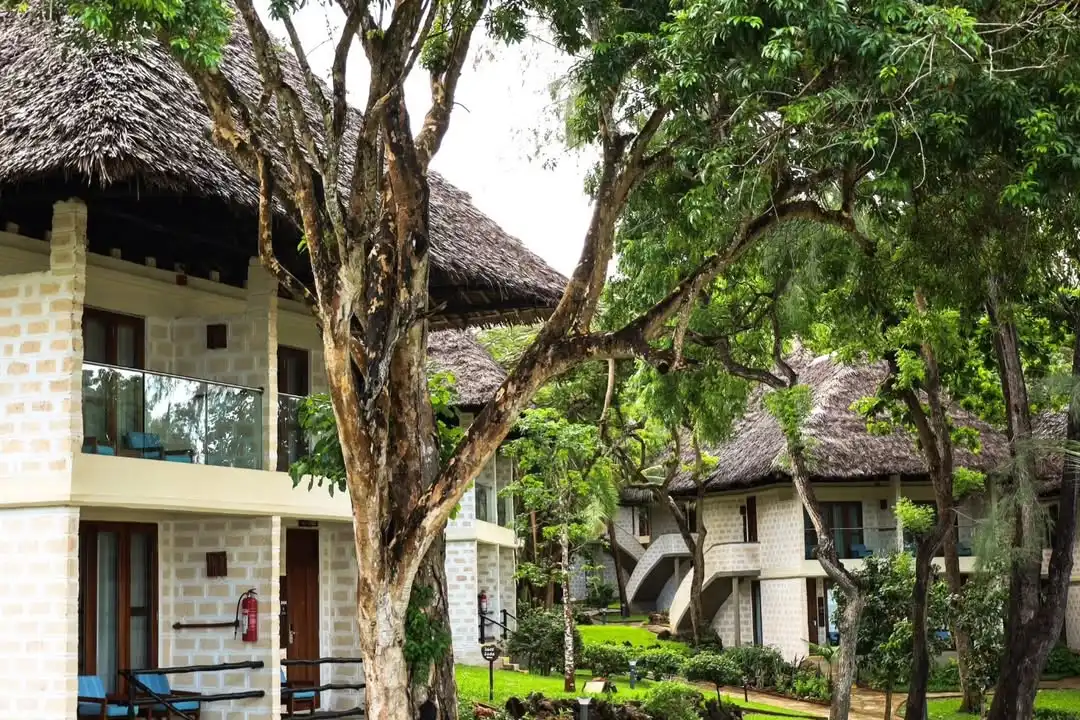
Architecture: Traditional mud and makuti (palm thatch) roofing techniques are still visible in the villages surrounding the Ukunda airstrip.
Diani Beach Costs and Entrance Fees
The main Diani beach is public and free to access. There are no gate fees to simply enjoy the sun, sand, and surf. However, costs will arise from activities, transport, and entry into nearby conservation areas. The following outlines potential expenses.
Diani-Chale Marine National Park & Reserve Fees
For visitors wishing to explore the protected coral reefs through snorkelling or diving, entry into the Diani-Chale Marine National Park is mandatory. These fees are managed by the Kenya Wildlife Service (KWS) and are important for conservation efforts. The pricing is structured as follows:
Non-Resident Adult: Typically around $15 - $20 USD per 24 hours.
Non-Resident Child: Typically around $10 - $15 USD per 24 hours.
East African Resident Adult: Typically around KES 300 - 400 per 24 hours.
East African Resident Child: Typically around KES 150 - 200 per 24 hours.
Kenyan Citizen Adult: Typically around KES 200 - 300 per 24 hours.
Kenyan Citizen Child: Typically around KES 100 - 150 per 24 hours.
KWS fees are subject to change. Verify the latest rates on the official KWS website before your visit. These fees are for park entry only and do not include boat hire, guide services, or equipment rental.
Other Potential Costs
Water Sports: Prices for activities like kitesurfing, jet-skiing, and glass-bottom boat tours are set by private operators along the beach.
Tuk-tuk / Boda-boda: These are the most common forms of local transport for short trips along Diani Beach Road, with fares being negotiable.
Excursions: Day trips to places like Wasini Island or the Shimba Hills National Reserve will have their own separate costs.
Getting to Diani Beach from Nairobi
Diani Beach is located approximately 485 kilometres (300 miles) south-east of Nairobi. Several travel options are available, each balancing speed, cost, and experience.
By Air: Fastest and Most Direct
This is the most efficient way to travel from the capital to the coast.
Airports: Flights depart from Nairobi's Jomo Kenyatta International Airport (JKIA) or the smaller, more central Wilson Airport (WBO).
Destination: You will fly into Ukunda Airstrip (UKA), located minutes from Diani's main hotels and resorts.
Airlines: Reputable local carriers like Safarilink, Jambojet, and other regional airlines operate multiple daily flights.
Journey Time: The flight itself takes approximately 1 hour and 5 minutes.
By Train and Road: Scenic and Modern
Combining the modern SGR train with a final road transfer is a popular and comfortable option.
Step 1 (Train): Board the SGR (Standard Gauge Railway) Train at the Nairobi Terminus. The journey to the Mombasa Terminus (in Miritini) is a scenic and smooth ride.
Journey Time (Train): Approximately 5 to 6 hours.
Step 2 (Road): From the Mombasa SGR Terminus, you will need to take a pre-booked taxi, Uber, or a local matatu to Diani. This leg of the journey involves crossing the Likoni Ferry, which can sometimes cause delays.
Journey Time (Road): Approximately 1.5 to 2.5 hours, depending heavily on ferry traffic.
By Road: Budget and Adventure Option
For the more adventurous or budget-conscious traveller, a road trip is a viable choice.
Route: The journey is via the main A109 Highway (Nairobi-Mombasa Road). It is a long drive through diverse Kenyan landscapes.
Transport Options: You can self-drive or take one of the many long-distance bus companies that operate this route daily from Nairobi.
Journey Time: Expect a travel time of 8 to 12 hours, which can be significantly affected by traffic, especially when leaving Nairobi or approaching Mombasa.
Where to Stay in Diani
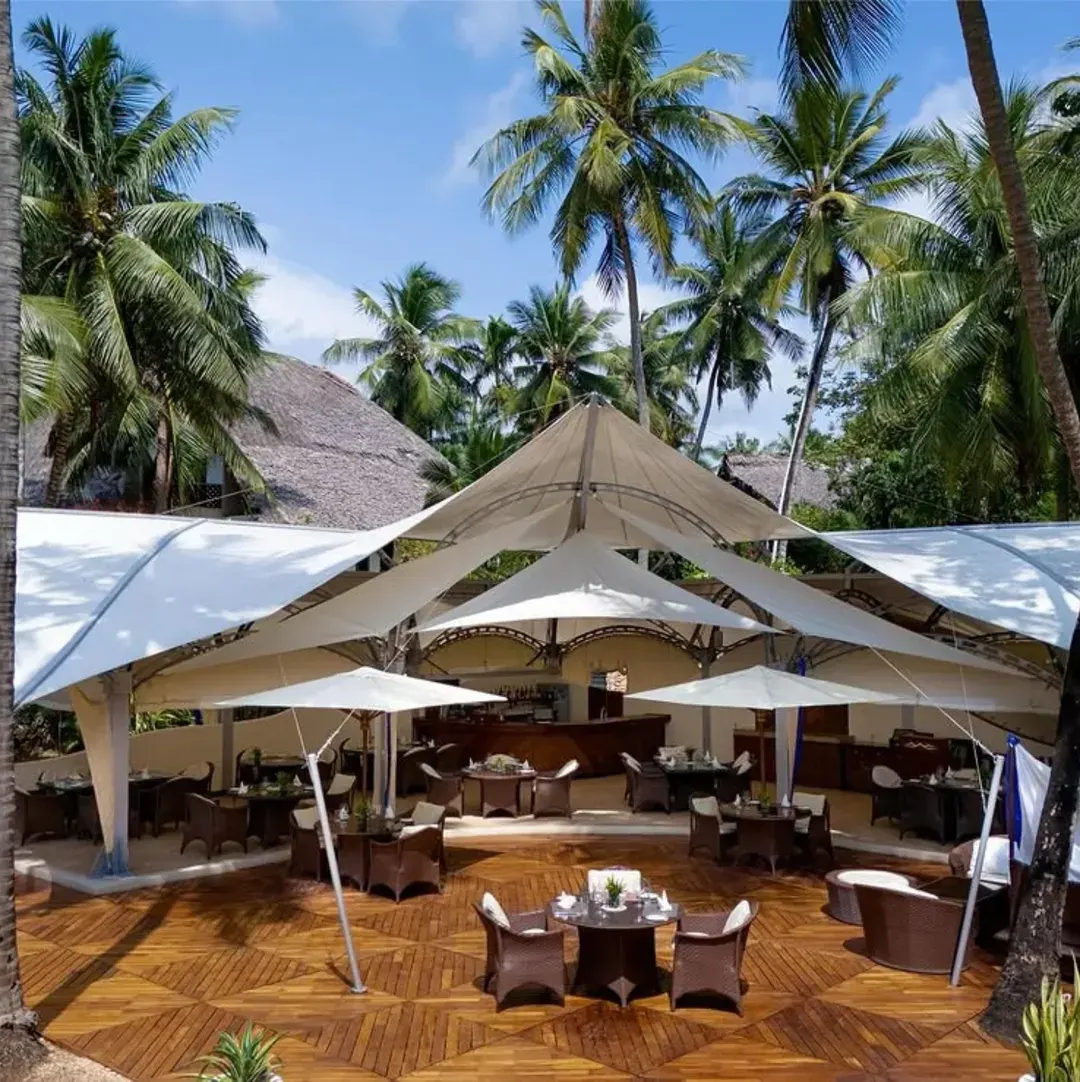
Diani offers accommodation along the main Diani Beach Road. Choices vary to suit different budgets and travel styles. Proximity to the beach and the amenities offered are key differentiators.
All-Inclusive Beachfront Resorts
These are the large, sprawling properties Diani is known for, located directly on the white sands.
What to Expect: Direct beach access, multiple swimming pools, on-site restaurants and bars, kids' clubs, and water sports centres are common. They provide a complete holiday experience.
Best For: Families, couples, and holidaymakers seeking convenience without needing to leave the property.
Boutique Hotels, Private Villas and Cottages
Often set just behind the main resorts or in quieter sections of the beach, these properties offer more intimate and personalised experiences.
What to Expect: Unique character, personalised service, and greater privacy are offered. Many villas and cottages come with private pools and self-catering facilities, providing flexibility and a comfortable stay.
Best For: Groups of friends, independent travellers, families seeking more space, and those on longer stays.
Budget Guesthouses and Backpacker Hostels
Situated further back from Diani Beach Road, these establishments provide simple, clean, and affordable lodging.
What to Expect: Basic but comfortable rooms (often with shared bathroom options), communal areas, and a sociable atmosphere. They provide excellent value for money.
Best For: Solo travellers, backpackers, and anyone on a tight budget who doesn't mind a short walk or boda-boda (motorcycle taxi) ride to the beach.
Diani Beach enjoys a tropical climate with year-round warm temperatures and high humidity. The optimal periods for beach-focused activities and clear ocean waters are the long dry seasons: January to March and June to October.