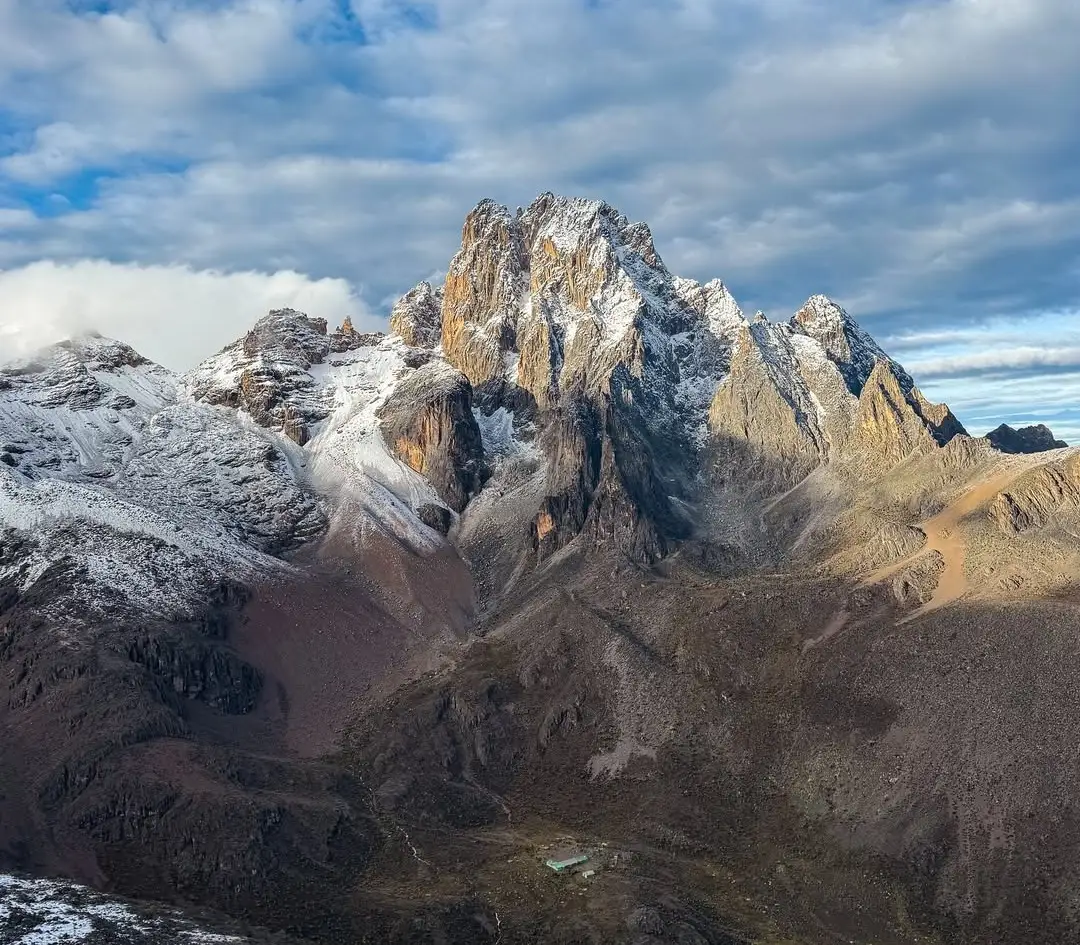
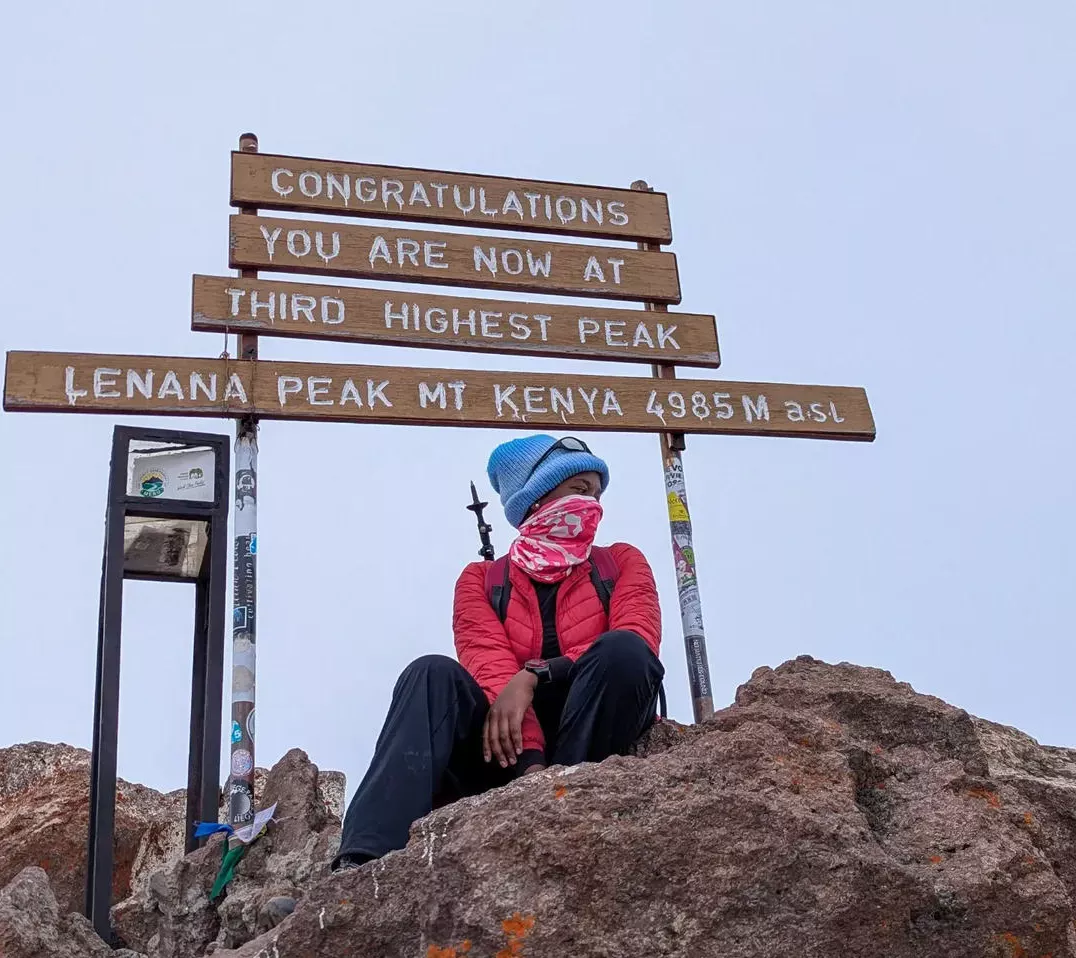
This 6-Day Mount Kenya Climbing Tour Package provides UK travellers with a fully supported ascent to Point Lenana. The expedition uses the Sirimon route for ascent and the Chogoria route for descent to create an effective acclimatisation profile. This tour structure, which starts and ends in Nairobi, offers a proven method for safely reaching the summit.
Why Mount Kenya Climbing Tours Use the Sirimon and Chogoria Routes
The route selection is the single most important factor for a successful summit on Mount Kenya. This itinerary combines the Sirimon route for ascent with the Chogoria route for descent. Mountaineers consider this combination the best for effective acclimatisation and scenic variety.
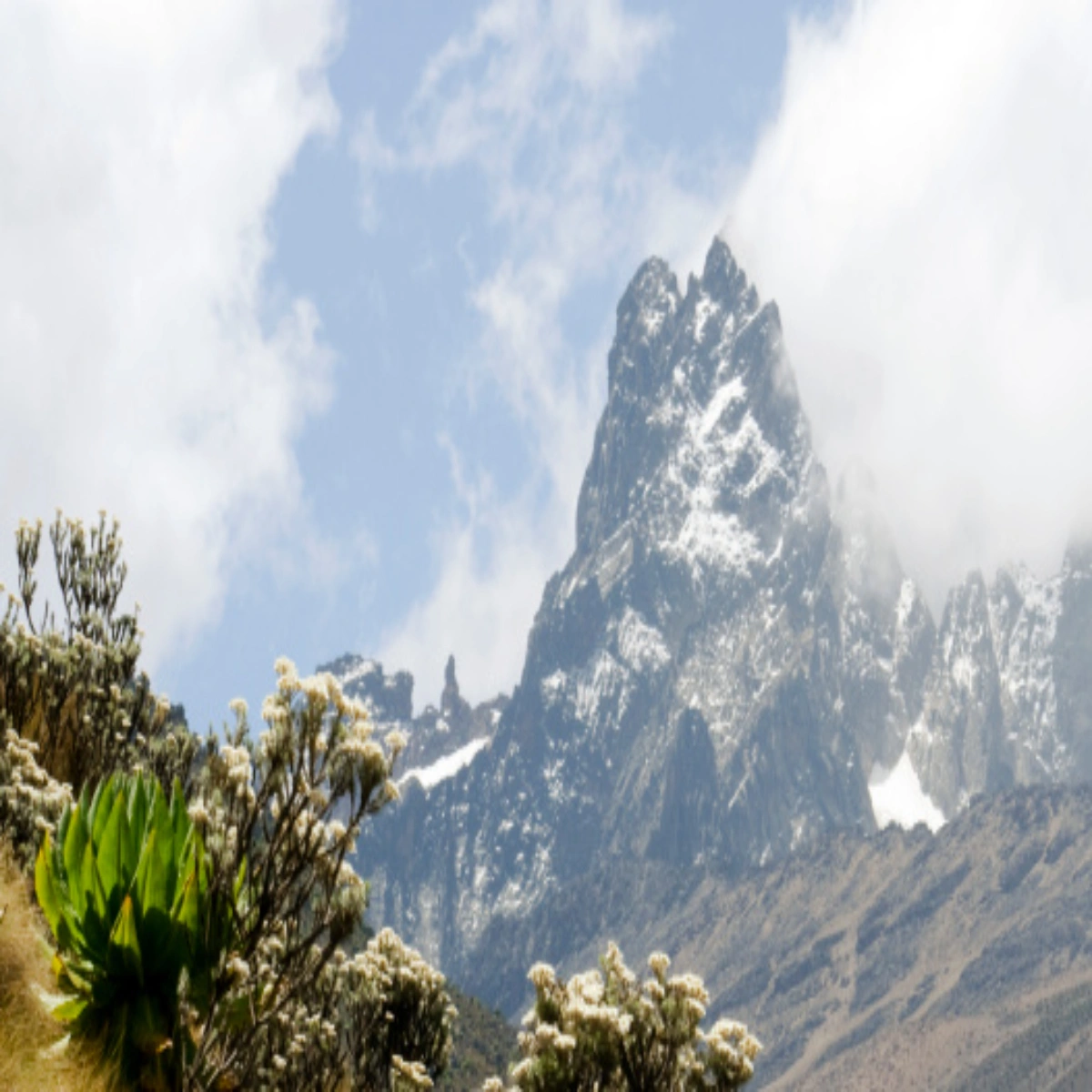
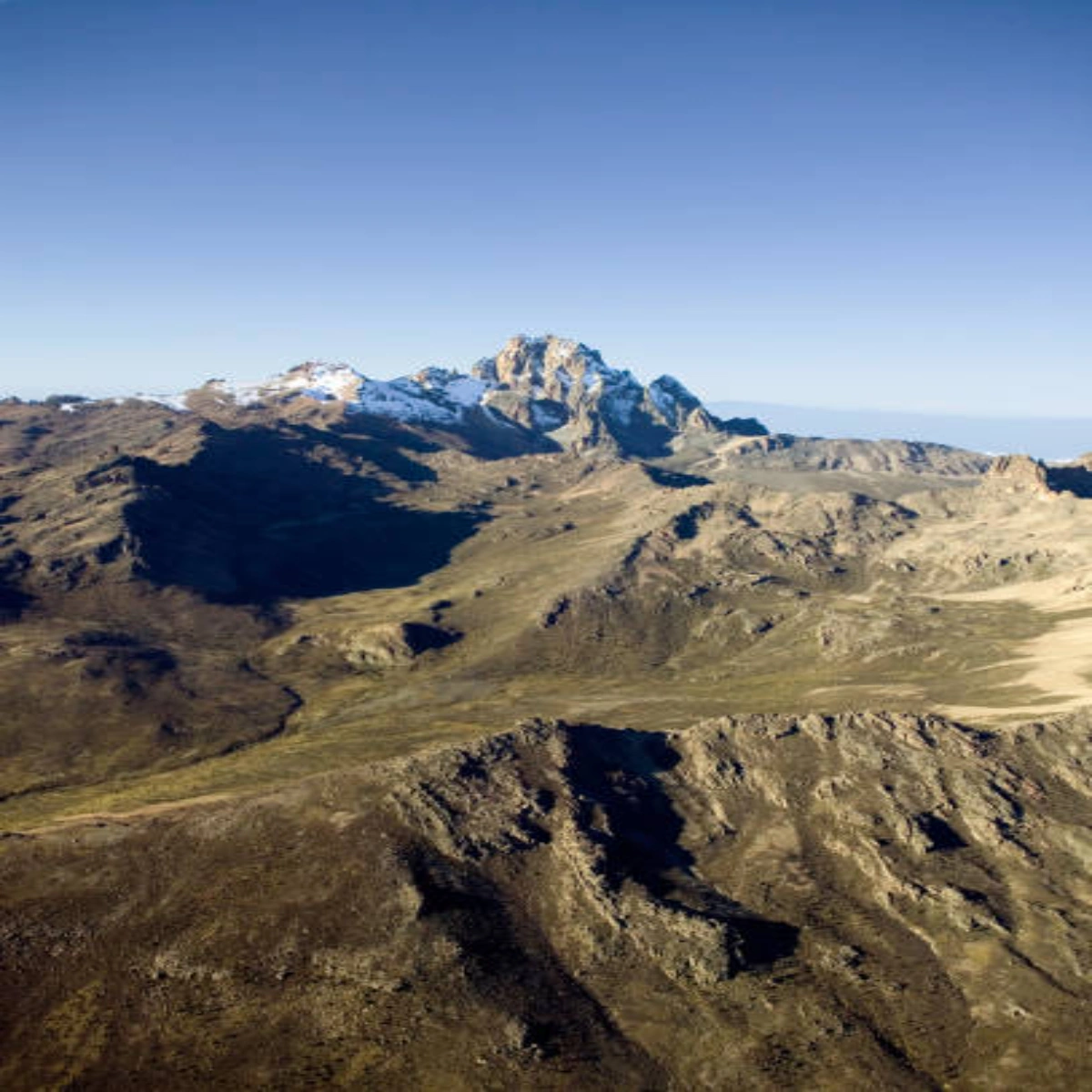
The Sirimon route approaches from the northwest and provides a gradual, steady climb. This route's slower altitude gain during the first few days allows your body necessary time to adjust, which reduces the risk of altitude sickness. The trail progresses through montane forest, heath, moorland, and finally into the alpine desert zone.
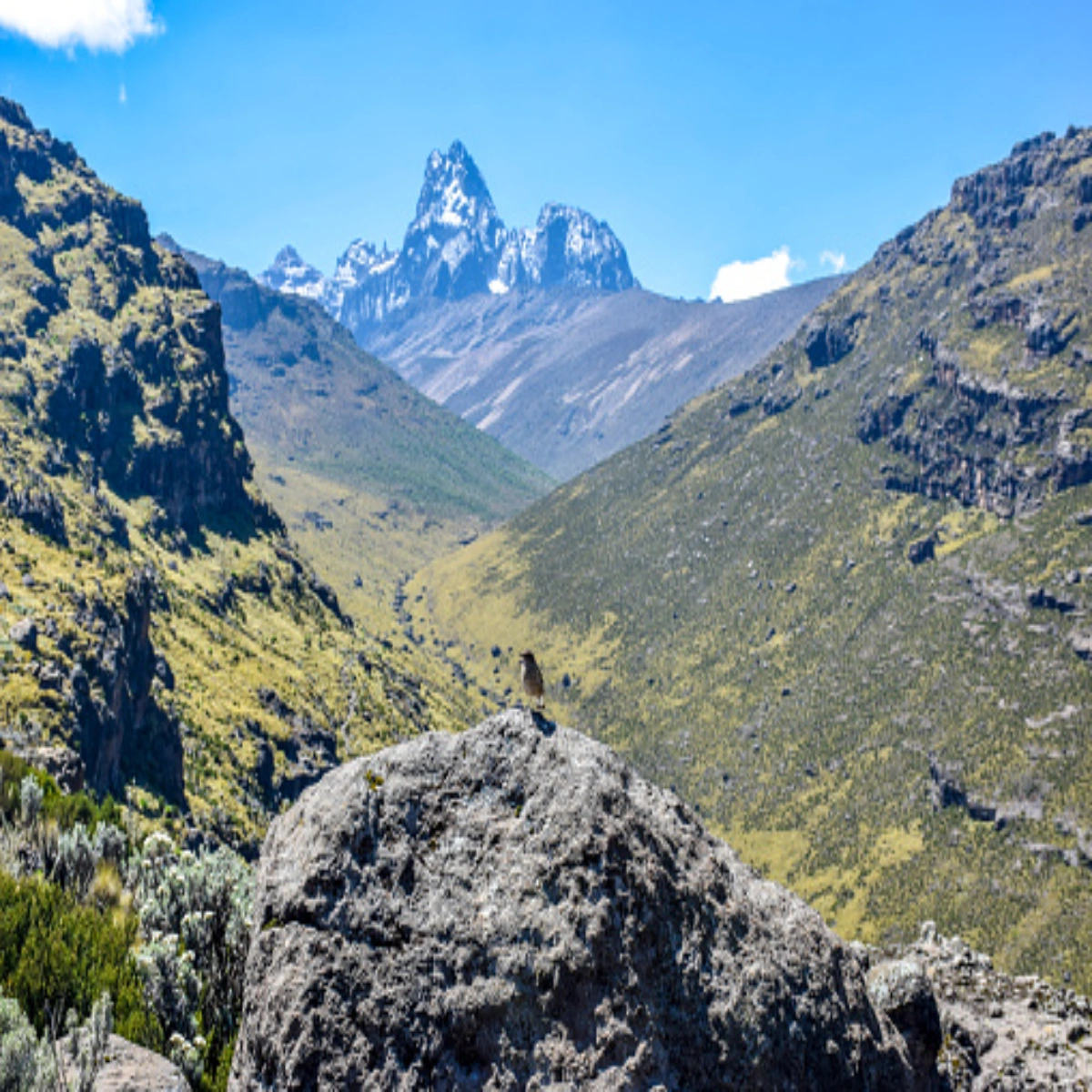
The descent on the Chogoria route passes through the Gorges Valley, alongside mountain lakes such as Lake Michaelson and Lake Ellis. The trail concludes through dense bamboo and rainforest. This route combination ensures climbers experience the mountain's full range of ecosystems while following a safe acclimatisation plan.
What Acclimatisation Strategies Are Used for Point Lenana?
Reaching an altitude of 4,985 metres requires a careful approach to acclimatisation. The itinerary uses proven strategies to help your body adapt to lower oxygen levels. The most important feature is the dedicated acclimatisation day at Shipton's Camp (Day 3), situated at 4,200 metres.
The acclimatisation day involves a short trek to a higher altitude before returning to the camp to sleep. This "climb high, sleep low" method is a cornerstone of successful altitude adaptation. The structured support system provides the best possible chance of a safe summit attempt.
Throughout the trek, professional mountain guides enforce a slow, steady pace, known as "pole pole" in Swahili. This practice prevents overexertion and allows your body to keep up with altitude changes. Your guide and support team monitor your well-being, ensuring you hydrate sufficiently and eat well, as both are fundamental to high-altitude adaptation.
How Difficult is the Mount Kenya Climb for UK Trekkers?
The trek has a 'challenging' difficulty rating due to high altitude, multi-day hiking, and steep terrain on summit day. Daily trekking lasts between 4 to 8 hours. The summit day is significantly longer, starting before dawn, and is the most demanding part of the climb.
The terrain varies from defined paths in lower forests to rocky, scree-covered slopes in the upper sections. No technical mountaineering skills are required to reach Point Lenana, but a high level of cardiovascular fitness and endurance is necessary. The final ascent requires some scrambling, which involves using your hands on rock.
Trekkers from the UK should begin preparation several months in advance. A suitable training regimen includes regular long-distance hillwalking in areas like the Peak District, Snowdonia, or the Scottish Highlands. These walks should involve sustained ascents and descents to build leg strength. This physical preparation should be supplemented with cardiovascular training like running, cycling, or swimming, 3-4 times per week.
How to Recognise and Manage Altitude Sickness
Acute Mountain Sickness (AMS) is a common concern on any high-altitude trek, and our guides are trained to recognise and manage early symptoms. You must communicate openly with your guide if you feel unwell. Early signs of AMS include:
- Headache
- Nausea or loss of appetite
- Fatigue or dizziness
- Difficulty sleeping
Mild symptoms can often be managed by slowing down, hydrating, and allowing the body to adjust. The primary rule of high-altitude trekking is to never ascend with worsening symptoms. Your guide will make the final decision on whether it is safe to continue, based on their experience. Your safety is always the first priority.
How to Arrange Flights and Visas from the UK to Kenya?
Direct flights to Nairobi's Jomo Kenyatta International Airport (NBO) operate from London Heathrow (LHR) with carriers including British Airways and Kenya Airways. The flight duration is approximately 8-9 hours. Indirect flights are also available from London Gatwick (LGW) and other UK airports with connections in Europe or the Middle East.
British citizens require a Kenya Electronic Travel Authorisation (eTA) for entry. The eTA must be applied for and approved online before you travel. We recommend applying at least two weeks before your departure date. The application requires your passport details, flight information, and accommodation details for the online submission.
What is the Essential Packing List for a Mount Kenya Expedition?
Correct packing is fundamental for a safe and comfortable climb. The weather on Mount Kenya is unpredictable, with warm days in the lower regions and sub-zero temperatures at the summit. Layering clothing is the most effective way to manage your body temperature. We provide core camping equipment, but your personal gear is your responsibility.
| Provided by Us |
Your Personal Gear |
| Mountain Tents (2-person) |
4-season sleeping bag (comfort rating -10°C) |
| Sleeping Mats |
Sturdy, waterproof hiking boots (broken-in) |
| All cooking equipment & utensils |
Waterproof jacket and trousers |
| Purified drinking water |
Multiple thermal and fleece layers |
| Emergency First Aid Kit |
Trekking poles and headtorch |
| All park and camping fees |
Hat, gloves, balaclava, and sunglasses |
| Guide, cook, and porters |
Daypack (30-40 litres) & duffel bag |
Mount Kenya or Kilimanjaro Which Trek is Better for UK Hikers?
Kilimanjaro is higher at 5,895m, but Mount Kenya's Point Lenana presents a different and more technical challenge. The trek to Point Lenana involves more scrambling and is generally considered more scenic than the main routes on Kilimanjaro. The final section requires using your hands on rock, an element of adventure not found on Kilimanjaro's standard routes.
Mount Kenya also has significantly fewer trekkers, which means you will experience a quieter, more remote wilderness setting. If your objective is the highest point in Africa, Kilimanjaro is the goal. For a more varied trek with dramatic scenery and fewer people, Mount Kenya provides a genuine high-altitude mountain experience.
When Are the Optimal Climbing Seasons for Mount Kenya?
The best times to climb Mount Kenya are during the two dry seasons: from January to February and from July to early October. These periods offer the clearest skies and the least precipitation, resulting in safer and more pleasant trekking conditions. The July to October window aligns with UK school summer holidays, making this a practical option for families with active teenagers. The January to February season offers an excellent break from the British winter.
How to Book This 6-Day Mount Kenya Expedition
You can book this Mount Kenya expedition directly through our website. We will require details for each traveller to arrange park permits and logistical support. Choosing a fully supported trek removes the organisational work, allowing you to focus on physical preparation. Our team of guides, porters, and cooks manages all on-mountain logistics, from carrying gear and setting up camp to preparing meals. [Request a quote for 6-Day Mount Kenya Climbing Tour Package]
How to Integrate Your Climb with a Wider Kenya Safari
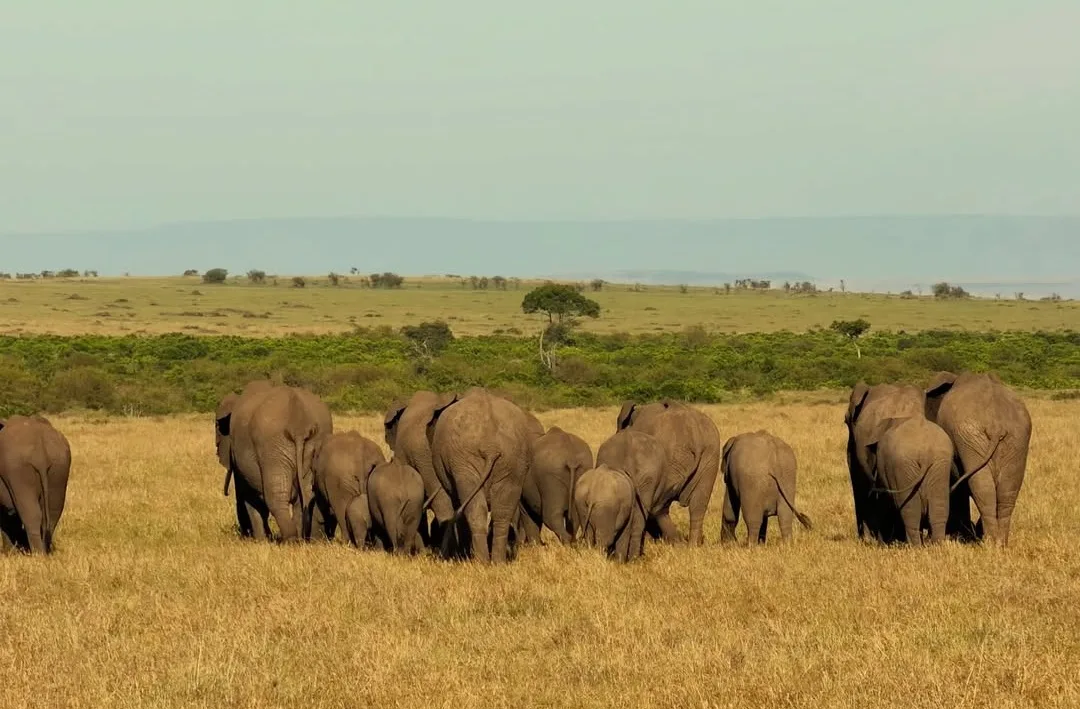
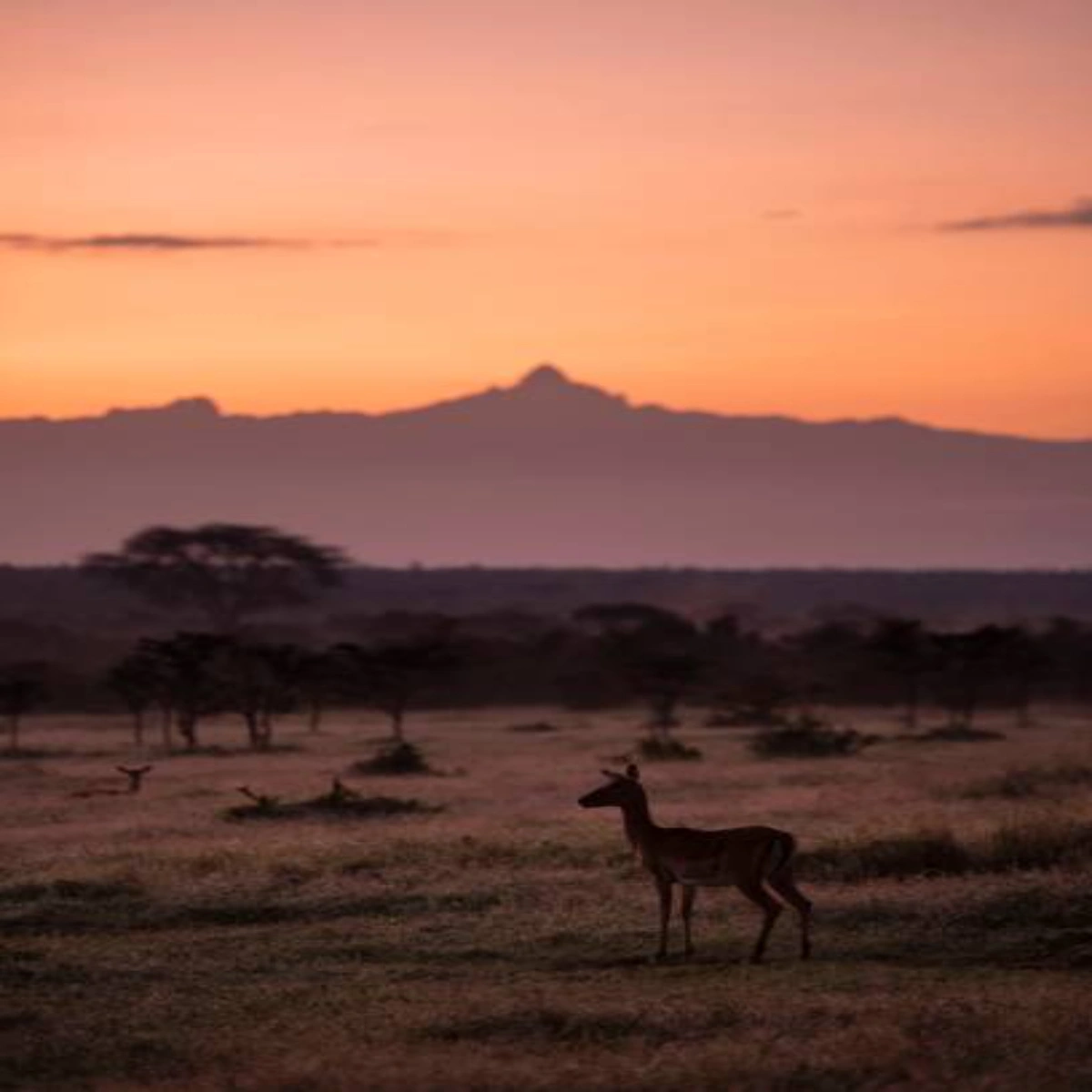
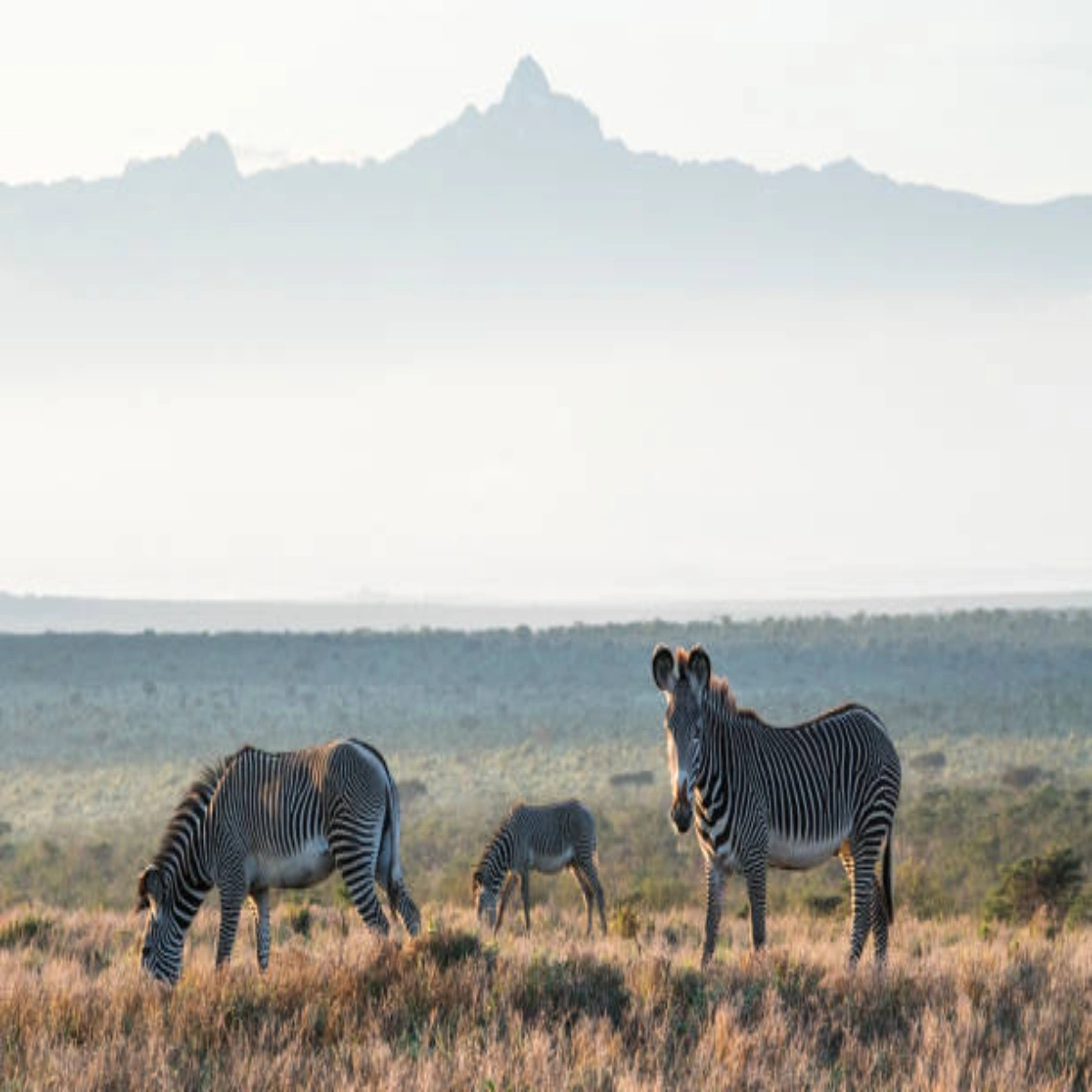
A Mount Kenya climb can be the central part of a longer Kenyan holiday. Many UK travellers combine the trek with a wildlife safari or a beach stay. The most logical sequence is to complete the climb first. After the physical exertion of the mountain, a safari in the Maasai Mara or Amboseli National Park provides an opportunity to see Kenya's wildlife from a safari vehicle.
Another popular option is to combine the mountain trek with a coastal stay. After your climb, a short flight from Nairobi can take you to the coastline around Diani Beach for rest and recovery. This combination of high-altitude trekking, wildlife viewing, and coastal relaxation creates a complete Kenyan holiday programme.
.webp)
.webp)
.webp)
.webp)
.webp)
.webp)
.webp)
.webp)

.webp)
.webp)
.webp)
.webp)