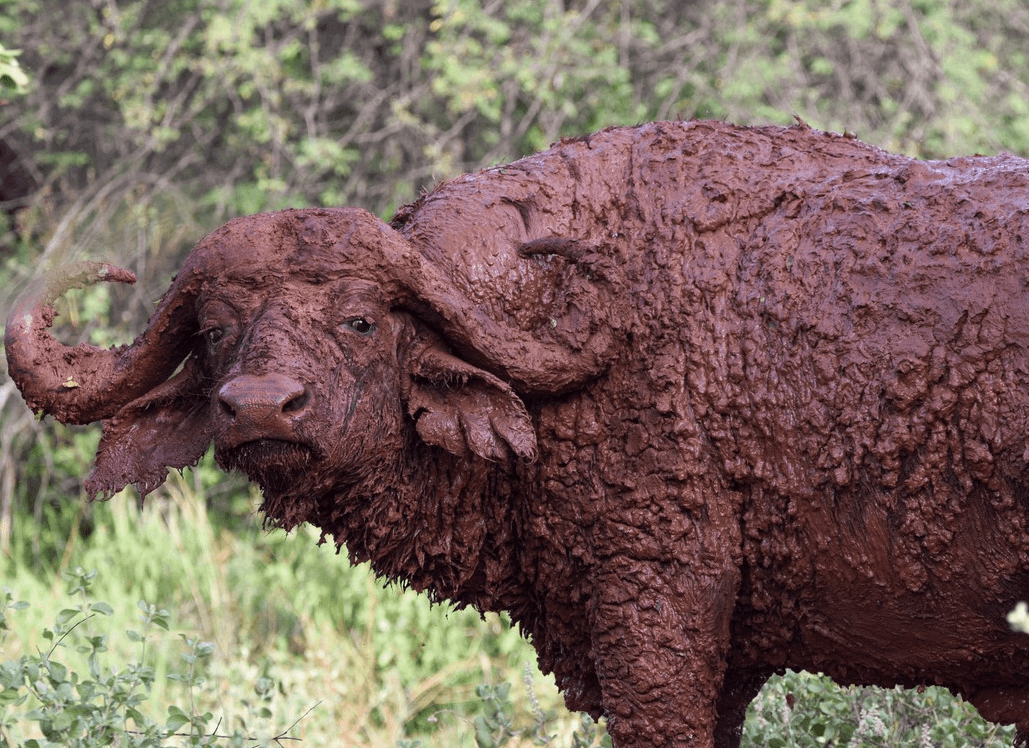
Meru National Park is a National Park located east of Meru in Meru County, Kenya. Known as the home of Elsa the Lioness, the park features lush riverine forests along its 13 rivers, including the Tana and Rojowero.
The park serves as an important sanctuary for both black and white rhinos. Situated approximately 350 kilometres from Nairobi, its relative remoteness provides visitors with an exclusive and untamed wilderness experience.
Overview
Name
Meru National Park
Type
National Park
Town
Maua
County
Meru
Country
Kenya
Key Facts and Administrative Data about Meru National Park
Attribute Category
Specific Detail
Location Coordinates
Approximately 0.0500° N, 38.2000° E
Governance/Management
Kenya Wildlife Service (KWS)
Total Area
870 square kilometres (340 sq mi)
Entry Fees
Set by KWS; rates vary for citizens, residents, and non-residents.
Primary Attraction
Unspoilt wilderness, large elephant herds, Grévy's zebra, and its status as a key rhino sanctuary. Famous as the home of Elsa the Lioness.
Best Time to Visit
During the dry seasons (June-September and January-February) for best wildlife viewing.
Wildlife and Biodiversity at Meru Park
Meru National Park has a distinct ecological profile compared to the high-density tourism circuits of the Maasai Mara. A network of 13 permanent rivers and numerous springs defines the ecosystem, creating a stark contrast between arid commiphora scrubland and lush riverine forests.
This abundance of water supports a biomass capable of sustaining diverse trophic levels without the seasonal migration dependency seen in southern Kenyan parks.
Unlike the open plains of Amboseli, Meru’s vegetation is dense, requiring higher tracking skills for game viewing. The park serves as an important biological bridge, hosting species typical of Northern Kenya alongside those found in the central highlands.
Major Wildlife Species
The mammalian population in Meru is strong, including a complete collection of the "Big Five" alongside species adapted to semi-arid environments.
The park is particularly noted for its Rhino Sanctuary, a heavily guarded exclusion zone that has successfully repopulated both black and white rhinoceros varietals after their near-extirpation in the 1980s.
Key Mammalian Entities:
Eastern Black Rhinoceros & Southern White Rhinoceros: Found primarily within the 80-square-kilometre fenced sanctuary, offering one of the highest sighting probabilities in East Africa.
Northern Special Species: The park hosts the Reticulated Giraffe (distinct from the Masai Giraffe), Grevy’s Zebra (larger and more imperilled than the Common Zebra), the Gerenuk (Waller's Gazelle), and the Lesser Kudu.
Predators: Lions are historically significant here due to the George and Joy Adamson legacy. Other carnivores include Cheetahs, African Leopards, and Spotted Hyenas.
Riverine Mammals: High concentrations of Hippopotamus and Nile Crocodiles inhabit the Tana, Rojewero, and Murera rivers.
Birdwatching Opportunities
With a checklist exceeding 400 species, Meru National Park offers ornithological diversity superior to strictly savannah-based parks.
The convergence of riverine habitats with acacia bushland allows for the presence of water-associated birds alongside arid-zone specialists. The absence of mass tourism traffic allows for undisturbed observation of shy avian species.
Notable Avian Species:
Pel’s Fishing Owl: An elusive, nocturnal species frequently sought along the wooded riverbanks of the Rojewero.
Peter’s Finfoot: Often spotted in the quiet backwaters of the Murera River.
Raptors: Palm-nut Vulture, Martial Eagle, and Bateleur are common residents.
Regional Endemics: The Hinde’s Babbler and Somali Ostrich occur in specific habitat pockets within the reserve.
Migratory Species: Palearctic migrants augment the population between November and April.
Activities and Things to Do
The visitor experience in Meru is characterised by exclusivity and wilderness immersion, contrasting with the vehicle congestion often encountered in parks closer to Nairobi. Activities focus on low-impact exploration of the diverse terrain, from the foothills of the Nyambene Range to the Adamson's Falls.
Game Drives and Safaris
Vehicle-based exploration remains the primary method for traversing the 870 square kilometres of the park. The road network connects the primary river crossings with the open plains of the Mulika area.
Unlike reserves with strict off-road prohibitions, competent guides can navigate specific tracks to access remote sectors, provided environmental protocols are maintained.
Safari Highlights:
The Rhino Sanctuary Circuit: A dedicated loop for observing heavy pachyderms under KWS ranger surveillance.
Elsa’s Grave: The burial site of the lioness documented in Born Free, located near the Ura River, serving as a historical waypoint for conservation history enthusiasts.
Adamson’s Falls: A rugged section where the Tana River forces its way through varying rock formations, offering distinct geological photography opportunities.
Mughwango Hill: Provides a vantage point for viewing the scenery, allowing visitors to see Mt. Kenya to the west on clear days.
Nature Walks and Hiking Trails
Walking safaris in Meru are strictly regulated due to the presence of large predators and dense vegetation. These activities must be conducted with armed Kenya Wildlife Service (KWS) rangers or qualified guides from established lodges.
Walking Constraints and Options:
River Walks: Guided treks along the Murera or Rojewero rivers focus on micro-ecosystems, botany, and birding rather than big game tracking.
Kina Swamp Area: Select trails allow for the observation of aquatic adaptions in a safe perimeter.
Night game drives and extensive walking safaris are restricted within the National Park gazetted area. This differs from private conservancies bordering the Mara, and requires specific permits or location within private concessions on the periphery.
Cultural Experiences and Local Communities
The park is surrounded by the Ameru people (specifically the Tharaka and Meru subtribes) and the Borana pastoralists to the north. Community interactions here are less commercialised than the Maasai village tours in the south.
Tharaka Heritage: Cultural visits focus on the agricultural and historical practices of the Tharaka people, who inhabit the arid lowlands bordering the park.
Borana Pastoralism: Interactions often involve understanding the complexities of cattle grazing near wildlife corridors and the community conservation models used to reduce human-wildlife conflict.
Meru National Park Entrance Fees and Costs
All fees for Meru National Park are determined and managed by the Kenya Wildlife Service (KWS). Prices are subject to change, so you should always confirm the latest tariffs on the official KWS website before your travel. Payment at the gate is strictly cashless, accepted via M-Pesa, Visa, or Mastercard.
The pricing structure is tiered based on residency status and age. Fees are charged per person, per 24-hour period.
KWS Park Entry Fees (Per 24 Hours)
Visitor Category
Adult
Child / Student*
Non-Resident (International)
USD $52
USD $35
East African Resident**
KES 1,030
KES 515
Kenyan Citizen
KES 515
KES 215
*Child rates apply to persons aged 3 to 17. Students must present a valid student ID. **Residents require a valid national ID or passport with a work permit/alien card.
Vehicle Entry Fees (Per Day)
A separate fee is charged for the vehicle entering the park, based on its seating capacity.
Vehicle Type
Fee (KES)
Less than 6 seats (e.g., standard 4x4)
KES 500
6 to 12 seats (e.g., safari van)
KES 1,030
13 to 24 seats
KES 2,585
Getting to Meru National Park: Transport and Logistics
Meru's remote location is a key part of its "unspoilt wilderness" appeal. Access is primarily by road or by air from Nairobi.
By Road from Nairobi
Driving is the most common method, offering a scenic journey through Kenya's central highlands. A 4x4 vehicle is strongly recommended due to the condition of the roads inside the park.
Distance: Approximately 340-360 kilometres from Nairobi city centre.
Journey Time: Expect the drive to take between 5 to 7 hours, depending on traffic and road conditions.
Route: The primary route follows the A2 highway north from Nairobi, passing through Thika, Karatina, and Nanyuki towards Meru town. Just before Meru town, you will take a right turn onto the B6 road that leads towards the park. The main entry point is the Murera Gate.
By Air
For a faster and more direct journey, scheduled or chartered flights are available from Nairobi's Wilson Airport (WIL).
Airlines: Reputable domestic carriers like Safarilink and AirKenya Express operate daily scheduled flights to various safari destinations, including Meru.
Airstrip: The main airstrip serving the park is the Mulika Lodge Airstrip, located conveniently inside the park boundaries.
Logistics: Upon landing, your chosen lodge or pre-booked tour operator will typically arrange for a 4x4 vehicle to collect you for a game drive transfer to your accommodation.
Where to Stay: Meru National Park Accommodation Options
Accommodation for Meru National Park is logically split into two main categories: properties located inside the park's official boundaries and those situated just outside the main gates. Your choice will depend on your budget, desired level of immersion, and flexibility.
1. Staying Inside the National Park
This option offers an unparalleled safari experience, allowing for early morning game drives and the chance to be fully surrounded by the sights and sounds of the wilderness. It is the premium choice for total immersion.
Luxury Lodges & Tented Camps
These properties provide high-end comfort, expert guiding, and often excellent locations. The most famous is Elsa's Kopje, a luxurious lodge built into Mughwango Hill, which has wide panoramic views over the plains.
KWS Self-Catering Bandas
For a more rustic and budget-conscious choice, KWS manages several self-catering accommodation options. These include the Murera Bandas and Kinna Bandas, which provide basic but comfortable lodging where you bring and prepare your own food.
Campsites
There are various public and special (private bookable) campsites available for those with their own camping equipment. These offer the most direct connection to nature but come with very basic facilities (or none, in the case of special campsites).
2. Staying Outside the Park Gates
Choosing accommodation outside the park can offer more flexibility and often more budget-friendly prices. These options are typically located a short drive from the main Murera Gate.
Private Conservancies & Eco-Lodges
A number of lodges and camps are situated in the community conservancies bordering the park. They offer a high standard of service and contribute to local conservation efforts, while still being close enough for full-day game drives into the national park.
Hotels and Guesthouses in Meru Town
Travellers on a tighter budget can find a range of local hotels and guesthouses in nearby Meru town. This is the most economical option, but it requires a daily commute to and from the park entrance. This can impact your game viewing time.
For optimal game viewing and ease of travel, Meru National Park is best visited during the long dry season from July to September, or the shorter dry period in January and February. These months feature minimal rainfall, lower humidity, and abundant sunshine, making road conditions excellent and wildlife more concentrated around permanent water sources.