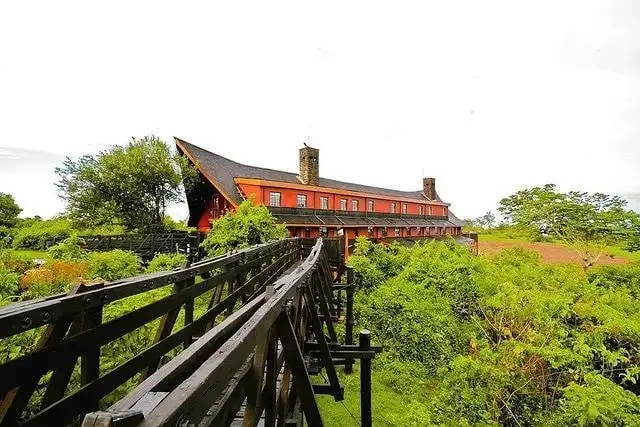
Aberdare National Park is in the Central Highlands, Nyeri County, Kenya. The park is known for its dramatic waterfalls, including Karuru Falls and Chania Falls, its rare Afro-alpine moorlands, and wildlife viewing opportunities from treetop lodges such as The Ark and Treetops.
Overview
Name
Aberdare National Park
Type
National Park
Town
Nyeri
County
Nyeri
Country
Kenya
Facts About Aberdare National Park, Kenya
Attribute Category
Specific Detail
Location coordinates
0°25'00.1"S 36°42'00.0"E
Governance/Management
Kenya Wildlife Service (KWS)
Total area
767 square kilometres (296 sq mi)
Entry fees
Rates vary for citizens, residents, and non-residents. Managed by KWS and subject to change.
Primary attraction
High-altitude moorlands, spectacular waterfalls, dense forests, and wildlife including elephants, black rhinos, leopards, and the elusive bongo antelope.
Best time to visit
January to February and June to October during the dry seasons for good trekking and game viewing.
Aberdare National Park distinguishes itself from the savannah-dominated plains of the Maasai Mara or Amboseli through its montane forest and alpine moorland ecosystems. The park is an important biological repository for species adapted to high-altitude, wet environments. Unlike the open visibility of lowland parks, wildlife viewing here involves tracking animals through dense bamboo belts and rainforest canopies.
The biomass distribution changes drastically with altitude. The lower "Salient" sector supports high densities of megafauna, while the upper moorlands host specialised endemics. This vertical stratification allows for a species inventory not replicated elsewhere in East Africa.
Aberdare's Diverse Ecosystems and Habitats
The park's topography creates distinct ecological zones, ranging from 2,000 to 4,000 metres above sea level. Vegetation patterns shift abruptly as elevation increases, influencing animal distribution.
The Salient (2,100m - 2,300m): Characterised by dense rainforest and heavy rainfall, this corridor acts as the primary migration route for elephants moving between the park and the Kipipiri Forest.
Bamboo Belt (2,400m - 3,000m): A thick monoculture of Arundinaria alpina (African Alpine Bamboo), the preferred habitat for the Mountain Bongo and specialised primates.
Hagenia-Hypericum Zone (3,000m - 3,300m): Dominated by Hagenia abyssinica (East African Rosewood), featuring open glades that facilitate grazing for forest antelopes.
Afro-Alpine Moorland (3,300m+): Characterised by tussock grasses, Giant Lobelias (Lobelia deckenii), and Giant Groundsels (Dendrosenecio keniodendron).
Prominent Wildlife Species Found at Aberdare
Aberdare is synonymous with rare variations of common African species. The high altitude and lower temperatures have resulted in a higher incidence of melanism among carnivores.
The park holds a significant population of the Eastern Black Rhinoceros (Diceros bicornis michaeli), heavily protected within the fenced perimeter.
The Mountain Bongo and Melanistic Leopard
The park remains one of the last strongholds for the Mountain Bongo (Tragelaphus eurycerus isaaci), an endangered forest antelope.
Sightings are rare and typically restricted to the mineral licks near lodges such as The Ark. The Black Leopard, a melanistic colour variant of Panthera pardus, is often seen here. It uses the shadows of the dense forest for camouflage, a notable difference from the Golden Leopards of the savanna.
Primates and Forest Ungulates
Giant Forest Hog (Hylochoerus meinertzhageni): The largest wild pig species, commonly spotted in the Salient.
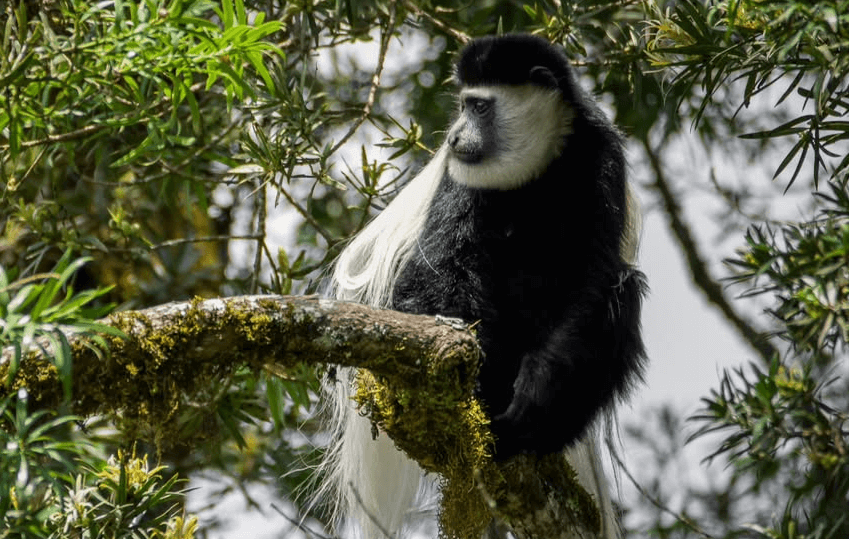
Guereza Colobus (Colobus guereza): Distinguished by their white mantles, occupying the high canopy.
Sykes' Monkey (Cercopithecus albogularis): Often foraging in the lower bamboo zones.
Blue Duiker and Suni: Small antelopes thriving in the thick undergrowth.
Birdwatching Paradise and Avian Diversity
With over 290 recorded species, the avian population is specific to the Afromontane bioclimatic zone. The park is an Endemic Bird Area (EBA). It offers sightings that casual birders might miss in lowland reserves.
Aberdare Cisticola (Cisticola aberdare): An endangered local endemic found in the tussock grasslands.
Jackson’s Francolin (Pternistis jacksoni): Often seen foraging on the moorland tracks.
Scarlet-tufted Malachite Sunbird (Nectarinia johnstoni): Feeds specifically on the nectar of Giant Lobelias.
African Goshawk and Ayres's Hawk-eagle: Raptors adapted for forest hunting.
Major Attractions and Points of Interest at the Park
Geological activity has carved the landscape into a series of jagged peaks and V-shaped valleys. The visual experience is defined by vertical water movement and volcanic remnants.
Waterfalls and Picnic Sites
The drainage system of the Aberdare Range feeds major Kenyan rivers, including the Tana and Athi. This hydrology creates dramatic cascades unmatched in the region.
Karuru Falls: The tallest waterfall in Kenya, dropping 273 metres in three distinct tiers.
Gura Falls: Located opposite Karuru, cascading into the same abyss, creating a dual-waterfall visual from the viewing platform.
Chania Falls: Accessible and scenic, often serving as a lunch stop for day-trippers.
Magura Falls: Situated near the Queen's Cave, a site historically linked to the Mau Mau freedom fighters.
Activities and Things to Do in Aberdare
Unlike parks restricted to vehicle-based observation, Aberdare permits active engagement with the terrain. The cool climate allows for physical exertion without the heat stress found in Tsavo or Samburu.
Fishing Opportunities and Locations
Aberdare offers high-altitude angling, a rarity in equatorial Africa. The rivers are stocked with cold-water species introduced during the colonial era. Anglers must obtain a specific permit from the Kenya Wildlife Service (KWS).
Target Species: Rainbow Trout (Oncorhynchus mykiss) and Brown Trout (Salmo trutta).
Primary Locations: The icy waters of the Chania, Gura, and Karuru rivers.
Regulations: Fly fishing is the standard method; bait fishing is restricted to preserve river ecology.
Hiking Trails and Scenic Walks
Trekking focuses on the moorlands, where visibility reduces the risk of surprise animal encounters compared to the dense Salient.
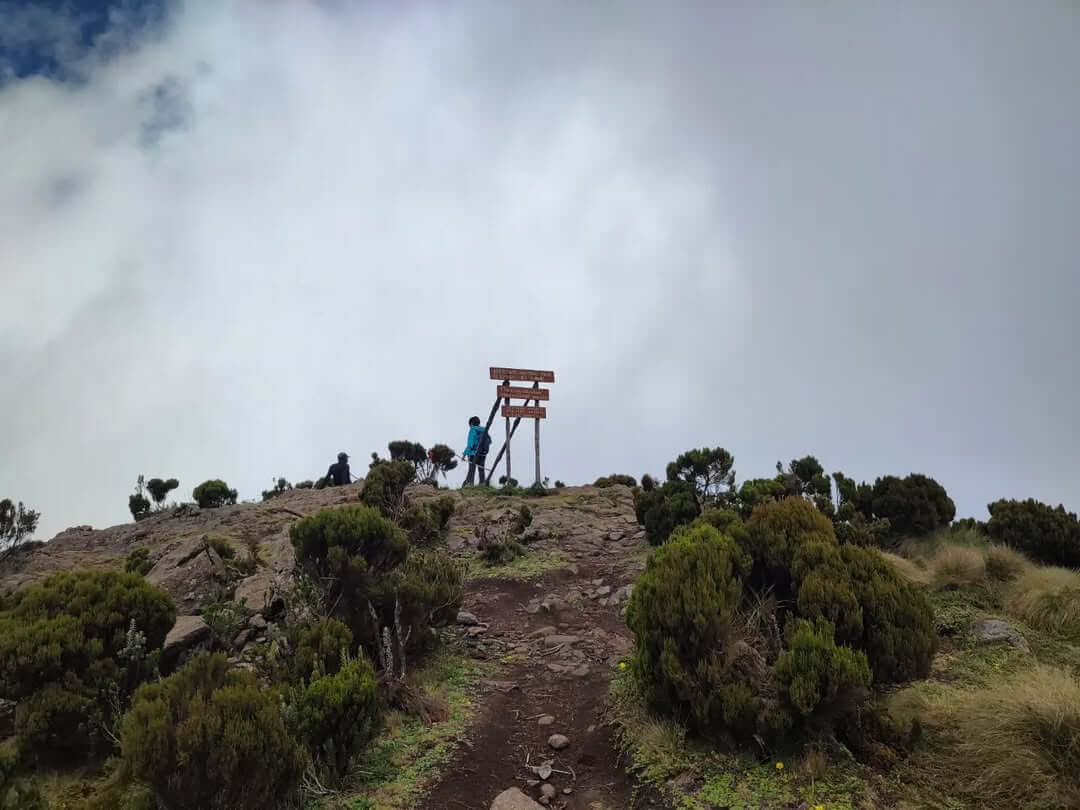
Elephant Hill (3,650m): A challenging ascent popular for acclimatisation before climbing Mount Kenya.
Ol Donyo Lesatima (4,001m): The highest peak in the Aberdare Range, offering panoramic views of the Great Rift Valley.
The Dragon’s Teeth: Jagged volcanic rock formations that attract rock climbers and hikers seeking rugged terrain.
Aberdare National Park Fees and Costs
Entry fees for Aberdare National Park are managed by the Kenya Wildlife Service (KWS) and are an important part of budget planning. The pricing structure is tiered, based on your residency status and age. KWS operates a cashless payment system. Ensure you have M-Pesa, a credit card, or a debit card for payment at the gate.
Fees are typically valid for a 24-hour period. Always check the official KWS website for the most current rates before travelling, as these can change.
Category
Adult Price (Per 24 Hrs)
Child/Student Price (Per 24 Hrs)
Non-Resident (International Visitor)
Typically charged in USD (e.g., ~$50-60)
Typically charged in USD (e.g., ~$20-25)
East African Resident
Typically charged in KES (e.g., ~Ksh 1,000-1,200)
Typically charged in KES (e.g., ~Ksh 500)
Kenyan Citizen
Typically charged in KES (e.g., ~Ksh 300-500)
Typically charged in KES (e.g., ~Ksh 215)
Additional Costs to Consider:
Vehicle Entry Fee: This is a separate charge from the per-person park fee and depends on the size of your vehicle (e.g., less than 6 seats, 6-12 seats).
Guide Fees: If you hire a KWS ranger or a local guide for walks or drives, this will be an additional cost.
Camping Fees: For those choosing to camp at designated public or special campsites, a nightly fee applies.
Proof of Status: Residents and Citizens must present a valid National ID or Passport to qualify for the respective rates. Failure to do so will result in being charged the non-resident rate.
Getting to Aberdare National Park Transport and Logistics
Aberdare National Park is accessible from Nairobi. It is a popular destination for both short breaks and longer safaris. Your choice of transport will depend on your budget, timeframe, and preferred travel style.
By Road from Nairobi
The most common method of reaching the Aberdares is by road. The journey shows Kenya's central highlands.
Distance and Time: The park's main gates are approximately 160 kilometres (100 miles) north of Nairobi. The drive typically takes 3 to 4 hours, depending heavily on traffic conditions when leaving the city.
Main Route: The primary route involves taking the A2 Highway from Nairobi towards Thika and Nyeri. This is a well-maintained tarmac road for most of the way. From towns like Nyeri or Nanyuki, you will branch off onto smaller roads leading to the various park gates.
Park Gates: Key access points on the eastern side include the Ark Gate and Treetops Gate near Nyeri. The western side, accessible via the A104 highway towards Naivasha and Njabini, uses gates like Wanderis and Mutubio.
Vehicle Choice: While the main highways are tarmac, the roads inside the park are gravel and can become challenging during the rainy seasons. A 4x4 vehicle is recommended for navigating the park's steep terrain and muddy tracks.
By Air
Several local airlines offer scheduled flights from Nairobi for a quicker, more direct route.
Airlines and Airports: Reputable safari airlines like Safarilink and AirKenya operate daily flights from Wilson Airport (WIL) in Nairobi.
Destination Airstrips: The closest and most frequently used airstrip is Nanyuki Airstrip (NYK). Some lodges also use the smaller Mweiga Airstrip, which is even closer to the park boundary.
Transfers: From the airstrip, it is a road transfer of approximately 45-60 minutes to the park gates or your lodge. These transfers must be pre-arranged with your accommodation or tour operator.
Accommodation Strategy and Lodging Options for Aberdare
Accommodation for the Aberdares is focused on two distinct strategies: staying inside the park for a classic "tree-lodge" experience, or staying on the park's boundary for more flexibility and amenities.
1. Inside the Park: The Treetop Lodge Experience
This is the classic Aberdare experience. These lodges are built on stilts or have a treehouse design, set deep within the park overlooking floodlit waterholes and salt licks. Guests are typically transferred from a base hotel outside the park with only an overnight bag.
The Experience: Excellent, 24/7 game viewing from the comfort of viewing decks, lounges, or even your room. A bell system often alerts guests to significant wildlife sightings during the night (e.g., leopard, rhino).
Key Examples: The Ark Lodge, Treetops Lodge (historically famous as where Princess Elizabeth learned she had become Queen).
Pros:
Completely immersive wildlife experience.
Historic accommodation style you will not find elsewhere.
Excellent night-time game viewing opportunities.
Cons:
Movement is restricted to the lodge itself after arrival.
Rooms can be smaller and more functional ("cabin-like").
Generally a more structured experience with set meal times.
2. On the Park Boundary and Aberdare Salient
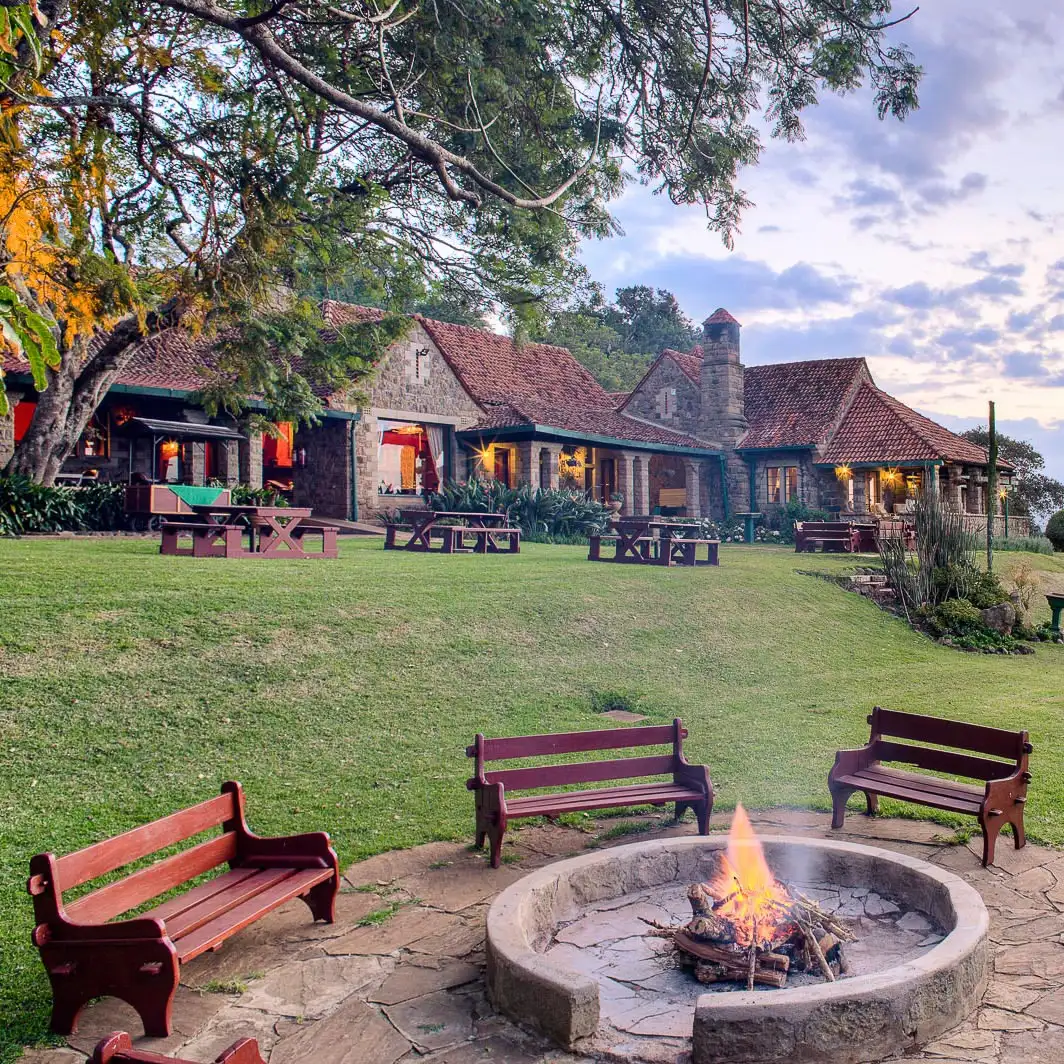
Located just outside the main park gates, these establishments are often country clubs or traditional safari lodges. They serve as a comfortable base from which to launch daily game drives into the national park.
The Experience: Offers a full-service hotel or lodge experience with more extensive facilities like swimming pools, gardens, and multiple dining options. It provides greater flexibility to explore both the park and the surrounding region.
Key Examples: The Aberdare Country Club (the base hotel for guests going to The Ark), Outspan Hotel (base for Treetops). Other private lodges and guesthouses are also found in the Mweiga and Nyeri areas.
Pros:
Greater flexibility to plan your own schedule and activities.
Wider range of facilities and often more spacious rooms.
Can be more suitable for families with young children who may need more space and entertainment.
Cons:
Requires daily travel to and from the park for game drives.
Guests do not experience the unique overnight, floodlit waterhole viewing.
Less immersive; you are not sleeping "inside" the wilderness.
Aberdare National Park offers a unique, consistently cool to cold highland climate year-round. For optimal weather conditions for game drives, walking safaris, and photography in 2026, the best times to visit are during the relatively drier periods: January to February and June to September.