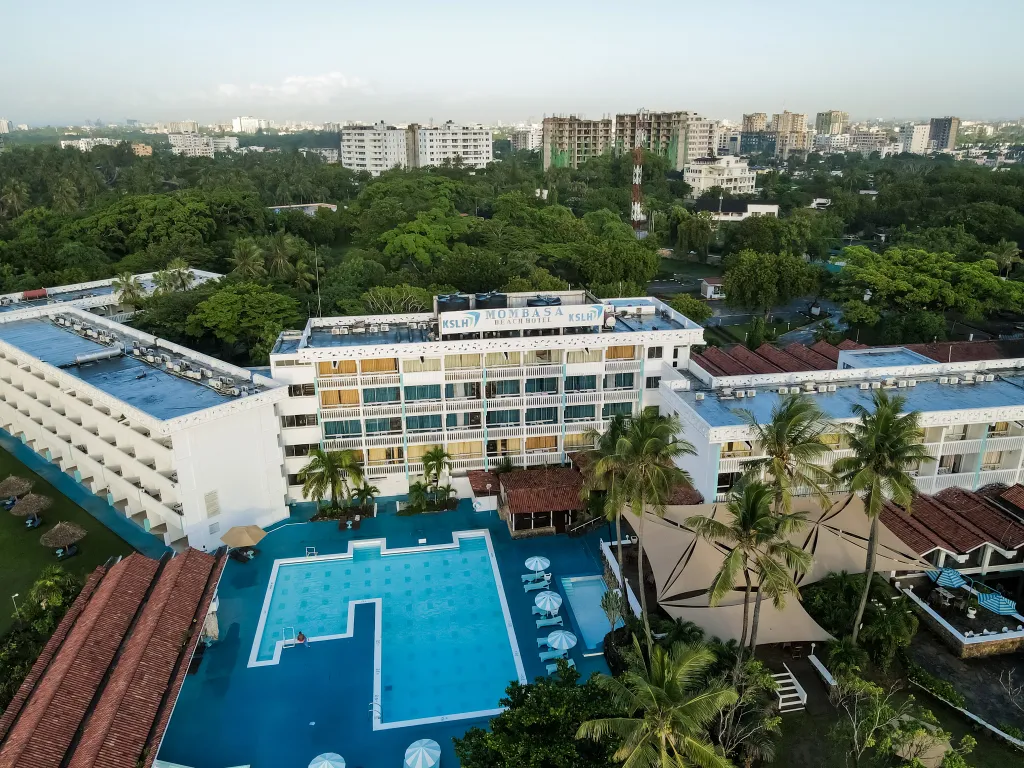
Mombasa Marine National Park and Reserve is a national park and reserve located in Mombasa, Mombasa County, Kenya. This marine protected area is situated off the coast of Mombasa, between the Mtwapa and Tudor Creeks.
The park features a vibrant fringing coral reef, diverse marine life, including bottlenose dolphins and green sea turtles, and opportunities for snorkelling and diving among its rich seagrass beds.
Overview
Name
Mombasa Marine National Park
Type
Beach
Town
Mombasa
County
Mombasa
Country
Kenya
Key Facts About Mombasa Marine Park
Attribute Category
Specific Detail
Location Coordinates
4°03′S 39°44′E
Governance/Management
Kenya Wildlife Service (KWS)
Total Area
National Park: 10 km²; National Reserve: 200 km²
Entry Fees
Set by Kenya Wildlife Service (KWS); rates vary for Citizens, Residents, and Non-Residents.
Primary Attraction
Vibrant coral reefs, diverse marine life (dolphins, turtles, various fish species), and pristine seagrass beds.
Best Time to Visit
During the dry seasons (July to October and January to February) for optimal water clarity and calmer seas.
Marine Life and Biodiversity
Mombasa Marine National Park became a protected area in 1986. This status has allowed biological density to recover significantly compared to non-protected zones along the North Coast. Unlike the pelagic waters of the Pemba Channel, this park primarily functions as a fringing reef lagoon system, supporting shallow-water biodiversity.
The ecosystem supports a high concentration of invertebrate and vertebrate species. Visitors may encounter the following on the seabed:
Crustaceans: Coconut Crabs (*Birgus latro*) found near the shoreline and various hermit crab species inhabiting the intertidal zones.
Echinoderms: Red-knobbed Starfish (*Protoreaster linckii*) and long-spined Sea Urchins (*Diadema setosum*) are indicators of reef health.
Cephalopods: Octopuses and squid hide within the coral crevices, particularly active during tidal changes.
Sea Turtles: Green Sea Turtles (*Chelonia mydas*) and Hawksbill Turtles (*Eretmochelys imbricata*) use the park as a foraging ground. They are often spotted feeding on seagrass beds.
Pelagic species, such as Bottlenose Dolphins (*Tursiops*) and Spinner Dolphins, occasionally breach the reef barrier. They frequent the deeper waters just beyond the break. Humpback Whales also pass the outer reef between July and September due to seasonal migration. This contrasts with the year-round resident populations of smaller cetaceans.
Coral Reef Ecosystems and Conservation
The benthic structure of Mombasa Marine National Park is dominated by a fringing reef that runs parallel to the coastline.
This barrier creates a calm lagoon environment that supports the proliferation of hard and soft corals. Mombasa's reefs are accessible at shallower depths, unlike the deep-water coral gardens of Malindi. This makes them susceptible to tidal variations and temperature shifts.
The reef architecture consists primarily of:
Acropora Corals: Branching species, such as Staghorn Coral, provide shelter for juvenile fish.
Porites Corals: Massive boulder corals form the backbone of the reef structure and resist strong wave action.
Soft Corals: Leather corals (*Sarcophyton*) and other biological fabrics filter nutrients from the water column.
Conservation efforts managed by the Kenya Wildlife Service (KWS) focus on mitigating physical damage from boat anchors and addressing coral bleaching events. The park also includes extensive seagrass meadows, featuring species like *Thalassia hemprichii*. These meadows act as carbon sinks and sediment traps. They prevent coastal erosion and maintain water clarity for the coral polyps.
Diving and Snorkelling Opportunities
Mombasa Marine National Park offers a distinct diving profile compared to the drift dives of the South Coast. Patch reefs and artificial structures define the topography, rather than sheer wall drop-offs. The inner lagoon lacks strong currents, making it suitable for novice divers and macro-photography enthusiasts.
Dive sites and snorkelling zones include:
The MV Dania Wreck: A cattle carrier scuttled intentionally in 2002. It lies at a depth of 30 metres and acts as an artificial reef, hosting large Groupers and schools of Batfish.
Shark Point: Located on the outer reef, this site allows encounters with White-tip Reef Sharks and Spotted Eagle Rays. This contrasts with the smaller reef fish found in the lagoon.
Coral Garden: A shallow zone ranging from 3 to 7 metres, populated by Angelfish, Damselfish, and Butterflyfish, accessible to snorkelers without SCUBA equipment.
Boat Tours and Excursions
Motorised and non-motorised vessel operations have strict regulations to prevent reef damage. The primary mode of exploration for non-swimmers differs from other Kenyan parks. Glass-bottom boats are the standard here, rather than larger commercial ferries.
Marine excursions typically involve:
Glass-Bottom Boat Tours: These vessels operate from Bamburi and Shanzu beaches. They allow visual access to the reef without water entry. Operators must follow specific corridors to avoid grounding on coral heads.
Traditional Dhow Sailing: Wooden sailing vessels offer sunset cruises and access to the outer reef. They often combine historical Swahili maritime culture with marine observation.
Deep Sea Fishing Charters: Fishing is prohibited within the National Park boundaries. Charters transit through the park to reach the National Reserve and international waters, where game fishing for Marlin and Sailfish is permitted.
Things to Do and See at Mombasa Marine
The park offers specific recreational experiences beyond standard aquatic activities, influenced by the Indian Ocean's tidal range. The interaction between the intertidal zone and the tourist infrastructure is unique to this coastal section.
Key activities include:
Low Tide Reef Walks: Large sections of the reef flat become exposed when the tide recedes. Visitors can walk up to the reef crest to observe trapped marine life in rock pools. Protective footwear is mandatory to avoid stonefish injuries.
Windsurfing and Kitesurfing: The reef protects the lagoon waters, providing flat-water conditions for wind sports. This is particularly true during the Kaskazi (northeast monsoon) and Kusi (southeast monsoon) trade winds.
Sunbathing on Sandbars: Temporary sand islands emerge at low tide, offering isolated locations for relaxation surrounded by ocean water. This feature is less common in the steeper shorelines of the south.
Park Fees, Transport, and Accommodation When Visiting Mombasa Marine Park
Logistics for a trip to Mombasa Marine National Park are straightforward. This guide covers park fees, transport from Nairobi and other locations, and advice on accommodation.
Park Entry Fees and Associated Costs
The Kenya Wildlife Service (KWS) manages the park and has a tiered fee structure. It is important to differentiate between park entry fees and the costs for boat hire and activities. Local operators receive separate payments for these.
Official KWS Park Entry Fees (per 24 hours):
Non-Resident Adult: USD $15
Non-Resident Child/Student: USD $10
East African Resident Adult: KES 200
East African Resident Child/Student: KES 100
Kenyan Citizen Adult: KES 200
Kenyan Citizen Child/Student: KES 100
Fees are subject to change. Verify the latest tariffs on the official KWS website before your visit. Payment is typically made via mobile money (M-Pesa) or credit/debit card at the park entrance.
Additional Costs to Budget For
Boat Hire: This is your primary cost after the park fee. Prices are negotiable and depend on the boat type (e.g., glass-bottom), duration, and group size. Expect to pay between KES 3,000 and KES 7,000 for a private boat for a few hours.
Snorkelling Gear Rental: Some boat operators include snorkelling gear rental, while others charge a small extra fee (approx. KES 300-500 per person).
Guide Fees: Tipping your boat captain or guide is customary for excellent service.
Logistics for Getting to Mombasa Marine National Park
The park is located off the coast of Mombasa, with primary access points from the beaches of Nyali, Bamburi, and Shanzu. Your journey will first take you to Mombasa, then to the North Coast beaches.
From Nairobi to Mombasa
By Road: The most direct route is via the A109 Highway (Mombasa Road). The drive covers approximately 485 kilometres and can take 8-10 hours, depending on traffic and road conditions. Several comfortable coach services, such as Mash Poa and Modern Coast, operate daily and overnight schedules.
By Rail: The Madaraka Express (SGR Train) offers a popular and efficient option. The journey from the Nairobi Terminus to the Mombasa Terminus takes approximately 6 hours. From the Mombasa Terminus, take a taxi or a ride-hailing service (like Uber or Bolt) to your North Coast hotel. This can take another 45-60 minutes.
By Air: Daily flights from Nairobi's Jomo Kenyatta International Airport (JKIA) and Wilson Airport (WIL) serve Mombasa's Moi International Airport (MBA). This is the quickest method. Airlines like Kenya Airways, Jambojet, and Safarilink operate this route. Flight time is about 1 hour. The transfer from MBA to the Nyali/Bamburi area takes roughly 30-45 minutes.
Accommodation Options
Accommodation choice directly impacts park access. The park is offshore, so staying along the North Coast beaches provides the primary launch points for boat excursions.
1. Beachfront Hotels and Resorts (Direct Park Access)
These hotels offer convenience and luxury. They are on the beaches of Nyali, Bamburi, and Shanzu. Most have their own water sports centres or partnerships with local boat operators. You can arrange trips to the marine park directly from the hotel's beachfront.
2. Nearby Apartments and Mid-Range Hotels (A Short Walk or Ride Away)
These options offer excellent value and are located a short distance from the main beaches. You can walk or take a short tuk-tuk ride to public beach access points to hire a boat. This category includes serviced apartments, boutique hotels, and guesthouses.
Locations: Look for properties around Nyali Centre, City Mall, and the backroads of Bamburi.
3. Mombasa Island and South Coast Stays
Staying on Mombasa Island or the South Coast (Diani) is feasible but requires more planning. To visit the park, arrange transport (taxi or tuk-tuk) to the North Coast launch points. This journey can take 45 minutes to over an hour. A ferry crossing is also necessary if coming from the South Coast. This option suits a wider Mombasa itinerary where the marine park is one component.
The optimal time to visit Mombasa Marine National Park for excellent marine activities and pleasant beach weather is during the two primary dry seasons.