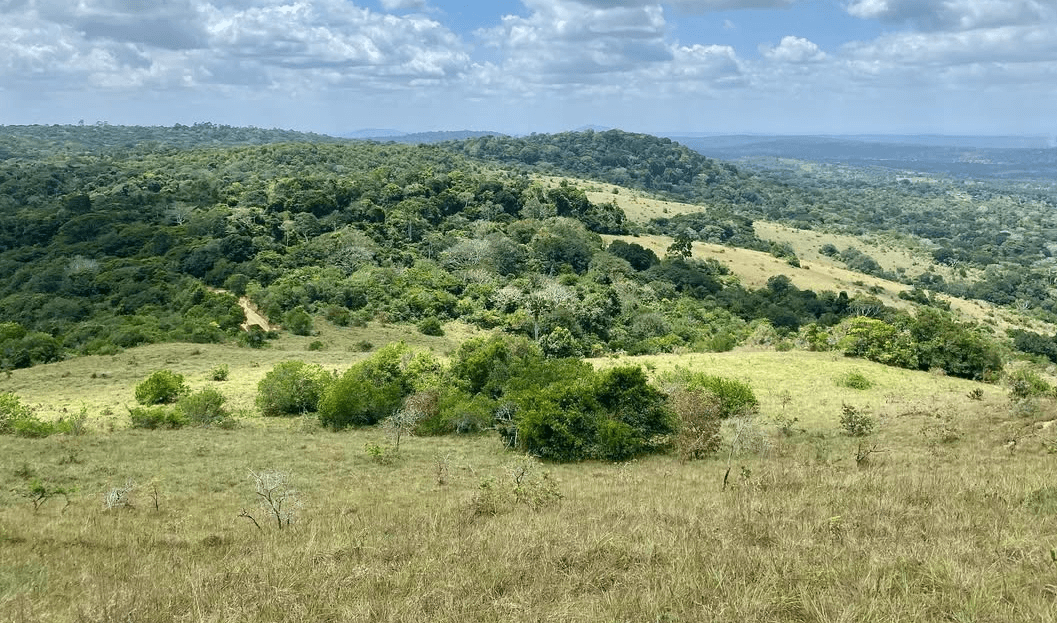
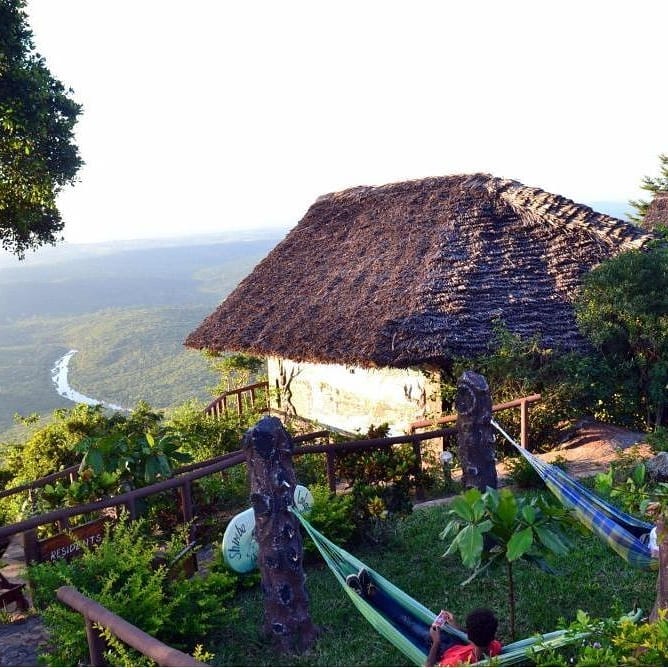
Shimba Hills National Reserve is a National Reserve near Kwale, Kwale County, Kenya. It is renowned for being one of the last coastal rainforests in East Africa, home to Kenya's only breeding population of Sable Antelope and the spectacular Sheldrick Falls.
Overview
Name
Shimba Hills National Reserve
Type
National Park
Town
Kwale
County
Kwale
Country
Kenya
KEY FACTS and ADMINISTRATIVE DATA
Attribute Category
Specific Detail
Location coordinates
Approximately 4°15′S 39°23′E
Governance/Management
Kenya Wildlife Service (KWS)
Total area
300 square kilometres (120 sq mi)
Entry fees
Varies for citizens, residents, and non-residents. Check the official KWS tariff for current rates.
Primary attraction
Kenya's only Sable Antelope population, Sheldrick Falls, and the coastal rainforest ecosystem.
Best time to visit
During the dry seasons (June to October and December to March) for easier hiking and wildlife spotting.
Flora and Fauna at Shimba Hills
Shimba Hills National Reserve presents a high-contrast ecological profile compared to the arid plains of Tsavo East or the open grasslands of the Maasai Mara.
As one of the largest coastal forests in East Africa, the reserve protects a rare ecosystem comprising coastal rainforest, woodland, and grassland. This environment supports a high density of plant species, including endangered cycads and rare orchids.
The dense vegetation alters the safari experience; wildlife viewing requires patience as animals use the thick canopy for cover. The flora includes populations of:
Mvule trees (Milicia excelsa): Hardwood giants that form the upper canopy.
Cycads: Ancient seed plants resembling palms, specifically the endemic species found within the Kwale district.
Ground Orchids: Numerous species thriving in the humid undergrowth.
Elephant Population and Conservation Efforts
The reserve hosts a concentrated population of African Bush Elephants (Loxodonta africana). Historically, the high density of elephants within the confined 300 square kilometre reserve led to significant habitat degradation and human-wildlife conflict in surrounding agricultural areas.
To mitigate this, the Kenya Wildlife Service (KWS) and local stakeholders established the Mwaluganje Elephant Sanctuary to the north.
This acts as a dispersal corridor, allowing elephants to migrate between Shimba Hills and Mwaluganje, reducing pressure on the ecosystem. Unlike the vast herds seen in Amboseli, sightings here often involve smaller family groups navigating the forest tracks.
Sable Antelope
Shimba Hills is distinguished by the presence of Roosevelt's Sable Antelope (Hippotragus niger roosevelti). This reserve is the sole stronghold in Kenya for this specific subspecies. Unlike the Common Sable found in Southern Africa, the Roosevelt variant is critically endangered in East Africa.
Visitors can identify this species by looking for:
Coat Colour: Deep chestnut to black in mature males, with white underbellies.
Horns: Long, scimitar-shaped horns that curve strictly backwards.
Sexual Dimorphism: Females remain chestnut-brown, unlike the darkening males.
Birdlife
With over 111 recorded species, the avian profile of Shimba Hills is defined by coastal endemic species that are absent from Kenya's inland savannah parks. The transition from grassland to forest allows for a crossover of distinct bird families.
Notable species for ornithologists include:
Silvery-cheeked Hornbill: A large forest dweller often heard before seen.
African Fish Eagle: Frequently sighted near the Sheldrick Falls water sources.
Red-necked Spurfowl: Common in the scrub and grassland verges.
Croaking Cisticola: Found in the moist grasslands.
Coastal Cisticola: Restricted to the coastal strip.
Other Wildlife
The reserve is not a "Big Five" destination in the traditional sense, due to the scarcity of lions (Panthera leo). However, it offers good opportunities for viewing primates and smaller carnivores.
The forest canopy supports troops of Angola Colobus (Colobus angolensis) and Sykes' Monkeys (Cercopithecus albogularis).
Predators here are nocturnal or crepuscular. The dense vegetation favours the African Leopard (Panthera pardus), which uses the tree cover for hunting. Sightings of Serval Cats and Civets are recorded during night game drives, though these activities require specific prior arrangement.
Activities and Things to Do in Shimba Hills
Game Drives
Game drives in Shimba Hills operate differently from the Serengeti model. The road network traverses steep hills and dense foliage.
4x4 vehicles are mandatory during the wet season. The Loop Road offers the highest probability of spotting the Sable Antelope and Buffalo herds grazing on the open ridges.
Unlike the flat horizons of the Mara, where visibility extends for kilometres, Shimba Hills offers a "reveal" style experience. Wildlife appears around sharp bends or within forest clearings.
Guided Walks
Walking safaris are permitted here, unlike in many predator-dense parks, provided they are accompanied by a KWS ranger. These walks focus on the micro-ecosystem: insects, dung beetles, medicinal plants, and tracks.
This activity provides a granular understanding of the coastal ecosystem that vehicle-based safaris miss.
Sheldrick Falls
Sheldrick Falls (Makadara picnic site) is a geological feature of the reserve. The 21-metre waterfall creates a natural plunge pool fed by fresh springs. Access requires a physical hike.
Descent: Approximately 2 kilometres (45 minutes) through woodland.
Terrain: Steep in sections; proper hiking boots are required.
Swimming: Permitted in the plunge pool (freshwater, devoid of crocodiles).
Cultural Experiences
The reserve is bordered by the Digo and Duruma communities. Cultural interactions here are less commercialised than Maasai village tours elsewhere. The Mwaluganje Community Elephant Sanctuary is a community-owned initiative where visitors can learn about human-wildlife conflict resolution and the economic impact of conservation on local agriculture.
Conservation and Sustainability Initiatives at Shimba Hills
Conservation strategies at Shimba Hills focus on two main pillars: habitat preservation and conflict mitigation. The reserve is enclosed by an electric fence to prevent elephant raids on local crops, a pioneer project in Kenyan wildlife management.
Current initiatives include:
Reforestation: Programmes to restore indigenous timber species depleted by illegal logging.
Anti-Poaching Patrols: Increased ranger presence to protect the Sable Antelope population from bushmeat snares.
Community Revenue Sharing: A portion of gate fees from the adjacent sanctuary goes directly to community development projects (schools and water boreholes).
Planning Your Trip to Shimba Hills in Kenya
Navigating the practicalities of a trip to Shimba Hills is straightforward. This guide covers logistical details for your trip, from park fees to transport and accommodation.
1. Entry Fees & Costs
The Kenya Wildlife Service (KWS) manages Shimba Hills National Reserve. Fees differentiate between citizens, residents, and international visitors. KWS parks and reserves operate on a cashless system. Payment can be made via M-Pesa, Visa, or Mastercard at the gate.
Prices are subject to change, so we always recommend verifying with the official KWS website before your visit.
Park Conservation Fees (Per 24 Hours)
Non-Resident Adult: USD $22
Non-Resident Child/Student: USD $13
East African Resident Adult: KES 300
East African Resident Child/Student: KES 215
Kenyan Citizen Adult: KES 300
Kenyan Citizen Child/Student: KES 215
Vehicle Entry Fees (Per Day)
A separate fee is charged for vehicles entering the reserve.
Less than 6 seats: KES 300
6 to 12 seats: KES 1,030
13 to 24 seats: KES 2,585
Other Potential Costs
Guided Walk to Sheldrick Falls: A KWS ranger fee is required for this excursion for your safety. Enquire about the current rate at the main gate.
Safari Guide: If not on an organised tour, hiring a local guide can improve your game viewing experience.
2. Getting There
Shimba Hills is conveniently located approximately 33 kilometres (21 miles) south of Mombasa, making it one of the most accessible national reserves from the Kenyan coast.
By Road
From Nairobi: The journey by road covers approximately 500 km. You will travel along the main A109 Highway (Nairobi-Mombasa Road). This drive typically takes 8-10 hours, depending on traffic and road conditions. From Mombasa, you will head south towards Ukunda/Diani Beach before turning inland towards the reserve.
From Diani Beach: The reserve is a popular day trip from Diani. The drive is roughly 45-60 minutes, making it convenient for those staying at coastal resorts.
By Train
The Madaraka Express (SGR) train offers a comfortable and efficient alternative to driving from Nairobi. The journey from the Nairobi Terminus to the Mombasa Terminus takes approximately 6 hours.
From the Mombasa Terminus, you will need to arrange for a pre-booked taxi or transfer to take you to the reserve, a drive of about 1 to 1.5 hours.
By Air
Flying is the quickest way to reach the coast from Nairobi.
To Mombasa: Fly from Jomo Kenyatta International Airport (JKIA) or Wilson Airport in Nairobi to Moi International Airport (MBA) in Mombasa. Airlines like Kenya Airways and Jambojet operate frequent daily flights.
To Diani (Ukunda): For convenience, fly from Wilson Airport directly to Ukunda Airstrip (UKA), the closest airport to Shimba Hills. Airlines such as Safarilink operate this route. From Ukunda, the transfer to the reserve is less than an hour.
3. Accommodation Options
Accommodation depends on the type of experience you seek: a forest retreat or a combination of beach and bush.
Inside the National Reserve
Staying within the park boundaries offers a distinct atmosphere, with the sounds of the forest right on your doorstep. This is an ideal choice for those wanting to make the most of their time with nature.
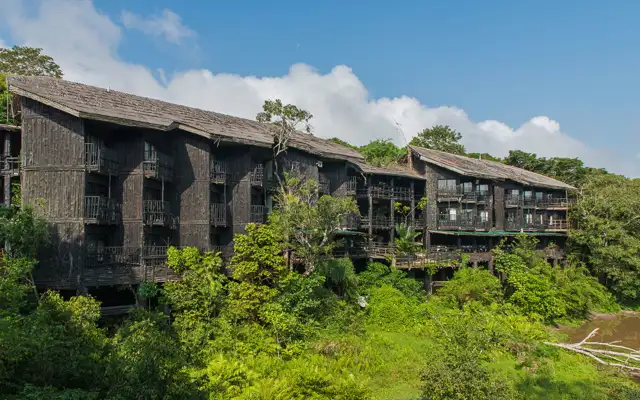
Shimba Hills Lodge: The most famous option, this award-winning 'tree-lodge' overlooks a waterhole. It provides good opportunities to view animals as they come to drink, all from the comfort of the lodge.
KWS Self-Catering: For a more rustic and budget-friendly option, the Kenya Wildlife Service operates the Sable Bandas, offering basic but charming accommodation within the reserve.
Campsites: Several public and special campsites are available for those wishing to camp.
Just Outside the Reserve
A handful of lodges and guesthouses are situated near the park gates. These offer a balance of park access and different accommodation styles, often with views over the Mwaluganje Elephant Sanctuary or towards the Indian Ocean.
Staying in Diani Beach
Many visitors choose to stay in Diani Beach. The resorts, boutique hotels, and private villas of Diani Beach provide a comfortable base. Its proximity (under an hour's drive) makes Shimba Hills an easily organised day trip, allowing you to combine a beach holiday with a safari adventure.
The optimal times to visit Shimba Hills National Reserve for favorable weather, ideal for game drives, walking safaris, and photography, are during the two dry seasons. The primary dry season runs from July to September, offering generally cooler temperatures, lower humidity, and clearer skies. A secondary dry period occurs from January to March, which is hotter but also provides excellent dry conditions.