UK travellers can secure a budget July safari during the peak season by booking tented camps in private conservancies and using the SGR Madaraka Express train for coastal transfers. Private conservancies bordering the Masai Mara, such as Mara North, allow visitors to bypass the main National Reserve’s high daily entry fees. The SGR train offers a more affordable transport option from Nairobi to Mombasa compared to domestic flights.
Avoiding Masai Mara Park Fees in a July Safari
The daily park fee for the main Masai Mara National Reserve is a significant cost for UK travellers. The fee is approximately $200 (around £150) per person per day. A family of four on a three-day safari faces an additional £1,800 in fees before accommodation or game drives.
The primary strategy to reduce this cost is to stay in a private conservancy bordering the main reserve. Accommodation in these conservancies bundles the conservancy fee into the nightly rate. This bundled cost structure removes the separate, high daily park fee and generates substantial savings while providing access to the same wildlife ecosystem.
Benefits of a Private Conservancy Safari
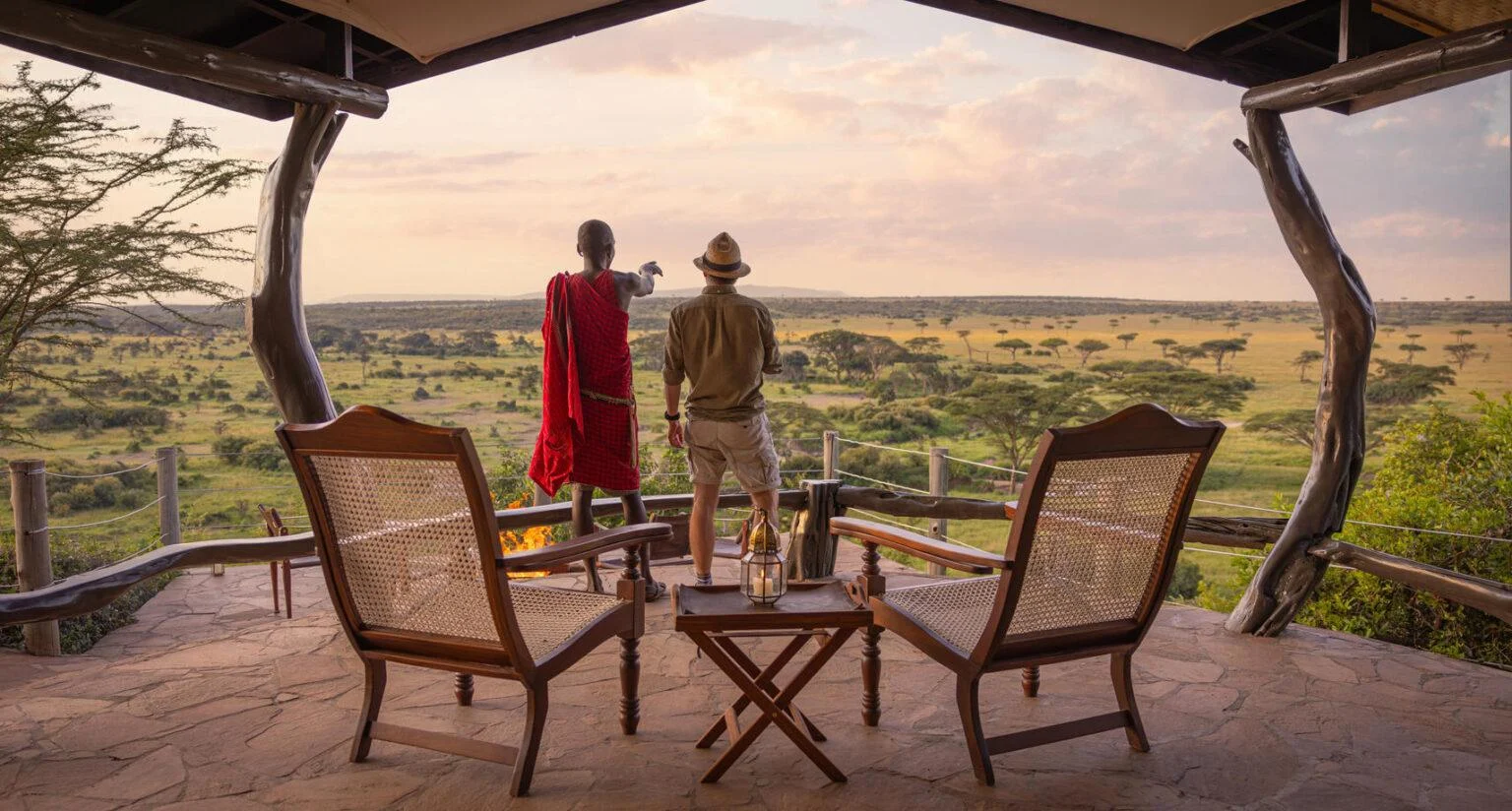
A private conservancy stay can provide a more exclusive and valuable safari experience. Conservancies like Mara North, Naboisho, and Olare Motorogi are large areas of land leased from local Maasai communities. This model supports the community and creates exclusive-use areas for the few small camps located within them.
The financial structure is more direct, with conservancy fees included in your nightly accommodation rate. The safari experience is also enhanced, as these areas act as buffer zones for the Great Migration and host the same wildlife as the main reserve. Strict limits on vehicle numbers ensure sightings are private and unhurried, offering better photography opportunities and more personal time with your guide.
Activities Permitted in Private Conservancies?
A stay in a private conservancy provides access to a wider range of activities prohibited within the Masai Mara National Reserve. These experiences add considerable value by offering a deeper connection to the environment.
Key activities in conservancies include guided walking safaris, which allow you to learn about tracking, plants, and smaller animals. Night drives are another major benefit, offering the chance to see nocturnal predators like leopards and hyenas. Conservancy regulations also permit responsible off-road driving for specific sightings, a practice forbidden in the national reserve to prevent environmental damage from high vehicle traffic.
How the SGR Train Compare to Flights for Coastal Transfers
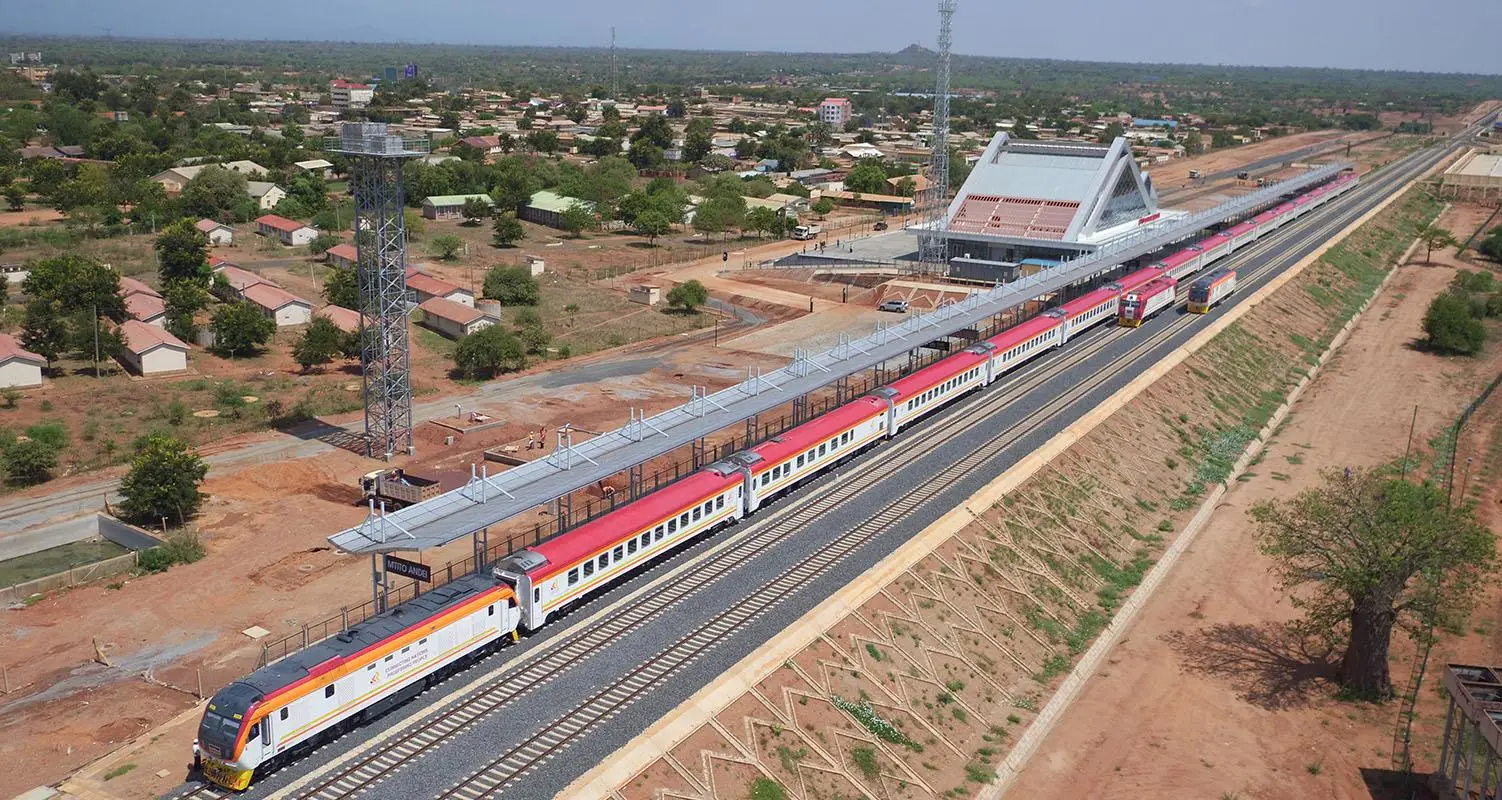
The choice of transport from Nairobi to Mombasa directly affects the budget for UK families and honeymooners combining a safari with a beach holiday. The SGR Madaraka Express train is a cost-effective and scenic alternative to domestic flights.
| Feature | SGR Madaraka Express | Domestic Flight |
|---|---|---|
| Approx. Cost (One-Way) | £15 (First Class) | £120+ |
| Total Journey Time | Approx. 6 hours (city centre to city centre) | Approx. 4-5 hours (incl. airport transfers & check-in) |
| Experience | Spacious seating, scenic views across Tsavo National Park | Standard air travel |
| Booking (from UK) | Via local operators or official portal | Directly via airline websites |
July Weather in Kenya
Safari Weather Conditions
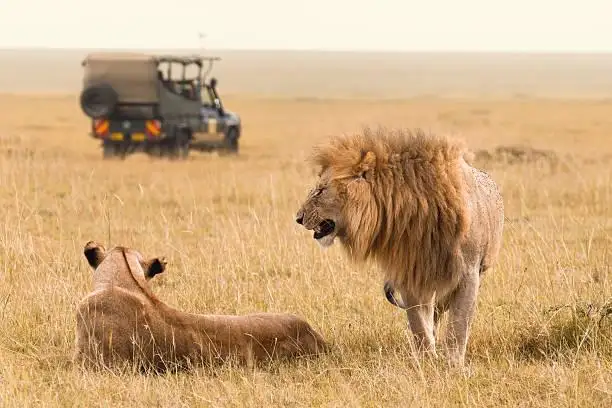
July is the middle of Kenya's long dry season and provides excellent weather for a safari. In regions like the Masai Mara, UK travellers can expect clear skies and sunny days with average temperatures of 25°C. Temperatures drop to 10-12°C in the early mornings and after sunset, so packing a warm fleece or mid-weight jacket is necessary for game drives.
The dry conditions improve wildlife viewing, as thinner vegetation makes animals easier to see. Animals also gather around the few remaining water sources. These conditions are ideal for safari activities.
Coastal Weather Conditions
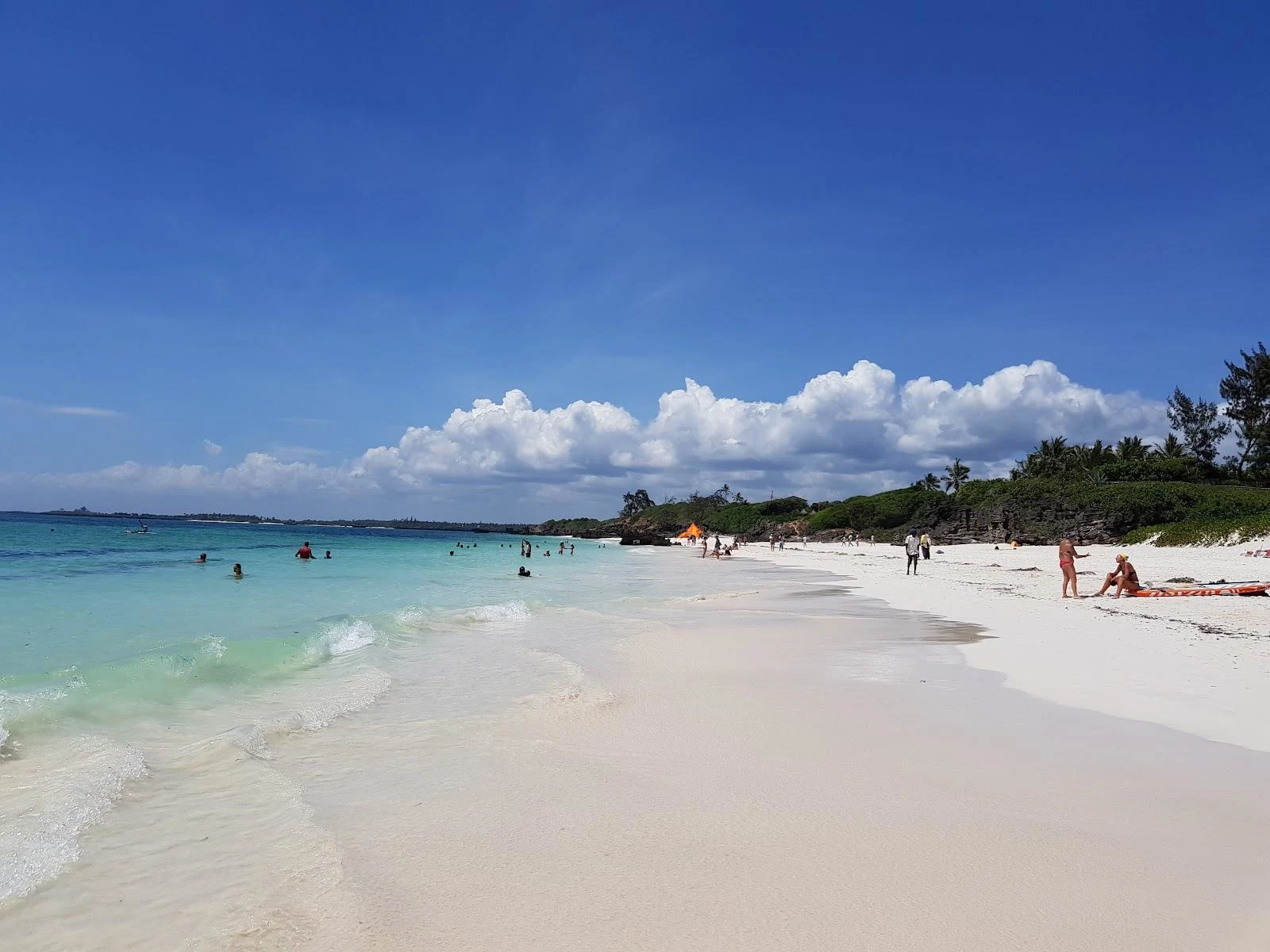
Along the coast in Mombasa or Diani, the July weather is ideal for a beach holiday. It is one of the coolest and least humid months, with daytime temperatures around 28°C. This comfortable climate allows you to enjoy the beaches without the high humidity found in other seasons.
How to Select a Value-for-Money Tented Camp in July
Defining Value in a Tented Camp
For budget-conscious UK travellers, value in the Mara conservancies is found in middle-tier tented camps. These camps offer spacious, insect-proof canvas tents with proper beds, solar lighting, and en-suite bathrooms with hot running water. The value is the authentic, close-to-nature experience without the cost of luxuries like private plunge pools or air conditioning.
Booking and Package Inclusions
You should plan to book a July trip 9-12 months in advance. Look for all-inclusive rates that bundle the conservancy fee, accommodation, all meals, and scheduled game drives. These packages often include local beers, wines, and soft drinks, which helps with budget management. When comparing camps, prioritise those with a reputation for high-quality guiding, as this significantly improves the safari experience.
Why are Private Conservancies Good for Family Safaris in July?
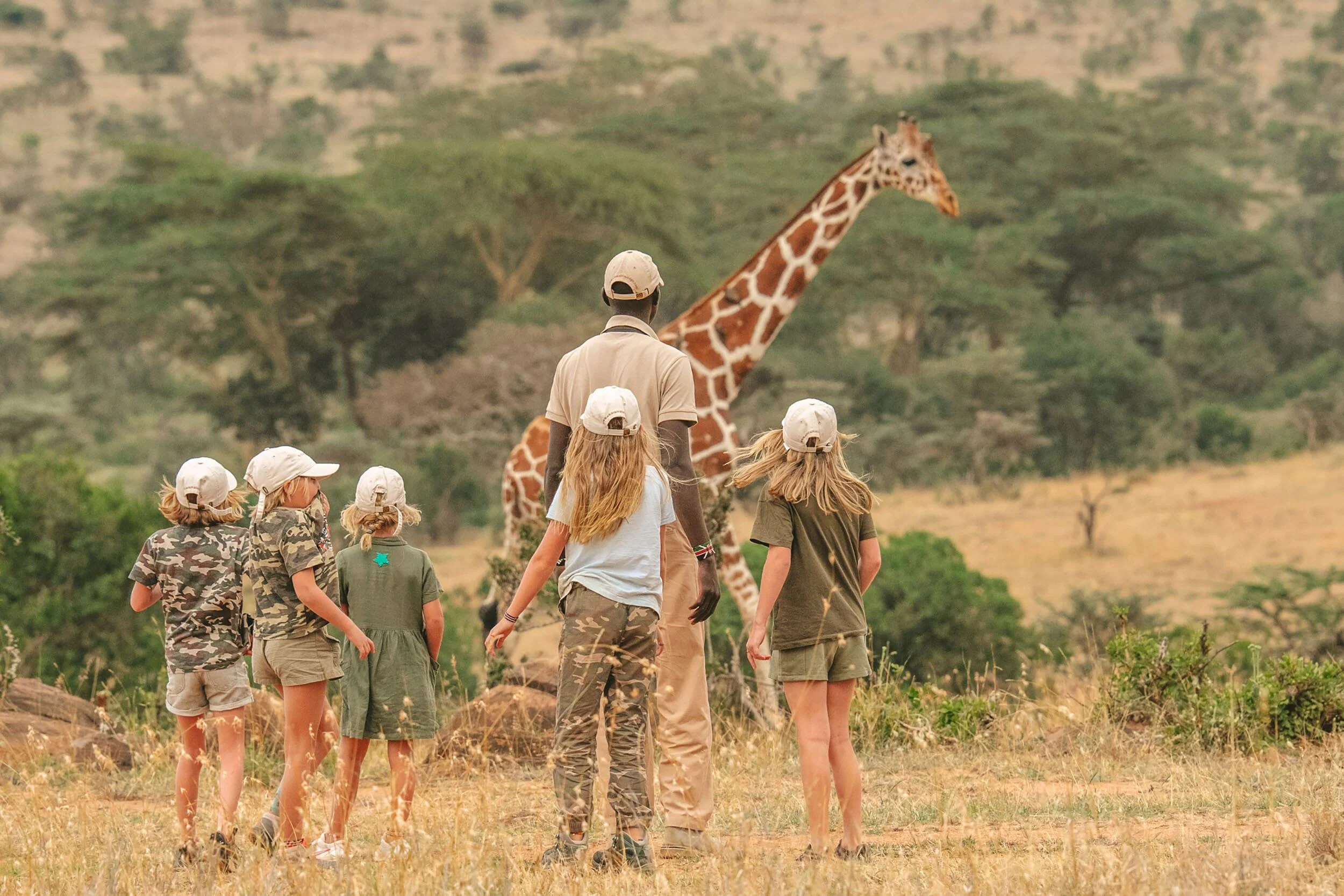
Private conservancies offer clear advantages for UK families travelling during the summer holidays. The limited number of vehicles creates a relaxed environment and allows for greater flexibility with children. Your guide can easily change plans or return to camp without being tied to the schedules of other guests.
Many camps in conservancies like Mara North provide family tents and 'Young Ranger' programmes. These programmes teach children basic bushcraft and tracking skills, making the holiday an educational adventure. An all-inclusive package is the most effective budgeting strategy for families. Requesting a private vehicle, while an added cost, provides the freedom to set your own pace and focus on sightings that interest your children.
How to Plan a Value-for-Money Kenya Honeymoon Safari
For UK honeymooners, value is found in experiences that deliver intimacy and exclusivity. A small tented camp with fewer than 10 tents in a private conservancy is an ideal choice. The privacy afforded by fewer guests and vehicles is a luxury in itself and more romantic than a larger lodge.
When booking your trip, ask about specific honeymoon amenities like private bush dinners or secluded sundowners, which many camps offer. Securing a private vehicle for part of your stay allows complete freedom on game drives. A popular itinerary combines a four-night safari with a coastal extension to Diani Beach, using the SGR train for the transfer. This 'bush and beach' combination, booked 12-18 months in advance, creates a memorable honeymoon without the expense of ultra-luxury operators.
What a Sample 10-Day Kenya Itinerary is for July
A well-paced itinerary is needed for a successful and affordable trip. This sample 10-day safari and beach holiday from the UK minimises travel time and focuses on value.
- Day 1: Arrive at Nairobi (NBO) and stay overnight to recover from your flight.
- Day 2-5: Fly from Wilson Airport to a Mara conservancy airstrip for a four-night stay at a tented camp.
- Day 6: Fly back to Nairobi and transfer to the SGR station for the afternoon train to Mombasa.
- Day 7-9: Relax at a beach resort in Diani or Watamu.
- Day 10: Fly home from Mombasa (MBA) or transfer back to Nairobi for your international flight.
This itinerary uses the cost-saving SGR train for the longest internal transfer. All components for a July trip should be booked by late previous year to secure the best prices and availability.
Preparations Needed for a July Safari from the UK
A few key preparations are required for a smooth journey. All UK citizens need an Electronic Travel Authorisation (eTA) to enter Kenya, which must be applied for online before departure. You should consult your GP or a travel clinic at least eight weeks before your trip to discuss vaccinations and malaria prophylaxis.
Comprehensive travel insurance covering safari activities and medical evacuation is mandatory. The local currency is the Kenyan Shilling (KES); while credit cards are accepted in lodges, cash is useful for tips. For connectivity, you can purchase a local SIM card at the airport. Your packing should include lightweight clothes for the day and a warm fleece or jacket for the cool mornings and evenings.