


Witness the Great Wildebeest Migration in Africa which also called "The Eighth Wonder of the World". Our carefully planned Migration Safaris are designed for travellers seeking an in-depth experience, placing you in prime locations within Kenya’s Masai Mara between July and October.
You will experience this wildlife event from exclusive, small camps, guided by highly-rated, professional guides.
The Value of Great Migration Safari in Kenya
A successful trip to see the Great Migration requires expert planning due to the event's scale and unpredictability. We provide more than a standard tour by offering an exclusive safari that concentrates on prime locations and efficient logistics.
This approach improves your wildlife viewing opportunities while ensuring a high standard of comfort. Our planning is designed to place you in the best locations at the correct times, away from the main crowds.
Locations in Private Conservancies to Maximize the View
Many of our partner lodges are situated in private conservancies that border the main Masai Mara National Reserve. Staying in these locations provides excellent access to the migration ecosystem with distinct advantages:
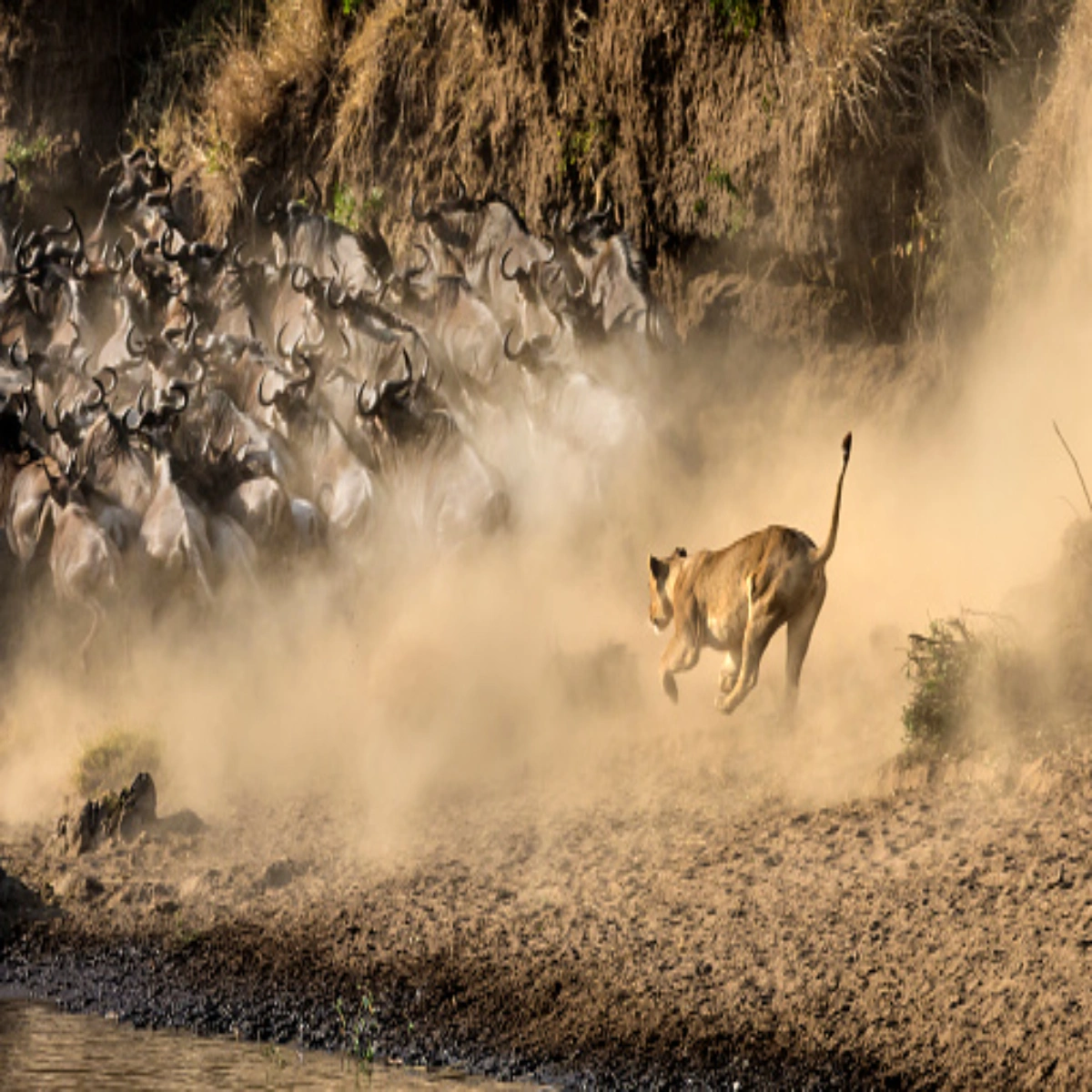
- Exclusivity: Strict limits on vehicle numbers mean you can watch a river crossing or a lion hunt without being surrounded by dozens of other vehicles.
- Flexibility: Guides in private conservancies can drive off-road to get you closer to the action and conduct activities not permitted in the national reserve, such as guided bush walks and night drives.
Expert Guides and Strategic Viewing
The quality of your guide is critical to the success of a migration safari. Our guides are Silver and Gold-rated professionals with a deep understanding of the Mara's terrain and the herds' behaviour.
They employ patience and strategic thinking to position you for the famous Mara River crossings, anticipating the build-up of the herds before they attempt to cross.
The Wildebeest Migration in Kenya
From late July, the plains of the Masai Mara receive over 1.5 million wildebeest, zebra, and gazelle. Driven by their search for fresh grazing, these herds cross the border from Tanzania's Serengeti, creating an animal gathering of incredible scale. This journey is a constant test of survival.
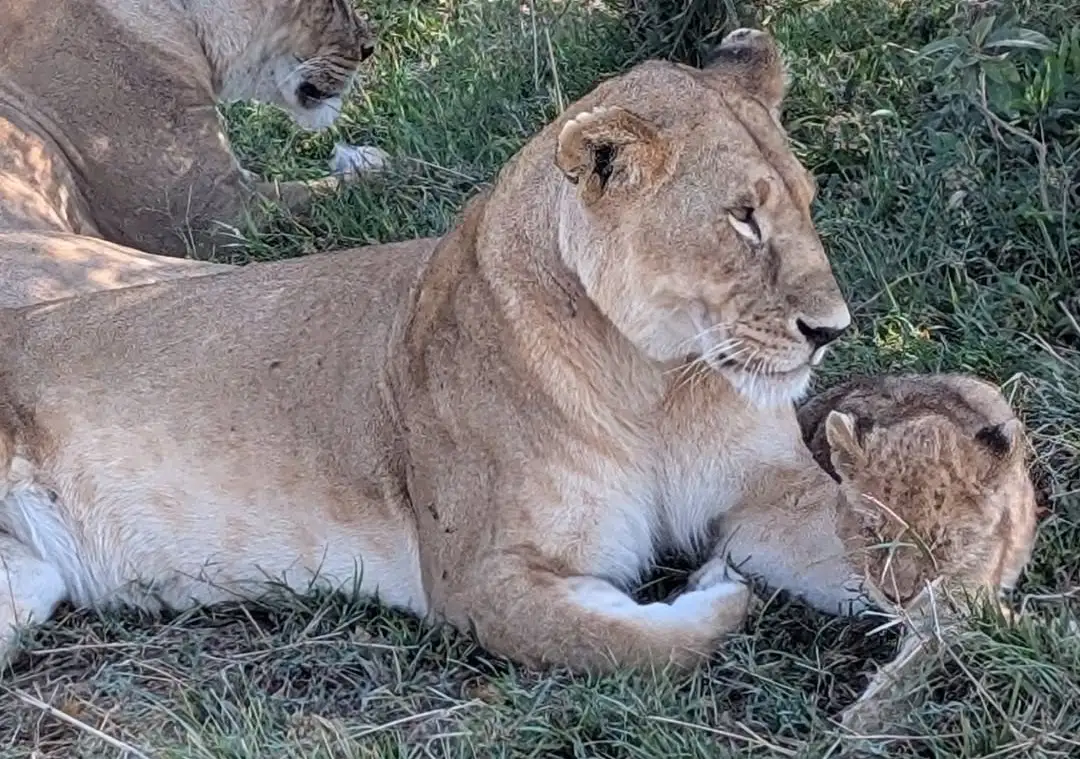
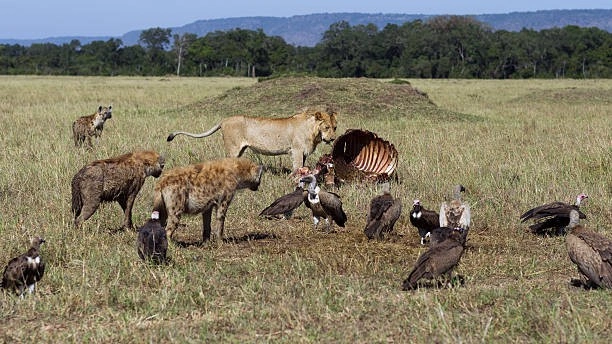
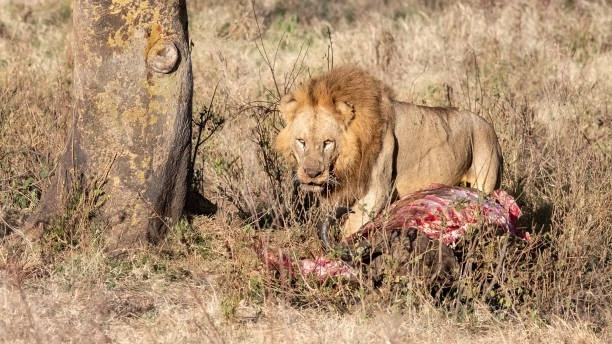
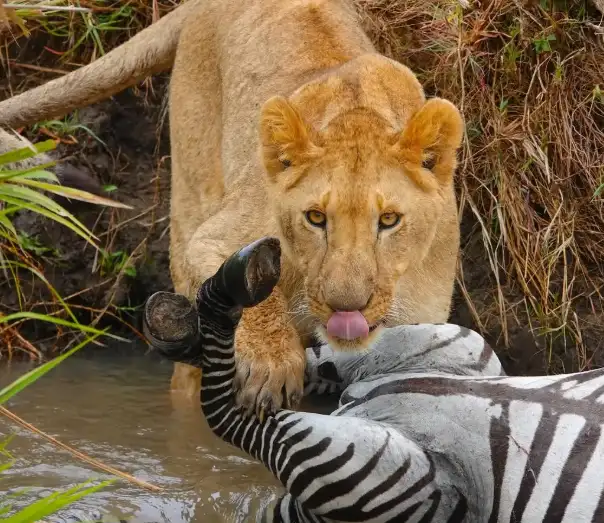
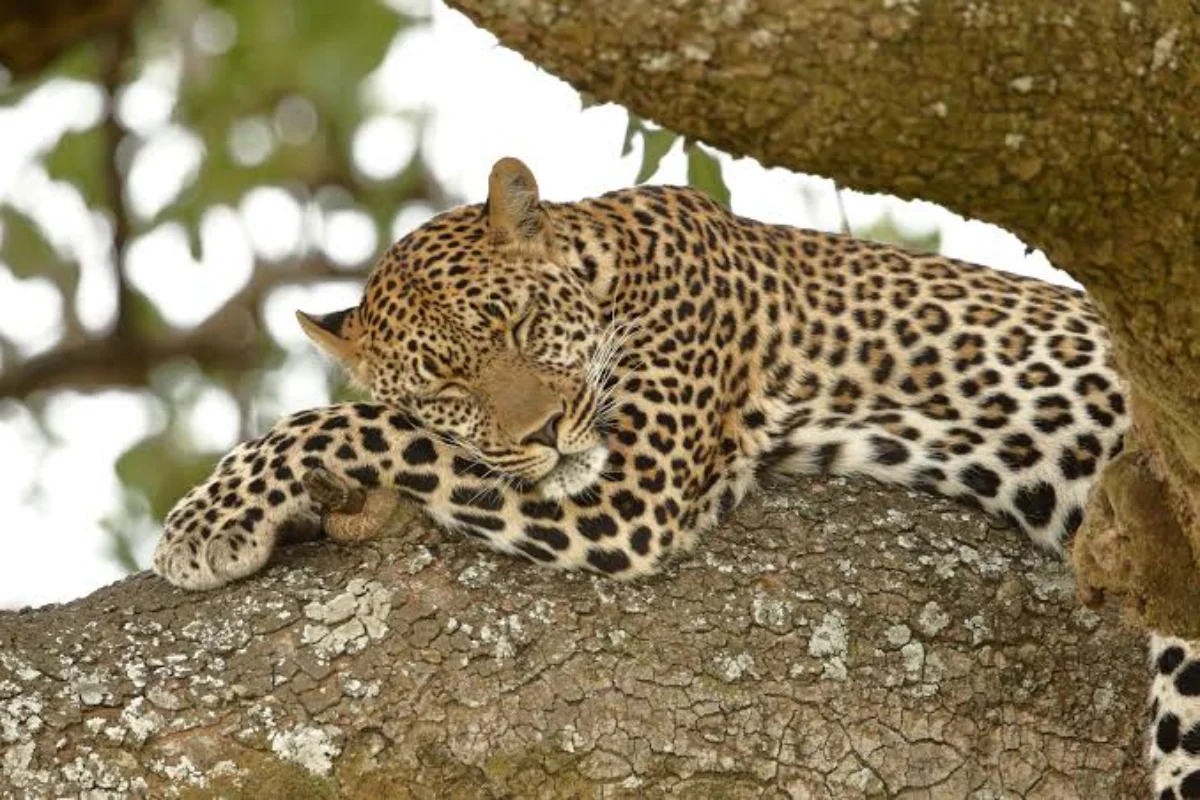
Nile crocodiles lie in wait in the rivers, and the Mara's considerable big cat population, including lions, leopards, and cheetahs, takes full advantage of the seasonal concentration of prey. Our safaris are timed to coincide with this peak period, giving you the chance to see these events unfold.
Great Migration Costs in Kenya
The cost of a luxury migration safari is influenced primarily by the time of year and the standard of accommodation. The July to October peak season has the highest rates due to high demand for a limited number of quality lodges.
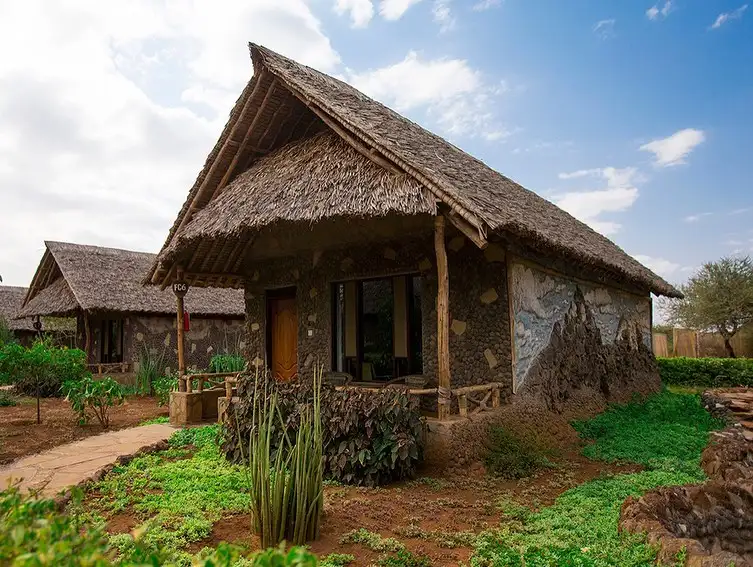
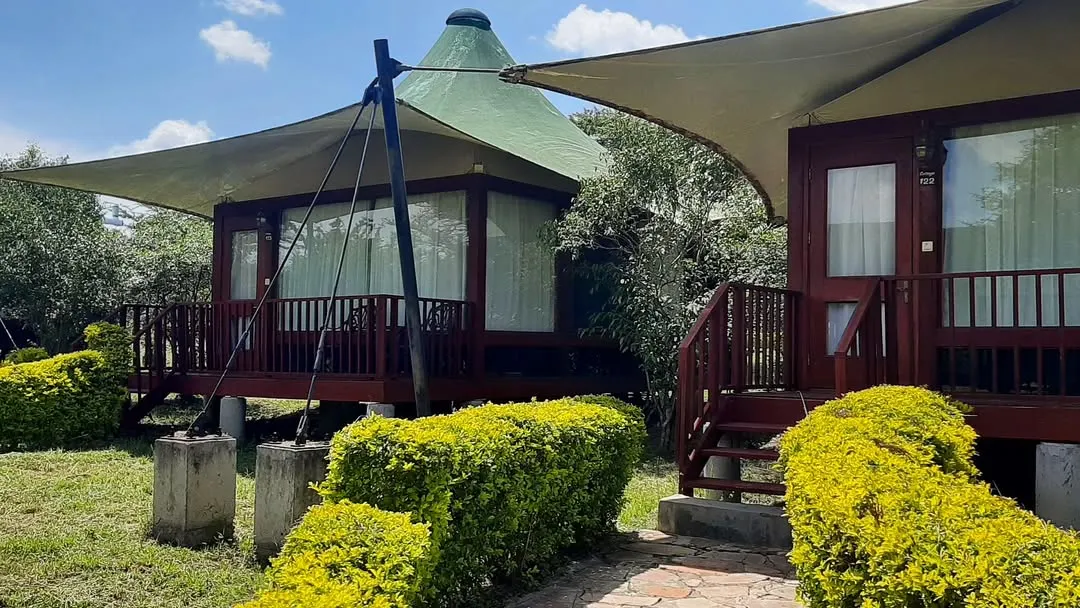
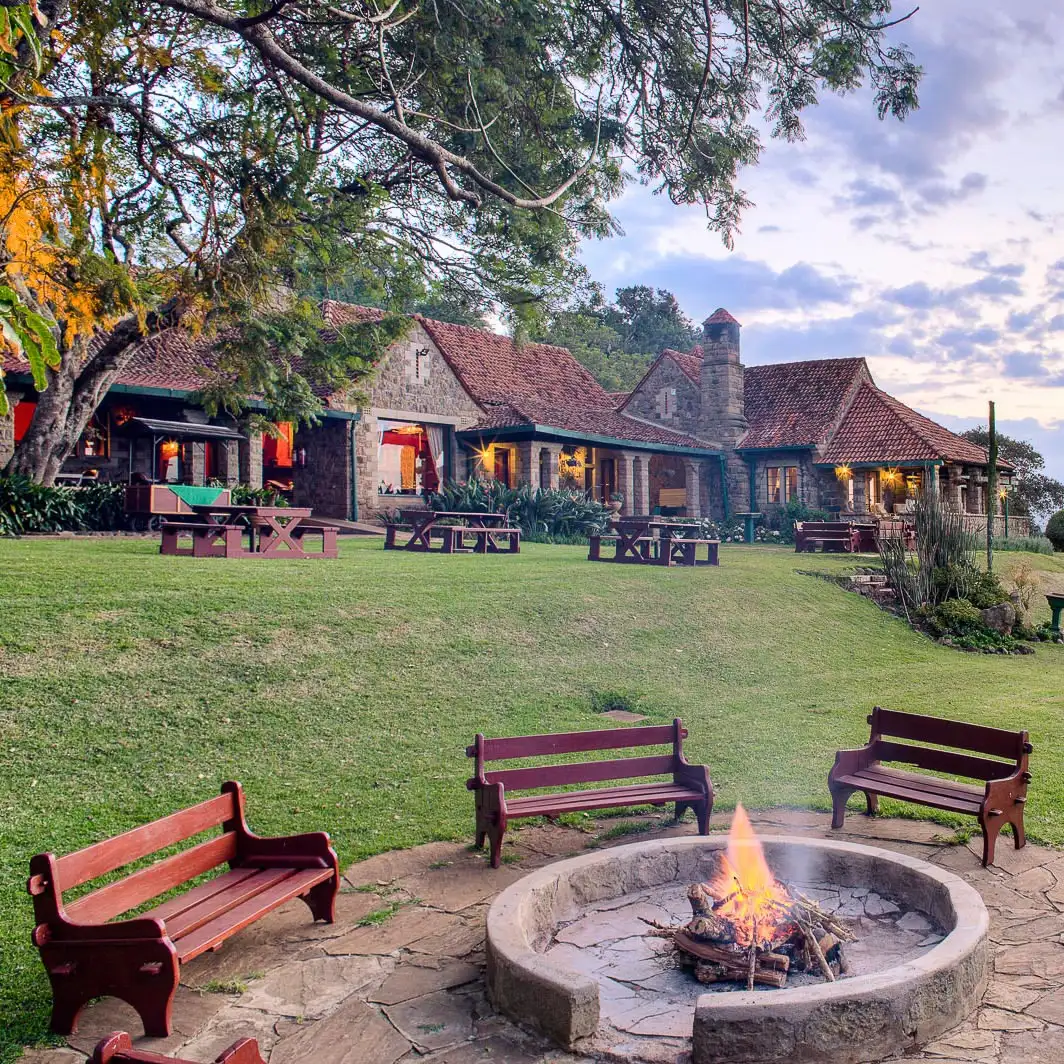
We offer a handpicked selection of properties, from classic luxury tented camps to premier lodges that provide the highest levels of comfort and service.
The price typically includes all internal flights within Kenya, private or small-group use of a 4x4 vehicle with a guide, park and conservancy fees, all meals, and a wide selection of drinks. The table below provides an indicative guide to per-person pricing during the peak migration season.
| Lodge Tier | Description | Indicative Price (Per Person, Per Night) |
|---|---|---|
| Luxury Camp / Lodge | A high standard of comfort, excellent locations, and professional guiding. Often larger properties with classic safari style and extensive facilities. | £700 - £1,100 |
| Premier Camp / Lodge | The highest standard of safari accommodation. Small camps in the most exclusive locations, offering private guiding, fine dining, and meticulous service. | £1,200 - £2,500+ |
A Typical Day on Migration Safari
The rhythm of a safari is dictated by the wildlife, with activities timed for when the animals are most active. Each day brings new possibilities, following a balanced routine of game viewing and rest at the lodge.
The Morning Game Drive
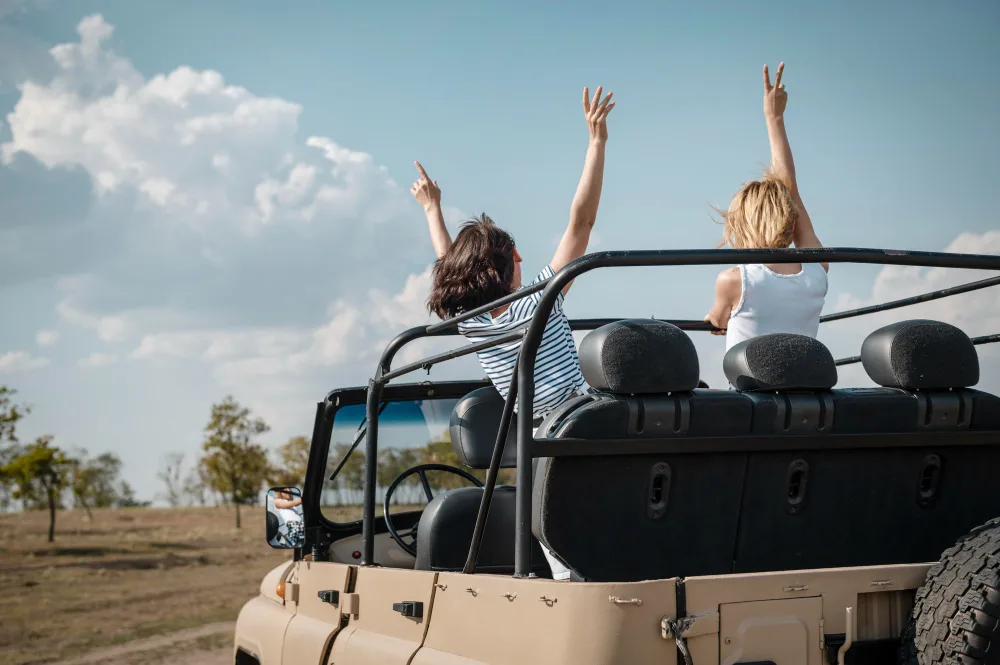
Your day begins with a wake-up call and fresh coffee before you set out in the cool air of dawn. This is an ideal time for game viewing, as predators are often active and the light is good for photography.
guide will interpret the tracks and signs of the bush, leading you in search of the large wildebeest herds or the predators that follow them.
Midday at the Lodge
As the sun climbs higher, you will return to the lodge for the warmest part of the day. This time is for leisure. You can enjoy a well-prepared lunch, use the swimming pool that overlooks the plains, or relax on your private veranda with a book while observing any resident wildlife.
Afternoon Game Drive and Sundowners
Following afternoon tea, you will head out for your second game drive of the day. The character of the bush changes as the heat subsides, often providing opportunities to witness different animal behaviours.
The drive typically concludes with a classic safari tradition: the sundowner. Your guide will find a scenic spot where you can stretch your legs and enjoy a drink as the sun sets over the Mara.
Best Time for Great Migration Viewing in Kenya
For the classic Masai Mara migration experience, the ideal travel period is from late July to early October. During these months, the large herds are typically concentrated in the Mara, offering a high probability of witnessing the river crossings and the great density of animals for which this event is famous.
Due to the high demand for this event and the limited capacity of the best-located small camps, it is essential to plan ahead. To secure your preferred accommodation and dates, we strongly advise booking your migration safari 9 to 12 months in advance. Early booking ensures you do not have to compromise on the quality of your experience.