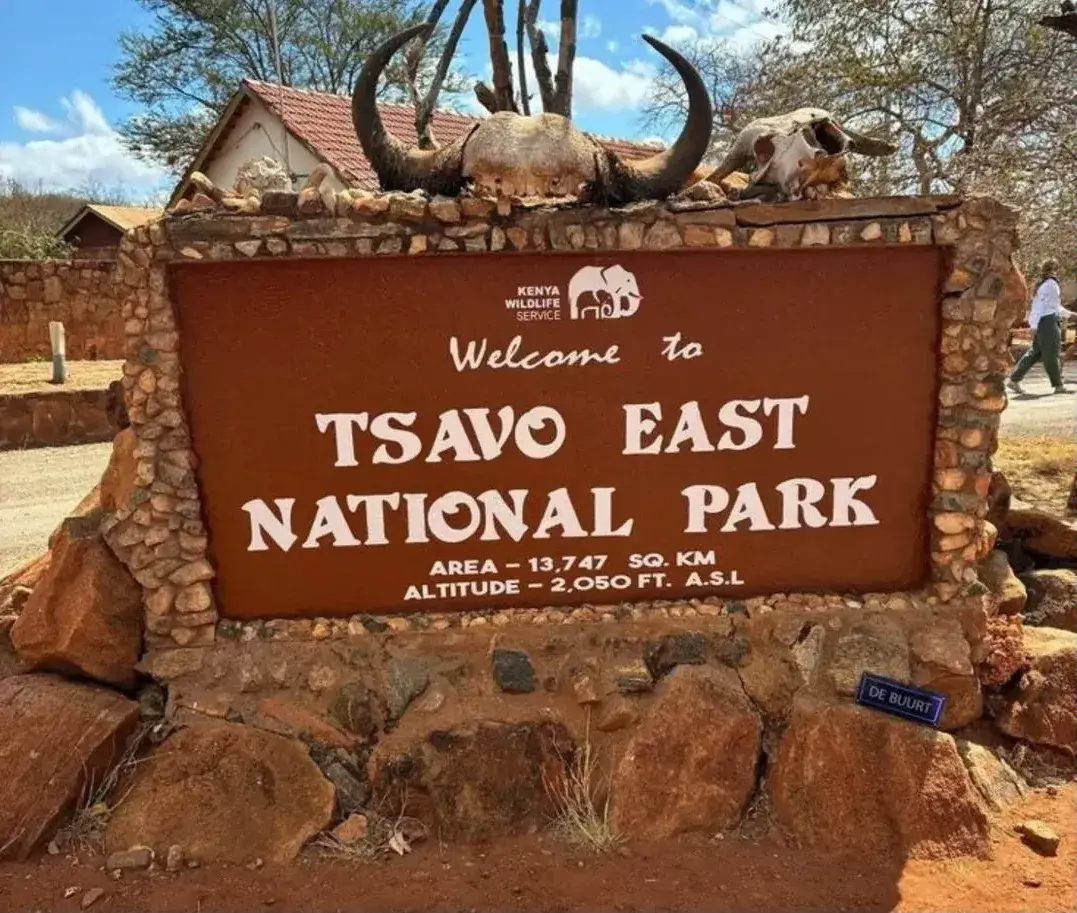
Tsavo East National Park is the largest protected area in Kenya. It covers 13,747 square kilometres of semi-arid wilderness in the southeast of the country. Tsavo East NP was established in 1948 and it forms the larger part of the Tsavo ecosystem which it shares with its western counterpart, Tsavo West.
The landscape defines the experience here. Unlike the rolling green hills of the Masai Mara, Tsavo East features flat, dry plains covered in thorny bush and marshland. The terrain is rugged and vast.
The Yatta Plateau dominates the western horizon. This geological formation runs for 290 kilometres and stands as the world's longest lava flow.
The Galana River cuts through the dry ground and serves as the primary water source for wildlife. This concentration of water attracts high densities of animals, particularly elephants, during the dry seasons.
The park offers a raw and uncrowded safari experience compared to the busier reserves in the southwest.
Overview
Name
Tsavo East National Park
Type
National Park
Town
Voi
County
Taita Taveta
Country
Kenya
Location and Transport Options to Tsavo East
The park is located in Taita-Taveta County. It effectively divides the main transport corridor between Nairobi and the coastal city of Mombasa. This unique location makes it the most accessible safari destination for travellers staying at beach resorts.
The Bush and Beach Strategy
Tsavo East is the primary choice for the popular "Bush and Beach" itinerary. Visitors staying in Diani Beach, Mombasa, or Malindi can access the park easily without booking a domestic flight.
A typical itinerary involves relaxing on the coast, taking a 2 or 3-day safari to Tsavo East, and returning to the hotel. This logistics model saves money and time compared to flying to the Masai Mara.
Access by Train (Madaraka Express)
The Standard Gauge Railway (SGR) is now the preferred method of travel for tourists. The train runs daily between Nairobi and Mombasa. You alight at Voi Station which sits just minutes from the main park gate.
From Nairobi: The train departs Nairobi Terminus in the morning and reaches Voi in approximately 4 hours.
From Mombasa: The journey from the coast to Voi takes less than 2 hours. Our driver meets you at the station with a 4x4 safari vehicle to begin the game drive immediately.
Access by Road
Driving remains a viable option, particularly for those starting from Malindi or Watamu. The road network connects to specific gates depending on your starting point.
From Mombasa/Diani: Vehicles typically enter via the Bachuma Gate. The drive along the Nairobi-Mombasa highway (A109) can be busy with truck traffic.
From Malindi: Travellers use the Sala Gate which provides direct access to the eastern side of the park near the Galana River.
Tsavo East is famous globally for its "Red Elephants." Visitors often ask if this is a distinct subspecies. The colour comes entirely from the soil. The park contains vast quantities of laterite, a soil rich in iron oxide.
Elephants dust themselves with this red earth and wallow in mud baths to protect their skin from the harsh sun and biting insects. This coating gives them a striking brick-red appearance that contrasts sharply with the arid grey-green bush.
Tsavo supports the largest population of elephants in Kenya, numbering over 12,000. You are almost guaranteed to see large herds, particularly near the Galana River and the Aruba Dam during the dry season.
History and the Man-Eaters of Tsavo
This park holds a significant place in British colonial history linked to the construction of the Uganda Railway. The line was dubbed the "Lunatic Express" due to the immense cost and danger involved in building it through the wilderness in 1898.
Construction came to a complete halt at the Tsavo River bridge due to two male lions. These lions stalked the campsite at night and dragged workers from their tents.
Lieutenant Colonel John Henry Patterson, a British engineer, eventually hunted and shot the pair after months of terror. His account was later dramatized in the film The Ghost and the Darkness.
Visitors today notice that male lions in Tsavo often lack the heavy manes seen in the Masai Mara. They tend to have short, sparse manes or no manes at all. This adaptation helps them manage the intense heat and navigate the thorny vegetation without getting snagged.
Key Attractions and Geography at the Park
The vast size of Tsavo East means visitors focus on specific landmarks where wildlife concentrates. The geology is as significant as the animals in this park.
The Galana River and Lugard Falls
The Galana River flows permanently through the park. It sustains the ecosystem during the long dry periods. Lugard Falls is a series of white-water rapids where the river squeezes through a narrow rock gorge.
Visitors can walk along the rocks to view the water below. This area is a prime location for spotting large crocodiles basking on the banks.
Mudanda Rock
This massive rock formation stretches for 1.6 kilometres. It rises out of the plains and acts as a water catchment area. Rainwater pools in a natural dam at the base.
You can climb a staircase to the top of the rock. This vantage point offers a safe way to watch hundreds of elephants drinking at the pool below without being in a vehicle.
The Yatta Plateau
The western boundary of the park is dominated by the Yatta Plateau. It runs for 290 kilometres and is the world's longest lava flow. It was formed by lava running from Ol Doinyo Sabuk mountain.
The plateau creates a dramatic backdrop for photography, particularly at sunset.
Aruba Dam
This man-made reservoir was built in 1952 across the Voi River. It retains water throughout the year. The dam attracts high concentrations of water birds and is a reliable spot to find lions waiting for prey to come and drink.
Wildlife Viewing Experience of Tsavo East
Game viewing in Tsavo East differs from the Masai Mara. The vegetation is generally thinner and lower which improves visibility. However, the animals range over a much larger area.
Visibility and Terrain
The park consists mostly of open savannah and scrub. The grass remains short for most of the year. This makes it easier to spot predators from a distance compared to the thick bush of Tsavo West. The soil is red and dusty. Visitors should protect their camera gear from the fine dust.
Species Checklist
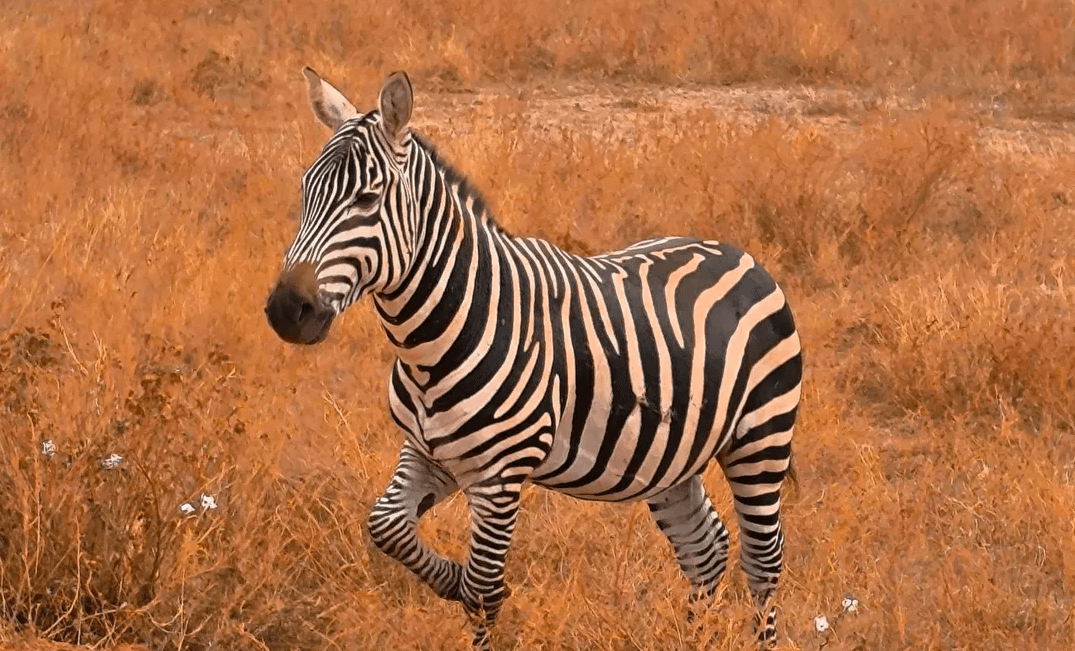
Tsavo East is home to the "Big Five," although rhinos are scarce here and better viewed in the fenced sanctuary of Tsavo West. You will see vast herds of buffalo and the famous red elephants. The park is also the best place to see dry-country specialists.
Gerenuk: Also known as the giraffe-necked antelope. It stands on its hind legs to eat from high branches.
Fringe-eared Oryx: A distinct antelope adapted to arid conditions.
Hirola: The park hosts a small population of this critically endangered antelope (the Hunter's Hartebeest).
Birdlife: Over 500 bird species have been recorded. Highlights include the Somali ostrich and the vulturine guineafowl.
Best Time to Visit Tsavo East
The climate in Tsavo East is hot and semi-arid. Temperatures during the day frequently exceed 30°C. The timing of your visit affects both comfort levels and wildlife visibility.
The Dry Seasons (June to October and January to February)
These months offer the best wildlife viewing conditions. The vegetation thins out and water holes dry up in the bush. Animals must migrate to the Galana River and Aruba Dam to drink.
This concentration allows for predictable sightings. January and February are popular with travellers escaping the UK winter, although these months are typically the hottest of the year.
The Wet Seasons (November to December and March to May)
The park transforms after the rains. The dust settles and the plains turn green. This season is excellent for birdwatching as migratory species arrive.
However, the thick vegetation can make smaller animals harder to spot. The heat is often accompanied by high humidity during these months. Road conditions can deteriorate in low-lying areas after heavy storms.
Comparison of Tsavo East vs. Tsavo West
The Tsavo ecosystem is divided into two separate national parks by the Nairobi-Mombasa railway. While they share a name, the experience in each is distinct. We often recommend choosing based on your available time and interest in landscapes versus animals.
Feature
Tsavo East National Park
Tsavo West National Park
Landscape
Flat, open plains and scrubland. The horizon is vast and unbroken.
Volcanic hills, lava flows, and dense woodland. The scenery is dramatic and varied.
Wildlife Visibility
High visibility due to flat terrain and thinner bush. Easier to spot cats.
Lower visibility due to dense vegetation. Requires more effort to find animals.
Short 2-3 day safaris from the coast. Focusing on large herds.
Longer itineraries. Focusing on scenery and rhinos.
Practical Information for UK Travellers Visiting Tsavo East
Tsavo East presents specific challenges regarding heat and insects due to its lower altitude compared to Nairobi or the Masai Mara. British travellers should prepare accordingly to ensure comfort.
Health and Malaria
The park lies at a lower elevation than the highlands. This increases the risk of malaria significantly. We strongly recommend taking malaria prophylaxis such as Malarone.
Consult your travel clinic before departure. The heat can be intense, so dehydration is a real risk. Drink at least 3 litres of water daily.
Tsetse Flies and Clothing
Tsetse flies are prevalent in the wooded areas of Tsavo. Their bite is painful. They are attracted to dark colours like royal blue and black. Do not wear these colours on game drives.
Light-coloured clothing (beige, khaki, light green) offers the best protection. We also suggest wearing long trousers and long-sleeved shirts in the evenings to protect against mosquitoes.
Accommodation Options
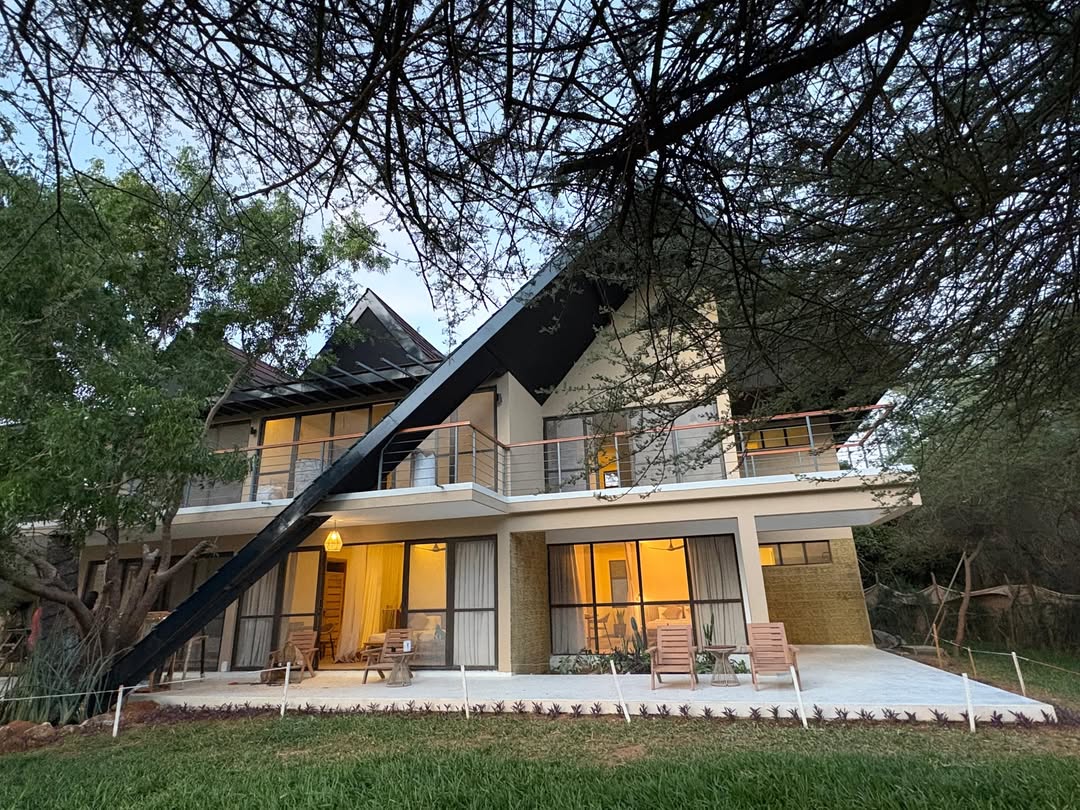
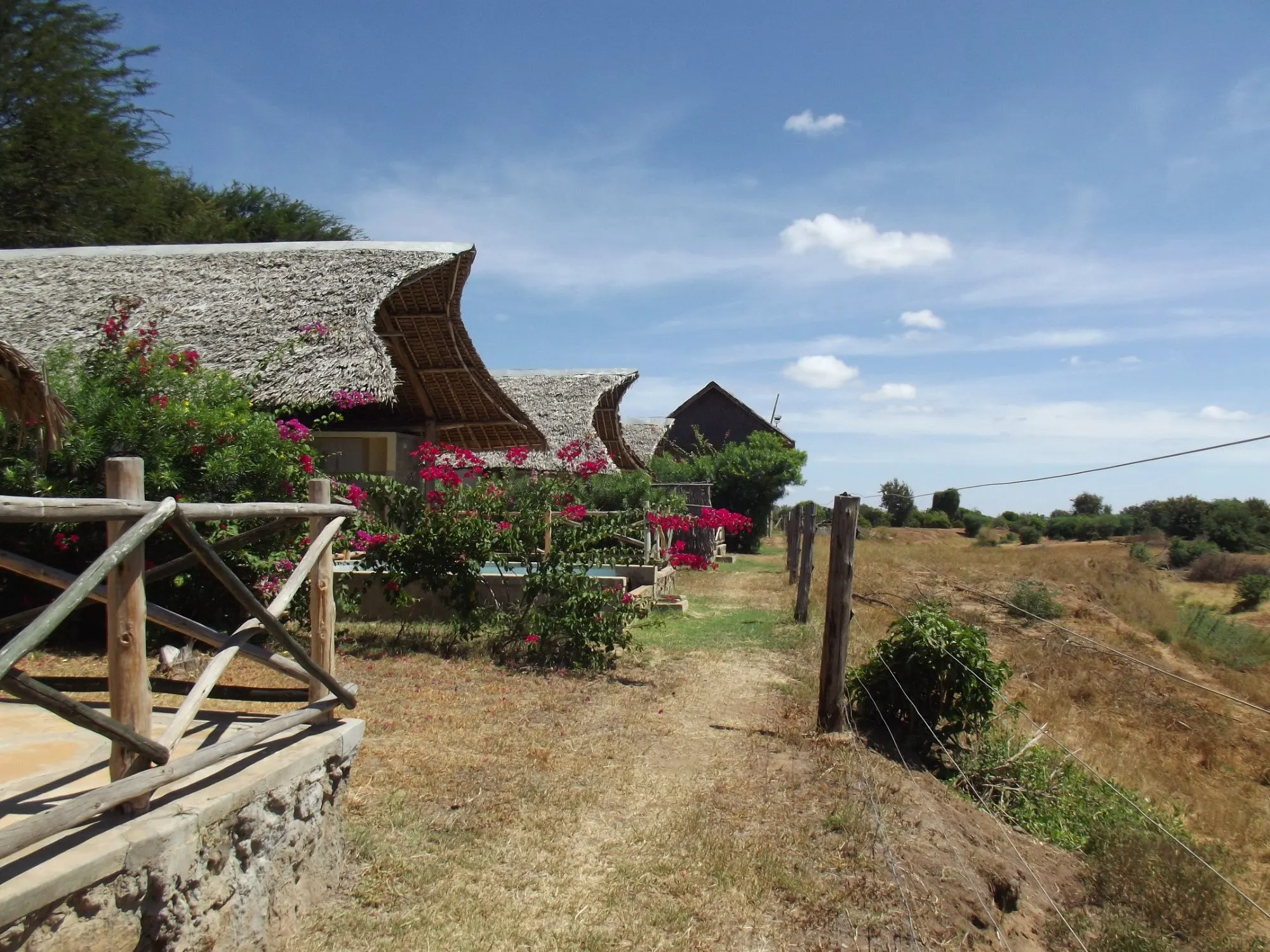
The park offers accommodation to suit various budgets. You can choose between traditional lodges and tented camps.
Lodges: Properties like Voi Safari Lodge and Ashnil Aruba Lodge offer solid structures, swimming pools, and standard hotel amenities. They are good for families or those nervous about sleeping under canvas.
Tented Camps: Camps like Satao Camp offer a more immersive experience. You sleep in large canvas tents with en-suite bathrooms. This allows you to hear the sounds of the African night clearly.
Book Your Tsavo East Safari
Tsavo East is the ideal destination for travellers wanting to combine a wildlife safari with a beach holiday. Its proximity to Diani, Mombasa, and Malindi allows you to see the "Big Five" without the expense of domestic flights.
We organize private 4x4 safaris and group tours departing daily from the coast and Nairobi. Our packages include park fees, accommodation, and the services of an expert guide who knows the terrain and history of this vast wilderness.
Contact us to plan your "Bush and Beach" itinerary today.
For optimal wildlife viewing in Tsavo East, plan your visit during the long dry seasons (January-February and June-September). During these months, vegetation is sparser, and animals congregate around permanent water sources, making them easier to spot.