Ol Pejeta Conservancy is a conservancy in Laikipia, Laikipia County, Kenya. The conservancy is renowned for being home to the last two northern white rhinos in the world, Najin and Fatu, and for hosting the Sweetwaters Chimpanzee Sanctuary, the only one of its kind in Kenya.
Wildlife at Ol Pejeta
Ol Pejeta Conservancy maintains Kenya's highest wildlife-to-area ratio outside of the Masai Mara National Reserve. Unlike vast, open ecosystems with sporadic animal sightings, the Conservancy's enclosed perimeter and dedicated ecological monitoring ensure consistent observation of high-value species.
Mega-herbivores dominate the biomass, supported by a managed mosaic of distinct habitat types, including Acacia drepanolobium forest and open savannah.
Rhino Sanctuary and Protection Efforts
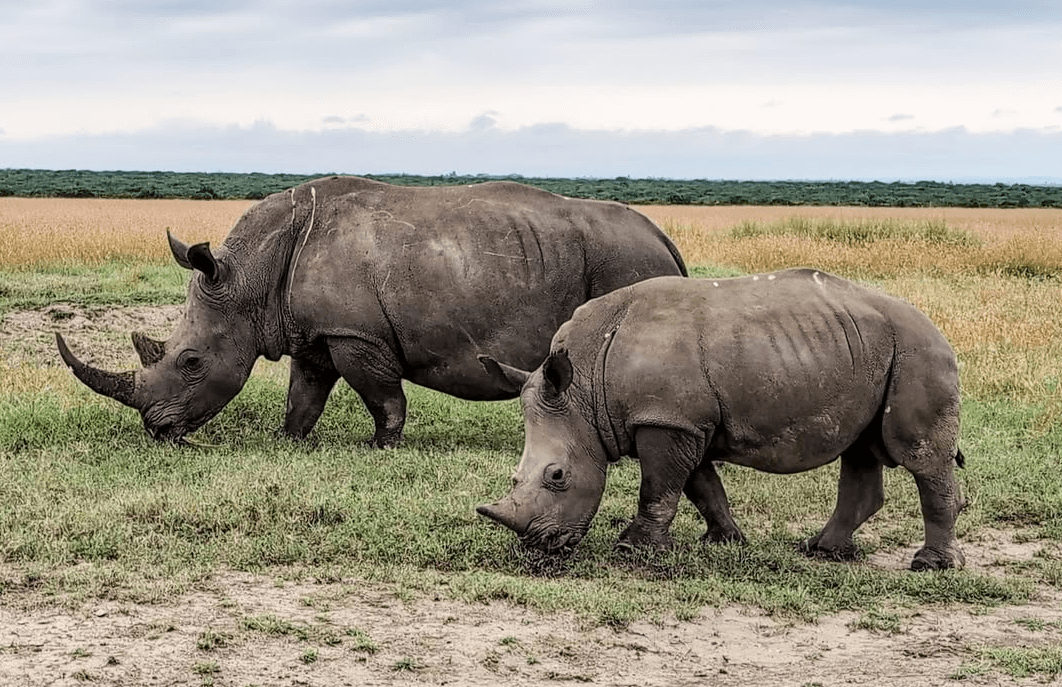
The conservancy functions as the largest sanctuary for the Black Rhinoceros (Diceros bicornis) in East and Central Africa.
Current population figures exceed 165 individuals, a critical milestone designated by the International Union for Conservation of Nature (IUCN) for species recovery. This density offers a distinct viewing advantage over Tsavo or Amboseli, where rhino populations are sparse and elusive.
The sanctuary houses the world's last two Northern White Rhinos (Ceratotherium simum cottoni), making it globally significant. The females, Najin and Fatu, are protected within a specific 700-acre enclosure.
They are the subject of the BioRescue project. This international consortium uses in vitro fertilisation (IVF) and stem cell technology to prevent the subspecies' extinction. This scientific undertaking is not present in any other wildlife area globally.
Chimpanzee Sanctuary
Sweetwaters Chimpanzee Sanctuary is the only location in Kenya where Chimpanzees (Pan troglodytes) can be observed. These primates are not indigenous to Kenya.
They are therefore absent from the Kenya Wildlife Service (KWS) national park circuit. The facility was established in 1993 in partnership with the Jane Goodall Institute. It provides lifelong refuge for orphaned and abused chimpanzees rescued from the illegal bushmeat and pet trades in West and Central Africa.
The sanctuary spans riverine forest along the Ewaso Nyiro River. It is divided into two main groups to manage social hierarchy and aggression:
- The Western Group: Generally comprises older, more dominant individuals requiring stricter monitoring.
- The Eastern Group: Consists of younger or rehabilitated chimpanzees undergoing integration.
Other Notable Wildlife at the Conservancy
Beyond the "Big Five" (Lion, Leopard, Elephant, Buffalo, Rhino), Ol Pejeta hosts species specific to Northern Kenya. These are often referred to as the "Northern Special Five". Visitors observe distinct subspecies absent from southern parks like Tsavo West. Key herbivores include:
- Reticulated Giraffe (Giraffa camelopardalis reticulata): It is distinguished by defined white lines and deep orange-brown patches, contrasting with the Masai Giraffe found in the south.
- Grevy’s Zebra (Equus grevyi): It is larger than the Common Plains Zebra, with narrower stripes and round ears. Ol Pejeta hosts a critical breeding population.
- Jackson’s Hartebeest (Alcelaphus buselaphus lelwel): It is a distinct highland antelope often targeted by predators.
The predator density includes six resident lion prides, cheetahs, and the elusive African Wild Dog (Lycaon pictus). The conservancy employs distinct wildlife corridors.
These corridors allow migration to the greater Laikipia ecosystem, preventing genetic isolation while maintaining cattle-wildlife integration with the resident Boran cattle herd.
Things to do at Ol Pejeta
Ol Pejeta is a private conservancy, not a national park. It offers interactive activities strictly prohibited in government-managed reserves.
National Parks (such as Nairobi National Park or Nakuru) restrict visitors to designated roads and daylight hours. Ol Pejeta permits off-road driving (under supervision), night operations, and pedestrian activities. This provides a comprehensive ecological experience.
Safari Activities and Tours
The activity portfolio focuses on "behind-the-scenes" conservation participation rather than passive observation. Key activities include:
- Lion Tracking: Guests accompany researchers using telemetry receivers to locate collared lions. This assists with data gathering on pride movements and predation patterns, offering closer proximity than standard game drives.
- K-9 Anti-Poaching Unit Interaction: This activity demonstrates the operational capabilities of bloodhounds and spaniels. These dogs are used to track poachers and detect ammunition. It highlights the security infrastructure required to protect high-value species.
- Night Game Drives: Unlike KWS parks, which close at 6:30 PM, the conservancy allows spotlight-assisted drives. These drives view nocturnal species such as the Aardvark, Zorilla, and Bat-eared Fox.
- Walking Safaris: Guided bush walks focus on micro-ecosystems, tracking skills, and ornithology. Participants identify species like the Rosy-throated Longclaw.
Accommodation Options
Lodging within the conservancy caters to diverse budgets, ranging from research-focused hostels to luxury tented camps. Key facilities include:
- Sweetwaters Serena Camp: It is situated around a floodlit waterhole, offering 24-hour wildlife viewing from the accommodation tents. This serves as the primary hub for mainstream tourism.
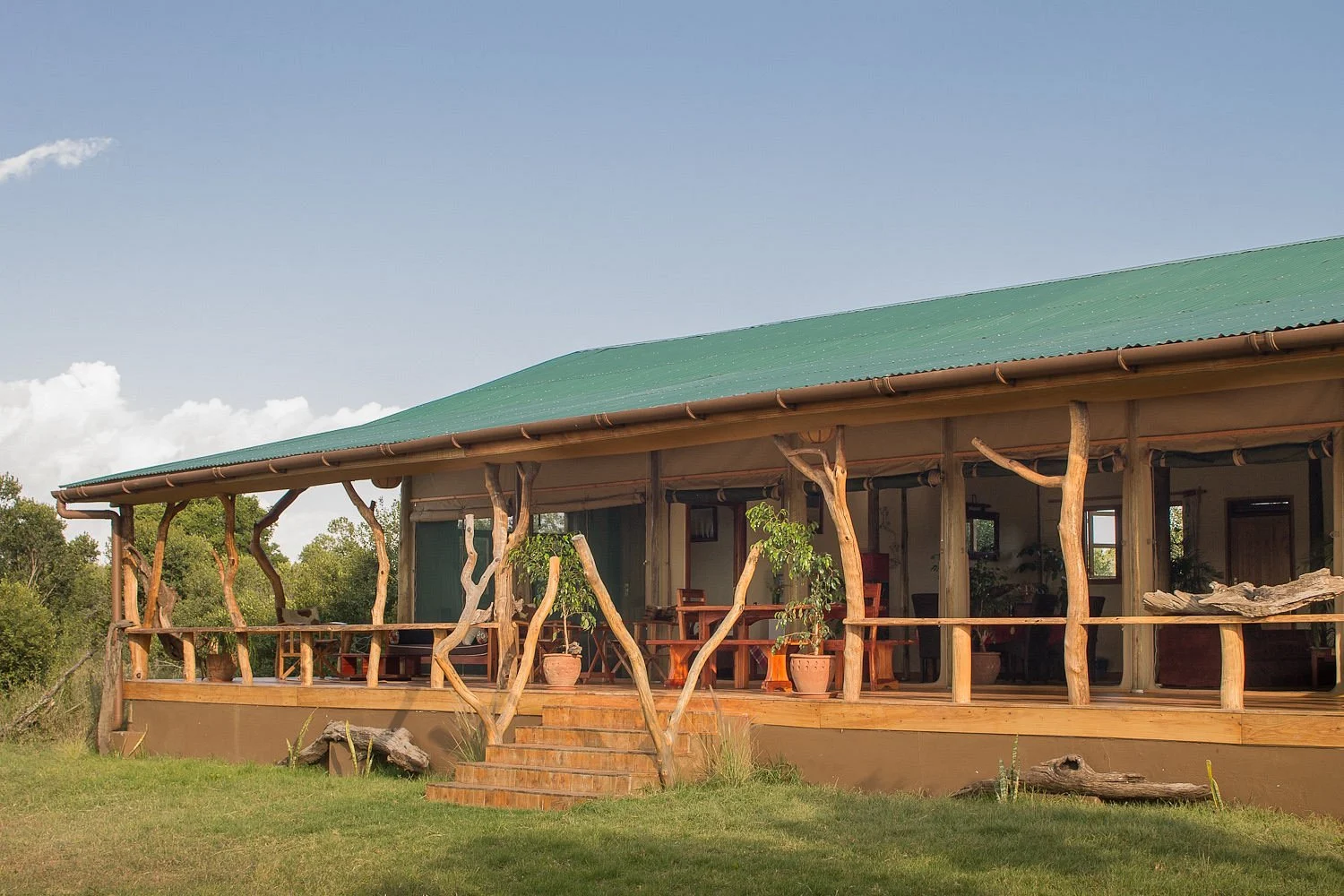
- Ol Pejeta Bush Camp: It is a smaller, owner-run facility operated by Asilia Africa. The camp focuses on low-impact, high-privacy tourism with direct access to wilderness zones.
- The Stables: This facility was originally built for research staff. It provides budget-friendly accommodation, prioritising functionality for student groups and volunteers over luxury amenities.
Ol Pejeta Conservancy Entry Fees and Conservation Costs
Planning a budget for Ol Pejeta is straightforward. The conservancy operates a clear, tiered pricing structure for its daily conservation fees. These fees directly fund its vital wildlife protection and community development programmes. The fees are valid for a 24-hour period from the time of entry.
The core pricing is based on residency status, a standard practice across East Africa's parks and reserves. The breakdown is as follows:
- Non-Residents: This category applies to all international visitors and tourists. It forms the standard fee for adults and children (typically aged 3-11).
- East African Residents: This is a reduced rate for residents of Kenya, Uganda, Tanzania, Rwanda, and Burundi. Visitors must present valid proof of residency, such as a work permit or alien card, upon entry.
- Kenyan Citizens: A further discounted rate is available for citizens of Kenya. A valid National ID or Passport is required as proof of citizenship.
Standard charges also apply for vehicles entering the conservancy, in addition to the per-person conservation fees. These fees vary based on the vehicle's size (e.g., under 6 seats, 6-12 seats).
Prices are subject to change. We strongly recommend visiting the official Ol Pejeta Conservancy website for the most current and accurate fee schedule before your trip.
Transport Options from Nairobi to Ol Pejeta Conservancy, Laikipia
Ol Pejeta is located in Laikipia County and is highly accessible from Kenya's capital, Nairobi. Reaching the conservancy from Nairobi is a simple part of safari logistics, offering options for scenic drives or quick flights.
By Road
The journey by road from Nairobi to Ol Pejeta is approximately 220 kilometres (about 137 miles). It typically takes 3 to 4 hours, depending on traffic conditions leaving the city. The route is well-paved and provides scenic views of the Kenyan highlands and glimpses of Mount Kenya.
- Route: The primary route follows the A2 highway north from Nairobi, passing through towns such as Thika, Karatina, and Kiganjo. This route reaches Nanyuki, a vibrant town that serves as the main hub for the region. The main gate for Ol Pejeta is a short drive from Nanyuki town centre.
- Options: Visitors can self-drive (a 4x4 is recommended for game drives), hire a private vehicle with a driver, or travel as part of an organised safari tour that includes transport.
By Air
Flying offers an efficient option for those short on time. Several reputable local airlines operate daily scheduled flights from Wilson Airport (WIL) in Nairobi to Nanyuki Airstrip (NYK).
- Airlines: Key operators are Safarilink and AirKenya Express.
- Flight Time: The flight is brief and scenic, lasting approximately 30-40 minutes.
- Onward Travel: A 45-minute road transfer to the conservancy's main gate is required from Nanyuki Airstrip. Most camps and lodges within Ol Pejeta can arrange this transfer. Some exclusive-use properties within the conservancy also have private airstrips for charter flights.
Where to Stay and a Guide to Ol Pejeta Accommodation
Accommodation choice shapes the safari experience. Ol Pejeta offers a range of options, categorised by their location: within the conservancy's boundaries or just outside its gates in the Nanyuki area.
1. Inside the Conservancy
Staying within Ol Pejeta provides the most immersive experience. Visitors wake up to the sounds of the bush and enjoy good access for early morning and late evening game drives. This stay directly supports the conservancy's mission.
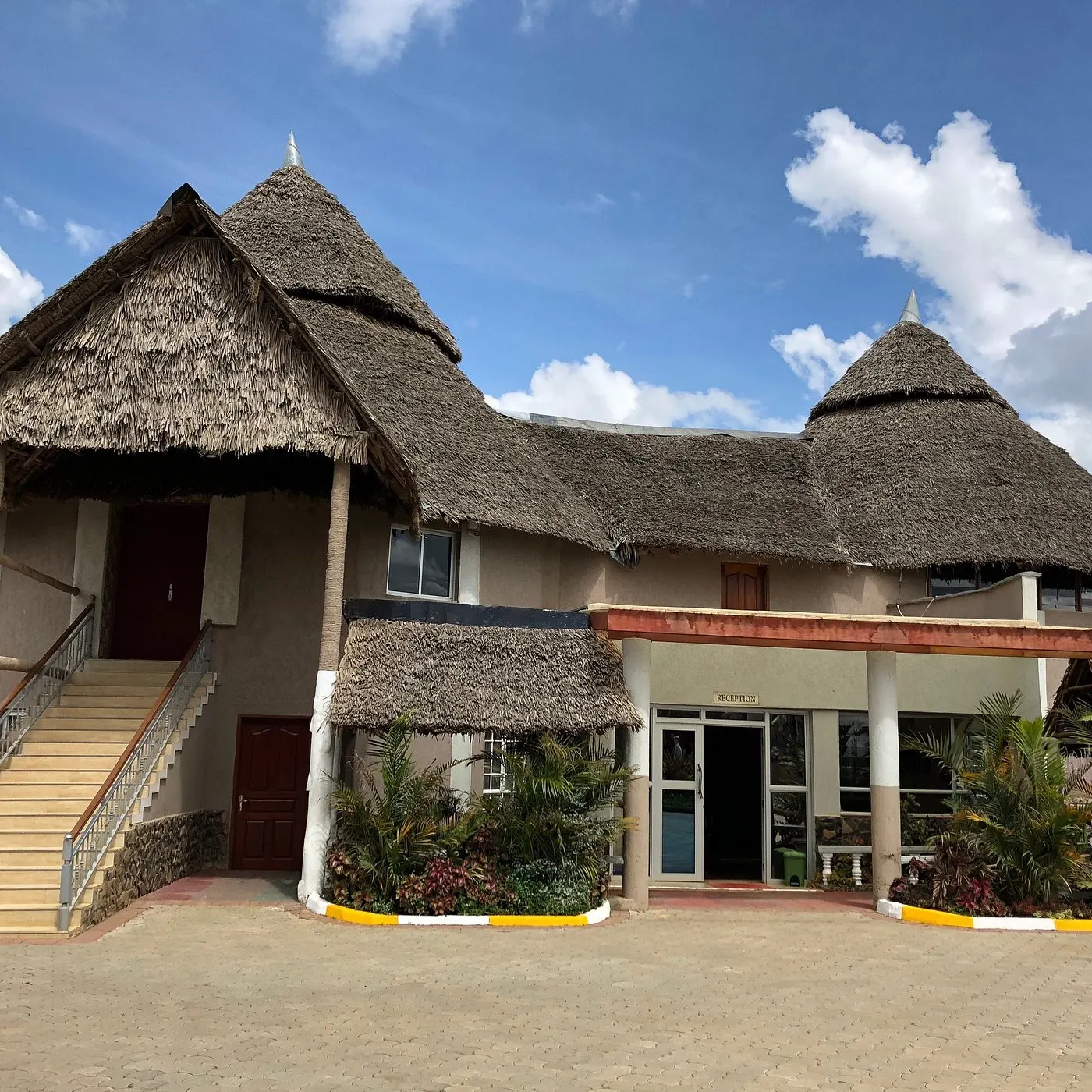
- Luxury Tented Camps & Lodges: These offer a traditional safari experience with high levels of comfort, expert guiding, and high-quality service. Well-known examples include Sweetwaters Serena Camp, Ol Pejeta Bush Camp, and Kicheche Laikipia Camp.
- Private Houses & Villas: For families or small groups seeking exclusivity, properties like Ol Pejeta House provide a private and historic retreat.
- Budget-Friendly Stays: The Stables provides a simple, clean, and affordable option for budget-conscious travellers. It offers basic but comfortable rooms.
- Campsites: Several campsites are available for adventurous visitors. They allow for a close-to-nature experience. These require visitors to be fully self-sufficient with their own vehicle and camping equipment.
2. Outside the Conservancy (Nanyuki and Surrounds)
Staying in or around Nanyuki provides flexibility and often a wider range of prices. This is a good strategy if visitors plan to explore the wider Laikipia region in addition to Ol Pejeta.
- Benefits: This option can be more cost-effective and provides access to the amenities, restaurants, and shops in Nanyuki town.
- Considerations: Visitors must account for daily travel time to and from the conservancy gate and pay the daily conservation fees upon each entry.
- Types of Accommodation: The area includes a wide variety of accommodation, from luxury country clubs and boutique hotels to guesthouses, farm stays, and modern Airbnbs.