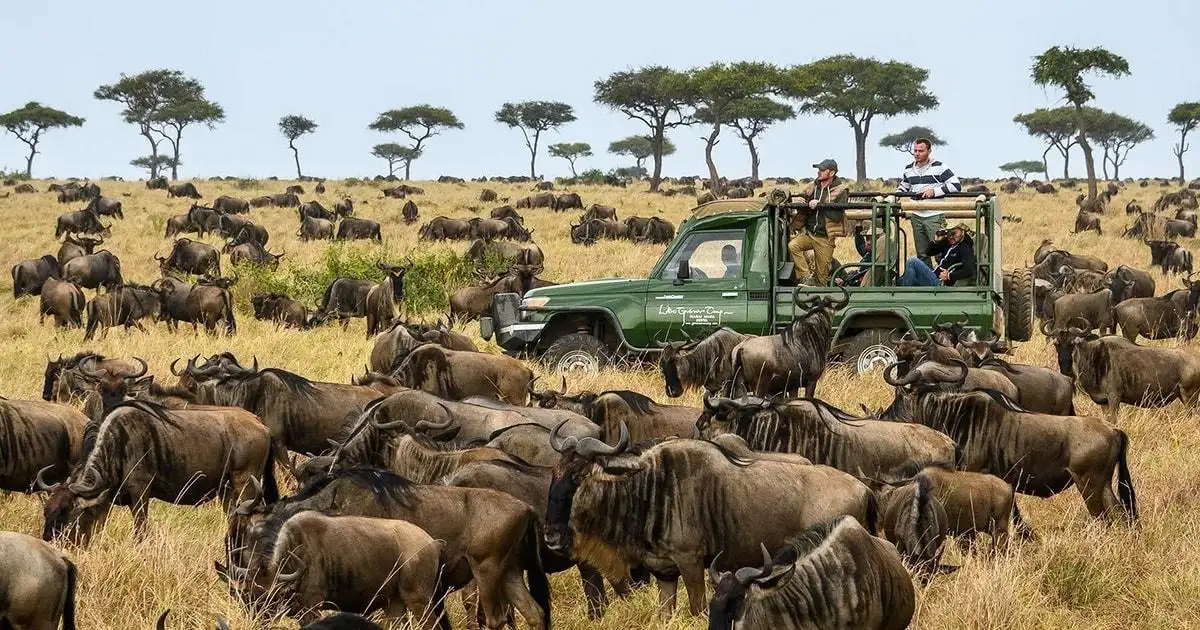
The Best time to visit Kenya for a safari adventure for UK travellers is July and August. This period aligns with the UK summer holidays and offers prime viewing of the Great Migration in the Masai Mara. The October Half-Term provides a more exclusive safari with excellent wildlife sightings and fewer visitors.
Conversely, the Easter holiday period is challenging for a safari. This travel window coincides with the 'Long Rains', which can disrupt game drives and travel. This guide explains the seasonal differences for planning a trip from the UK.
How UK School Holidays Affect the Best time to visit Kenya for Safari Adventure
The UK school calendar directly influences safari pricing, crowd levels, and logistics in Kenya. The peak safari season in Kenya coincides with the UK's long summer holidays in July and August. This alignment creates high demand for accommodation in the Masai Mara, requiring advance booking.
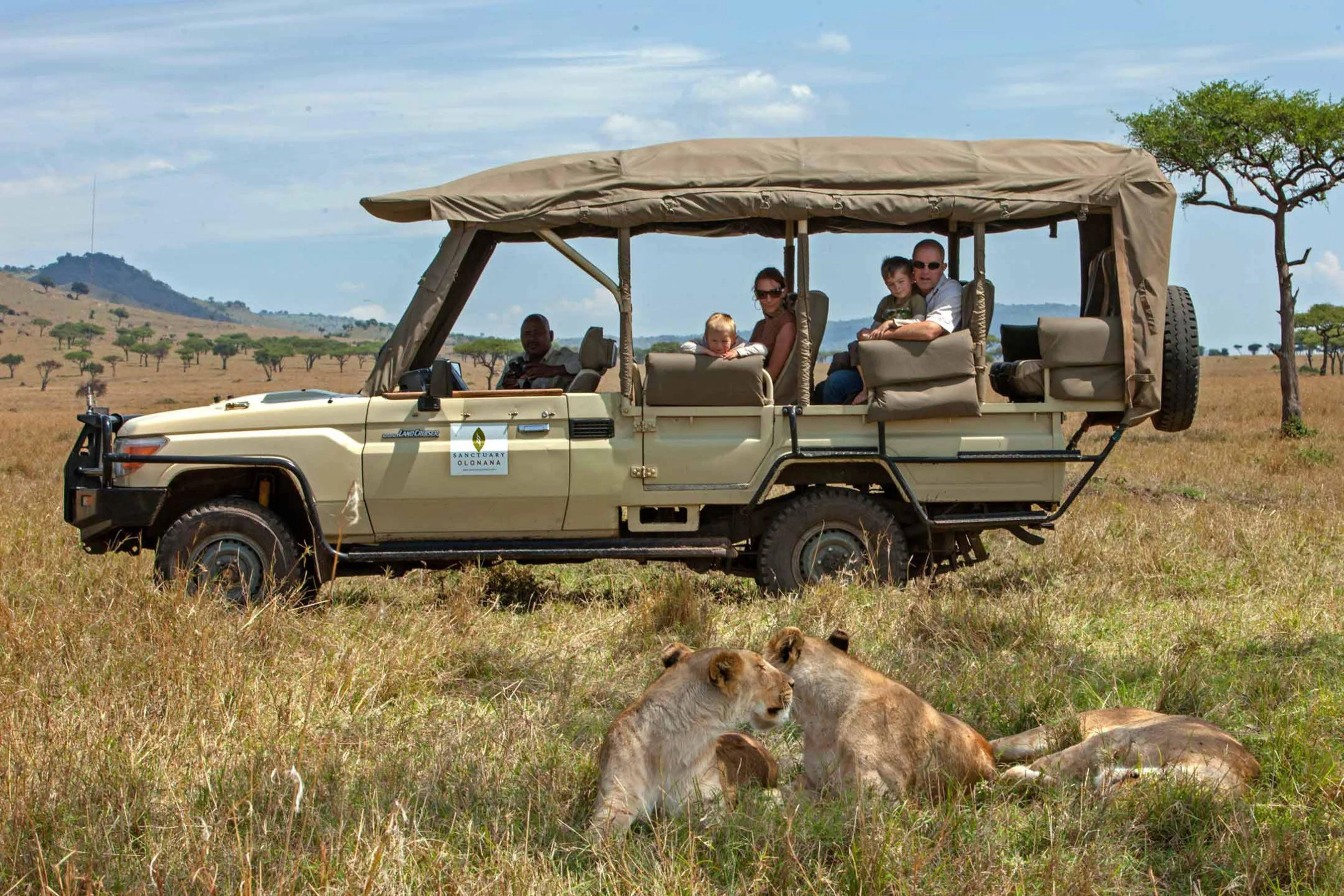
The October Half-Term offers a strategic window for a family holiday from the UK. This period falls within Kenya’s dry season, providing excellent wildlife viewing with fewer visitors than the summer peak. The shoulder season timing can result in a more personal safari experience and better availability at camps.
The Easter school holidays are a less suitable time for a safari adventure. This break typically falls during Kenya's 'Long Rains' from March to May. Heavy rainfall makes many park roads impassable, which negatively affects the quality and reliability of game drives.
Wildlife UK Travellers Can See in Kenya from July to October
The primary wildlife event in Kenya from July to October is the Great Migration. In July, huge herds of wildebeest and zebra arrive in the Masai Mara from Tanzania's Serengeti. The herds move across the Mara plains throughout August in search of fresh grazing.
The Great Wildebeest Migration
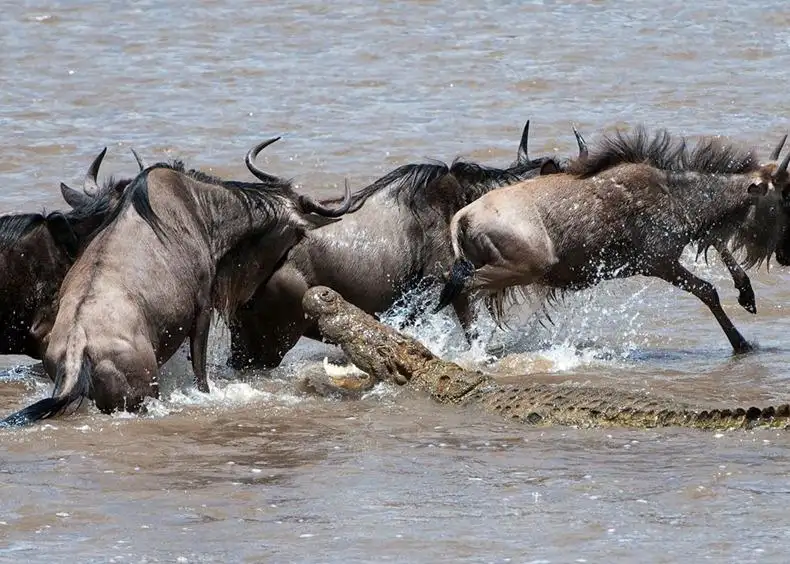
August is the peak month to witness the Great Migration's river crossings. The wildebeest and zebra face crocodiles as they cross the Mara and Talek rivers. This event is a major attraction for visitors during the UK summer holiday period.
Resident Wildlife and Predators
The dry conditions from July to October also concentrate resident wildlife around water sources. The sparse vegetation makes predators like lions, cheetahs, and leopards easier to find. Parks such as Amboseli offer excellent elephant sightings against the backdrop of Kilimanjaro during this dry season.
October Migration Viewing
The Great Migration is in its final Kenya phase by October. The herds begin their journey south towards the Serengeti, but large numbers remain in the Mara. This timing provides a chance to see the migration with fewer other safari vehicles present, which is ideal for photography.
Weather in Kenya During Peak Safari Months
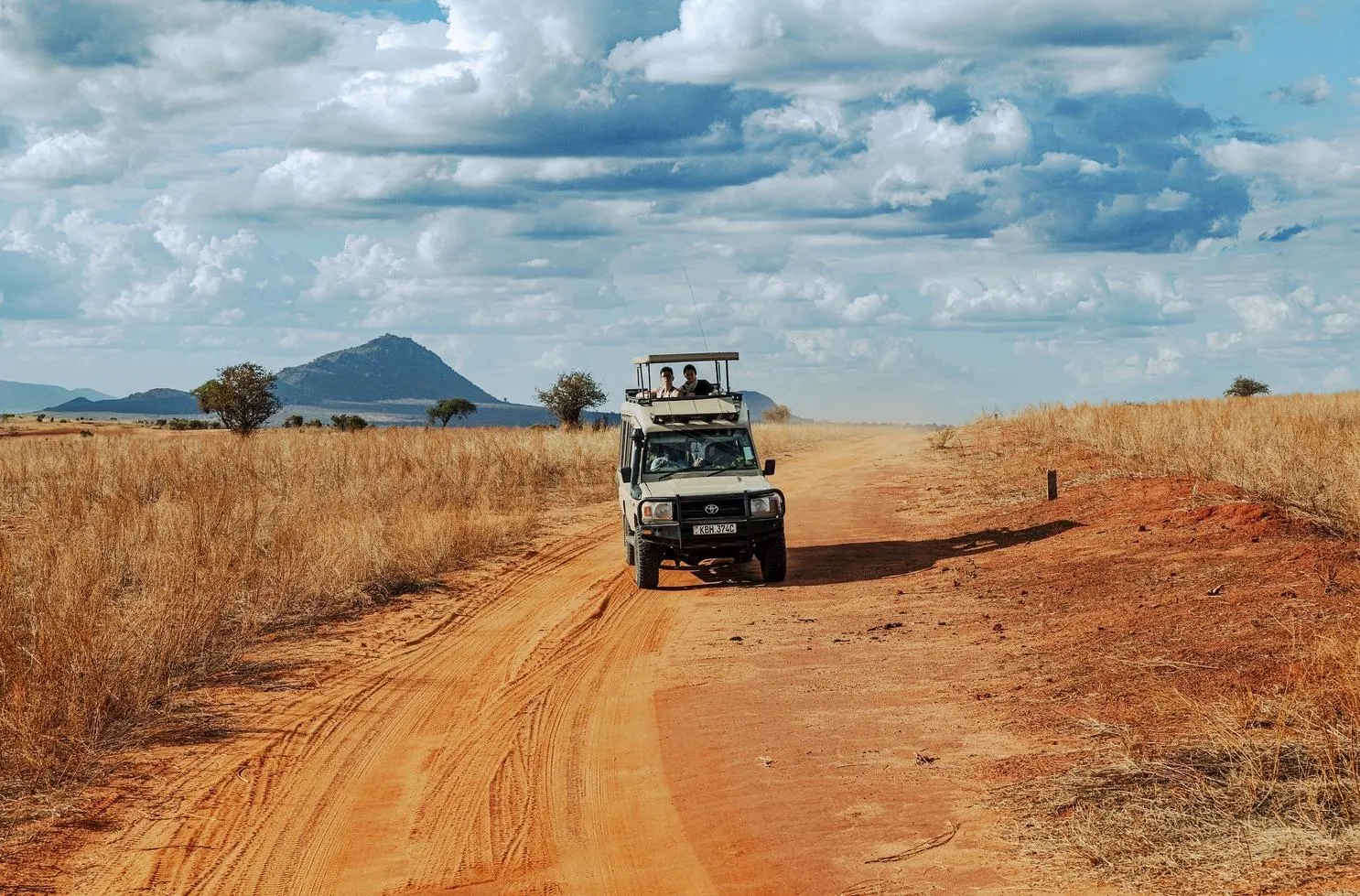
The weather in Kenya during July and August is ideal for a safari. These months are the core of the long dry season, with clear skies, low humidity, and little to no rain. Days are warm and sunny, which is suitable for game drives.
Mornings and evenings, particularly at higher altitudes like the Masai Mara, are cool. Temperatures can drop to around 15°C, requiring a fleece or warm jacket for early morning activities. These cooler temperatures are a feature of the high-altitude savanna climate.
October is a transitional weather month in Kenya. The first half remains predominantly dry and warm, maintaining good game-viewing conditions. The 'Short Rains' can begin towards the end of October, bringing brief afternoon showers that rarely disrupt safari activities.
Why UK Travellers Avoid Kenya During the Easter Holidays
The Easter break coincides with the peak of Kenya's 'Long Rains' season, which runs from late March to early June. The rainfall during this period is heavy and prolonged, not a light shower. This weather transforms the dry tracks of national parks into thick mud.
The heavy rain has negative consequences for safari logistics. Game drives may be cancelled or severely restricted, and vehicles face a high risk of getting stuck. Abundant water sources also cause wildlife to disperse, making animals harder to locate than in the dry season.
Which Kenya Parks are Best During the October Half-Term?
The October Half-Term is an excellent time for a family safari from the UK. The Masai Mara remains the top destination, as visitors can still see the end of the Great Migration. The reserve’s plains are full of resident animals, and the thin vegetation helps with tracking predators.
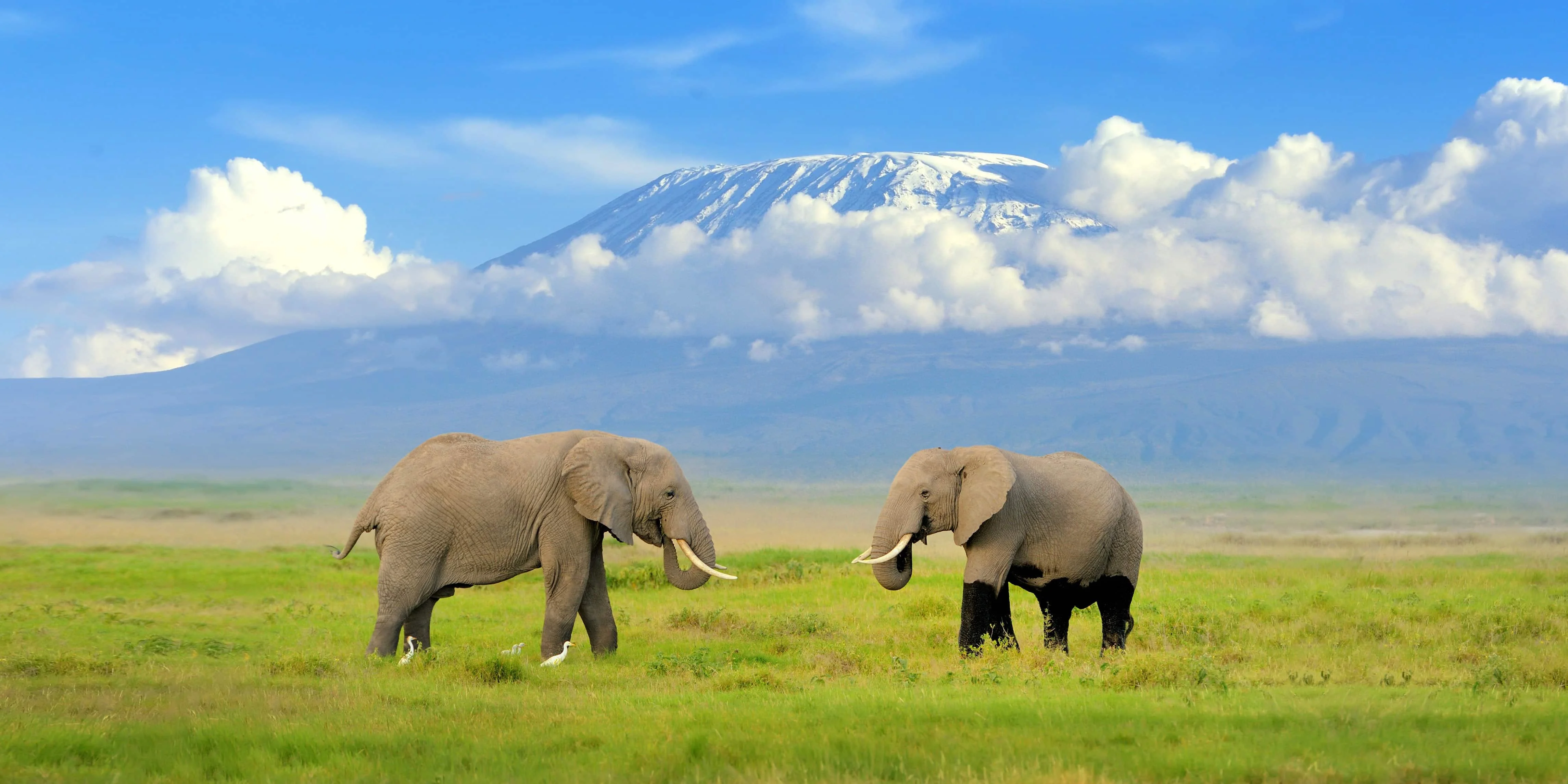
Other parks in Kenya also offer outstanding experiences in October. Amboseli National Park is rewarding, as the dry weather concentrates its large elephant herds around swamps. October is also one of the best months for clear views of Mount Kilimanjaro from Amboseli.
For different landscapes, Tsavo West and Tsavo East national parks provide a more remote safari experience. These parks offer opportunities to see species adapted to arid conditions, such as the gerenuk and fringe-eared oryx.
What are Crowd Levels and Accommodation Availability Like in Kenya?
Peak Season (July-August)
The peak season of July and August sees the highest number of tourists, driven by the Great Migration and UK summer holidays. Visitors should expect to share wildlife sightings with other vehicles in popular areas of the Masai Mara. Accommodation must be booked 9 to 12 months in advance for this period.
Shoulder Season (October)
Shoulder seasons like June and October offer a quieter safari. During the October Half-Term, crowd levels are significantly lower than the summer peak. The result is a more personal safari where you might have sightings to yourself, and lodge availability is generally better.
Low Season (Easter)
The low season during the 'Long Rains' around Easter has the fewest visitors. Some lodges offer discounts during this time. However, the potential for weather-related disruptions often outweighs the cost savings for most UK travellers on a primary safari holiday.
Months in Kenya Best Suited for UK Honeymoons and Family Trips
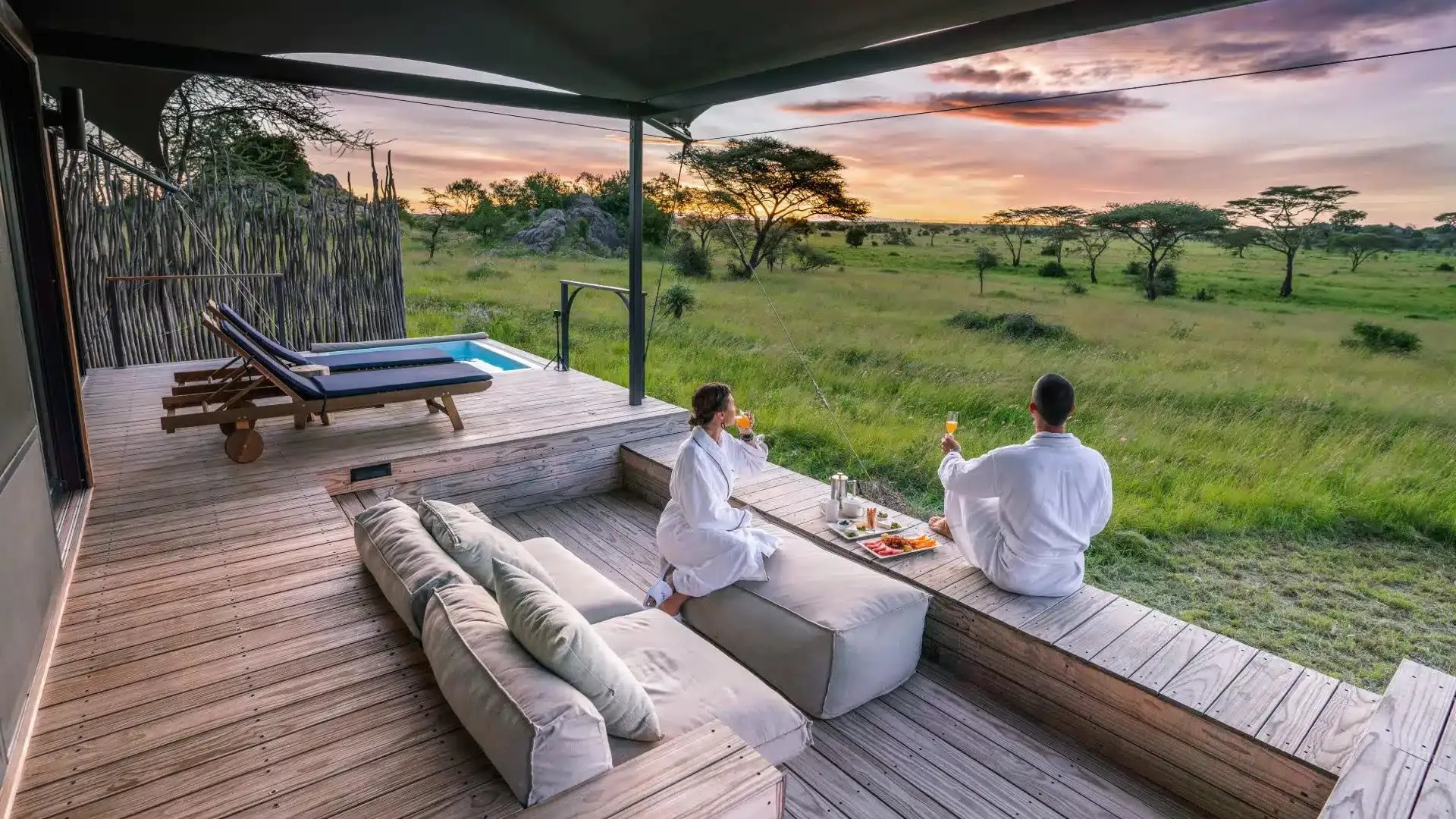
The months of June, September, and early October are ideal for UK couples on a honeymoon in Kenya. These periods are just outside the peak season, offering a more private atmosphere. The weather is excellent, wildlife viewing is superb, and there are fewer crowds.
For family safaris, the UK school calendar is the main scheduling factor. The summer holidays in July and August are the most popular choice due to the Great Migration. The October Half-Term is an equally strong option for families wanting to avoid the busiest period while still enjoying fantastic game viewing.
Is a Safari in Kenya Good During the 'Short Rains' in November?
For UK travellers with flexible dates outside school holidays, the 'Short Rains' of November and early December offer a distinct opportunity. The rain during this period consists of short, intense afternoon thunderstorms that pass quickly. The storms clear the air and turn the landscape green.
This season is highly regarded by photographers and repeat safari visitors. The green scenery provides a beautiful backdrop for wildlife, and it is the best time for birdwatching as migratory species arrive. This period provides a rewarding safari at shoulder-season prices with very few other visitors.
Safari Planner for UK School Holidays
| UK Holiday Period | Primary Wildlife Event | Key Considerations |
|---|---|---|
| Summer (July & Aug) | Great Migration river crossings | Peak season; book 9-12 months ahead. |
| October Half-Term | End of the Great Migration | Fewer crowds; good value and availability. |
| Easter (Mar-May) | Resident wildlife (dispersed) | 'Long Rains'; high risk of travel disruption. |
| Christmas (Dec) | Start of calving season | 'Short Rains' ending; good for birding. |
What are the Key Planning Steps for a Safari from the UK?
Travel Documents and Health
All UK citizens must obtain an Electronic Travel Authorisation (eTA) online before departure to Kenya. This authorisation is mandatory and cannot be acquired on arrival. Your passport must also have a minimum of six months' validity from your intended date of entry.
UK travellers must consult a GP or a travel clinic for health advice at least eight weeks before travel. Some vaccination courses require time to complete, so early consultation is necessary for your trip to Kenya.
Budgeting for Your Safari
An effective safari budget accounts for the trade-offs between different safari styles. A tented camp in a private conservancy offers more exclusivity and off-road game drives. A larger lodge inside a national reserve provides good value but may have more vehicle traffic at sightings.
Most safari packages from the UK are inclusive of accommodation, meals, park fees, and game drives. Travellers should budget separately for international flights, tips, most drinks, and optional activities like hot-air ballooning.
Choosing a UK Tour Operator
Selecting a reputable, UK-based tour operator is an important step. An experienced specialist handles the complex logistics of a Kenya trip. A UK operator also provides financial protection through schemes like ATOL, which is a legal requirement for UK companies selling package holidays.
How Should UK Travellers Book a Safari?
To secure preferred dates and accommodation for a safari, UK travellers should book 9 to 12 months ahead. This lead time is especially important for travel during the UK summer holidays and for small, popular camps in the Masai Mara. Flights from the UK are also cheapest when booked well in advance.
For financial security, book your holiday with a tour operator that provides ATOL protection. The ATOL scheme protects you from losing money or being stranded abroad if the operator ceases trading. You should also ensure you have comprehensive travel insurance that covers safari activities and medical emergencies before you confirm any booking.