A successful safari packing list helps you figure out safari clothes to wear which require two primary considerations: layering for significant temperature changes and choosing specific colours for safety. Your clothing should centre on neutral-coloured garments. Fleeces and windbreakers are a requirement for early morning game drives, where temperatures can start at 12°C. Travellers must also avoid dark blue or black clothing in regions like Tsavo or Lake Nakuru because these colours attract biting tsetse flies.
Essential layers for fluctuating safari temperatures
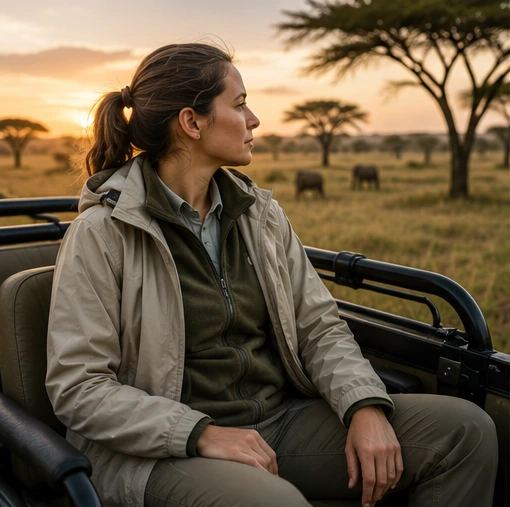
A three-layer system is the most effective clothing strategy for Kenya's fluctuating safari temperatures. Game drives in the Maasai Mara or Amboseli often begin at 6:00 AM in an open-sided 4x4, where temperatures can be as low as 12°C.
By midday, the equatorial sun can raise the temperature to 25°C or more. The temperature then cools again for your evening return to camp, making a flexible wardrobe necessary.
The Three-Layer Safari clothes System Explained
Your base layer should be a comfortable cotton or moisture-wicking t-shirt. The second, or mid-layer, provides insulation; a warm fleece jacket is the most practical choice. Your final outer layer should be a windbreaker or a light, showerproof jacket for protection against wind chill and light rain.
A three-layer system allows you to add or remove clothing as the temperature changes. This adaptability ensures you remain comfortable from the cold dawn game drive through to the warm afternoon.
Specific clothing colours you should avoid on a safari
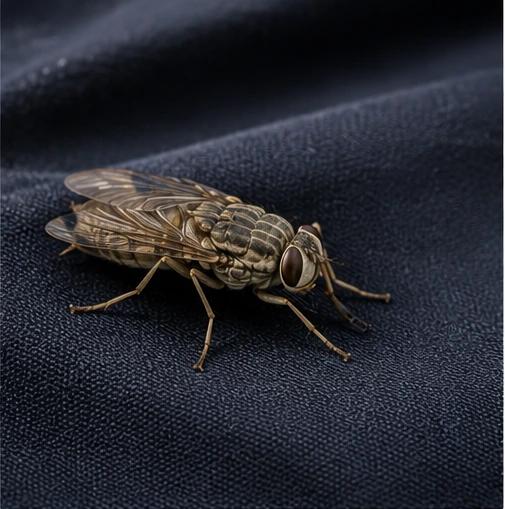
You must avoid dark blue and black clothing in certain areas of Kenya due to health and comfort reasons. These specific colours attract tsetse flies, a type of biting insect found in particular woodland and savannah habitats.
Tsetse fly populations are concentrated in regions such as the Tsavo National Parks and parts of Lake Nakuru. A tsetse fly bite is painful, and the insects can bite through light fabric, making colour choice a primary form of defence.
Although the risk of contracting sleeping sickness from a bite is very low for travellers, the pain and irritation are significant. Leaving dark blue and black items out of your luggage is a practical safety measure for safaris in these specified regions.
Best clothing colours and materials for a safari
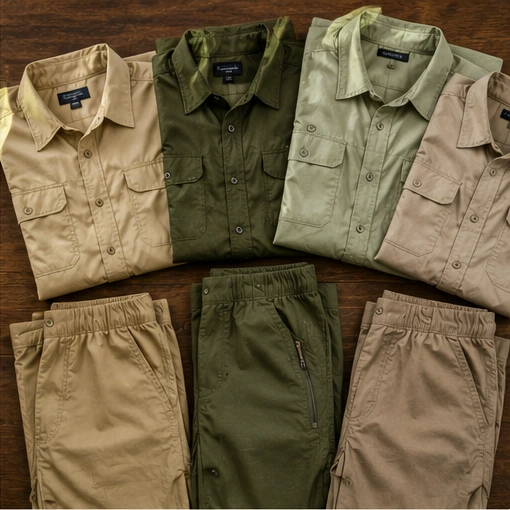
Recommended Colour Palette
A safari wardrobe requires neutral, earthy tones. The best colours are khaki, olive green, tan, beige, and sand. These shades help you blend into the natural environment and hide dust effectively.
Bright colours and white clothing must be avoided. These colours are highly visible to wildlife and show dirt immediately, making them impractical for safari activities.
Recommended Fabric Types
The best safari clothing fabrics are breathable, lightweight, and quick-drying. Lightweight cotton and linen work well in the midday heat, allowing for good air circulation.
Technical fabrics with moisture-wicking properties offer superior performance. These synthetic blends draw moisture away from the skin and dry very quickly, which is useful for items washed overnight at a lodge.
Long-sleeved shirts and long trousers made from these materials give the best protection from UV rays and insects. A physical barrier from clothing is effective against mosquitoes at dawn and dusk.
Appropriate footwear for different safari activities
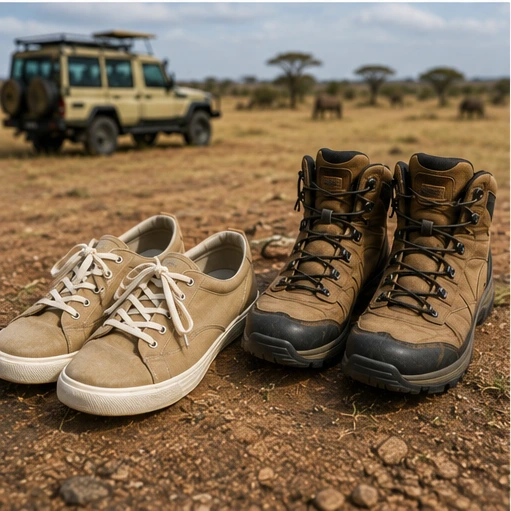
The correct footwear for your safari depends on your planned activities. For game drives inside a 4x4 vehicle, a pair of comfortable trainers or other sturdy, closed-toe shoes is sufficient. Closed-toe shoes protect your feet from dust and insects during stops for bush breakfasts or sundowners.
Your footwear needs change for a walking safari or a community visit. These activities require lightweight hiking or walking boots with good grip and ankle support. The terrain can be uneven, so the stability protects you from thorns and rocks.
You should break in any new boots before travelling from the UK to prevent blisters. For relaxing around the camp or lodge, a pair of sandals is useful, but these should only be worn during downtime.
Accessories necessary for a safari
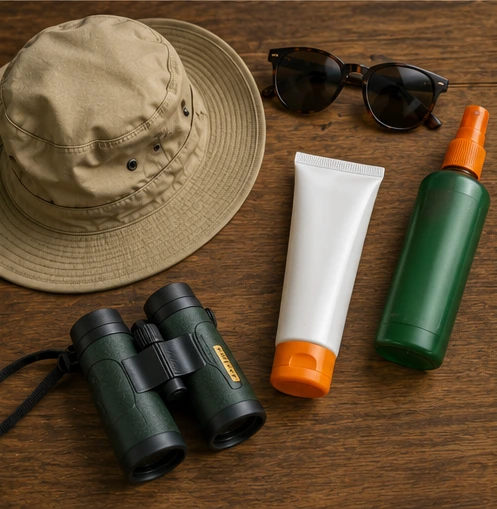
A few key accessories provide comfort and safety on safari. The Kenyan sun is intense, so sun protection is a priority. You should pack a wide-brimmed hat to shade your face and neck, along with high-quality, UV-protective sunglasses.
A high-factor sun cream of SPF 30 or higher must be applied regularly. For insect protection in malaria-risk areas, a repellent containing DEET or Picaridin is strongly advised. You should apply this repellent in the morning and again before evening activities.
A good pair of binoculars improves your game viewing experience for spotting distant wildlife. A small daypack is also useful for carrying your camera, a reusable water bottle, and personal medication with you in the safari vehicle.
How clothing for a safari vary by season
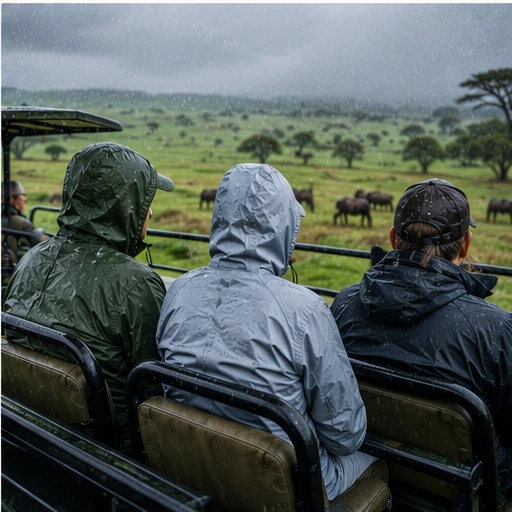
Your core packing list of layered, neutral-coloured clothing applies to all seasons in Kenya. However, minor adjustments are needed for the country's wet and dry seasons.
The main dry seasons (June to October and January to February) feature sunny days with little rain. Your standard safari wardrobe is suitable, but fleeces are still required for the cool mornings and evenings.
During the wet seasons, which are the 'long rains' (March to May) and the 'short rains' (November to December), you must add a lightweight, waterproof jacket to your luggage. Afternoon showers can be heavy, so reliable rain protection is important. Quick-drying fabrics are also more valuable during these months due to higher humidity.
Safari Clothing at a Glance
| Item Type | Recommendation | Primary Function |
|---|---|---|
| Base Layer | Moisture-wicking t-shirts | Comfort in midday heat |
| Mid-Layer | Warm fleece jacket | Insulation for cold mornings |
| Outer Layer | Windbreaker / Light waterproof | Protection from wind and rain |
| Trousers & Shirts | Long-sleeved, neutral colours | Sun and insect protection |
| Colours to Avoid | Dark blue and black | Deters tsetse flies |
| Footwear (Vehicle) | Comfortable trainers | General comfort and dust protection |
| Footwear (Walking) | Lightweight hiking boots | Ankle support and grip |
| Headwear | Wide-brimmed hat | Sun protection for face and neck |
How to manage laundry and weight limits for a safari
UK travellers must be aware of the strict luggage allowance on internal flights in Kenya. The small bush planes that service the national parks have a weight limit of 15kg (33lbs) per person. Luggage must be packed in a soft-sided bag or duffel with no rigid frame.
Most safari lodges and camps provide a daily laundry service, which is an effective way to manage the weight limit. You can pack just three or four changes of clothes and have them washed daily. This service allows you to travel light without sacrificing clean clothing.
Essential gear you should pack beyond clothing for a safari
Your non-clothing gear is also important for a well-prepared trip. You should always pack personal prescription medication in your hand luggage. A small first-aid kit with plasters, antiseptic wipes, pain relief, and antihistamines is also recommended.
A portable power bank is highly useful for charging phones and cameras on long game drives. Kenya uses the same Type G three-pin socket as the UK, so British travellers do not need adaptors. Bring extra memory cards for your camera, as you will take many photos.
Major lodges accept credit cards, but you should carry a small amount of Kenyan Shillings (KES) for local markets. US Dollars are also widely accepted for tipping, but any notes must be dated 2009 or later, as older currency is often rejected.
Finally, keep your travel documents accessible. These documents include your passport, any required visa, and proof of travel insurance. Having both physical and digital copies provides a secure backup.